Heirloom Vs Hybrid Seeds: Which To Choose
Heirloom seeds keep old flavors and genetics; hybrid seeds offer yield, uniformity, and disease resistance.
I have spent years growing tomatoes, peppers, beans, and flowers using both heirloom vs hybrid seeds. I write guides, test varieties, and help gardeners choose seeds that fit their goals. This article explains what heirloom vs hybrid seeds are, how they differ, and how to pick the right seed for your garden. Read on for clear facts, real-life tips, and step-by-step advice you can use today.

What are heirloom vs hybrid seeds?
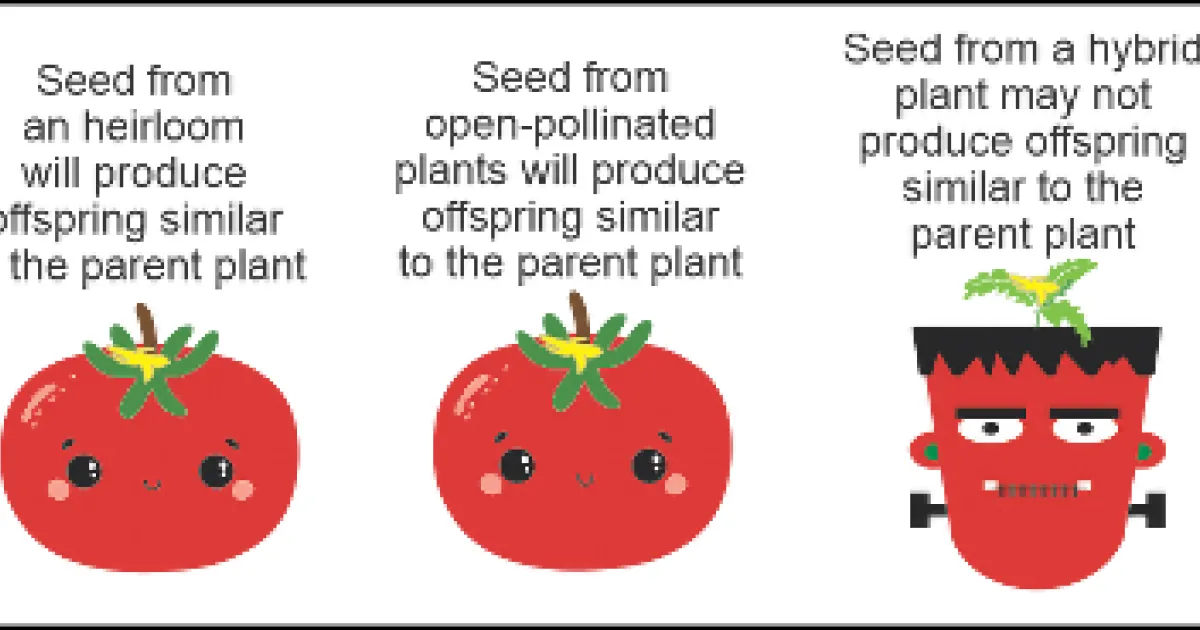
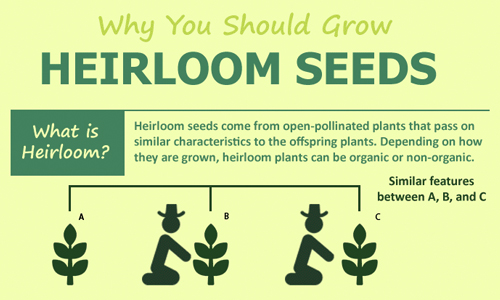
Heirloom seeds come from plants passed down for many years. They are open-pollinated. That means offspring look like the parent plant. Heirlooms often have strong taste and unique colors.
Hybrid seeds come from two different parent lines. Plant breeders cross them to combine good traits. Hybrids often give higher yields and consistent crops.
I have grown both types. Heirlooms gave me flavor and variety. Hybrids gave me steady harvests when pests were bad. Knowing the basics of heirloom vs hybrid seeds helps you plan your garden.
How heirloom seeds are produced and preserved
Heirloom seeds come from stable, open-pollinated varieties. Farmers and gardeners save seeds from the best plants. Over time, the variety remains consistent.
Key points about production:
- Open pollination keeps traits stable across generations.
- Seed saving requires isolation to avoid crossbreeding.
- Heirloom lines are often tied to culture or region.
I learned seed saving by trial and error. My early beans cross-pollinated. Now I isolate plants and label seeds. This keeps heirloom traits true.
Heirloom vs hybrid seeds differ most in how seeds are made and passed on. Heirloom seeds give repeatable results when properly saved.
How hybrid seeds are created and why breeders use them
Hybrids are made by controlled crosses. Breeders pick two parent lines. One parent gives vigor. The other gives disease resistance or flavor. The first-generation offspring are called F1 hybrids.
Why breeders use hybrids:
- To boost yield per plant.
- To improve disease or pest resistance.
- To create uniform size and ripening.
Hybrids often cost more. Seed companies sometimes restrict seed saving. As a gardener, expect top performance in year one. Saving seeds from hybrids usually won’t yield true offspring the next season.

Benefits of heirloom seeds
Heirloom seeds bring unique value to home gardens and farms. They matter to taste, biodiversity, and culture.
Main benefits:
- Rich flavor and variety across colors and shapes.
- Seeds can be saved and shared for generations.
- Support for genetic diversity in agriculture.
- Often adapted to local climates over time.
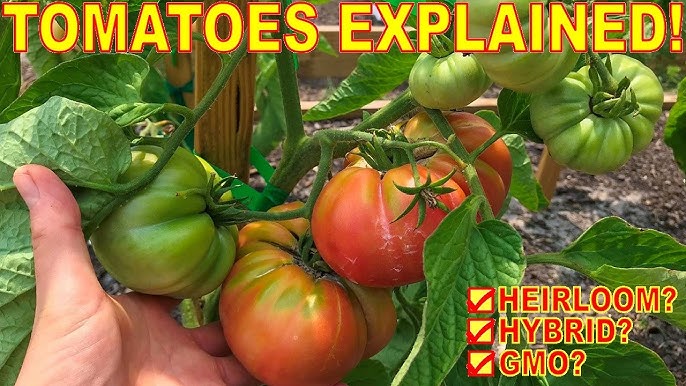
I grow heirloom tomatoes for taste. The flavor pays off at the table. Heirloom crops also teach kids about gardening history. Heirloom vs hybrid seeds often comes down to taste and values.
Benefits of hybrid seeds
Hybrids offer clear practical gains for many growers. They suit commercial farms and gardeners who want predictability.
Key benefits:
- Higher yields per plant in many cases.
- Uniform ripening and size make harvest easier.
- Better resistance to some diseases and pests.
- Faster time to market for commercial growers.
I used hybrids in a community garden plot. The uniform crops made canning and selling simple. For reliable harvests when space is tight, hybrids often win.
Limitations and trade-offs of heirloom vs hybrid seeds
Both seed types have trade-offs. Choosing depends on your goals.
Heirloom limitations:
- Often lower or variable yields.
- More disease susceptibility in some cases.
- Require more care for seed saving.
Hybrid limitations:
- Seeds from hybrids rarely breed true.
- Higher cost per packet.
- Lost diversity if hybrids replace heirlooms widely.
I once planted only heirlooms in a wet year. Many plants got sick. The next year I mixed in hybrids and saw fewer losses. The right mix can balance flavor and resilience.

How to choose between heirloom vs hybrid seeds
Decide based on what you want from your garden. Answer these short questions to guide choice.
Considerations:
- Do you want seed saving? Choose heirlooms.
- Do you need maximum yield or uniformity? Choose hybrids.
- Are flavor and variety your priority? Choose heirlooms.
- Do you face heavy disease or pest pressure? Consider hybrids.
- Are you preserving local varieties? Choose heirlooms.
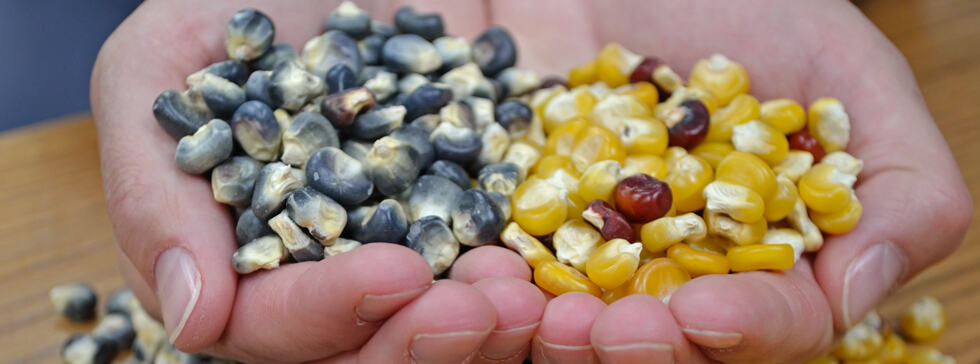
Try both. Plant a row of heirlooms and a row of hybrids. Note taste, yield, and health. I keep records each year. This simple test helps me pick seeds for the next season.
Seed saving, rules, and tips
Saving heirloom seeds is simple but needs care. Hybrids usually do not breed true when saved.
Basic seed-saving tips:
- Save seeds only from the healthiest plants.
- Label variety, year, and notes on flavor or disease.
- Dry seeds fully before storing in cool, dark places.
- For cross-pollinating crops, isolate or hand-pollinate.
- Rotate saved seeds to prevent inbreeding decline.
I once stored seeds in a damp jar and lost a batch. Now I use glass with silica packs. Small habits keep seeds viable for years.
Heirloom vs hybrid seeds matter here because heirlooms reward seed saving, while hybrids mostly do not.
Real-life examples and what I learned
I’ll share three short cases from my garden.
Tomatoes
- Heirloom: Deep flavor, varied sizes, some disease issues.
- Hybrid: Consistent fruit, fewer losses when late blight hit.
Peppers
- Heirloom: Strong heat and unusual shapes. Easy to save.
- Hybrid: High yield and earlier fruiting in cool springs.
Beans
- Heirloom: Seed saving is easy and reliable.
- Hybrid: Quick, uniform harvest for small plots.
Lesson learned:
- Mix heirloom vs hybrid seeds in your plan.
- Use hybrids where yield and disease resistance matter.
- Use heirlooms for flavor, history, and seed saving.
These cases show that both seed types have their place.
Cost, availability, and legal notes
Heirloom seeds often cost less by the packet but need time to maintain. Hybrids may cost more and can be proprietary.
Notes to know:
- Some hybrid varieties are patented or covered by plant variety protection.
- Seed libraries and exchanges often focus on heirlooms.
- Buying from local seed suppliers can match varieties to your climate.
I support local seed swaps. They helped me find beans adapted to my area. Be mindful of labels and any legal restrictions when saving seeds.
Quick planting and care checklist
Use this short checklist to test seeds quickly.
Checklist:
- Start small with 3–5 plants per variety.
- Track days to maturity and total harvest weight.
- Note taste, disease signs, and storage success.
- Save seeds only from top performers.
- Rotate types yearly to avoid soil-borne issues.
This quick test makes heirloom vs hybrid seeds easy to compare over two seasons.
Frequently Asked Questions of heirloom vs hybrid seeds
What is the main difference between heirloom and hybrid seeds?
Heirloom seeds come from open-pollinated varieties that breed true. Hybrid seeds are created by crossing two distinct parent lines for specific traits.
Can I save seeds from hybrid plants and expect the same results?
Most saved seeds from hybrids will not produce the same traits. Offspring often vary and may revert toward parent lines.
Are heirloom seeds more flavorful than hybrids?
Many gardeners report better flavor with heirloom varieties. However, flavor can vary by variety and growing conditions.
Do hybrids yield more than heirlooms?
Hybrids often yield more under many conditions due to selected vigor and resistance. This is not always true for every crop and region.
Which is better for small-space gardens, heirloom or hybrid seeds?
Hybrids are often better for small spaces when consistent yield and uniformity matter. Heirlooms are great if you value taste and seed saving.
Are heirloom seeds less resistant to disease?
Some heirlooms lack modern bred resistances. Other heirlooms are well adapted to local diseases due to long-term selection.
How long can I store heirloom seeds?
With proper drying and cool storage, many heirloom seeds remain viable for 2–10 years, depending on the crop and storage conditions.
Conclusion
Heirloom vs hybrid seeds each offer clear benefits. Heirlooms give taste, history, and seed-saving power. Hybrids give yields, reliability, and uniform crops. Try both. Test a few varieties. Track what works in your garden.
Takeaway: start small, learn from each season, and choose seeds that match your goals. If you want to experiment, plant both heirloom vs hybrid seeds side by side this season. Share results, subscribe for more tips, or leave a comment about your favorite variety.