Hydroponics Vs Soil Gardening: Pros, Cons, Yields Compared
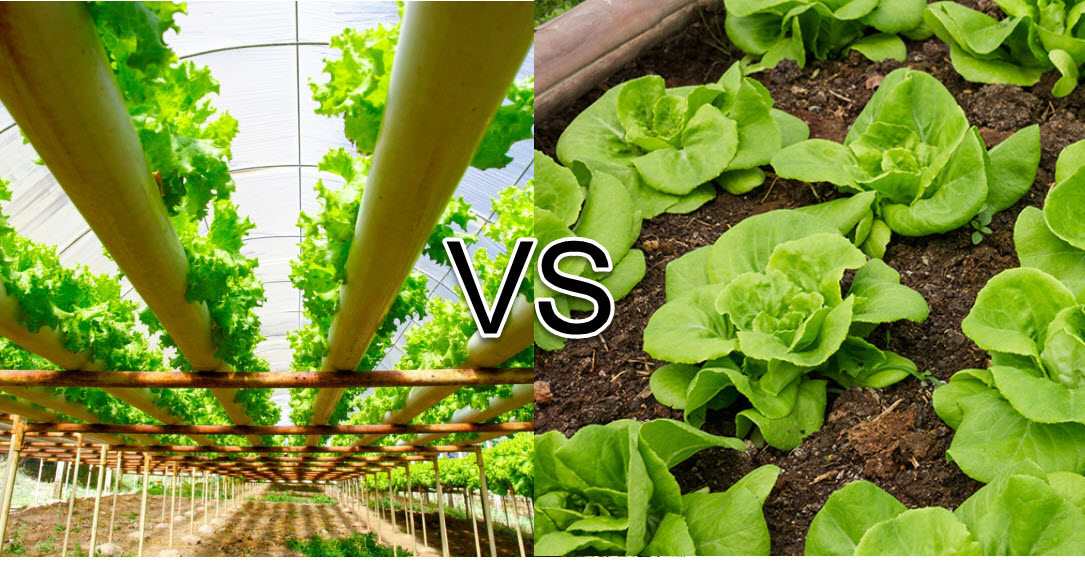
Hydroponics grows faster with less water; soil offers lower cost and flavor nuance.
I have run both systems for years, from a deep water culture tub on a patio to raised beds in clay soil. In this guide, I break down hydroponics vs soil gardening with clear data, simple steps, and real lessons. You will see what works, what fails, and why. By the end, you can pick the right path for your space, budget, and taste.

What Each Method Means
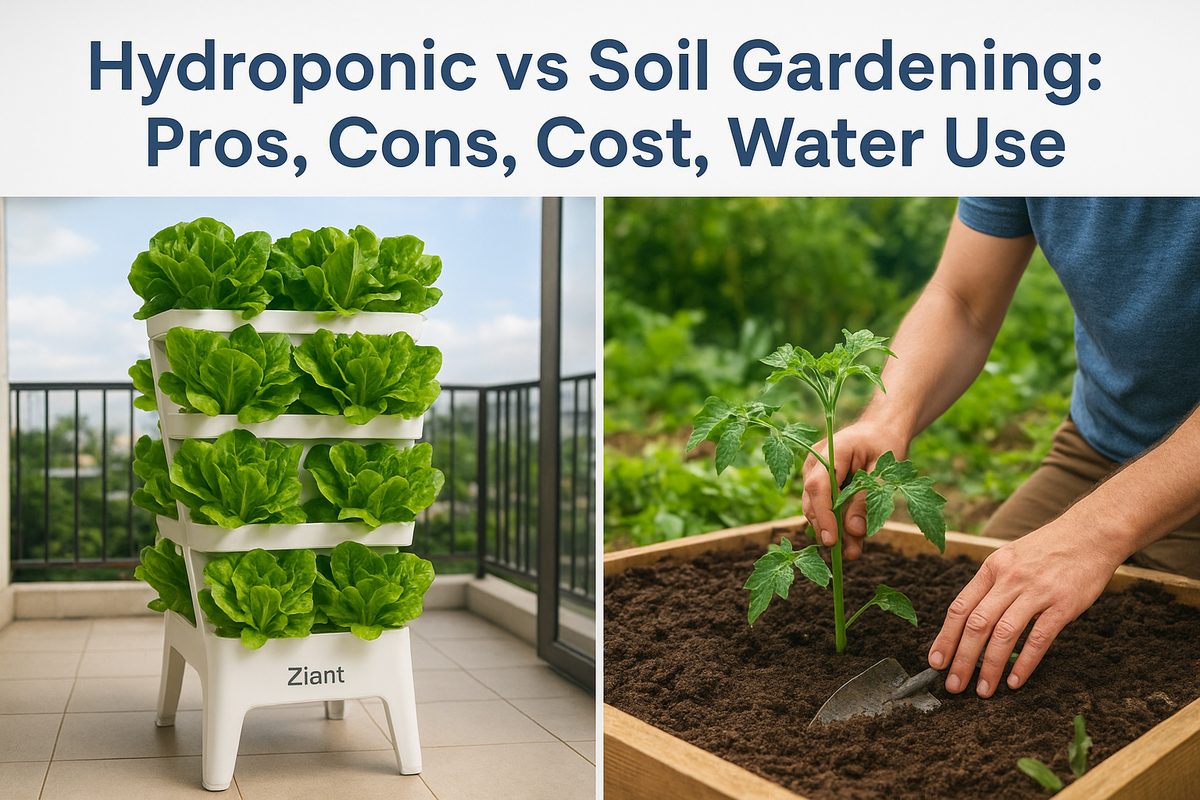
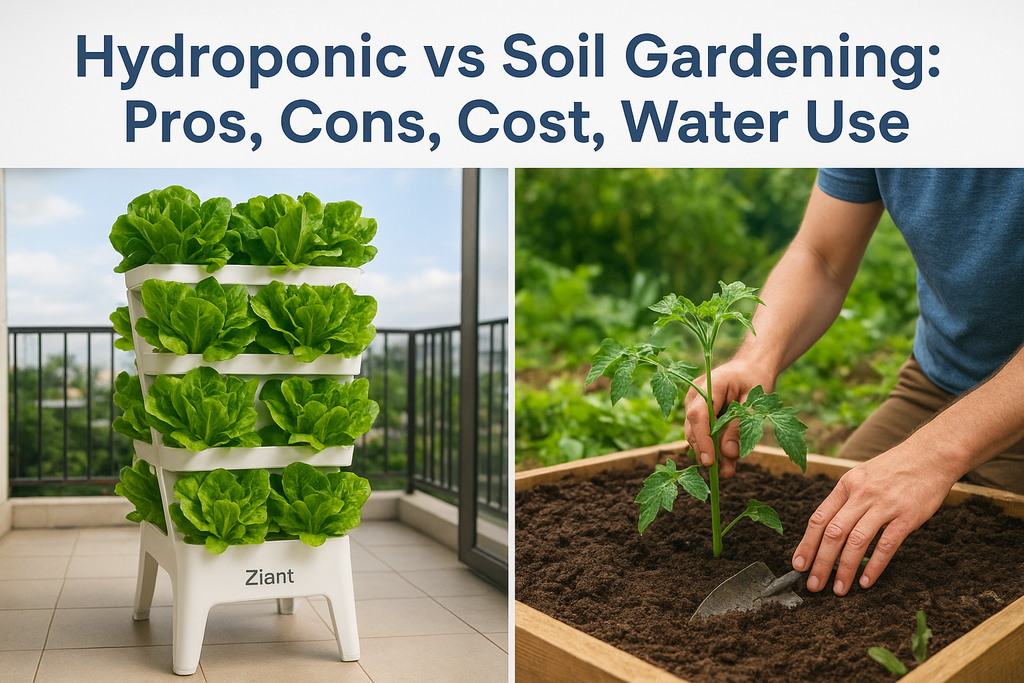
Hydroponics grows plants in water with dissolved nutrients. The roots sit in a solution. You control pH, EC, and airflow. Common systems include deep water culture, nutrient film technique, ebb and flow, drip, and aeroponics.
Soil gardening grows plants in earth or a soil mix. The medium has life. Microbes, fungi, and worms help feed the plant. You feed the soil. The soil feeds the plant.
Many growers mix methods. You can run coco or perlite as a soilless medium with liquid feeds. You can add compost tea to boost soil health. The best method fits your goals.
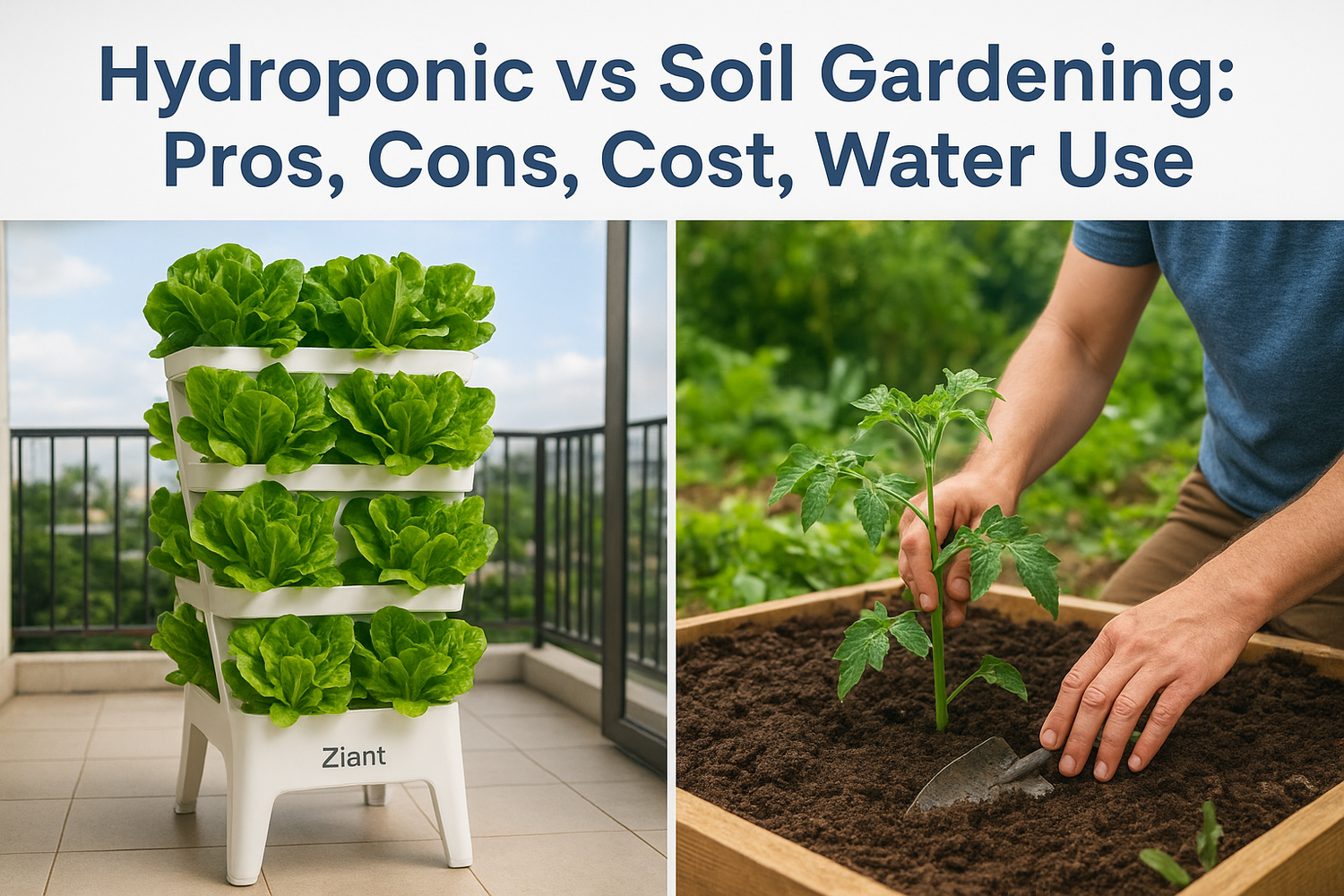
Hydroponics vs Soil Gardening: Key Differences
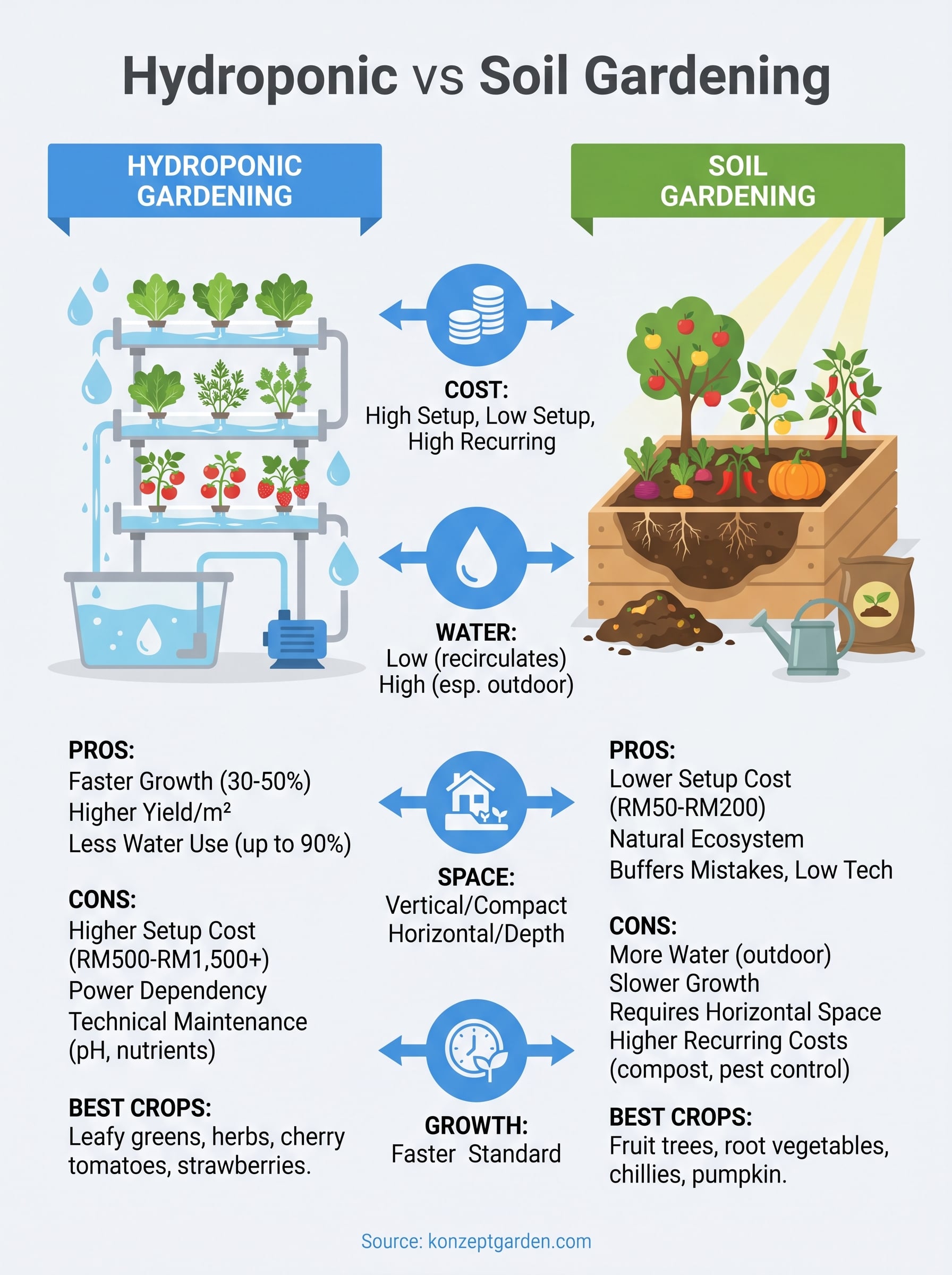
- Water use: Hydroponics can use 80 to 95 percent less water. Soil loses more to runoff and evaporation.
- Speed: Hydroponics often shows 20 to 30 percent faster growth. Control makes a big difference.
- Yield: Hydroponics can produce more per square foot. Dense planting is easy.
- Space: Hydroponics stacks well. Soil needs more area and depth.
- Cost: Soil is cheaper to start. Hydroponics needs gear and power.
- Skill: Hydroponics needs more monitoring. Soil forgives small mistakes.
- Pests: Hydroponics has fewer soil pests. But system failures spread fast.
- Taste: Soil can bring complex notes. Many swear by vine-ripened soil tomatoes.
- Climate: Hydroponics loves stable temps and light. Soil handles swings better.
- Sustainability: Hydroponics recycles water well. Soil can store carbon and build habitat.
Hydroponics vs soil gardening is not only a speed race. It is also about taste, time, and budget.

Pros and Cons of Hydroponics
Pros
- Fast growth and high yield in small spaces.
- Big water savings with recirculating systems.
- Clean and low mess. No till. Few weeds.
- Works indoors or in harsh climates.
- Precise control over nutrients and pH.
Cons
- Higher startup cost and power use.
- Systems can fail fast if pumps stop.
- More testing and logging to stay on track.
- Some crops are finicky outside their sweet spot.
- Taste can be great, but some find it less earthy.
Hydroponics vs soil gardening shines here in control and speed, but it asks for more care.
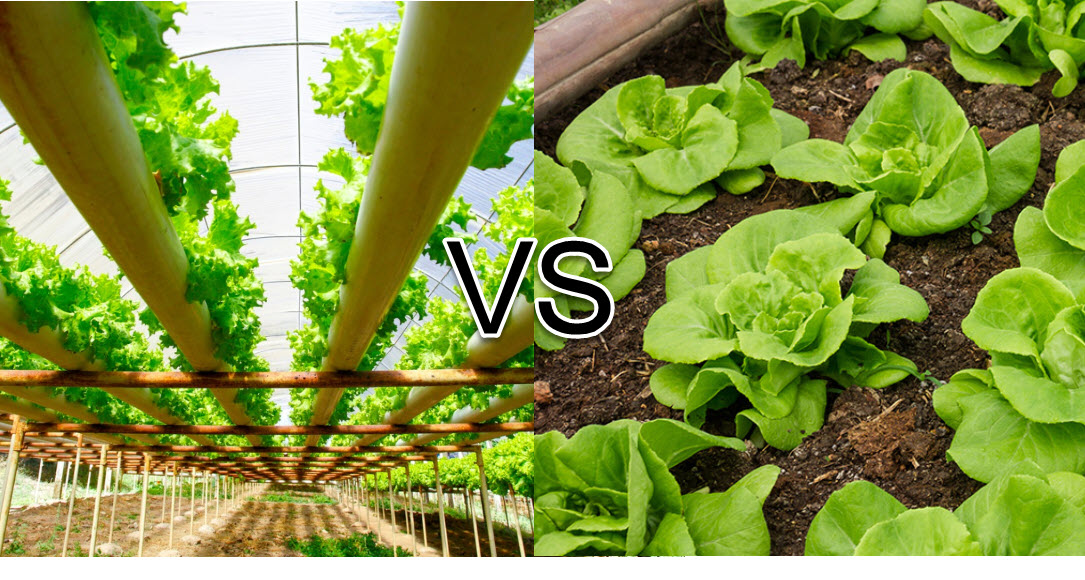
Pros and Cons of Soil Gardening
Pros
- Low cost to start. Tools are simple.
- Soil life helps with resilience and taste.
- Fewer parts to break. No pumps or timers.
- Wide crop choice with fewer limits.
- Builds local ecology and pollinator habitat.
Cons
- Slower growth and more space needed.
- Water use is higher without good mulch or drip.
- Soil pests and weeds are common.
- Yields can swing with weather.
- Heavy clay or sand needs work to improve.
Hydroponics vs soil gardening is a trade between control and ecology. Soil offers roots in a living world.
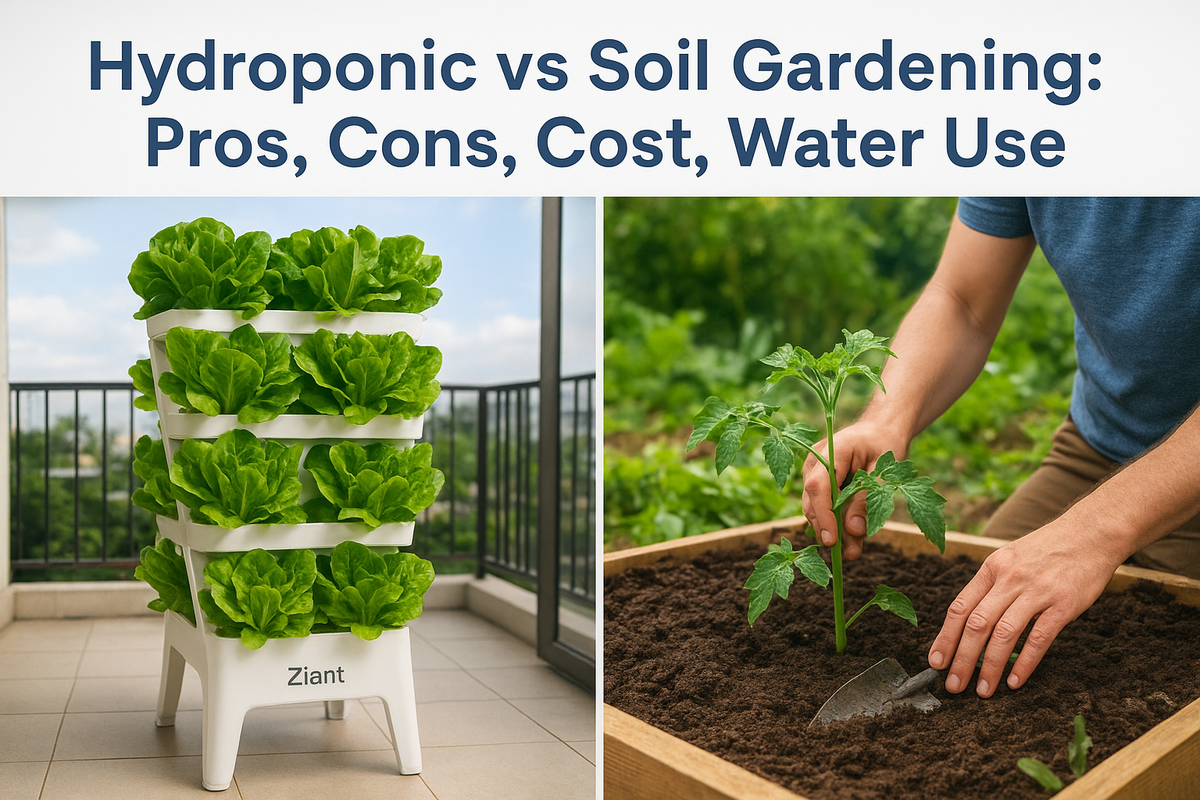
Cost Breakdown and ROI
Startup costs vary by scale and goals. Here is what I see in real builds.
- Simple soil bed: Wood bed, compost, and tools can be under 200 dollars. Add drip lines and a timer for about 60 dollars more.
- Small hydro kit: A 4-site deep water culture with air pump, stones, and nutrients runs 120 to 250 dollars. Add a meter for pH and EC for 60 to 120 dollars. Lights, if needed, add 150 to 400 dollars.
- Monthly costs: Hydro uses power for air and water pumps and lights. Soil uses more water unless you mulch and drip.
ROI depends on crop choice. Lettuce, basil, and microgreens pay back fast in hydroponics. Tomatoes, peppers, and squash do well in soil if you have space.
Hydroponics vs soil gardening can both pay off. The best ROI comes from steady harvests and low waste.
How To Get Started
Start With Hydroponics
- Pick a simple system. Deep water culture is great for beginners.
- Choose fast crops. Lettuce, basil, and bok choy are ideal.
- Use clean water. Aim for pH 5.8 to 6.2 and stable EC.
- Aerate well. Strong bubbles keep roots white and healthy.
- Keep a log. Track pH, EC, temp, and plant notes.
- Start small. Scale once you get a full cycle right.
Start With Soil Gardening
- Test your soil or start with a quality mix.
- Build beds 8 to 12 inches deep for roots.
- Add compost and mulch. Feed soil life.
- Use drip and a simple timer to cut water waste.
- Rotate crops and add flowers for pollinators.
- Start with easy wins. Radish, beans, and kale are great.
Hydroponics vs soil gardening both reward a slow start. Win small. Then grow big.
Maintenance and Troubleshooting
Common Mistakes
- Hydro: Letting pH drift or EC spike. Roots brown from low oxygen.
- Soil: Overwatering and compacted beds. Too much nitrogen and weak stems.
Quick Diagnostics
- Pale leaves in hydro: Check EC first, then pH and iron.
- Tip burn on lettuce: Drop EC and reduce light or heat stress.
- Wilting in soil: Probe for moisture before adding water.
- Slow growth in soil: Add compost and check sun hours.
My Field Notes
I lost a full hydro tub once when a pump failed overnight. A 10-dollar backup air pump now runs on a smart plug. In soil, slugs wiped my greens in spring. Copper tape and beer traps saved the next round. Hydroponics vs soil gardening teaches the same rule. Simple backups beat big fixes.

Yield, Taste, and Nutrition
Yield is clear. Hydroponics packs more plants in less space. Leafy greens can cycle in 30 days. Soil often needs more time and room, but large plants thrive there.
Taste is close. Hydro lettuce is crisp and clean. My soil tomatoes feel richer and sweet. Brix can rise with strong sun, good feeding, and right harvest time in both systems.
Nutrition comes down to variety, light, and harvest stage. You can hit top results in both. Focus on fresh, ripe, and diverse crops. That beats the method alone.
Hydroponics vs soil gardening both deliver good food. Your setup and care matter most.
Sustainability and Water Use
Hydro systems can cut water use by up to 90 percent. The loop captures runoff. That helps in dry regions and cities. Power use can rise if you add lights and cooling.
Soil shines in long-term soil health. Compost, cover crops, and mulch store carbon. Beds can host bees and butterflies. Drip lines and mulch still save a lot of water.
Hydroponics vs soil gardening both support greener goals. Choose based on your climate, power rates, and local water rules.
Which Is Right For You?
Choose hydroponics if:
- You have very little space or poor soil.
- You want fast greens all year.
- You enjoy data, meters, and tweaks.
Choose soil gardening if:
- You have yard space and sun.
- You want lower costs and simple tools.
- You value habitat and soil health.
You can also blend methods. Run hydro for greens. Grow fruiting crops in soil beds. Hydroponics vs soil gardening does not have to be a fight. It can be a team.
Real-Life Examples From My Garden
My balcony deep water culture grew four heads of lettuce every week. EC at 1.2 and pH at 5.9 kept tips clean. I learned to chill the tub with frozen bottles on hot days.
In the yard, my raised bed tomatoes beat hydro on flavor. I used compost, worm castings, and mulch. Drip lines cut my water bill by a third.
I made mistakes. I once fed full strength nutrients to seedlings in hydro. Burned them in a day. I once tilled wet soil and made bricks. I now start light, test small, and let the plants show me the pace. Hydroponics vs soil gardening will reward patience and notes.
Frequently Asked Questions of hydroponics vs soil gardening
Is hydroponics safer than soil for food?
Both are safe when done right. Keep hydro gear clean and change solutions on schedule. In soil, avoid polluted sites and wash produce well.
Do hydroponic plants taste bland?
Not by default. Taste depends on light, variety, and harvest time. Dial your feed and let fruit ripen on the plant.
What crops are best for hydroponics vs soil gardening?
Hydro loves leafy greens, herbs, and small fruit like strawberries. Soil shines with tomatoes, peppers, squash, and root crops.
How often should I test pH and EC in hydroponics?
Check daily at first, then every other day once stable. Log changes and adjust in small steps.
Can I switch from soil to hydro mid-season?
It is hard on roots. Better to start new plants in the target system. You can clone or start seeds for a clean move.
Which method is cheaper long term?
Soil is cheaper to start and run. Hydro can pay off with high yields, but it uses power and parts that wear out.
Does hydroponics use less water than soil?
Yes, often much less. Recirculating systems save water that soil would lose to runoff and evaporation.
Conclusion
You now know where each method wins. Hydroponics brings speed, control, and big yields in tight spaces. Soil gardening brings low cost, rich flavor, and living systems that last. Your best choice fits your goals, time, and place.
Start small. Pick one bed or one tub. Track what you do. Adjust with simple steps. Hydroponics vs soil gardening is not a one-time call. It is a path you can refine.
Want more tips like this? Subscribe for weekly how-tos, gear checks, and crop guides. Share your setup or questions in the comments, and let’s grow smarter together.