Raised Bed Vs In Ground Garden: Best Choice For Your Yard
Raised beds warm faster, drain better, and give control; in ground costs less and fits large spaces.
I’ve spent over a decade gardening in both setups, testing soil mixes, drainage tricks, and crop rotations. This guide compares raised bed vs in ground garden with clear pros, cons, and practical tips so you can pick the best fit for your site, budget, and goals.

Why compare raised bed vs in ground garden
Choosing between raised bed vs in ground garden shapes your harvest, your time, and your expenses. The two approaches differ in soil control, drainage, warming, pest exposure, and long-term maintenance. I’ll walk you through each difference and share real steps I used to fix common problems in both systems.
Raised bed vs in ground garden matters most when you have poor soil, a short season, or limited space. It also matters when you want low work or high yield. By the end you’ll know which choice fits your yard, skills, and plants.
Key differences at a glance
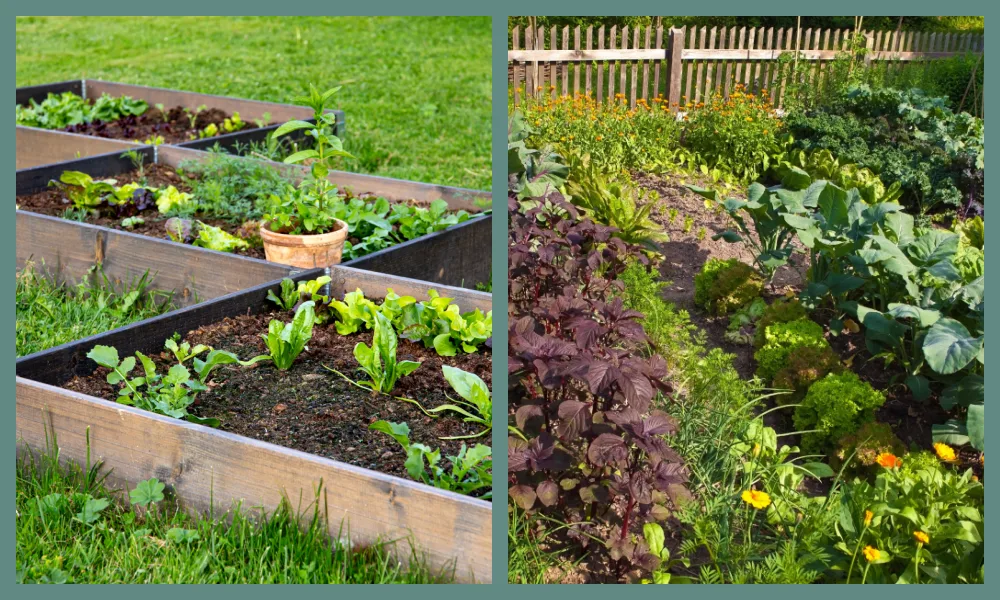
Here are the main contrasts when you compare raised bed vs in ground garden.
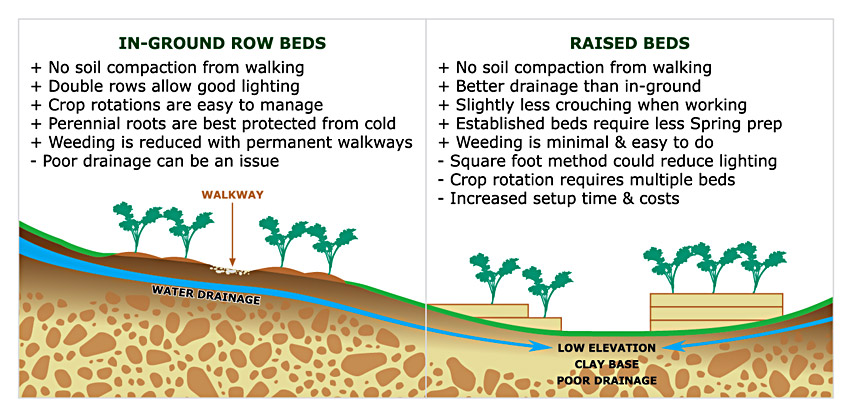
- Soil control: Raised beds let you build ideal soil. In ground uses native soil that may need big changes.
- Drainage and warming: Raised beds warm sooner and drain fast. In ground stays cooler and holds moisture.
- Cost and labor: Raised beds cost more up front and save work later. In ground costs less to start but may need more soil work.
- Root depth and crop choice: In ground allows deeper roots for some crops. Raised beds can limit root depth unless they are deep.
- Maintenance: Raised beds need filling and occasional rebuilds. In ground needs more tilling and soil amendments.

Benefits of a raised bed
Raised beds shine for many gardeners. Here’s why I use them often.
- Faster spring start: Soil in raised beds warms earlier. This up-shifts planting dates by weeks in cool climates.
- Better drainage: I had fewer root rots after switching to raised beds on a clay lot.
- Weed control: The defined edges make weed management easier. A good layer of compost keeps weeds down.
- Soil control and fertility: You can build a light, loamy mix high in organic matter.
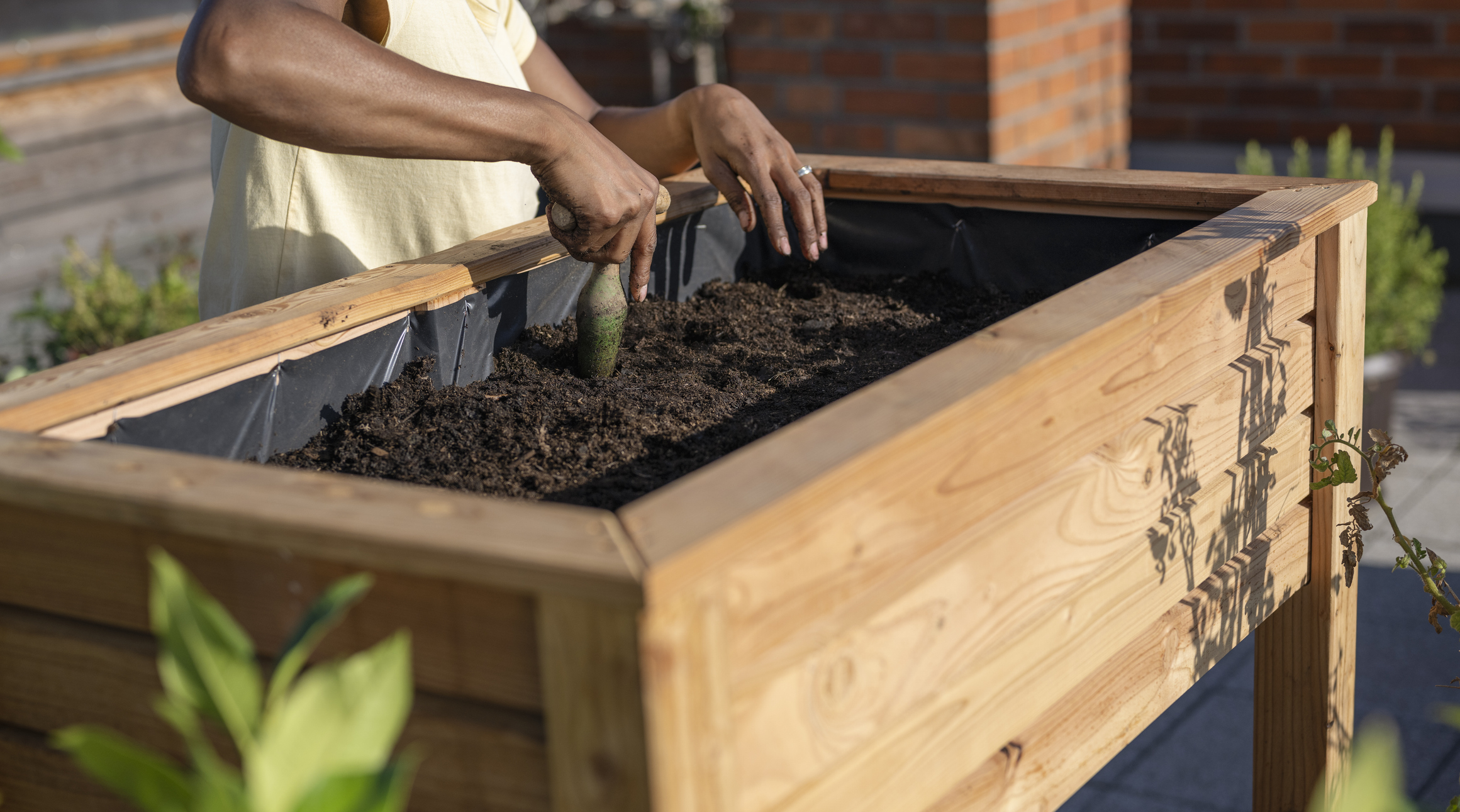
- Accessibility: Raised beds can be built at waist height for less bending and easier harvesting.
Examples from my experience:
I built three 12-by-4 beds on a compact suburban lot. The beds produced leafy greens six weeks earlier than the nearby in-ground plot. I also had less slug damage in spring because the beds dried faster.
Benefits of an in ground garden
An in ground garden also has strong advantages. Many growers prefer it for these reasons.
- Lower startup cost: You plant directly in the yard without framing or buying mix.
- Root freedom: Deep-rooted crops like parsnips and fruit trees thrive without depth limits.
- Large-scale growing: For big plots, in ground is easier and cheaper.
- Natural soil life: Native soil often has a larger, established ecology of microbes and worms.
- Long-term permanence: No lumber to rot or beds to rebuild over years.
My note: On a rural site with rich loam, I got higher yields for root crops in ground than in raised beds of the same width.
Soil, drainage, and water management
Soil and water drive plant health in both systems. Here’s how they compare and how to manage each.
Raised bed vs in ground garden differences:
- Raised beds let you create loam-rich mixes. Use 50 percent compost with screened topsoil for many veggies.
- In ground requires testing. If the soil is heavy clay or sand, amend with compost and gypsum as needed.
- Drainage: Raised beds improve drainage. For very sandy or very wet sites, built beds often solve issues faster.
- Water retention: Add mulch and compost to raised beds to hold moisture. In ground may need more frequent top-dressing.
Practical steps:
Test pH and nutrients first. Add compost yearly. Use drip irrigation for both systems to save water and reduce disease.
Pests, diseases, and weeds
Pest and disease pressure shifts between raised bed vs in ground garden. Know what to expect.
- Raised beds can reduce slug and vole issues in some areas. They also make row covers and barriers easier to install.
- In ground gardens may host more soil-borne diseases if the area is poorly drained or has a history of problems.
- Weeds: Raised beds reduce weed seed load if you use clean soil and a weed barrier. In ground needs regular weed control and solarization in tough spots.
- Crop rotation: Practice rotation in both systems to lower disease build-up.
From my experience:
A bed that gets new soil each year had far less blight after rotating tomatoes. In ground plots on a compacted lot needed deep digging and cover crops to restore health.
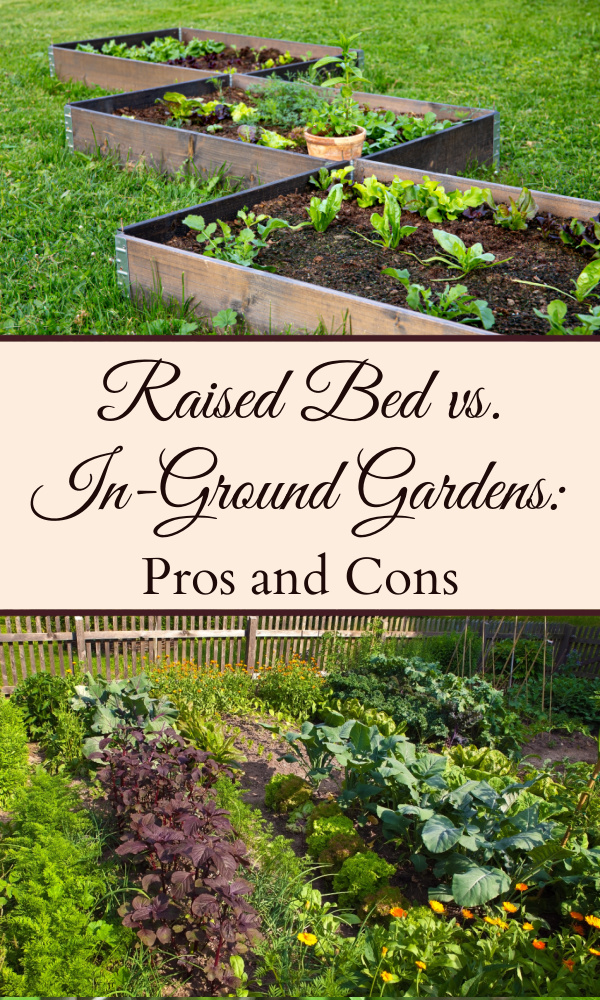
Cost, time, and labor comparison
Budget and time affect the raised bed vs in ground garden choice. Here’s a clear look.
- Startup cost: Raised beds cost for frames, soil, and hardware. In ground costs mainly tools and amendments.
- Ongoing labor: Raised beds often cut weeding time and soil prep. In ground requires more annual tillage and soil work.
- Longevity: Quality raised beds last 5 to 15 years depending on materials. In ground is indefinite but requires steady soil care.
Tips to save money:
Use reclaimed wood or concrete blocks. Mix your own soil from local compost and screened topsoil. For large plots, improve existing soil rather than building many beds.

Design, layout, and plant choices
Plan layout with sun, access, and crops in mind. Design differs for raised bed vs in ground garden.
- Raised beds work well in small yards and patios. Use paths 18 to 24 inches wide for harvest and wheelbarrow access.
- In ground fits larger rows, mixed beds, and tree crops. Allow wider spaces for machinery or long crop rotations.
- Plant choices: Grow shallow-rooted crops and dense plantings in raised beds. Reserve in ground for deep roots and permanent plantings.
My rule of thumb:
If you want quick harvests, pick raised beds for herbs, lettuce, and peppers. Use in ground for squash, melons, and root vegetables that need depth.
Building and soil recipes for raised beds
If you choose raised bed vs in ground garden, here are practical build notes and mixes.
- Bed depth: Aim for 12 to 18 inches for most vegetables. Use 24+ inches for carrots and potatoes.
- Materials: Use untreated cedar, stone, brick, or blocks. Avoid treated wood that can leach into soil.
- Soil mix: Blend 40 percent screened topsoil, 40 percent compost, 20 percent coarse sand or perlite for drainage. Adjust by region and crop.
- Layering: Start with a weed barrier in problem spots. Add compost top dressing each season.
I learned to fill beds in layers and to avoid heavy peat. The beds that get annual composted manure stay productive without replacing all the soil.
Maintenance tips and common mistakes
Simple care beats work and prevents mistakes with both systems.
- Mistake: Overfilling beds with poor soil. Fix: Test and amend gradually.
- Mistake: Planting too densely. Fix: Follow spacing guides and thin seedlings.
- Watering: Use drip lines for even water. Mulch to reduce loss.
- Season extension: Use cold frames and row covers on raised beds to gain weeks of harvest.
From my trials:
I once planted a deep-root crop in shallow beds and got stunted roots. Lesson learned: match crop to root depth.
Quick practical questions (PAA-style)
Does a raised bed yield more than an in ground garden?
Raised beds often give higher yields per square foot because soil is richer and more controlled. However, total yield depends on bed depth, soil quality, and care.
Can I grow root crops in raised beds instead of in ground?
Yes, if the raised bed is deep enough (18 to 24 inches). For very long roots, an in ground row may still be best.
Which is better for small yards, raised bed or in ground?
Raised bed is usually better for small yards. It saves space, improves soil, and creates tidy growing zones.
Frequently Asked Questions of raised bed vs in ground garden
What are the biggest pros of raised beds over in ground gardens?
Raised beds give faster warming, superior drainage, and easier soil control. They also reduce bending and make pest barriers easier to install.
Do in ground gardens cost less than raised beds?
Yes, in ground gardens usually cost less up front because you avoid building frames and buying large soil volumes. Long-term costs depend on soil amendments and maintenance.
How deep should a raised bed be compared to in ground planting?
Raised beds should be at least 12 inches deep for most vegetables and 18 to 24 inches for deep roots. In ground depth varies by existing soil but often allows much deeper rooting.
Are raised beds better for preventing weeds and pests?
Raised beds can reduce weed pressure and make pest control easier, but they are not immune. Clean soil and barriers help, while in ground benefits from a larger native soil ecology.
Can I convert an in ground garden to raised beds?
Yes. You can frame beds over existing soil or remove topsoil and build up. Add compost and adjust drainage to match your crops.
Conclusion
Both raised bed vs in ground garden have clear strengths. Raised beds win for speed, soil control, and small spaces. In ground wins for low startup cost, deep roots, and large-scale growing. Evaluate your soil, sun, budget, and the crops you love. Try a small raised bed and a small in-ground row to compare results on your site. Start small, track what works, and scale the approach that fits your life and goals. Share your results, subscribe for more tips, or leave a comment with your questions.