Soaker Hose Vs Drip Irrigation: Best Choice For Gardens
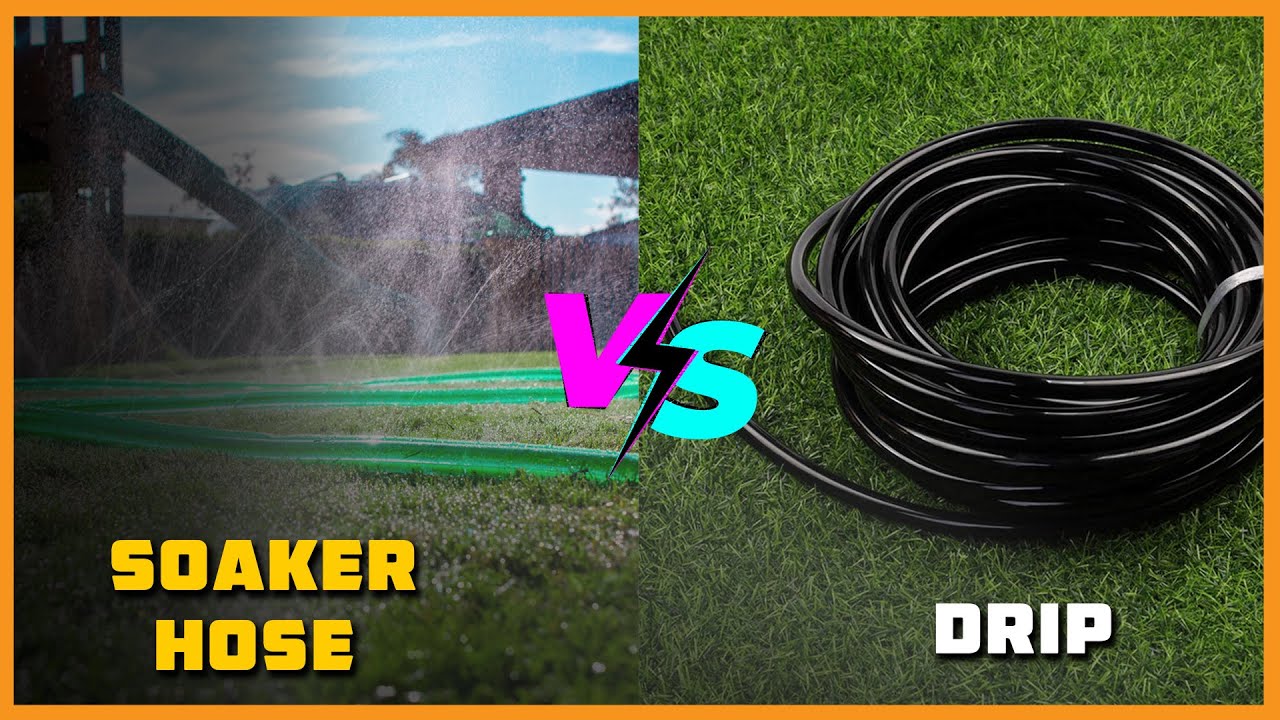
Soaker hose vs drip irrigation: Drip wins for precision; soaker hose wins for cheap, simple coverage.
I have designed and installed irrigation systems for gardens and small farms for years. I know the strengths and limits of soaker hose vs drip irrigation and will walk you through clear, practical guidance. This article explains how each system works, where each shines, cost and maintenance trade-offs, and real tips from hands-on experience so you can choose the right system for your garden.
:strip_icc()/BHG-Drip-Irrigation-vs.-Soaker-Hose_185280890-_100654813-b41cdb98b91043039e2fd76aaf96c7c0.jpg)
Overview: what each system is and how they work
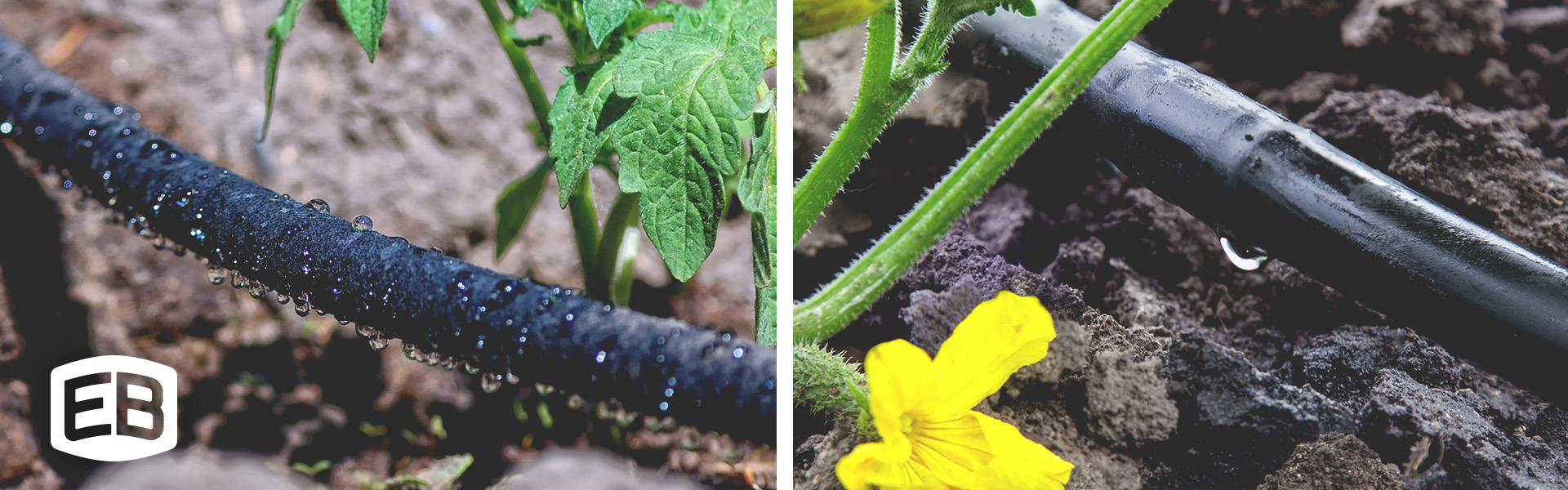
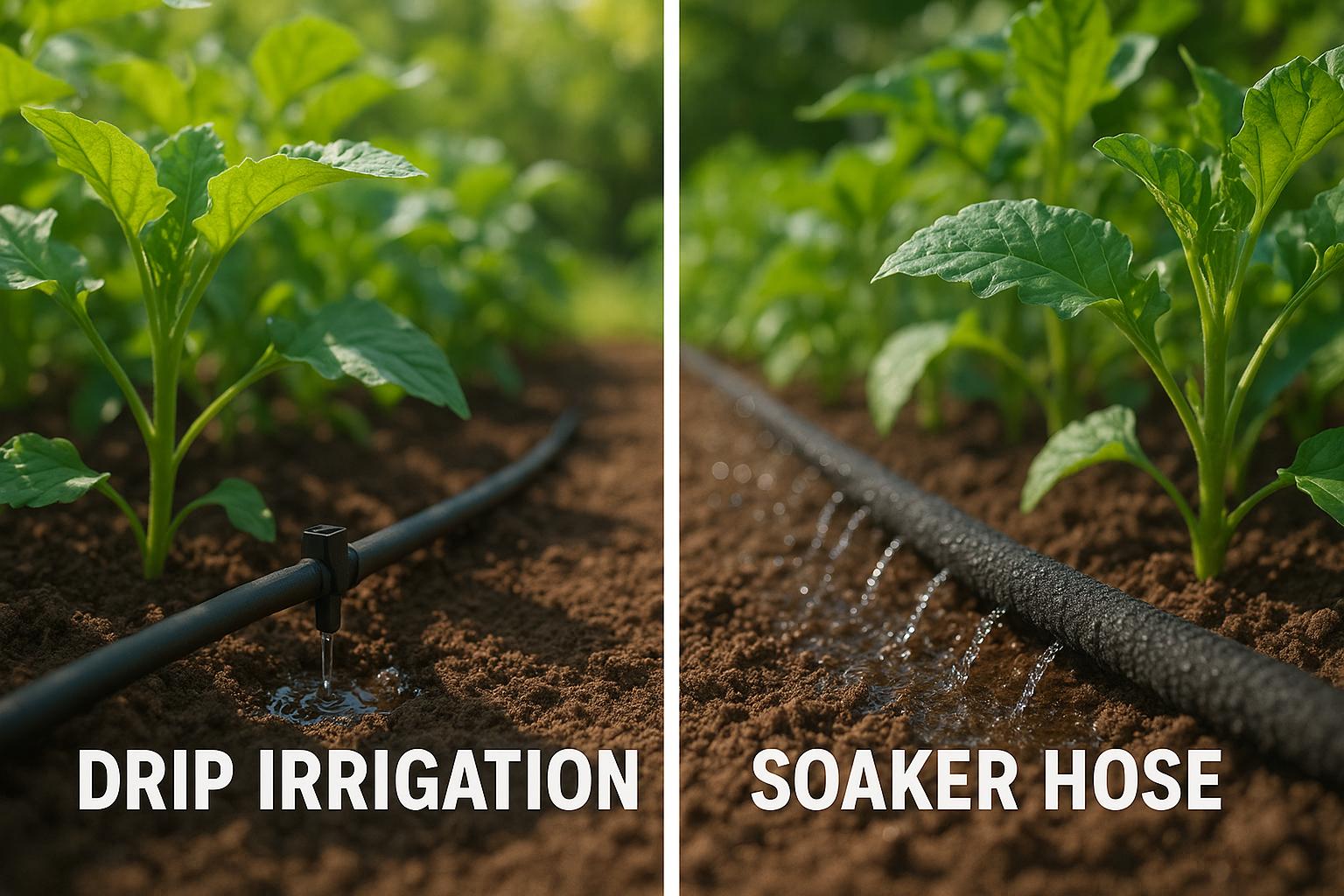
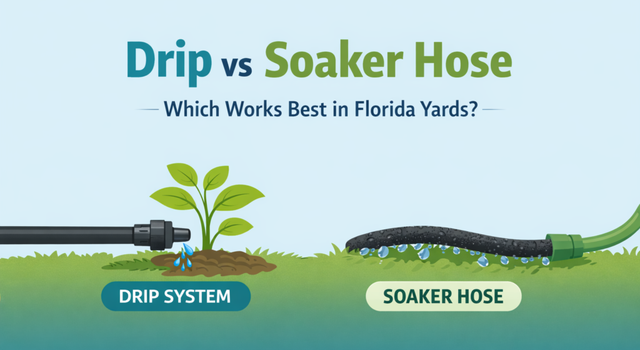
A soaker hose is a porous rubber hose that seeps water along its length. It lays on the surface or slightly buried and wets a wide strip of soil. A drip irrigation system uses tubing, emitters, and fittings to deliver individual drips or micro-sprays to plant roots. Emitters can be pressure-compensating and adjustable to match plant needs. Both aim to reduce water waste compared with overhead watering by delivering water near the roots. Choosing between soaker hose vs drip irrigation depends on plant spacing, budget, and long-term goals.
Key differences at a glance
- Coverage and layout
- Soaker hose waters a continuous line. It is good for rows and dense plantings.
- Drip irrigation targets points. It fits beds, containers, and irregular layouts.
- Water use and efficiency
- Both conserve water versus sprinklers. Drip irrigation tends to be more efficient when emitters match plant needs.
- Pressure and flow
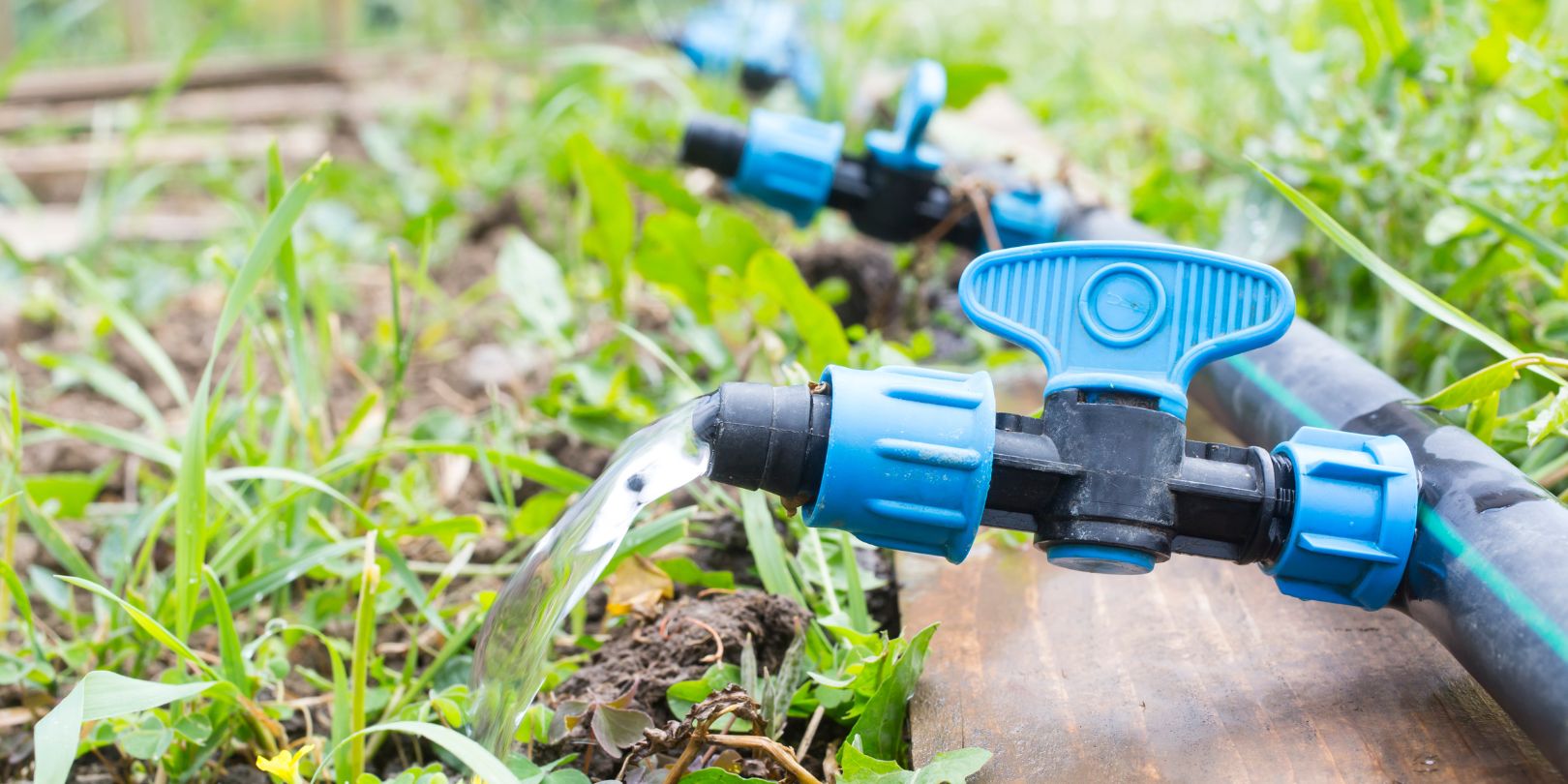
- Soaker hoses need low pressure and often require a pressure regulator. Drip systems work across a wider pressure range with the right parts.
- Flexibility and expandability
- Drip systems scale and adapt easier with later additions. Soaker hose is simpler but less modular.
- Maintenance and durability
- Soaker hoses can clog where sediment or roots build. Drip systems allow individual emitter replacement and filtration options.
If you compare soaker hose vs drip irrigation, the decision often comes down to layout and precision needs.

Performance: water delivery, uniformity, and plant types
Soaker hoses wet a band of soil. This is ideal for row crops, hedges, and lawns. They are less precise for plants spaced unevenly. Drip irrigation places water at specific root zones. This is great for vegetables in raised beds, shrubs, fruit trees, and container groups. Pressure-compensating drip emitters give steady output even on sloped sites. For clay soils, slower drip delivery avoids runoff. For sandy soils, more frequent short cycles work best. In short, match delivery style to soil and plant type when weighing soaker hose vs drip irrigation.
Cost, installation, and running expenses
- Initial cost
- Soaker hose is low cost and often sold by the foot. It is easy to install by hand.
- Drip systems cost more up-front for tubing, fittings, filters, and timers.
- Installation time and skill
- Soaker hose installs fast. No special fittings are required.
- Drip systems take planning and time but offer cleaner layout and control.
- Operating cost
- Water savings are usually higher with drip when emitters are tuned. Reduced plant stress can mean higher yields.
- Lifespan and replacement
- Soaker hoses may need replacement sooner if left exposed to sun and abrasion.
- Drip tubing and emitters last longer if UV-resistant parts are used and the system is winterized.
When comparing soaker hose vs drip irrigation, factor in time, labor, and future garden changes, not just sticker price.
How to choose: scenarios and practical tips
- Choose soaker hose if:
- You have long, even rows or a simple hedge.
- You want a cheap, quick setup.
- You prefer low-tech maintenance and seasonal use.
- Choose drip irrigation if:
- You have mixed plant spacing or containers.
- You need precise water control for vegetables or fruit trees.
- You plan to automate with timers and sensors.
- Hybrid approach
- Combine both systems: use drip emitters for individual plants and soaker lines for mulch-matted rows.
- Common mistakes to avoid
- Running soaker hoses at high pressure, which causes uneven seepage.
- Skipping a filter for drip systems, inviting clogs.
- Not testing coverage before burying or mulching.
People often ask whether a soaker hose or drip irrigation will save more water. Both reduce waste versus sprinklers, but drip systems typically deliver the best long-term efficiency when installed correctly. Another common concern is complexity; a small drip system with a simple timer is often as easy to use as a soaker hose once set up.

Personal experience and lessons learned
I installed a backyard drip system for a family garden and later added soaker lines for a long herb row. The drip section cut our water use and reduced tomato stress in hot weeks. The soaker hose was fast to lay but starved nearby shrubs because seams of soil were wetter than target roots. Key lessons:
- Always run a pressure test before final installation.
- Use a filter on drip systems; a cheap filter saved many clogged emitters.
- Mark lines and keep a simple map. I used photos and a diagram to avoid digging into tubing later.
- Winterize both systems to avoid freeze damage; draining saved a lot of headaches.
These hands-on tips help bridge theory with real work. In my work, the phrase soaker hose vs drip irrigation kept coming up, and hybrids often gave the best balance of cost and precision.
Frequently Asked Questions of soaker hose vs drip irrigation
What are the main advantages of a soaker hose over a drip system?
Soaker hoses are cheaper and faster to install for long, even rows. They provide broad wetting that suits hedges and groundcover.
Is drip irrigation better for vegetable gardens?
Yes. Drip irrigation gives precise water to each plant, which improves yields and reduces leaf disease for vegetables.
Will a soaker hose clog more than drip emitters?
Soaker hoses can clog where sediment collects, while drip systems are easier to clean with filters and replaceable emitters; both benefit from filtration.
Can I run both systems together?
You can mix systems. Use drip for individual plants and soaker lines for long beds. Plan valves and pressure regulation to match parts.
How much water will I save with drip vs soaker hose?
Savings vary, but both save substantially versus sprinklers. Drip systems usually yield the highest savings if emitters are matched to plant needs.
Do I need a timer for either system?
Timers are recommended for consistent watering with both systems. They make it easy to run short, frequent cycles, which is especially useful with drip in sandy soils.
Conclusion
You now have a clear, practical view of soaker hose vs drip irrigation. Choose a soaker hose for low cost and simple row watering. Pick drip irrigation for control, efficiency, and mixed plantings. Consider a hybrid if your garden has varied needs. Start small, map your layout, and plan for filters and pressure control. Try a short test run and adjust before committing to permanent placement. If this helped, leave a comment with your garden type or subscribe for more hands-on irrigation tips.