Privet Hedge Vs Boxwood Hedge: Which Is Better?
Privet offers fast, dense screens; boxwood gives slow, tidy, long-lived formal hedges.
I have worked with both privet hedge vs boxwood hedge for years in gardens and client yards. I will walk you through real differences, care steps, problems to watch for, and the best uses for each. This guide blends hands-on experience, practical tips, and clear comparisons so you can choose the right hedge for your yard.
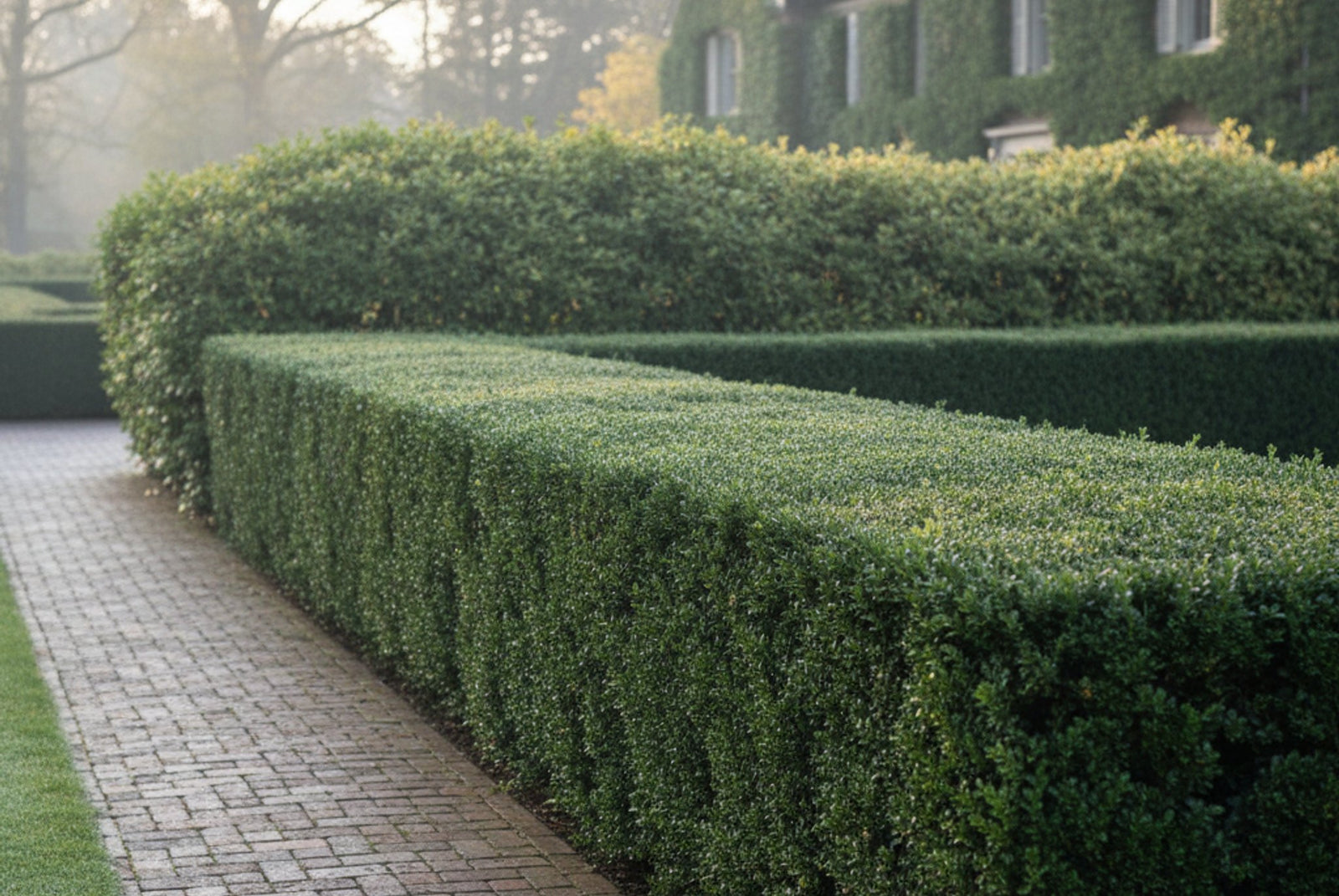
Quick comparison at a glance
- Growth speed: Privet grows fast. Boxwood grows slowly.
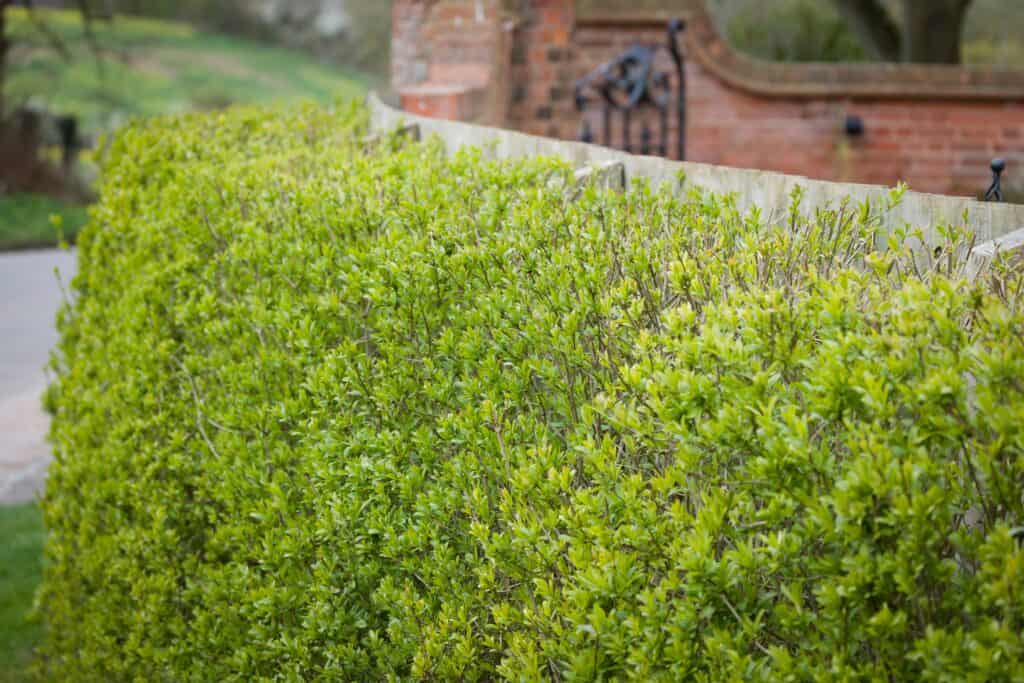
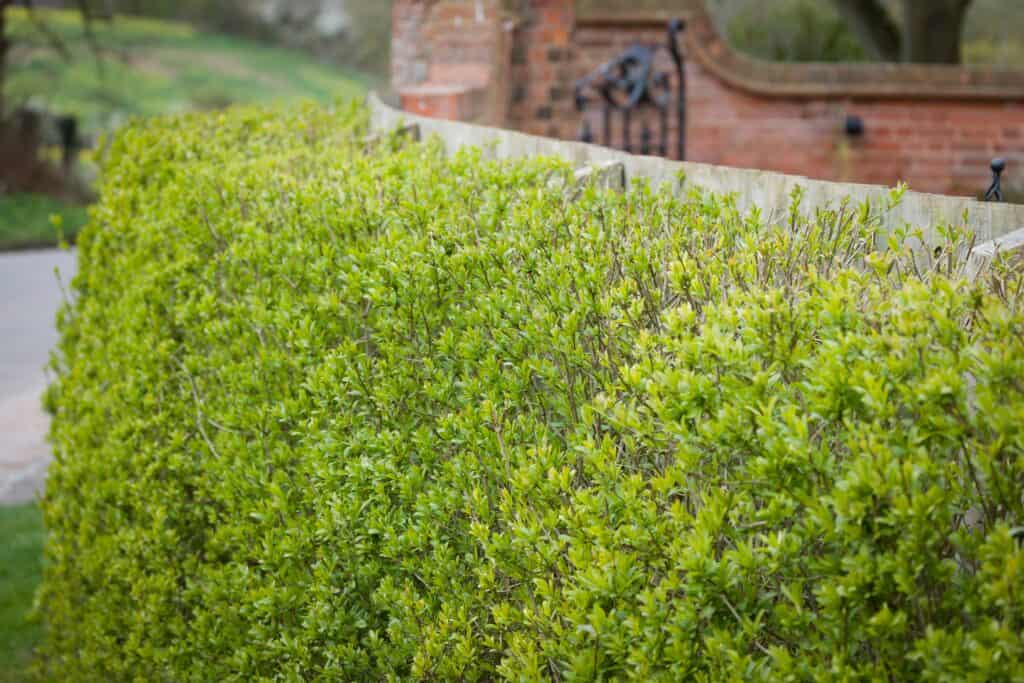
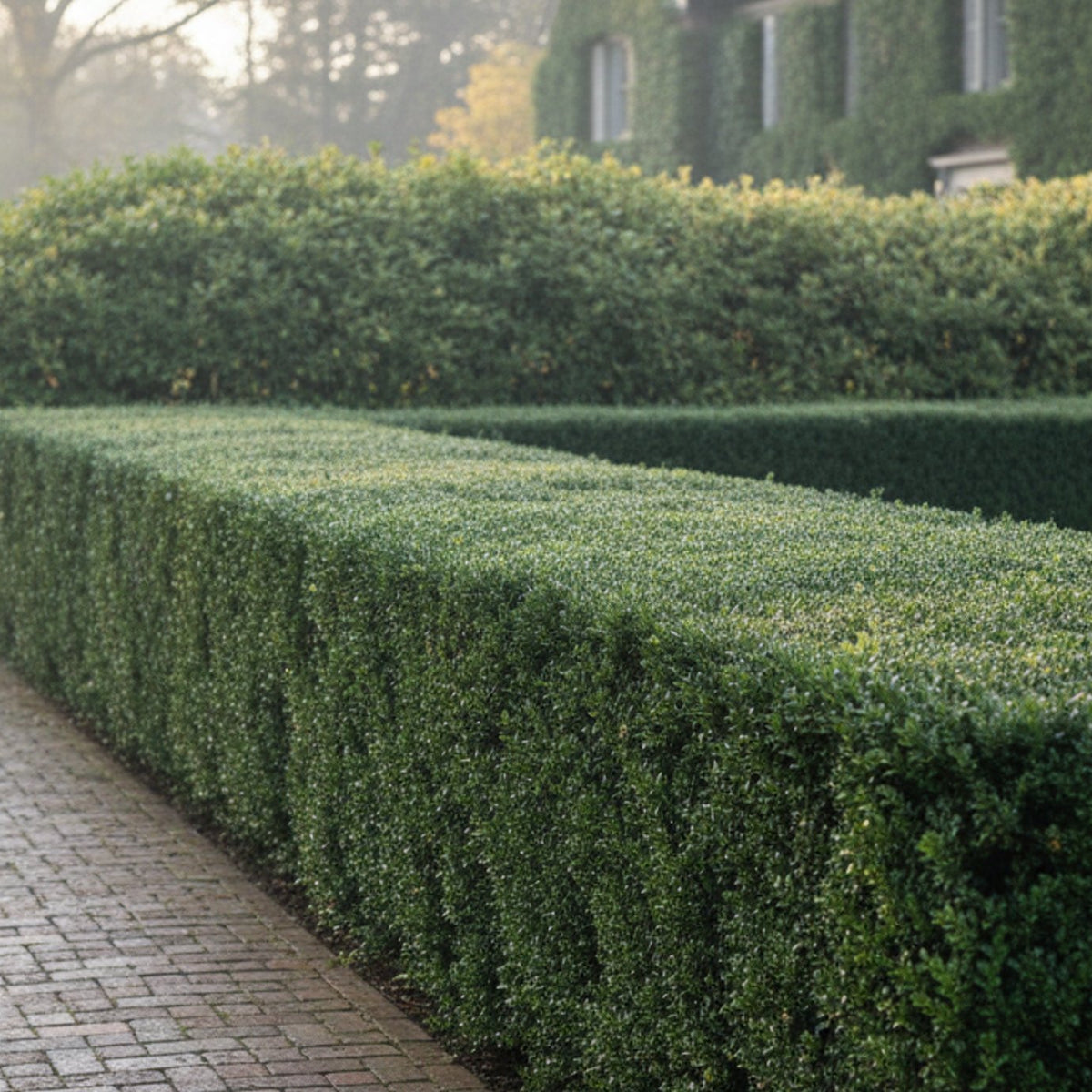
- Form: Privet makes a loose, tall screen. Boxwood makes a neat, formal wall.
- Maintenance: Privet needs more frequent pruning early. Boxwood needs light, regular shaping.
- Hardiness and pests: Privet tolerates many soils but can be invasive. Boxwood resists cold but faces blight and leafminer.
- Best use: Privet for quick privacy and informal hedges. Boxwood for formal edges, topiary, and classic foundation plantings.
What are privet and boxwood?
Privet refers to shrubs in the Ligustrum group. They are often called privet hedge when used in rows. Privet hedge vs boxwood hedge pits a fast, tolerant plant against a slow, refined one.
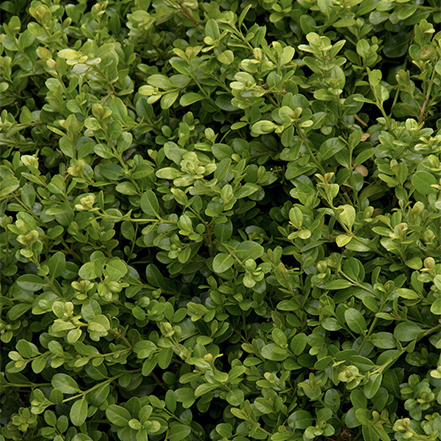
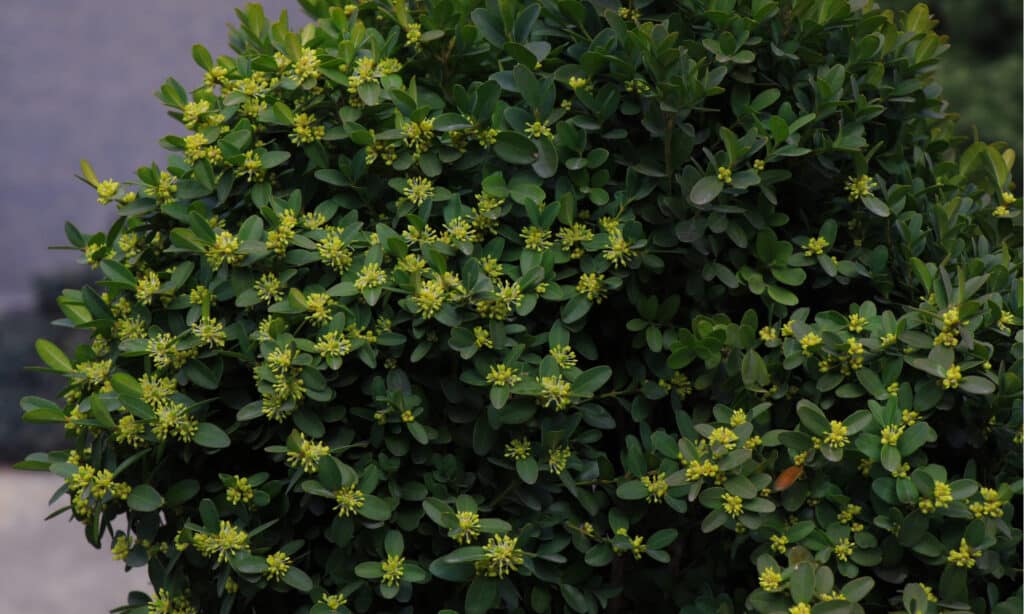
Boxwood refers to Buxus species. Boxwood is prized for dense, small leaves and neat growth. Boxwood hedges are common in traditional gardens and parterres.
I have planted both in clay, sand, and loam. Privet handled poor soil better. Boxwood needed richer soil and steady moisture. These real results help explain why gardeners choose one over the other.
Growth habits, size, and lifespan
- Privet hedge vs boxwood hedge: growth rate
- Privet can grow 1 to 3 feet per year, depending on type.
- Boxwood usually grows 2 to 6 inches per year.
- Height and spread
- Privet often reaches 6 to 15 feet tall if left alone.
- Boxwood commonly stays 1 to 8 feet tall based on variety.
- Lifespan
- Privet lives 15 to 30 years in many gardens.
- Boxwood can live 50 years or more with good care.
These traits matter. If you want a quick screen, choose privet. If you want a legacy planting you will shape for decades, choose boxwood.
Landscaping uses and aesthetics
- Privacy screens and windbreaks
- Privet hedge vs boxwood hedge: privet wins for quick privacy. Its rapid growth hides fences fast.
- Formal borders and parterres
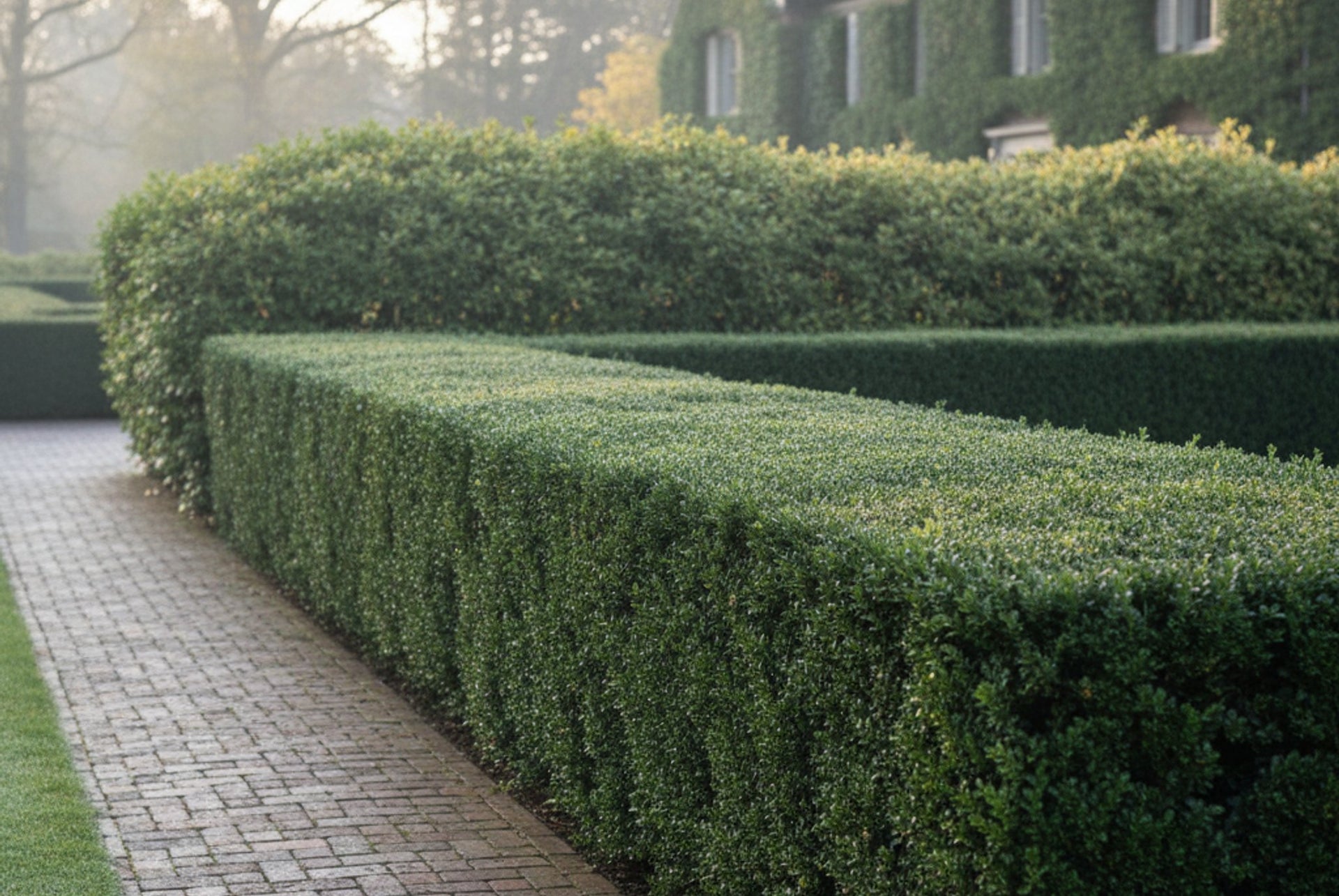
- Boxwood is ideal. Its compact leaves take crisp shapes for paths and beds.
- Topiary and trained forms
- Boxwood is the classic choice for topiary. Privet can be trained, but leaves are larger and less refined.
- Mixed hedges
- Use privet as a background screen and boxwood for the front edge. This gives speed and form.
In my work, I often plant a fast privet row behind a low boxwood edge. It combines fast cover with polished curb appeal.
Planting, soil, sun, and watering
- Light needs
- Privet grows well in full sun to part shade.
- Boxwood prefers part shade but tolerates sun in cooler climates.
- Soil and drainage
- Privet tolerates a wider range of soils and pH.
- Boxwood needs well-drained, fertile soil. Poor drainage leads to root rot.
- Spacing and planting
- For a dense privet hedge, plant 2 to 4 feet apart depending on variety.
- For boxwood hedging, space 1 to 3 feet apart for compact varieties, farther for larger types.
- Water and mulch
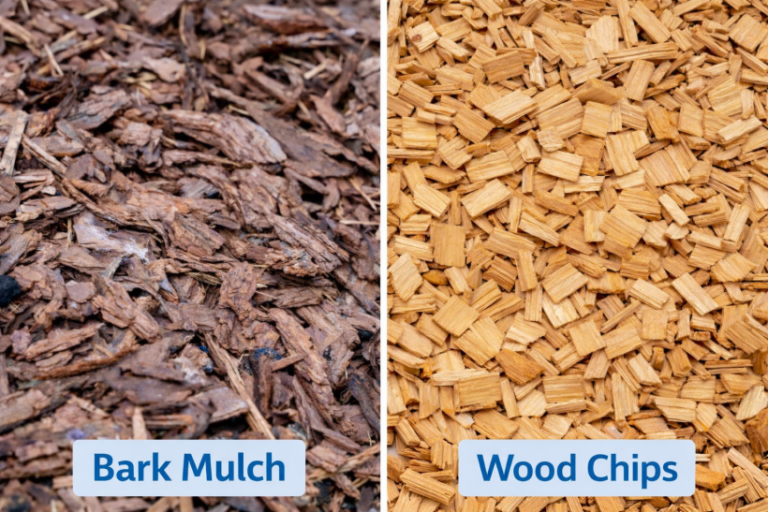
- Both need regular water until established. Mulch helps keep roots cool and moist.
Tip from experience: water deeply once a week in dry spells. Shallow, frequent watering weakens roots and invites disease in boxwood.
Pruning, shaping, and timing
- Pruning frequency
- Privet hedge vs boxwood hedge: privet needs quicker shaping, especially the first 3 years.
- Boxwood responds well to light, regular trims.
- Best timing
- Prune privet after spring flush or mid-summer for size control.
- Trim boxwood late spring to summer for neat edges. Avoid heavy cuts in late fall.
- Tools and methods
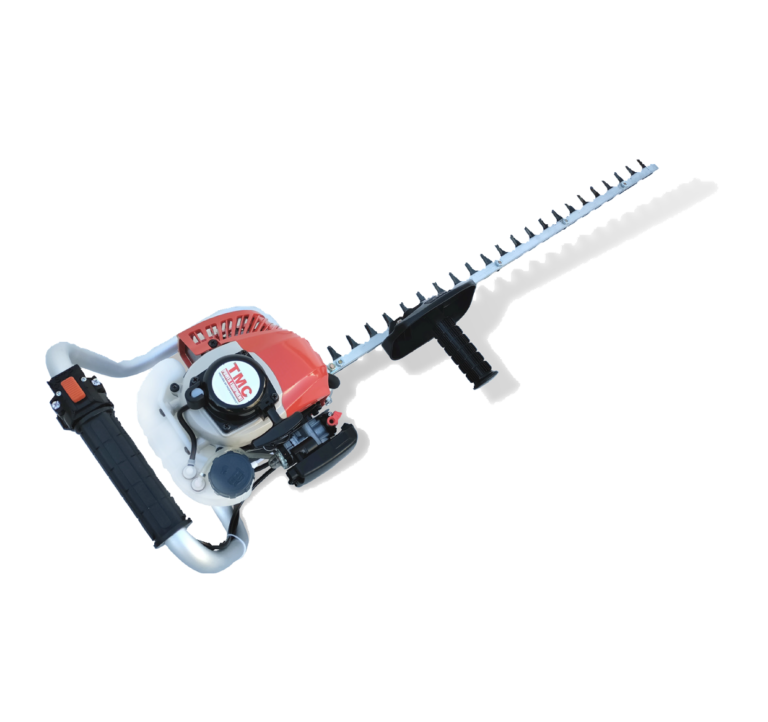
- Use hedge shears for long, even cuts on privet.
- Use hand pruners for boxwood shaping to keep clean cuts on small branches.
- Common mistakes
- Cutting boxwood too hard can lead to sparse, bare centers. I learned this the hard way; thin gradually.

Pests, diseases, and regional concerns
- Privet concerns
- Can naturalize and become invasive in some regions. Check local guidelines.
- Attracts aphids, scale, and sometimes caterpillars. Regular checks help.
- Boxwood concerns
- Boxwood blight and boxwood leafminer are serious threats. Look for leaf spots, early drop, or ragged leaves.
- Root rot can occur in wet soils.
- Monitoring and treatment
- Inspect hedges monthly in warm months. Prune out infected areas and improve airflow.
- Use targeted controls and follow recommended best practices for fungicides or sprays.
I lost a small boxwood planting to blight once because I ignored early leaf spots. Since then, I act fast and space plants to improve air flow.
Cost, availability, and sustainability
- Cost
- Privet is usually cheaper per plant and cheaper to establish fast.
- Boxwood is often more expensive, especially older or named varieties.
- Availability
- Both are widely sold. Boxwood can be harder to find in large sizes.
- Sustainability
- Privet can be invasive and may harm native plants if it spreads.
- Boxwood requires more careful care to stay healthy; large chemical use for pests reduces sustainability.
- Long-term value
- A well-cared-for boxwood hedge keeps property charm for decades.
- A privet hedge gives quick function but may need renewal or control later.

Practical tips and mistakes to avoid (from my experience)
- Plan for mature size. I once planted privet too close to a patio. It outgrew the space.
- Use root barrier or frequent trimming to control spreading privet.
- Test your soil before planting boxwood. I added compost and lime for a better start.
- Space boxwood to allow airflow. Overcrowding invites blight.
- Start with healthy, pest-free plants. Cheap, stressed plants often fail.
Common questions gardeners ask
Q: Which is better for a quick privacy screen?
A: Privet hedge vs boxwood hedge favors privet for speed. Plant privet for fast cover and dense foliage.
Q: Which hedge is easier to shape into formal lines?
A: Boxwood is easier and holds crisp edges. It is the standard for formal hedges and topiary.
Q: Can privet become invasive near wild areas?
A: Yes. Certain privet species can spread into natural areas. Check local invasive species lists.
Frequently Asked Questions of privet hedge vs boxwood hedge
Are privet hedges invasive?
Privet can be invasive in many regions. Some species spread by seed and resprout, so check local rules before planting.
How often should I trim a boxwood hedge?
Trim boxwood lightly two to three times a year for neat shape. Avoid heavy pruning in late fall.
Can I mix privet and boxwood in one hedge?
Yes. Use privet as a tall backdrop and boxwood in front for form. This mix gives quick cover and refined edges.
What pests should I watch for on boxwood?
Watch for boxwood leafminer, mites, and signs of blight. Early detection and proper spacing reduce the risk.
When is the best time to plant either hedge?
Plant in early spring or fall when soil is workable. This timing helps roots establish before stress of hot or cold weather.
Which hedge is better for small yards?
Boxwood is better for small yards because it grows slowly and can stay compact. Choose dwarf boxwood varieties for tight spaces.
How do I control privet suckers or volunteers?
Remove suckers promptly and pull seedlings before they root deeply. Mulch and edging help reduce spread.
Conclusion
Privet hedge vs boxwood hedge is a choice of speed versus form. Choose privet for quick privacy, low cost, and tolerant growth. Choose boxwood for lasting form, topiary, and classic garden style. Use the tips here to plant, prune, and protect your hedge. Try a test planting if you are unsure, and note how each plant behaves in your soil and sun. Share your hedge story below or subscribe for more garden guides.