Common Hedge Diseases And Treatment: Easy Fixes & Care
Hedge problems are usually fungal, bacterial, or root issues and treatable with pruning, fungicides, and better care.
I have worked with gardeners and landscapers for years, diagnosing and treating common hedge diseases and treatment plans that actually work. This guide covers the causes, clear signs, step-by-step treatments, prevention tips, and when to call a pro. Read on for practical advice, real-life lessons, and easy actions you can take today to protect your hedges.

Understanding common hedge diseases and treatment
Hedges face many threats. Fungi, bacteria, viruses, and pests cause most problems. Weather, poor soil, and bad pruning make hedges weaker. Knowing the basics helps you stop a small patch from becoming a full hedge loss.
Common hedge diseases and treatment often focus on stopping spread, improving plant health, and targeting the specific pathogen. A clear diagnosis guides the right treatment, whether it is a pruning cut, a targeted fungicide, or soil drainage fixes. Start with simple checks and escalate only when needed.

Most common hedge diseases and treatment: symptoms, causes, and fixes
Here are the top diseases you will see and how to treat them. I repeat the phrase common hedge diseases and treatment to keep focus on practical solutions.
Powdery mildew
- Symptoms: White powder on leaves, distorted growth, early leaf drop.
- Causes: High humidity, poor air flow, shaded conditions.
- Treatment:
- Prune to improve air flow and remove infected leaves.
- Use a targeted fungicide or a sulfur spray if severe.
- Apply organic options like potassium bicarbonate for light outbreaks.
Leaf spot (fungal and bacterial)
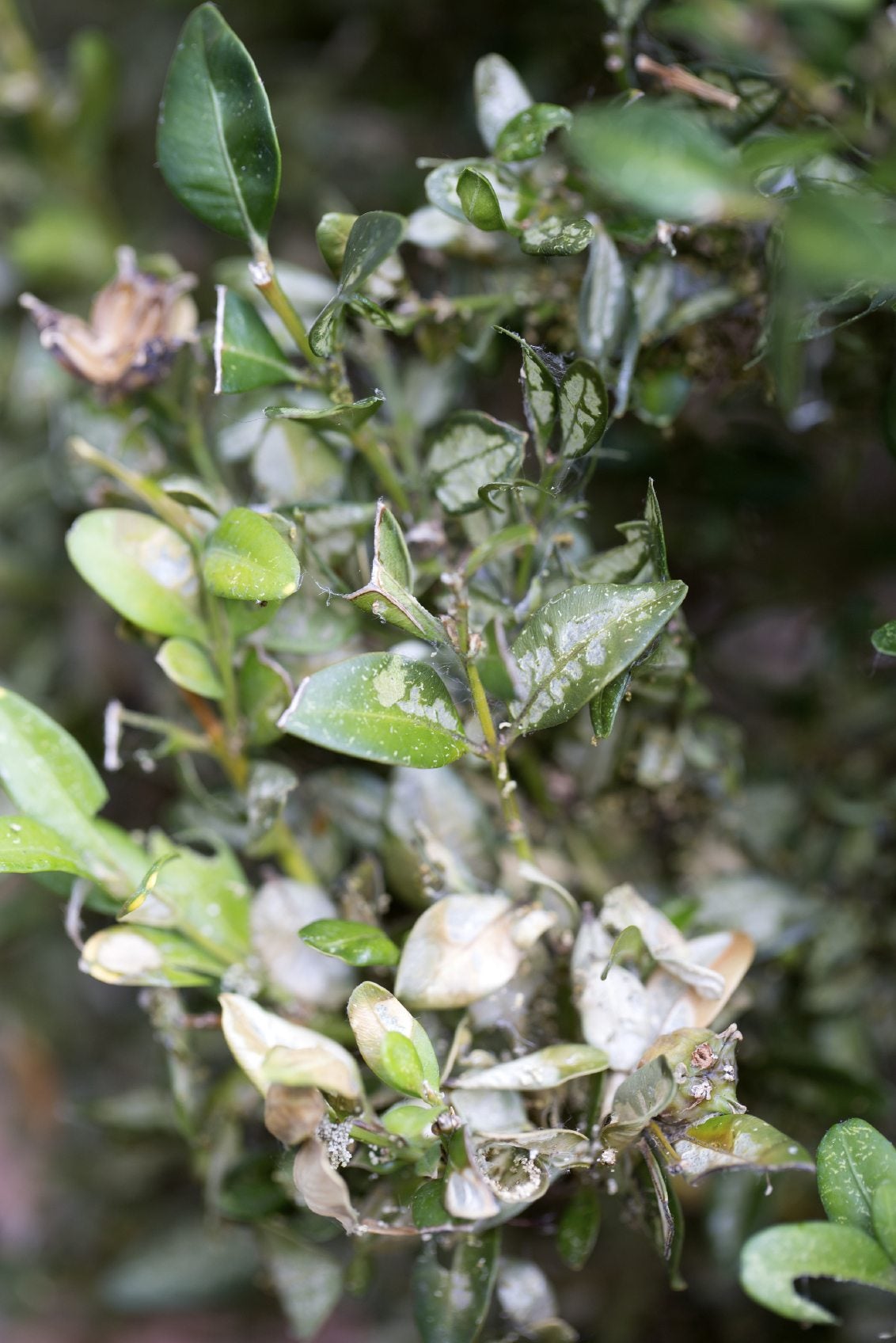
- Symptoms: Brown or black spots on leaves, yellow halos, defoliation.
- Causes: Wet leaves, overhead watering, infected pruners.
- Treatment:
- Remove and destroy affected leaves.
- Improve watering to keep foliage dry.
- Apply fungicide for fungal leaf spot; copper sprays help with bacterial leaf spot.
Root rot (Phytophthora and other soil fungi)
- Symptoms: Wilting despite moist soil, browned roots, slow decline.
- Causes: Poor drainage, waterlogged soil, root damage.
- Treatment:
- Improve drainage and reduce watering frequency.
- Replant on a raised berm if soil stay soggy.
- In severe cases, replace with tolerant species and treat remaining soil.
Rust
- Symptoms: Orange or rust-colored pustules under leaves; yellowing above.
- Causes: Specific rust fungi, often linked to nearby host plants.
- Treatment:
- Remove infected leaves and clean up fallen debris.
- Apply fungicides labeled for rust if spread is heavy.
- Space plantings to lower humidity.
Canker and dieback
- Symptoms: Sunken lesions on stems, bark cracking, branch death starting at tips.
- Causes: Fungal or bacterial pathogens often entering via wounds.
- Treatment:
- Prune out cankered branches well below the visible lesion.
- Sterilize tools between cuts.
- Keep plants vigorous with proper irrigation and feeding.
Viral infections
- Symptoms: Mottled, stunted, or distorted leaves; uneven growth.
- Causes: Insect vectors like aphids or contaminated tools.
- Treatment:
- There are no cures for most plant viruses.
- Remove and destroy infected plants to prevent spread.
- Control insect vectors and use virus-free stock.
I have seen many cases where quick pruning and better watering solved the issue. For serious infections, follow up with professional testing for an accurate diagnosis of common hedge diseases and treatment needs.

Diagnosis and early detection for common hedge diseases and treatment
Early detection saves time and money. Check hedges weekly during active growth. Look for color changes, spots, wilting, and odd growth patterns.
Steps to diagnose:
- Inspect leaves, stems, and roots for visible signs.
- Check soil moisture and drainage.
- Use a hand lens for tiny pests or fungal spore signs.
- Send a sample to a local extension lab if unsure.
Record what you see and act fast. Accurate diagnosis is key to effective common hedge diseases and treatment, and it reduces unnecessary chemical use.

Treatment strategies: practical steps for common hedge diseases and treatment
Choose the least invasive method first. Use an integrated approach combining culture, physical, and chemical control.
Cultural controls
- Improve air flow with correct spacing and pruning.
- Water at the base, early in the day, to keep foliage dry.
- Remove leaf litter and infected debris promptly.
Pruning and sanitation
- Cut out infected parts and dispose of them away from the site.
- Sanitize tools between plants with alcohol or bleach solution.
- Avoid heavy pruning in wet weather.
Chemical and biological options
- Use fungicides only when needed; select systemic or contact products as appropriate.
- Follow label rates and safety rules.
- Consider biologicals like Bacillus-based treatments for roots and softer control.
Soil and root health
- Test soil pH and nutrients.
- Use organic matter to improve soil structure and root health.
- Avoid over-fertilizing, which can worsen some diseases.
Apply treatments based on diagnosis. Overuse of fungicides can breed resistance, so integrate multiple tactics when treating common hedge diseases and treatment.

Preventive care to reduce common hedge diseases and treatment needs
Prevention is cheaper than cure. Build resilience into your hedges with simple routines.
Planting and selection
- Choose disease-resistant varieties when possible.
- Plant in well-drained soil and sunny sites where the species prefers light.
Maintenance
- Prune for shape and health, not just looks.
- Mulch to conserve moisture, but keep mulch away from stems.
- Fertilize based on soil test results.
Monitoring
- Scout for pests and disease signs monthly.
- Keep records of problems and solutions that worked.
A steady program of prevention cuts the need for reactive common hedge diseases and treatment.

Practical case studies and personal experience
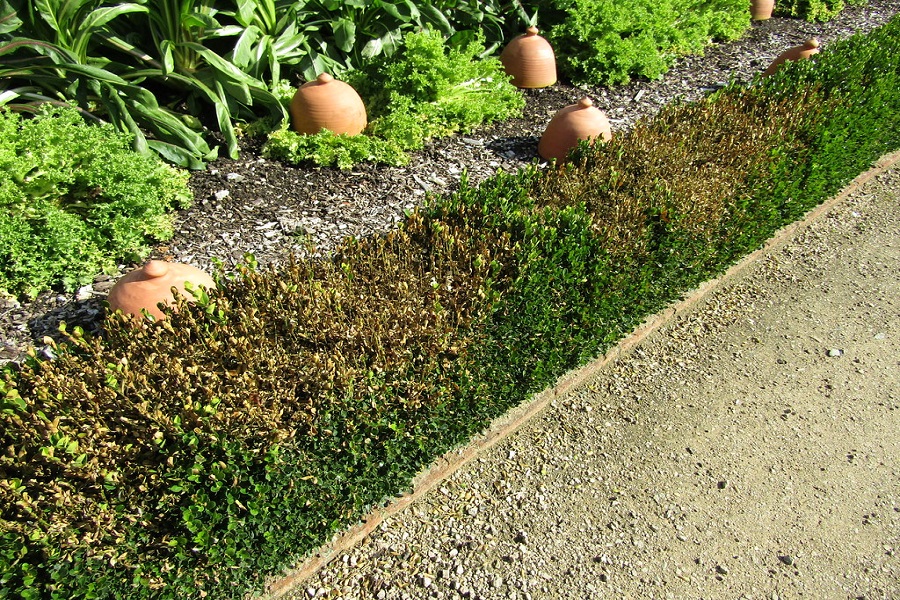
I once managed a boxwood hedge with leaf spot that started after a long wet spring. I pruned infected parts, improved spacing, switched to drip irrigation, and used a targeted fungicide twice during the season. The hedge recovered the next year and stayed healthier after I replaced a few susceptible plants.
Lessons I learned:
- Diagnose before treating. Mistakes happen when you guess.
- Small fixes early on avoid large costs later.
- Keep a tool-cleaning kit by your pruning area to stop spread.
These real steps help you apply common hedge diseases and treatment in the real world.
When to hire a professional for common hedge diseases and treatment
Call a pro if:
- Disease spreads rapidly despite home care.
- Large, mature hedges are dying and risks to property exist.
- You need lab testing or soil fumigation.
- The treatment requires licensed pesticides.
Professionals offer diagnosis, safe application, and warranty for work. They are worth it when stakes are high.
Frequently Asked Questions of common hedge diseases and treatment
What is the fastest way to stop a fungal disease in a hedge?
Prune and remove infected parts, improve air flow, and apply an appropriate fungicide if needed. Act quickly to prevent spread.
Can I save a hedge with root rot?
Sometimes. Improve drainage, reduce watering, and treat lightly if roots are not fully rotted. If most roots are dead, replace the plant.
Are organic treatments effective for common hedge diseases and treatment?
Yes for mild cases. Organic options help with prevention and light disease pressure but may not control severe infections.
How often should I inspect my hedges for disease?
Inspect at least once a month during the growing season and after heavy storms or long wet periods. Early detection is key.
Do I need to remove a diseased hedge immediately?
Not always. Determine the cause and severity first. Removal is needed for incurable or highly contagious diseases like some viruses.
How can I prevent spread when pruning multiple hedges?
Clean tools between cuts with alcohol or dilute bleach, and avoid pruning when plants are wet. This reduces pathogen transfer.
Conclusion
Healthy hedges start with good habits: choose the right plants, check them often, prune cleanly, and fix soil and water issues fast. Use targeted treatments only when needed and escalate to professionals for persistent or severe problems. Start today: inspect a hedge, remove obvious dead growth, and note any patterns you see. Share your results, subscribe for updates, or leave a question below — I’d love to help you keep your hedges strong.