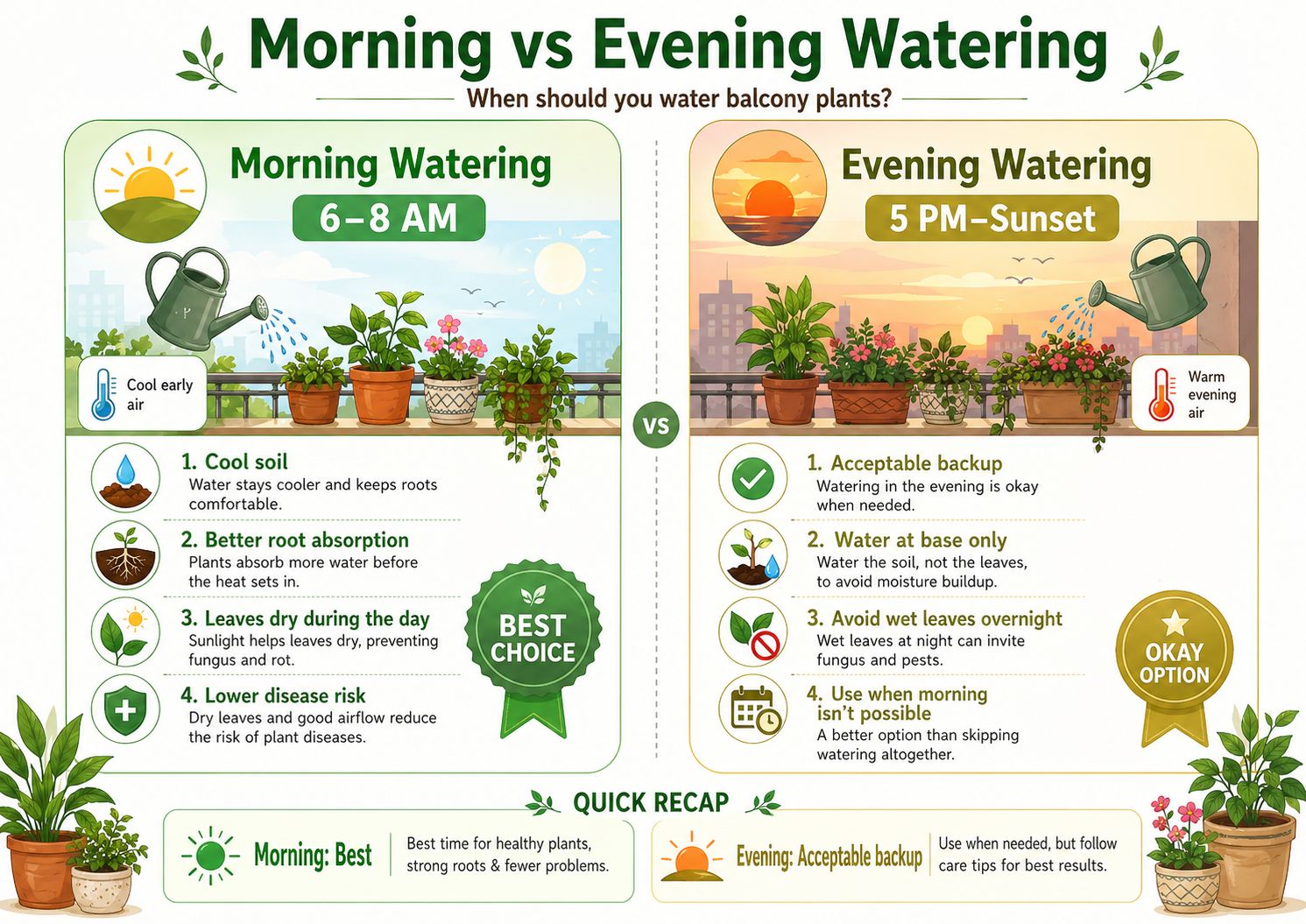
Morning Watering Vs Evening Watering: Best Time For Plants
Morning watering is best for most plants. It reduces disease and saves water.
I have tested both methods on lawns, beds, orchards, and houseplants. In this guide, I break down morning watering vs evening watering using clear science, real results, and easy steps. You will learn when each timing wins, what tools help, and how to set a plan that fits your climate and plants.

What Does “Morning Watering vs Evening Watering” Really Mean?
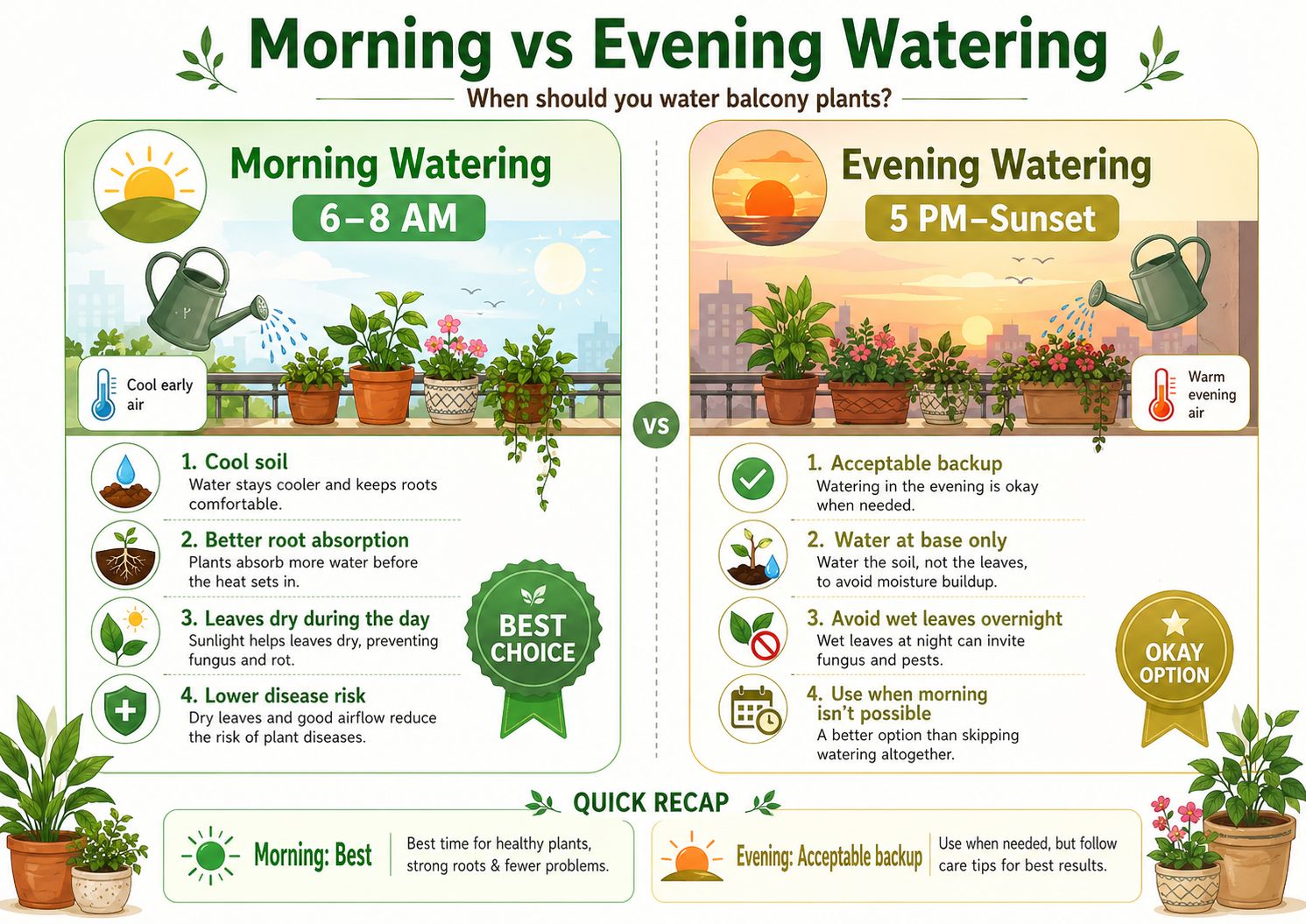
Morning watering means you water near sunrise. The air is cool. The wind is light. Plants drink as the day warms. Evening watering means you water near sunset. Heat drops. The soil holds water overnight.
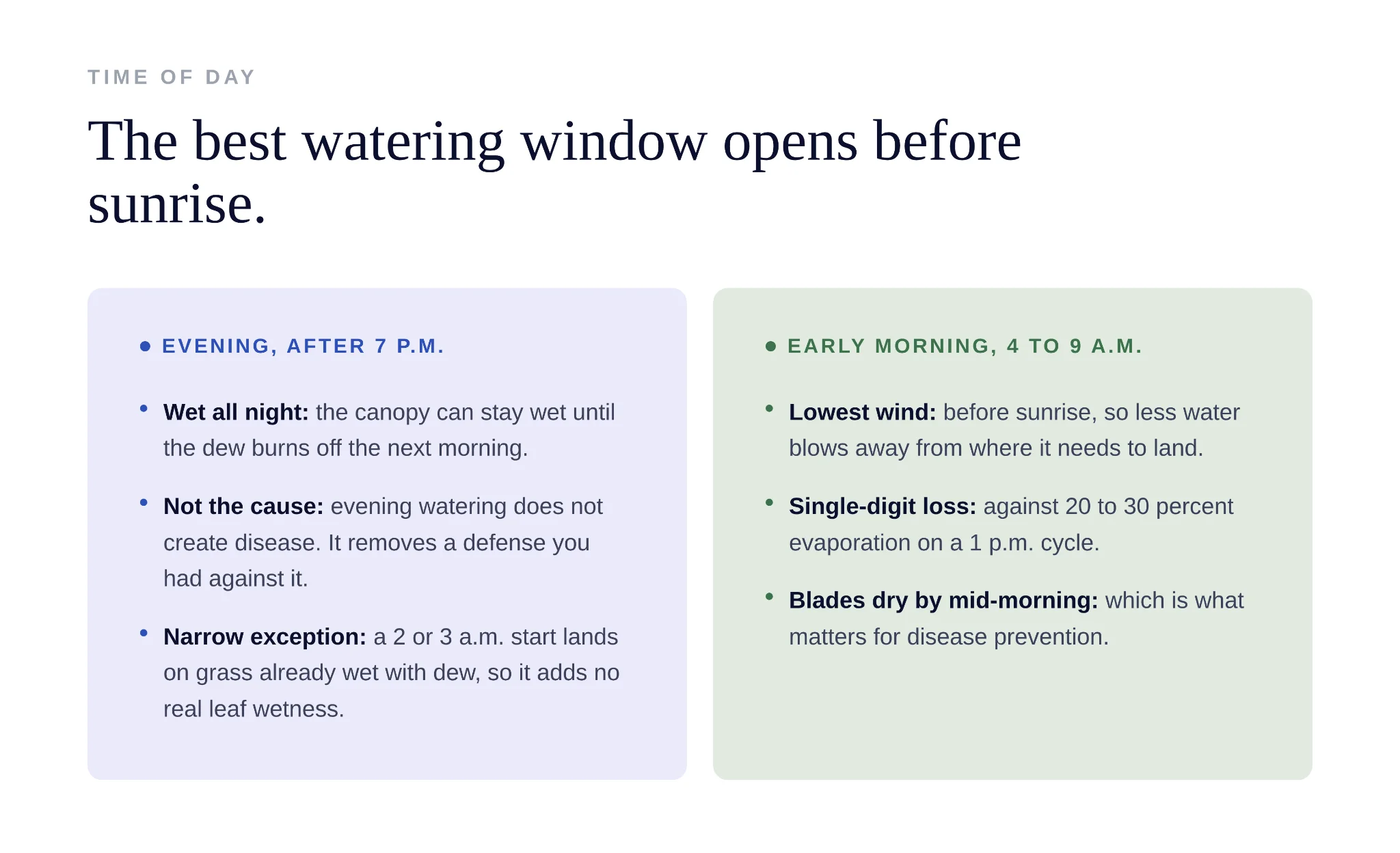
The key difference is leaf wetness time. Wet leaves at night can stay wet for hours. Many leaf diseases love that. With morning watering vs evening watering, you also see changes in loss to heat and wind. This affects how deep the water goes into the root zone.
Both times can work if you adjust how much, how often, and how you water. Your climate, soil, and plant type set the rules.
The Science: Temperature, Evaporation, and Leaf Wetness
Plants open tiny pores called stomata. They draw in CO₂ and release water vapor. Heat and wind raise that loss. This is why timing and method matter.
- Cooler air cuts evaporation loss. Mornings are often cooler than afternoons.
- Sunlight dries leaves faster after a morning soak. This lowers disease risk.
- Long, wet nights foster fungi like mildew and blight.
Studies from field trials and extension labs show two strong facts. First, early watering reaches roots with less loss in many regions. Second, shorter leaf wetness time lowers disease. This is the core logic behind morning watering vs evening watering.

Pros and Cons of Morning Watering
Morning sets plants up for the day. It pairs with their natural rhythm.
Benefits:
- Less disease risk because sun dries leaves fast.
- Lower evaporation than midday, so more water reaches roots.
- Cooler soil takes in water better, which reduces runoff.
Limits:
- In arid places with very dry dawn winds, you may still lose some water.
- Early alarms are not fun. You need a timer or habit.
- In frost-prone springs, very early watering can chill some tender plants.
For most gardens, the balance favors morning watering vs evening watering due to health and water savings.
Pros and Cons of Evening Watering
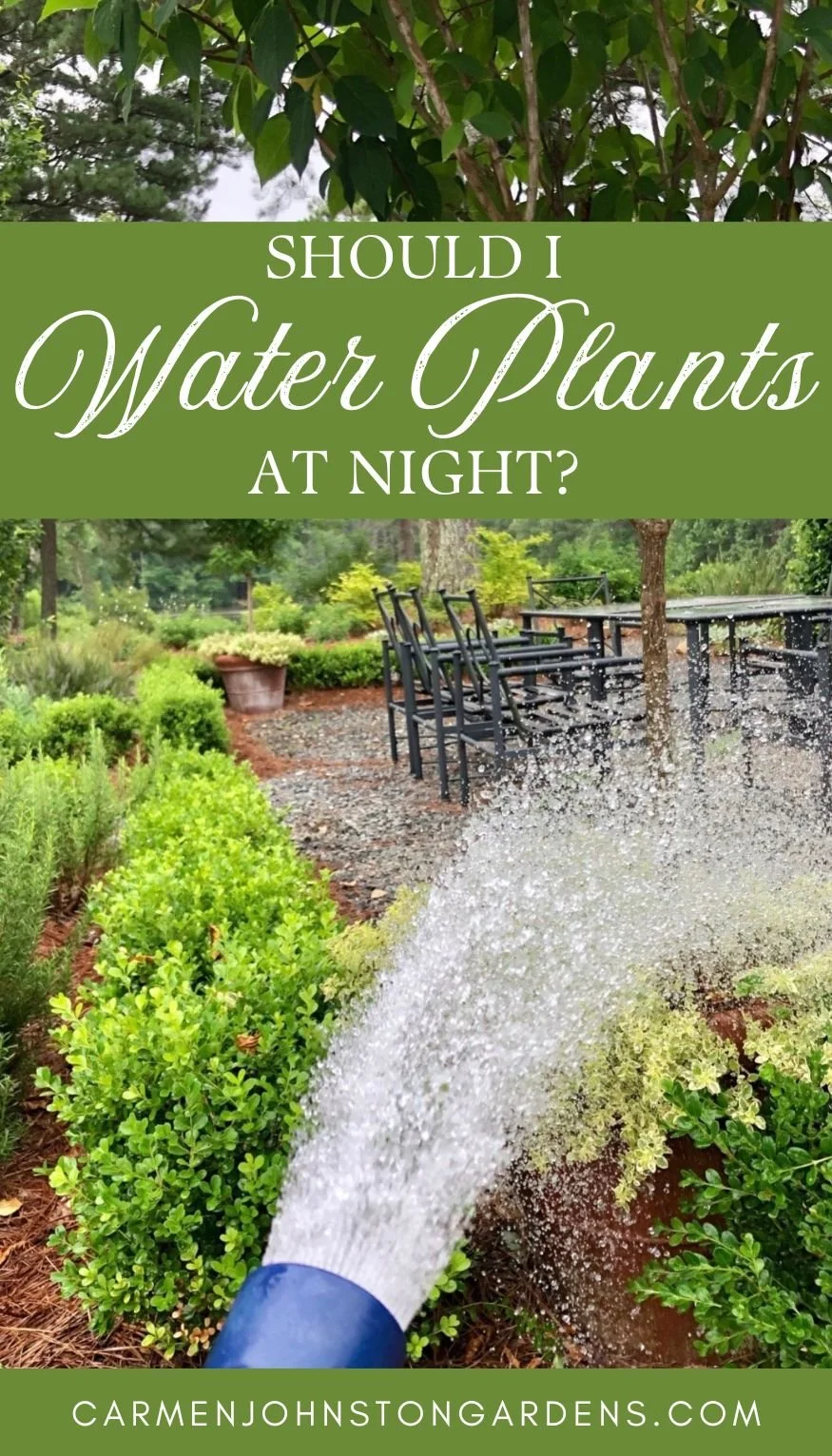
Evening can help in hot, windy zones. It can also fit busy lives.
Benefits:
- Calmer air and cooler temps help water soak in.
- Less stress on leaves during peak heat.
- Easy time slot for many people.
Limits:
- Longer leaf wetness time. This raises risk of mildew, rust, and black spot.
- Cool nights can slow dry-down in dense canopies.
- In clay soil, standing water can lead to root rot.
If you choose evening, focus on the soil, not the leaves. Drip or soaker lines help a lot. This makes evening closer to morning watering vs evening watering in outcome, by removing the leaf risk.

Climate and Season: When Each Timing Wins
Your zip code matters more than rules of thumb. Match timing to weather.
Hot, dry summers:
- Morning is best for lawns, veggies, and roses.
- Evening can work with drip in arid areas if mornings are windy.
Humid or rainy regions:
- Morning is safer. Nights already stay humid.
- Keep air moving with pruning to speed dry-down.
Cool springs and falls:
- Late morning is great. The sun warms soil. Frost risk drops.
- Avoid soaking cold soil at dusk.
Drought or watering bans:
- Water less often but deeper, in early morning.
- Mulch to cut loss. Check soil before you water.
This climate lens is the heart of morning watering vs evening watering in practice.
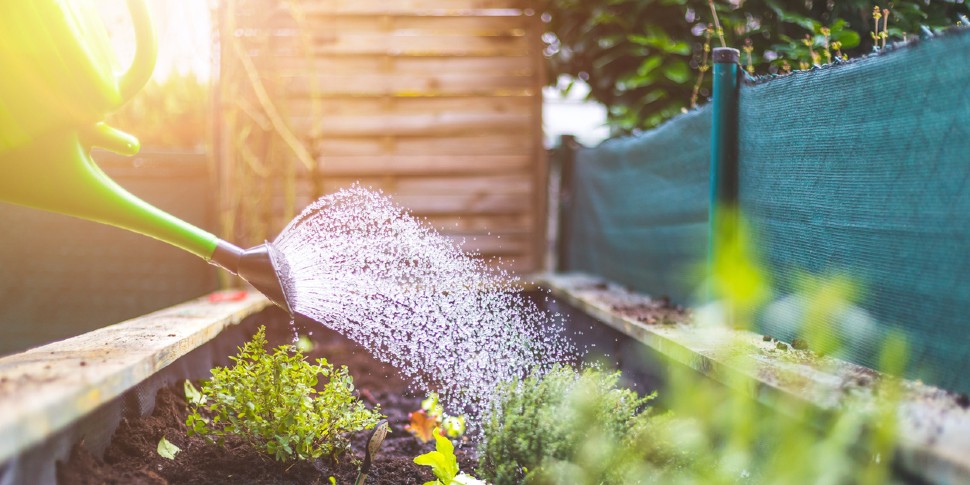
Plant-by-Plant Guide to Timing
Different plants react in different ways. Use this quick map.
Lawns:
- Morning wins. It lowers fungus and helps deep roots.
- Water 1 to 1.5 inches per week in most summers, split in two days.
Vegetables and herbs:
- Morning is safest for tomatoes, squash, basil, and cucumbers.
- If you must water at night, use drip to keep leaves dry.
Roses and ornamentals:
- Morning reduces black spot and powdery mildew.
- Aim water at the base. Avoid overhead spray.
Trees and shrubs:
- Timing is flexible. Focus on deep, slow soaks.
- Early morning or early evening both work if leaves stay dry.
Houseplants:
- Time of day matters less indoors. Water by need, not the clock.
Use these notes to fine-tune morning watering vs evening watering for each plant group.

Watering Methods: Make Timing Work Harder
How you deliver water can matter more than the hour.
- Drip irrigation: Best for disease control and water use. Great at any time.
- Soaker hoses: Good for beds. Cover with mulch to cut loss.
- Sprinklers: Fast for lawns but wet leaves. Use at dawn.
- Watering cans or wands: Good control. Aim at soil, not leaves.
- Smart controllers: Use weather and soil data to time runs.
Pair low-splash tools with the right hour and you win. This combo can narrow the gap in morning watering vs evening watering results.
Common Problems and How Timing Fixes Them
Brown lawn tips:
- Cause: Shallow roots or midday scorch.
- Fix: Morning deep water less often. Mow higher.
Powdery mildew on leaves:
- Cause: Long, cool, moist nights.
- Fix: Switch to morning. Use drip. Prune for airflow.
Runoff and puddles:
- Cause: Clay soil or fast spray.
- Fix: Use cycle-and-soak. Short bursts with rest. Water early.
Wilting by noon:
- Cause: Shallow watering or heat stress.
- Fix: Deep morning soak. Add mulch. Shade new transplants.
Root rot in beds:
- Cause: Too much water late in the day.
- Fix: Cut frequency. Water at dawn. Improve drainage.
These tweaks show how morning watering vs evening watering links to real problems you can solve.

Step-by-Step: Set the Right Schedule
Follow this simple plan to dial in your timing.
- Test soil moisture. Push a finger 2 inches down. If dry, it needs water.
- Measure output. Place small cups and run sprinklers 15 minutes. See how much you get.
- Pick your hour. Start with dawn for most plants. Use evening only with drip if needed.
- Water deep, then wait. Aim for the root zone. Let the top inch dry between sessions.
- Adjust by weather. Windy? Add a bit. Humid nights? Move earlier.
- Track results. Note color, growth, and any spots on leaves.
- Lock your plan. Use a timer and a rain or soil sensor.
This routine makes morning watering vs evening watering a clear, data-based choice for your yard.
My Field Notes and Mistakes to Avoid
I once watered a new fescue lawn at dusk during a hot, humid week. It looked fine for a few days, then brown patches showed up. A turf sample showed fungus. I switched to dawn, raised my mower height, and the patches faded.
In my tomato beds, I used overhead evening spray to save time. Mildew hit fast. Moving to drip at dawn and pruning for air stopped it. The big lesson from years of trials is simple: if you must choose, pick morning. If your life says evening, keep leaves dry and water the soil only. That shift protects you from the worst risks of morning watering vs evening watering.
Frequently Asked Questions of morning watering vs evening watering
Is it bad to water plants at night?
It is not always bad, but it raises disease risk. If you must, use drip or a soaker to keep leaves dry.
How early should I water in the morning?
Start near sunrise. This gives time for leaves to dry and reduces loss to heat and wind.
Does evening watering cause root rot?
Not by itself. Root rot comes from too much water and poor drainage, which evenings can worsen if soil stays soggy.
What is best for lawns: morning watering vs evening watering?
Morning is best for lawns in most climates. It cuts fungus and saves water by reducing evaporation.
Can I switch between morning and evening as needed?
Yes. Watch weather and your plants. Use morning as your base and move to evening with drip during wind or heat waves.
How long should I water each time?
Water long enough to reach the root zone. For lawns, many aim for about 1 inch per week, split into two deep sessions.
Will mulch change the best time to water?
Mulch helps at any time by holding moisture and keeping soil cool. It makes both morning and evening more efficient.
Conclusion
Most gardens thrive with dawn watering. It limits disease, saves water, and fits plant biology. Evening can still work when paired with drip, dry leaves, and careful checks of soil moisture.
Start with small tests. Pick one bed, try morning for two weeks, and take notes. Then compare with an evening run that keeps foliage dry. Use what wins and set a simple timer. Want more tips that work in real life? Subscribe for weekly guides, or drop a comment with your climate and plant list.