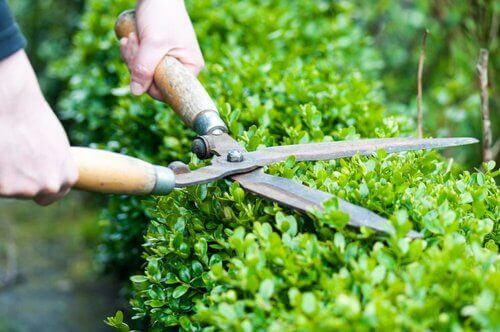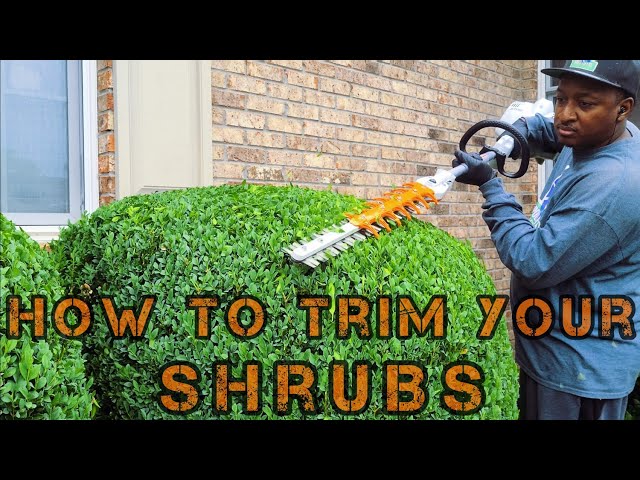
How Often Should You Trim Hedges: Seasonal Care Guide
Trim most hedges every 6 to 12 weeks during the active growing season.
I’ve spent years caring for hedges in small yards and large landscapes, and I’ll walk you through exactly how often should you trim hedges for healthy growth, neat shape, and strong structure. This guide blends practical experience, clear rules by hedge type, step-by-step technique, and easy safety tips so you can trim with confidence and avoid common mistakes.
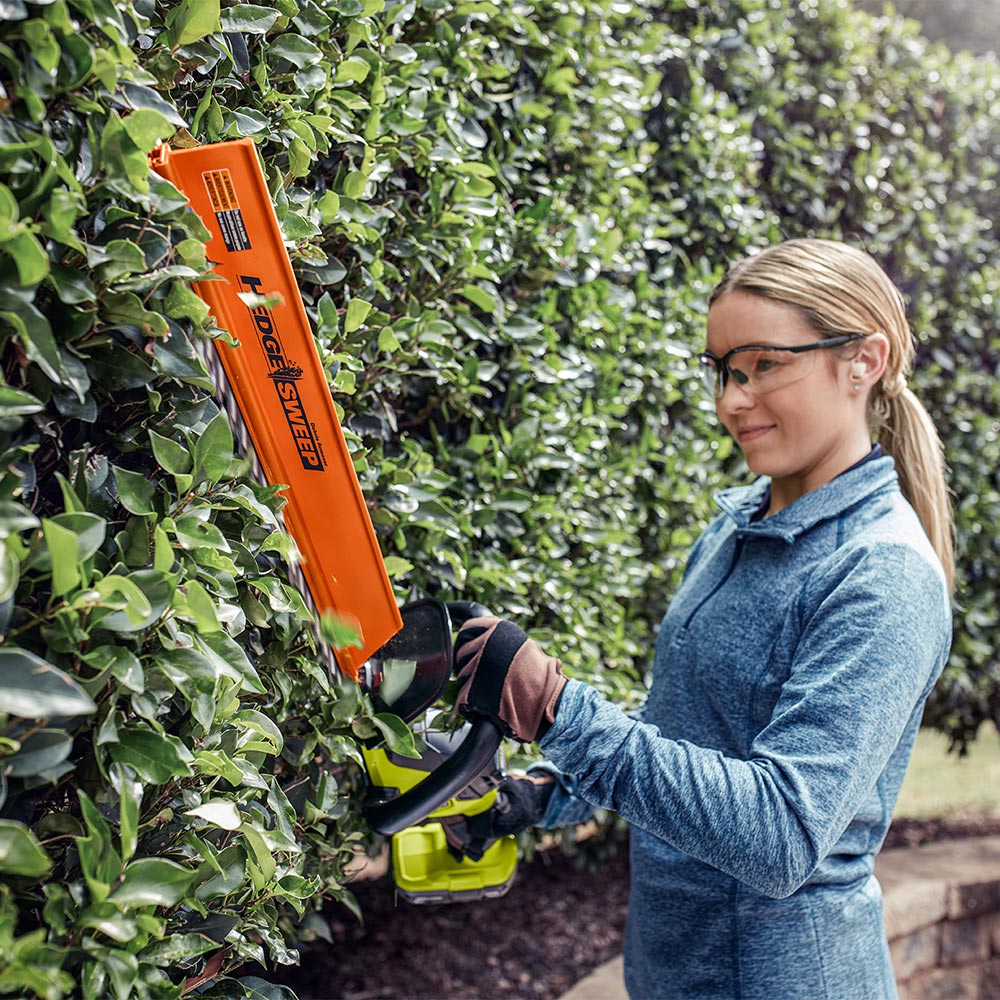
Why regular hedge trimming matters
Regular trimming keeps hedges dense, healthy, and tidy. It shapes growth so light reaches inner branches and prevents bare spots. Proper timing and frequency lower disease risk and reduce heavy corrective cuts later.
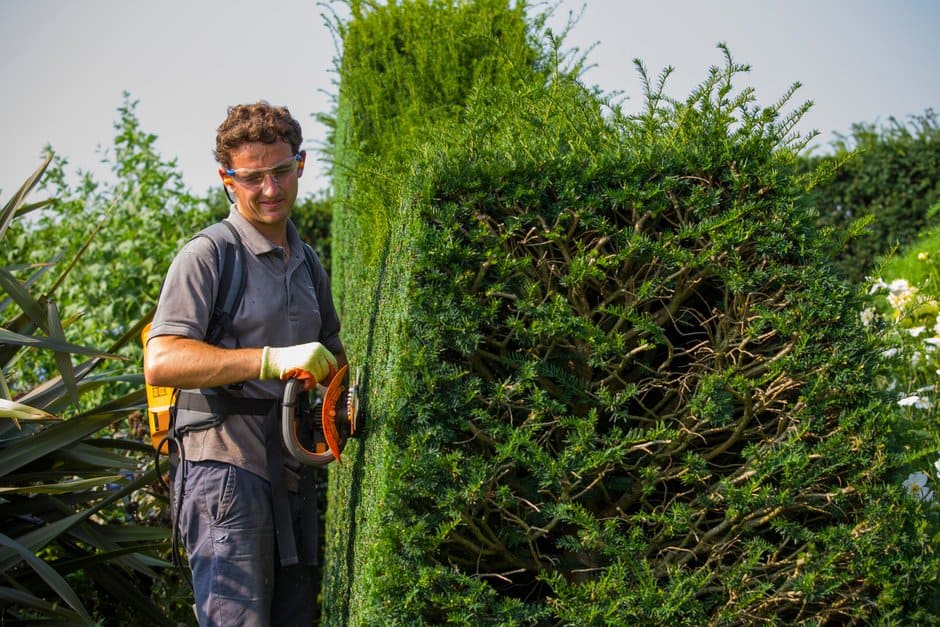
How often should you trim hedges? Guidelines by hedge type
Decisions about how often should you trim hedges depend on species, desired shape, and growth rate. Below are practical schedules to follow.
- Evergreen formal hedges (boxwood, yew)
- Trim every 6 to 12 weeks during spring and summer for a neat look.
- Fast-growing hedges (privet, leylandii)
- Trim every 4 to 8 weeks in the growing season to control height and density.
- Flowering hedges (forsythia, lilac)
- Trim once or twice a year after flowering to protect blooms.
- Deciduous informal hedges (beech, hornbeam)
- Trim lightly in summer; heavier shaping in late summer or early autumn.
- Native or wildlife-friendly hedges
- Trim once a year or on a rotation to protect nesting birds and biodiversity.
When people ask how often should you trim hedges, think growth rate first. Slow growers need less frequent attention. Fast growers need more frequent, light trims to stay tidy.
Best time of year to trim hedges
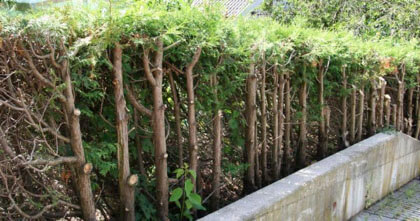
Trim in late spring and summer for most species when growth is active. Avoid heavy cuts during deep winter dormancy for many evergreens. For flowering hedges, trim right after they finish blooming so you don’t cut off next season’s flowers. Also check local wildlife rules: many places protect nesting birds in spring, so delay major work then.
How to trim hedges: step-by-step guide
A simple routine helps you trim well and save time.
- Inspect the hedge first
- Look for dead wood, pests, or disease before you start.
- Remove dead or crossing branches
- Prune these first to improve air flow.
- Start with a rough cut for tall hedges
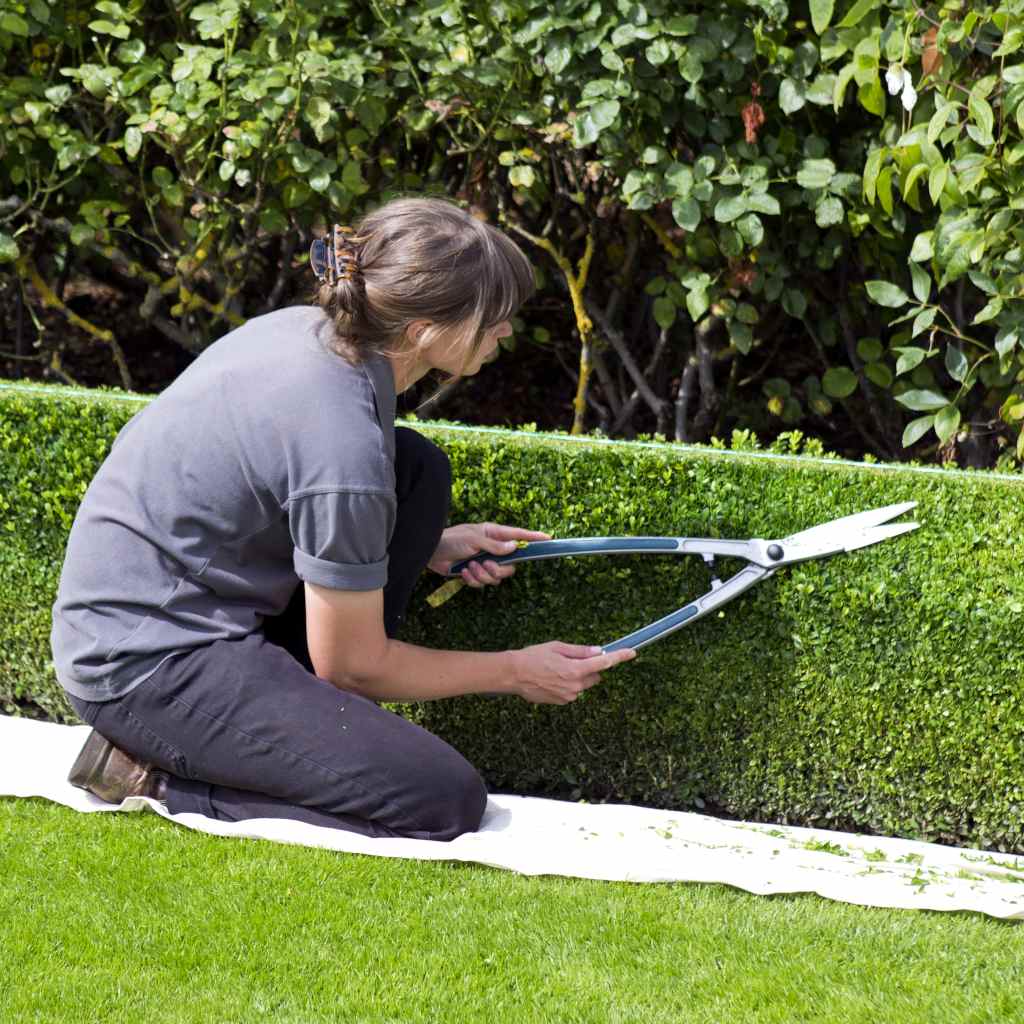
- Use long-handled shears or a hedge trimmer to set a general shape.
- Fine-trim for a clean finish
- Use hand shears to even out edges and flatten tops.
- Step back and check symmetry
- Walk around the hedge and adjust small areas as needed.
Repeat light trims frequently instead of heavy, infrequent cuts. This protects the plant and keeps the look crisp.

Tools, safety, and maintenance
Good tools make the job easier and safer.
- Essential tools
- Hand shears for detail work.
- Electric or gas hedge trimmers for long runs.
- Pole pruners for tall growth.
- Protective gloves and eye protection.
- Tool care
- Keep blades sharp and clean to reduce tissue damage.
- Oil moving parts and disinfect blades after cutting diseased branches.
- Safety tips
- Clear the base and work area of debris.
- Use a stable ladder or platform. Never overreach.
- Wear gloves, goggles, and sturdy shoes.
Proper tools let you follow recommended frequencies for how often should you trim hedges with less risk.

Common mistakes and troubleshooting
Avoid these errors to keep hedges healthy and attractive.
- Cutting too much at once
- Heavy cuts stress plants and invite pests.
- Trimming at the wrong time
- Cutting during nesting season or right before cold snaps can harm plants and wildlife.
- Letting hedges grow into messy shapes
- Irregular growth needs larger corrective cuts later.
- Using dull or dirty blades
- Causes ragged wounds and spreads disease.
If a hedge looks sparse after trimming, back off and let it regrow for a season. Follow-up with light trims and good watering.

People also ask
How soon after planting should I start trimming a hedge?
Wait until the hedge is established—usually one full growing season—before heavy shaping. Light pinching or formative pruning can start within months to guide form.
Can I trim hedges in winter?
Light shaping is okay for some species, but avoid heavy cuts in deep winter for many evergreens. Do major pruning in late summer or early autumn when possible.
Will trimming encourage thicker growth?
Yes. Regular trims remove tips and stimulate side shoots, which build denser foliage. Trim lightly and often to encourage compact growth.
Personal experience and practical tips
I once let a leylandii grow unchecked for two years. The corrective cut took three weekends and stressed the trees. Lesson learned: small, frequent trims save time and the hedge. I also learned to mark a straight guide line with string for neat tops. Stick to a schedule that matches the plant’s growth and your tolerance for upkeep.

Frequently Asked Questions of how often should you trim hedges
How often should you trim hedges for a tidy look?
Trim fast-growing hedges every 4 to 8 weeks and slower ones every 6 to 12 weeks during the growing season. Light, frequent trims keep edges clean without stressing the plant.
When should I avoid trimming hedges?
Avoid major trimming during bird nesting season in spring and during extreme cold snaps. Also skip heavy cuts during drought stress.
How deep should I cut when trimming hedges?
Remove no more than one-third of live growth in a single session for most hedges. For formal shaping, take small amounts more often rather than deep cuts.
Can I trim hedges with electric trimmers?
Yes. Electric and gas trimmers are efficient for large hedges; finish with hand shears for a clean edge. Keep blades sharp and follow safety guidelines.
Do hedges need fertilizer after trimming?
Not always. If growth seems slow, a balanced spring feed helps recovery. Water and mulch well, and only fertilize if soil or plant health suggests a need.
Conclusion
Trimming frequency depends on species, growth rate, and the look you want. Ask yourself how often should you trim hedges, then match a schedule: light trims often for fast growers, and fewer, well-timed cuts for slow or flowering types. Start small, use the right tools, and protect wildlife when you prune. Try a simple schedule for one season and adjust as you learn your plants’ needs. Share your results, ask questions, or subscribe for more tips on hedge care.