Hand Watering Vs Automatic Irrigation: Pros, Cons, Costs
Hand watering offers control; automatic irrigation saves time and water with tuning.
I’ve installed and audited dozens of systems, from small patios to multi-acre landscapes. This guide explains hand watering vs automatic irrigation with clear pros, cons, costs, water savings, and setup tips. You will learn what fits your plants, climate, and schedule, so you can make a smart, stress-free choice.

What Do We Mean by Hand Watering vs Automatic Irrigation?
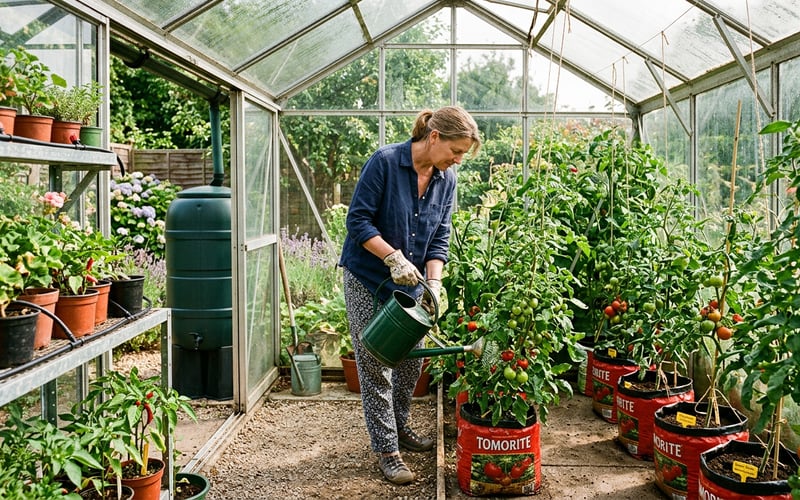
Hand watering means you water by hose, watering can, or wand. You decide when, how long, and how much.
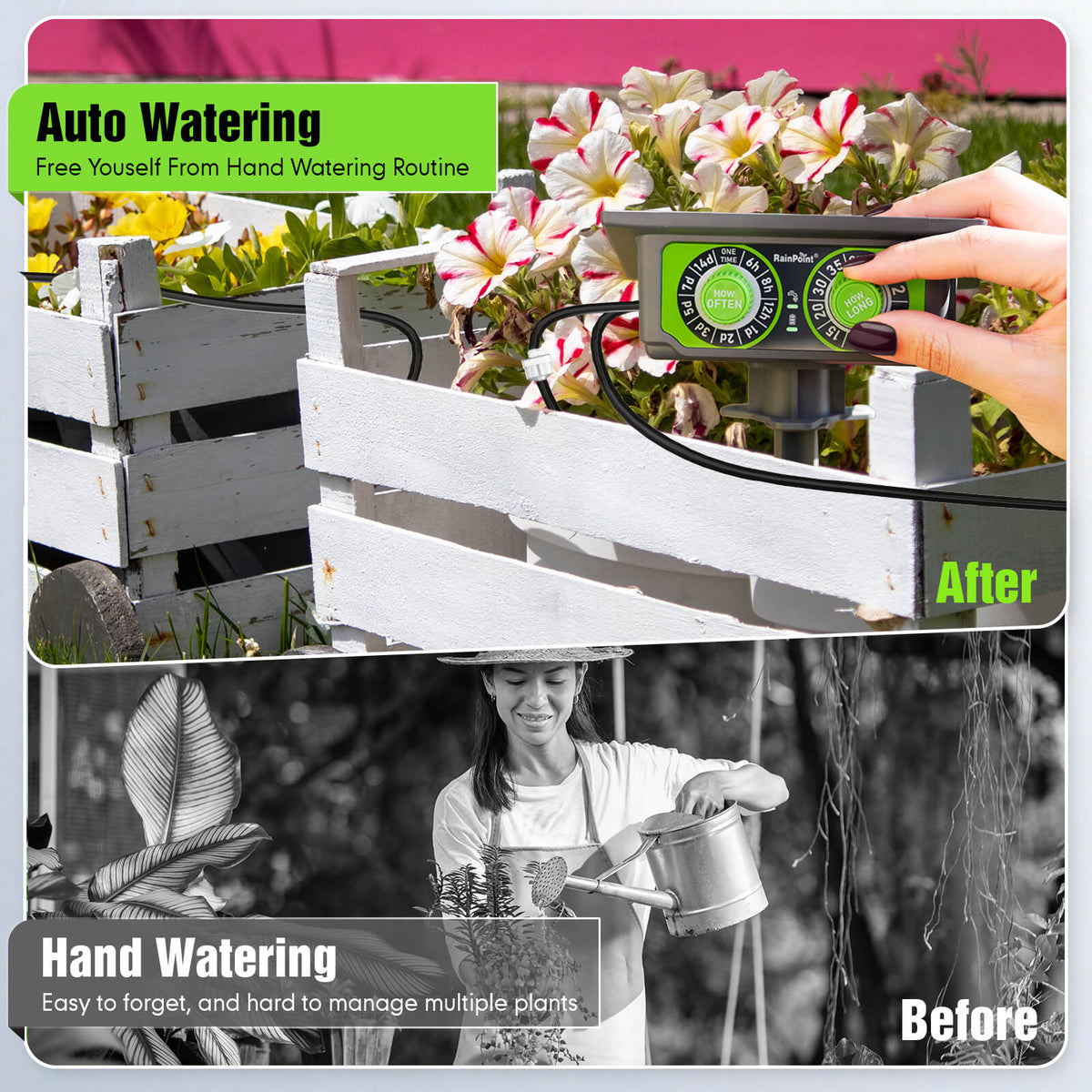
Automatic irrigation uses a timer or smart controller with valves and zones. Water runs on a set or adaptive schedule through drip lines or sprinklers.
Both can grow healthy plants. The best choice depends on time, budget, and goals. In real yards, a hybrid plan often wins: hand water new or tricky plants, and run drip or sprinklers for the rest.
Pros and Cons of Hand Watering
Hand watering shines when you need control. You can spot stress, test soil moisture, and adjust in seconds.
Benefits:
- Precision on demand. Target roots and keep leaves dry when needed.
- Low upfront cost. A hose, nozzle, and a good wand are cheap.
- Great for pots, seedlings, and new trees.
Limits:
- Time heavy. Large beds and lawns take a long time.
- Easy to under or overwater. Human error is common.
- Inconsistent coverage. You may miss spots or water unevenly.
Tip from the field: I use a watering wand with a gentle shower head. It saves plants from splash and root shock.
Pros and Cons of Automatic Irrigation
Automatic irrigation handles routine watering and scales well. Set it once, then fine-tune.
Benefits:
- Big time savings. Great for busy weeks and trips.
- Consistent water. Helps plant health and reduces stress.
- Smart features. Weather skip, soil moisture sensors, and flow alerts cut waste.
Limits:
- Higher upfront cost. Controller, valves, pipes, drip, or sprinklers.
- Needs setup and maintenance. Clogged emitters and broken heads happen.
- Risk of set-and-forget waste if not monitored.
Pro note: A smart controller with a rain or freeze sensor pays for itself by skipping bad days.
Water Efficiency and Plant Health
Water use matters in the hand watering vs automatic irrigation debate. Efficiency affects bills and plant roots.
- Hand watering can be very efficient for small areas. You can add water right at the root zone.
- Drip irrigation is the gold standard for beds and shrubs. It can cut water use by 30–60% vs spray.
- Sprinklers suit lawns but can lose water to wind and evaporation. Early morning cycles reduce loss.
- Deep, infrequent watering grows deeper roots. Frequent, shallow bursts lead to weak plants.
Rule of thumb: Water when soil is dry 2–3 inches down, not by the calendar.
Cost Breakdown and ROI
Costs vary by size, materials, and local rates. Here is a simple view.
- Hand watering: Low startup cost. Ongoing cost is your time. Great for small gardens and patios.
- Basic automatic system: Mid cost. Dumb timer, simple zones. Saves time but may waste water if not tuned.
- Smart automatic system: Higher cost up front. Weather-based schedules and sensors. Best long-term savings.
I have seen small yards save 20–40% on water with a smart upgrade. Bigger lots can save more.

Climate, Soil, and Plant Type Fit
Your site should steer the choice in hand watering vs automatic irrigation.
- Climate: Hot, dry, or windy spots benefit from drip lines under mulch. Humid areas need shorter cycles to avoid disease.
- Soil: Sand drains fast. Use shorter, more frequent cycles. Clay holds water. Use longer, less frequent cycles to avoid runoff.
- Plants: Natives and xeric plants prefer deep, rare watering. Lawns need even spray coverage. Veggies like steady soil moisture.
If your yard is mixed, split zones by plant type and sunlight. One size does not fit all.
Setup, Maintenance, and Monitoring
Good setup prevents 80% of issues.
For hand watering:
- Use a shut-off valve at the wand. It saves water between plants.
- Add a moisture meter for quick checks.
- Keep a simple log for new plant watering.
For automatic irrigation:
- Group zones by plant type, sun, and soil.
- Flush drip lines at start of season. Check filters and pressure.
- Run a monthly walk-through. Look for leaks, clogged emitters, and mis-aimed heads.
Pro tip: Label valves and zones. Future you will say thanks.

Smart Tech and Features That Matter
If you opt for automatic irrigation, key features help a lot.
- Weather-based scheduling. Skips cycles after rain or when humidity is high.
- Soil moisture sensors. Water only when the root zone is dry.
- Flow meter and alerts. Catch leaks early and protect your bill.
- Cycle and soak. Prevents runoff on slopes and clay soils.
- App control. Change schedules on the go.
These tools push hand watering vs automatic irrigation toward automation with trust.
Real-World Scenarios and What Worked
I have tested both modes across many yards. Here are quick wins that repeat.
- Small pollinator garden: Hand watering won. Ten minutes, three times a week at first, then taper. Plants thrived and waste was near zero.
- Medium front yard with mixed beds: Drip on a smart controller plus hand watering for new plants. Water use dropped by about one-third.
- Large lawn: Rotors with a weather-based controller. Early morning runs with cycle and soak. Even color and fewer weeds from less stress.
- Patio pots: A micro-drip kit on a timer. No more wilted pots after hot weekends.
Lesson learned: Hybrid beats either extreme in most cases.
Environmental Impact and Local Rules
Water is a shared resource. Many cities offer rebates for smart controllers, efficient nozzles, or drip retrofits. Some places limit days and times for watering.
- Hand watering lets you dodge odd/even rules if they allow hose watering with a shut-off nozzle.
- Automatic irrigation with sensors meets strict codes and avoids waste fines.
- Mulch, compost, and shade cut water demand no matter the method.
Always check local rules and rebates. Free money for upgrades is common.
Decision Framework: How to Choose
Use this simple path to pick between hand watering vs automatic irrigation.
Step 1: Map your spaces
- Lawn, beds, shrubs, trees, and pots. Note sun and soil.
Step 2: Size your time
- Under 15 minutes a day? Hand watering or a hybrid may fit.
- Over 30 minutes a day? Go automatic for the big areas.
Step 3: Match the method
- Drip for beds, hedges, trees, and slopes.
- Sprinklers for lawns and groundcovers.
- Hand water new plants, seeds, and sick plants.
Step 4: Add smart controls
- Weather skip, rain sensor, and cycle and soak.
- Set seasonal adjustments. Review monthly.
Step 5: Track and tweak
- Watch plant health, soil feel, and your water bill.
- Adjust run times and frequency by season.
Frequently Asked Questions of hand watering vs automatic irrigation
Is hand watering better for small gardens?
Yes, it works well for small or detailed beds. You save money up front and can give each plant what it needs.
How often should I water with a smart controller?
Start with local evapotranspiration or a seasonal default. Then adjust weekly based on soil feel and plant look.
Can I combine hand watering and automatic irrigation?
Yes, a hybrid plan is common. Automate the routine zones and hand water new, potted, or sensitive plants.
Which uses less water: drip or sprinklers?
Drip usually uses less water because it targets the roots and reduces evaporation. Sprinklers can be efficient on lawns if tuned and timed right.
What is the best time to water?
Early morning is best. Less wind, cooler temps, and less loss to evaporation.
How do I prevent overwatering with automation?
Use soil sensors, shorter cycles, and seasonal changes. Review your controller history and check soil before you add time.
Are automatic systems hard to maintain?
Maintenance is simple if done often. Check filters, flush lines, and align heads a few times per season.
Will automatic irrigation harm native or drought-tolerant plants?
Not if you set deep, infrequent cycles. Drip with longer intervals fits these plants well.
How long do systems last?
A good controller can last many years. Emitters and heads may need replacing every few seasons due to wear.
Does mulch help regardless of method?
Yes. Mulch cuts evaporation, keeps soil cool, and improves water use for both hand watering and automatic systems.
Conclusion
Hand watering vs automatic irrigation is not a battle. It is a toolkit. Use hand watering for precision and care. Use automatic irrigation for scale, consistency, and time saved. Most yards win with a smart hybrid, drip for plants, and short sprinkler runs for lawns.
Take a walk through your yard today. Map zones, check soil, and pick one upgrade to try this week. If you found this useful, subscribe for more practical garden tips or share your results in the comments.