Native Hedgerow Vs Planted Hedge: Which Is Better
Native hedgerows offer richer wildlife value; planted hedges give faster, neater screens and predictable form.
I have studied and worked with living fences for years. I know the key trade-offs in native hedgerow vs planted hedge. This article breaks down definitions, costs, wildlife value, maintenance, and practical steps. You will get clear guidance to choose the best option for your land, goals, and budget. Read on for hands-on tips, pitfalls I learned from field work, and easy plans you can use right away.
Why compare native hedgerow vs planted hedge?
A clear choice affects wildlife, curb appeal, and long-term costs. Native hedgerow vs planted hedge is more than a design decision. It shapes habitats and soil health. It also changes how much work you do each year and how quickly you get privacy. I will show you how each option performs in real life and what to expect.
Definitions and context
Native hedgerow
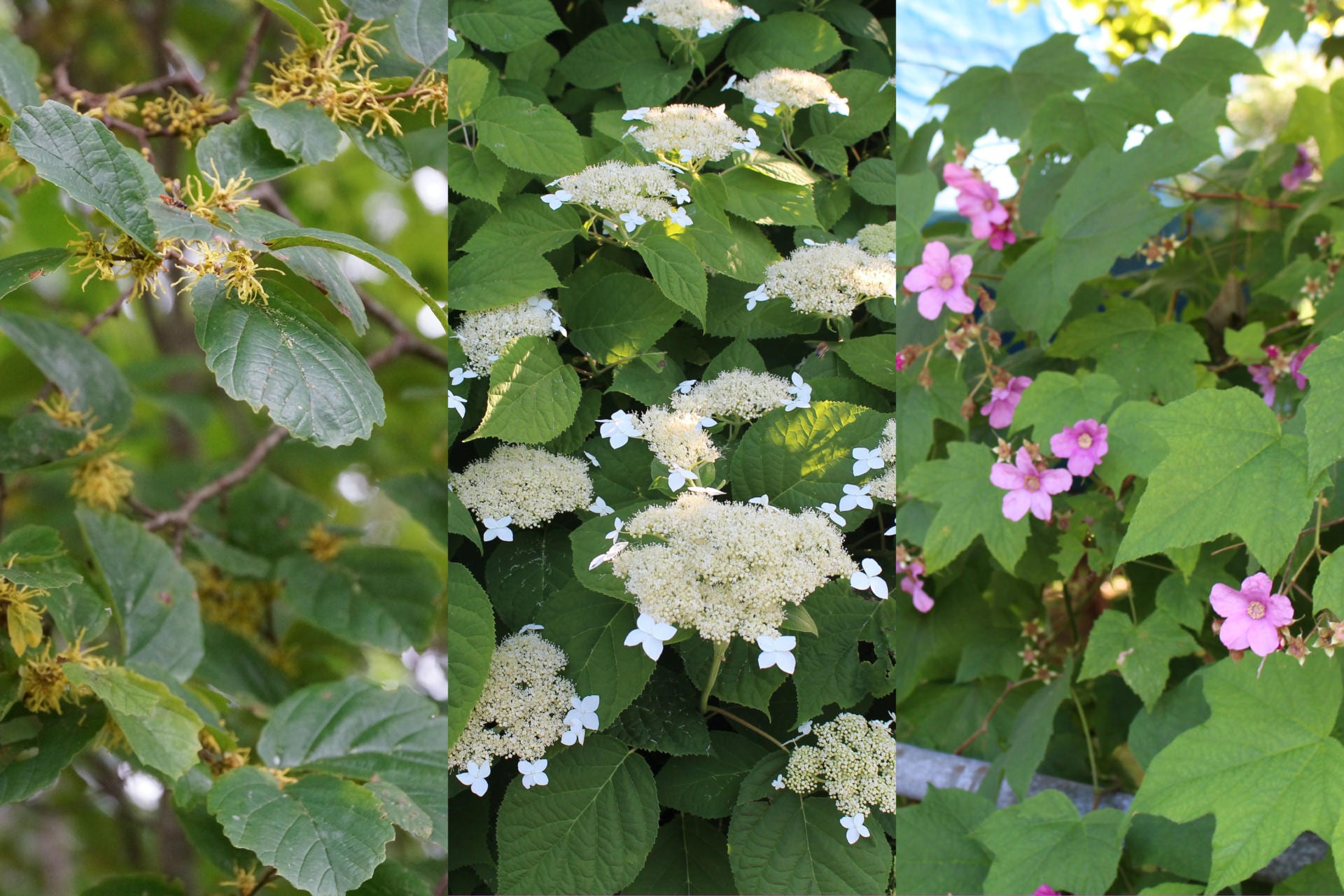
- A line of native trees and shrubs that grow naturally or are planted with local species.
- Often mixed species, layered by height and bloom time.
- Built to support wildlife, soil, and local ecology.
- A deliberately designed and often single-species row of shrubs or small trees.
- Focused on uniform form, quick screening, or formal style.
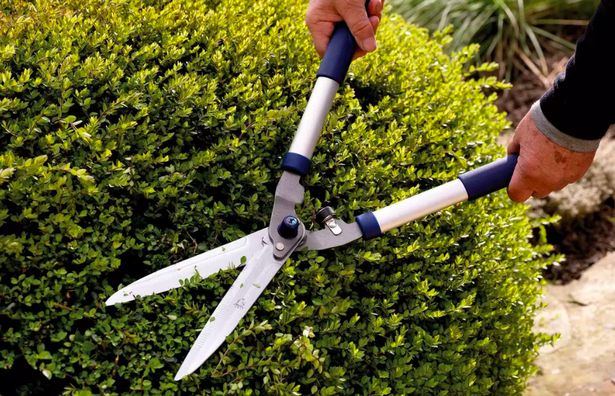
- Pruned and shaped regularly for neatness.
Native hedgerow vs planted hedge: the phrase captures the comparison people search for when choosing habitat value versus tidy form. Native hedgerows usually take longer to establish. Planted hedges give fast results but may need more chemical or mechanical care.
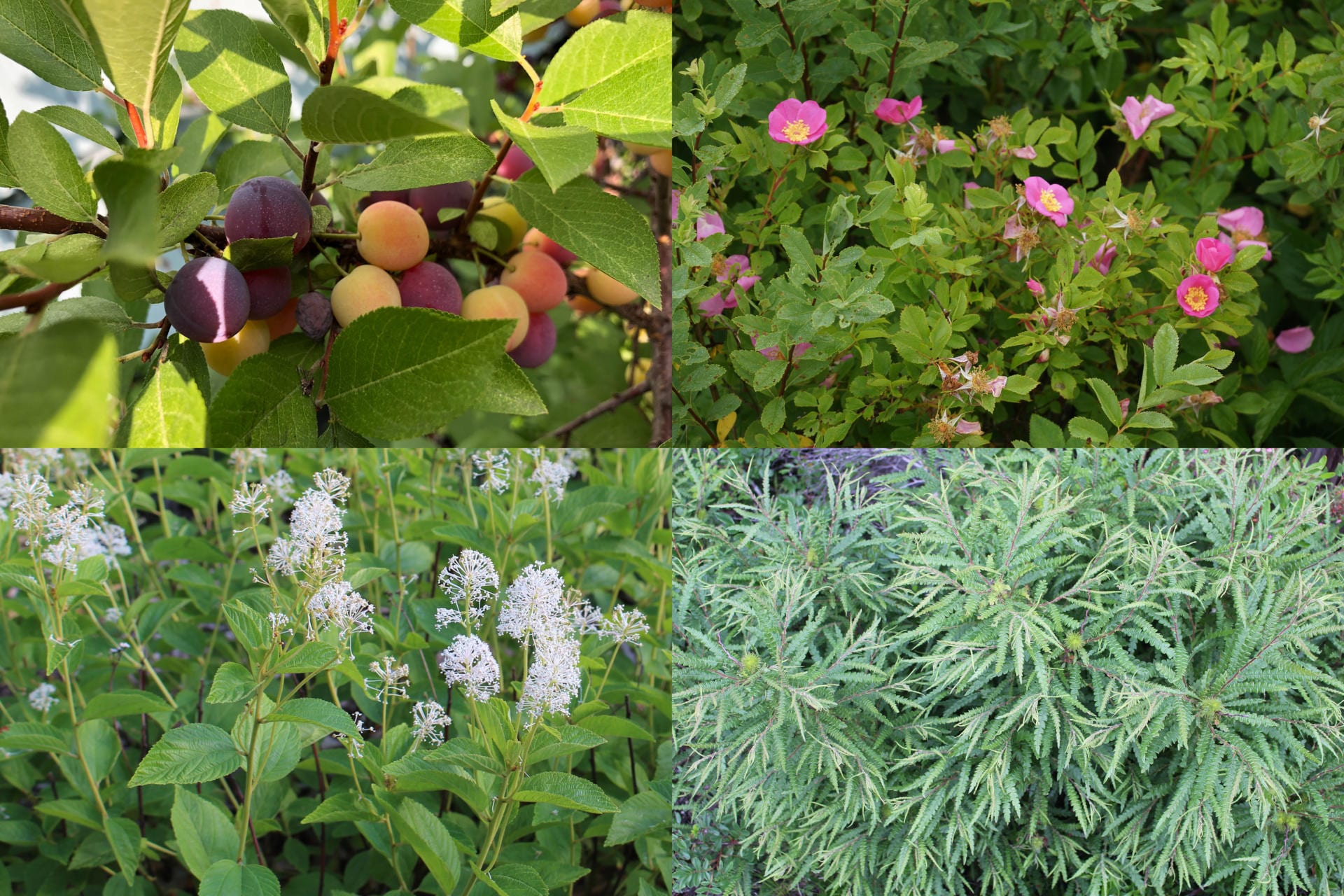
Key differences between native hedgerow vs planted hedge
Species mix and diversity
- Native hedgerow: many species in a single line. Good for birds and insects.
- Planted hedge: often one or two species. Easier to control pests of one type but less diverse.
Growth speed and appearance
- Native hedgerow: slower to form a dense screen yet develops a layered look.
- Planted hedge: fast, uniform, and tidy when planted as nursery stock.
Maintenance needs
- Native hedgerow: lower long-term pruning, higher early management to remove invasives.
- Planted hedge: regular trimming and occasional replacement of weak plants.
Pest and disease resilience
- Native hedgerow: mixed species reduce spread of single-host pests.
- Planted hedge: monocultures risk rapid disease spread if a pathogen arrives.
Ecological services
- Native hedgerow: stores carbon, prevents erosion, supports pollinators, and seeds food webs.
- Planted hedge: offers shelter and privacy, but less ecological depth unless native species are used.
Legal and planning issues
- Native hedgerows can be protected in some regions for their biodiversity value.
- Planted hedges may need permissions if they affect sightlines or drains.
Native hedgerow vs planted hedge decisions hinge on values: do you want habitat or a neat garden boundary?

Benefits of a native hedgerow
Supports wildlife
- Native hedgerow supplies nectar, seeds, berries, and nesting sites year-round.
- It boosts local bird and pollinator numbers.
Soil and water benefits
- Deep roots stabilize banks and improve soil structure.
- It absorbs runoff and reduces erosion.
Lower long-term inputs
- Once established, native hedgerows often need less fertilizer and fewer pesticides.
- They form resilient systems that self-regulate pests.
Cultural and landscape value
- They preserve local character and connect green corridors across fields and gardens.
Benefits of a planted hedge
- Fast privacy screen and noise buffer.
- Predictable look for formal landscaping.
- Easier to match a design theme in urban settings.
Native hedgerow vs planted hedge: native choices win for ecology. Planted hedges win for speed and form.
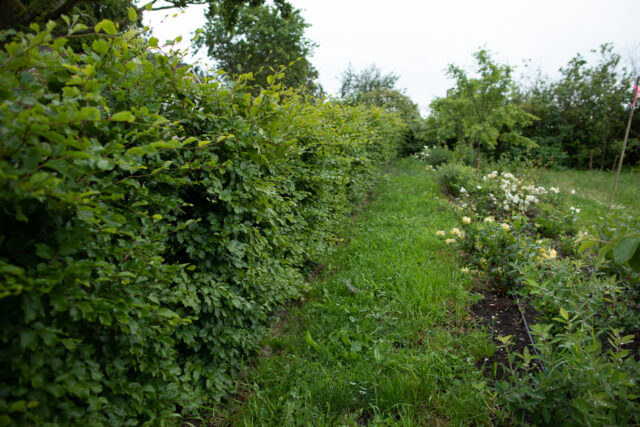
Costs, maintenance, and timeline
Initial cost
- Native hedgerow: lower plant cost if using whips, but more planting labor per meter.
- Planted hedge: higher cost for nursery-sized plants, but faster coverage.
Maintenance timeline
- Year 1 to 3: both need watering and weed control. Native hedgerow requires protection from rabbits and deer.
- Year 3 to 10: native hedgerow begins to flower and fruit. Planted hedge needs shaping each season.
- Year 10 onward: native hedgerow often becomes self-sustaining. Planted hedge requires ongoing pruning.
Typical tasks
- Native hedgerow: light pruning, selective removal, gap filling, and invasive control.
- Planted hedge: regular hedge trimming, fertigation if soil is poor, and disease checks.
Example budgets (per 100 feet, approximate)
- Native hedgerow using whips: lower plant costs, higher labor in planting season.
- Planted hedge using 3- to 4-foot shrubs: higher plant cost, higher pruning time annually.
From my projects: I once planted a native hedgerow along a farm lane. The first two years needed daily weed control. After year three, maintenance dropped and birds returned in droves. A planted privet hedge nearby was neat quickly but needed trimming every spring and the privet suffered leaf disease in year seven.
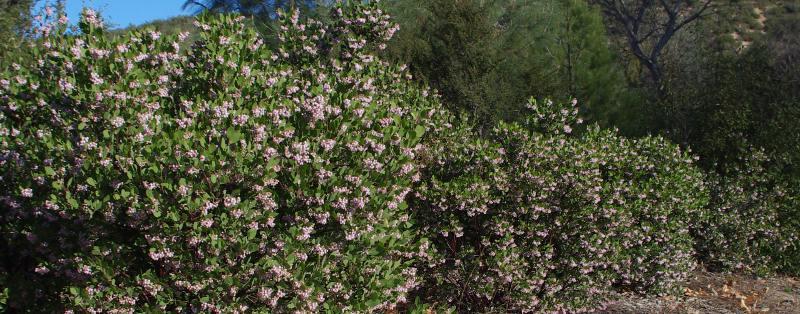
Wildlife and ecological impact
Food and shelter year-round
- Native hedgerow: provides staggered flowering and fruiting times. This feeds insects, birds, and mammals across seasons.
- Planted hedge: may offer short bursts of resources if species bloom briefly.
Pollinators and beneficial insects
- Native hedgerow: supports diverse pollinators and predatory insects that control pests.
- Planted hedge: limited if non-native species are used.
Connectivity and corridors
- Native hedgerow: links habitats and allows safe passage for wildlife across developed land.
- Planted hedge: can act as a barrier or corridor depending on design.
Carbon and soil health
- Native hedgerow: deeper roots and mixed species increase carbon storage.
- Planted hedge: contributes to carbon storage but usually less per meter if shallow-rooted species are used.
Native hedgerow vs planted hedge: choose native options when your top priority is wildlife and long-term ecosystem gains.

How to choose: site, goals, and planning
Step 1 — Define your goal
- Privacy and formal look: planted hedge may be best.
- Wildlife and habitat: native hedgerow is the better choice.
Step 2 — Check the site
- Soil type, drainage, and sun exposure determine species choices.
- Look for nearby seed sources and existing hedges to match local genotypes.
Step 3 — Think long term
- Space: native hedgerows need wider strips for layered growth.
- Budget: planted hedges cost more up front but can save time.
Step 4 — Legal and neighbor issues
- Ask local councils about hedgerow protections or planting rules.
- Communicate plans with neighbors if a hedge affects shared boundaries.
My rule of thumb after years of planting: if you have less than 3 feet of width and want instant privacy, choose a planted hedge. If you can give 6–10 feet and want to support life, opt for a native hedgerow.
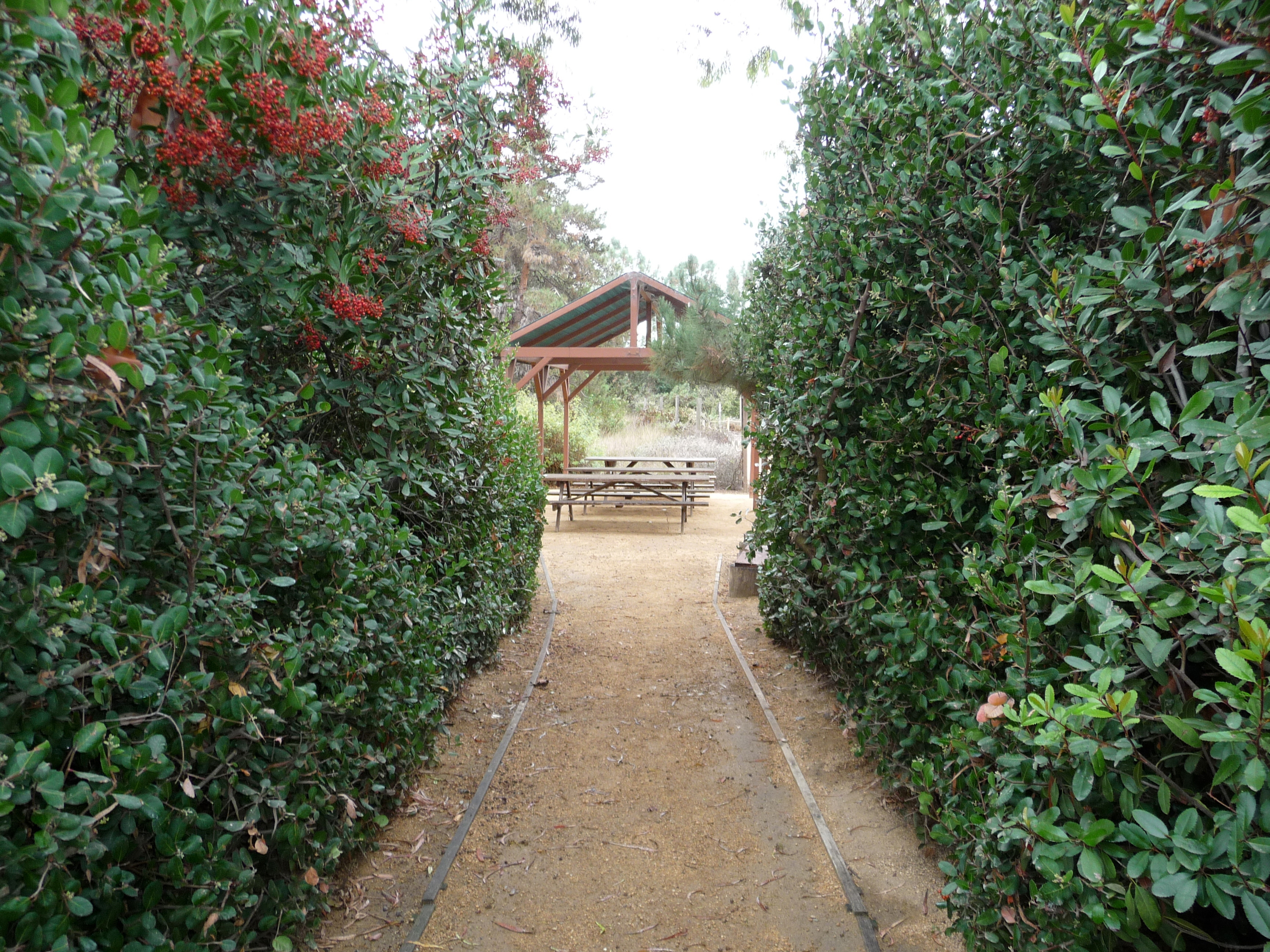
Planting and management tips
Design tips
- Use staggered, mixed species on a native hedgerow. This gives better coverage and season-long food.
- For planted hedges, choose stocky nursery plants and plant in a single, straight row for a neat look.
Planting steps
- Prepare soil by removing weeds and loosening the top layer.
- Space native whips 1 to 2 feet apart to form a dense hedge over time.
- Space planted shrubs 2 to 3 feet apart for quick closure.
Early care
- Mulch to retain moisture and suppress weeds.
- Water deeply in dry spells for the first two to three years.
- Protect young plants from grazing with guards or fencing.
Pruning and shaping
- Native hedgerow: prune sparingly and only to remove crossing branches or invasive stems.
- Planted hedge: prune annually to maintain shape and density.
Common mistakes to avoid
- Planting the wrong species for your soil or climate.
- Overfertilizing native hedgerows; this can favor weeds.
- Neglecting early weed control, which stunts young hedges.
From personal experience: I once planted a mixed native hedge too close to a driveway. The roots pushed up paving in year five. Lesson: allow root space and plan plant placement carefully.
Frequently Asked Questions of native hedgerow vs planted hedge
What is a native hedgerow and how does it differ from a planted hedge?
A native hedgerow is a mix of local trees and shrubs that supports wildlife. A planted hedge is often a formal, single-species row for privacy or design. The native option favors biodiversity while the planted option favors uniformity.
Which is cheaper to establish: native hedgerow vs planted hedge?
Initial costs vary. Native hedgerows can be cheaper for plants but cost more in labor; planted hedges require more nursery stock investment. Long term, native hedgerows often need less money for inputs.
How long does it take for each to provide privacy?
Planted hedges give privacy in two to three years when using larger nursery stock. Native hedgerows usually take five to ten years to form a full screen. Timing depends on species and care.
Which option supports pollinators and birds better?
Native hedgerows support more pollinators and birds because they offer varied food and shelter all year. Planted hedges can help wildlife if you choose native or wildlife-friendly shrubs. Mixed species are best for biodiversity.
Can I combine both approaches in one property?
Yes. Use a planted hedge for areas needing instant screening and native hedgerow where space allows. This hybrid approach balances quick results with ecological gains.
Do native hedgerows require more water than planted hedges?
Both need water when young. Once established, native hedgerows often tolerate local rainfall better. Planted hedges sometimes require ongoing irrigation depending on species and soil.
Are there legal protections for native hedgerows?
In some regions, native hedgerows are protected or recognized as important habitats. Check local regulations before removing or planting hedgerows. Protections aim to preserve biodiversity and landscape character.
Conclusion
Choosing between native hedgerow vs planted hedge shapes your landscape for decades. Native hedgerows give rich wildlife value, soil benefits, and lower long-term inputs. Planted hedges deliver quick privacy and a neat look when you need form and speed. Think about space, budget, and your goals. If you want my simple advice: give wildlife a home where you can, and use planted hedges where function must be immediate. Try a mix if you can. If this helped, consider planting one section this season and watch how life returns—then share your progress or ask questions below.