Fast Growing Hedging Plants Guide: Create A Lush Hedge Fast
Fast growing hedging plants guide: pick the right quick-growing hedge for privacy and low-maintenance beauty.
I’ve grown and cared for hedges for over a decade, and this fast growing hedging plants guide brings hands-on tips, plant picks, and clear steps you can use now. Read on to learn which hedges grow fastest, how to plant them, and how to keep them healthy without guesswork.
Why choose fast growing hedging plants guide matters
A fast hedge saves time. It creates privacy, windbreaks, and structure quickly. Many gardeners want results in months, not years. This fast growing hedging plants guide explains realistic timelines and trade-offs.
Fast growth can mean more pruning and water needs. I’ve learned that choosing the right species for your soil and climate cuts work a lot. Use this guide to match plants to your goals and avoid common mistakes.

Top fast growing hedging plants and what to know
Choose plants that suit your region and soil. Below are reliable, fast options and quick notes on growth rate, form, and care.
- Leyland Cypress — Grows 3 to 4 feet per year. Great for tall privacy screens. Needs full sun and well-drained soil. Prune lightly to keep shape.
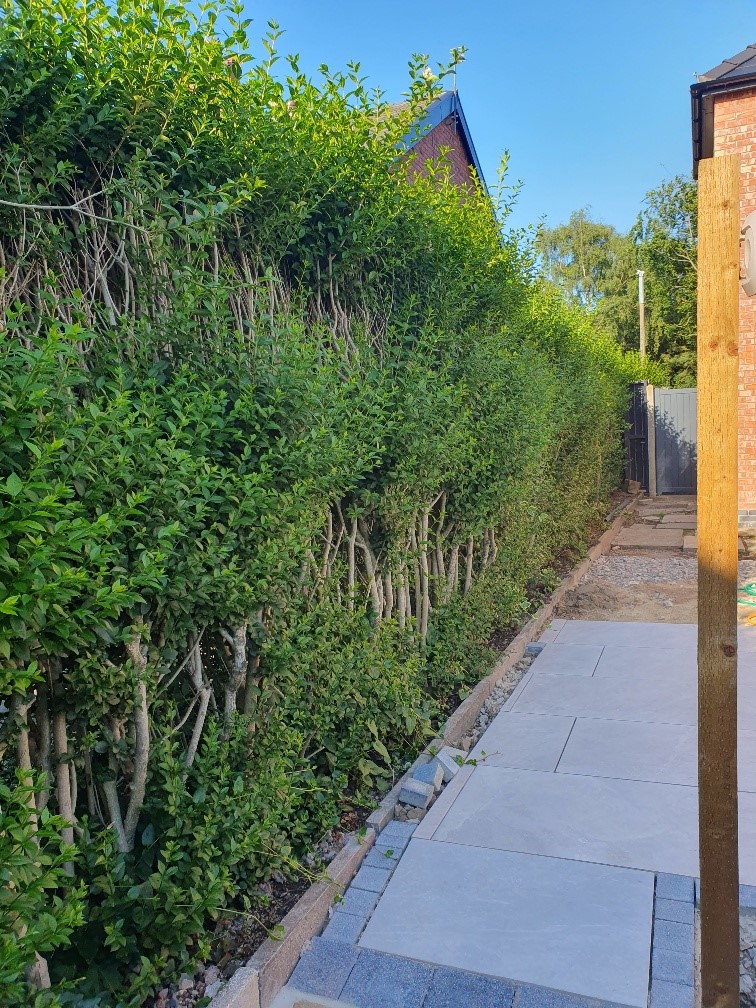
- Privet (Ligustrum) — Grows 2 to 3 feet per year. Dense and easy to shear. Tolerates shade and pollution. Needs regular pruning to avoid legginess.
- Laurel (Cherry laurel) — Grows 2 feet per year. Thick glossy leaves and good for evergreen privacy. Prefers moist, fertile soil.
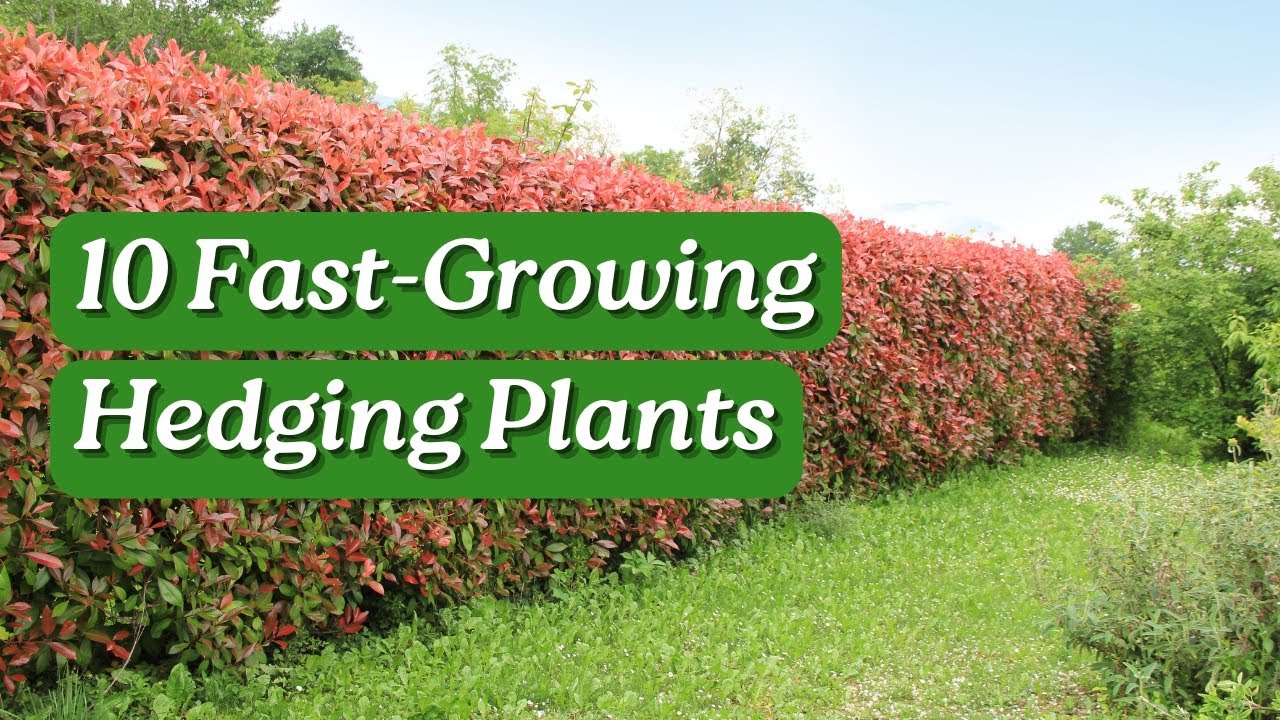
- Photinia (Red tip) — Grows 2 feet per year. Offers bright red new growth. Prune after leaf flush to keep tidy form.
- Bamboo (clumping types) — Grows rapidly, often several feet in a season. Use clumping bamboo for hedges to avoid spread. Needs regular watering and containment.
- Hornbeam — Grows 1.5 to 2 feet per year. Holds dry leaves in winter for year-round screening. Strong for formal hedges.
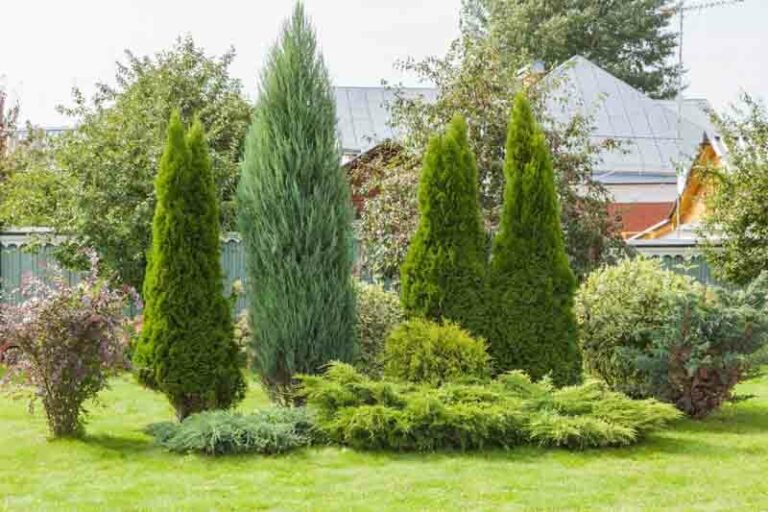
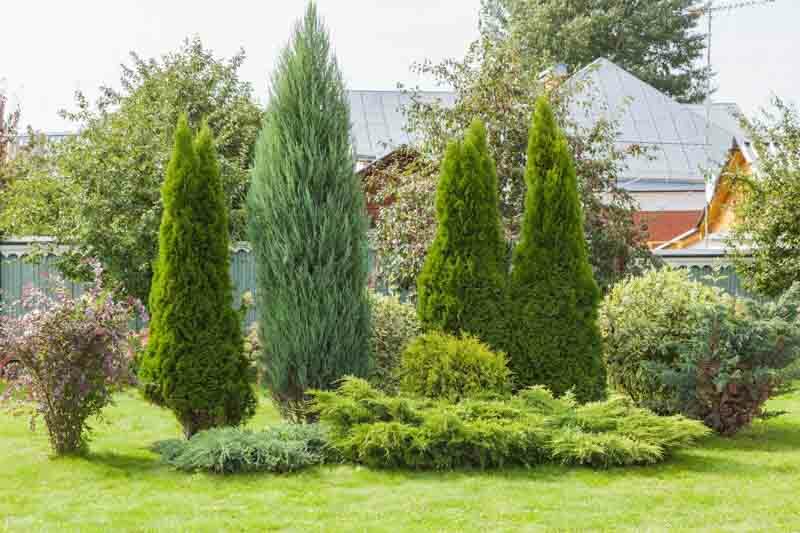
- Thuja (Arborvitae) — Grows 2 to 3 feet per year. Narrow columnar forms are good for tight spaces. Likes full sun and consistent moisture.
- Escallonia — Grows 1.5 to 2 feet per year. Flowering evergreen with glossy leaves. Tolerates coastal exposure.
- Elaeagnus (Silverberry) — Grows 2 to 3 feet per year. Tough and fast, tolerant of poor soils and salt spray.
- Photinia x fraseri — Fast and showy with red new shoots. Plant in groups and trim after growth flush.
I have used Leyland Cypress and Thuja for quick privacy. Leyland gives the fastest screen but needs more pruning and disease checks. This fast growing hedging plants guide helps you weigh speed against maintenance.

How to plan and plant a fast hedge
Good planning speeds success. Follow these steps for strong establishment.
- Pick the right species for your climate and soil.
- Measure spacing for mature size; overcrowding creates disease.
- Prepare the soil: remove weeds and add compost for drainage and nutrients.
- Dig holes the same depth as the root ball and twice as wide.
- Water thoroughly after planting and mulch to retain moisture.
- Stake young plants if wind is an issue and protect from frost or sunburn.
Spacing examples:
- Leyland Cypress: 3 to 4 feet apart for a continuous screen.
- Privet: 18 to 24 inches apart for a dense hedge.
- Thuja: 2 to 3 feet apart for a rapid columnar screen.
I once planted a fast hedge of privet with too-dense spacing. They grew quickly but developed fungal issues. Replanting with proper spacing fixed the problem. This fast growing hedging plants guide stresses spacing and soil prep to avoid that.

Watering, feeding, and early care
Young hedges need more care than mature ones. Here are simple routines that work.
- Water deeply once or twice a week in dry weather during the first season.
- Use a balanced slow-release fertilizer in early spring for the first two years.
- Mulch 2 to 3 inches deep, keeping mulch away from stems.
- Check for pests and stress weekly during establishment.
Avoid overwatering. Soggy soil invites root rot. Monitor soil moisture by touch. I use a simple trick: push a finger into the soil around the root zone. If it’s dry below the surface, water deeply. This fast growing hedging plants guide focuses on practical checks like this.

Pruning, shaping, and maintenance schedule
Pruning shapes hedges and encourages dense growth. Fast growers need a planned schedule.
- First year: remove damaged branches and let the plant establish.
- Second year: tip prune to encourage bushy growth. Light trims every few months.
- Mature hedge: shear once or twice a year depending on species and growth rate.
- Always use clean, sharp tools to avoid disease transfer.
Best time to prune:
- Early spring for major shaping before active growth.
- Late summer for a light trim, avoiding heavy cuts in fall to prevent frost damage.
My rule: prune less, but prune on time. Over-pruning fast growers can stress them. This fast growing hedging plants guide recommends measured cutting to keep hedges healthy and full.
Common problems and solutions
Fast hedges face pests, disease, and environmental stress. Here are common issues and fixes.
- Brown tips and dieback — often from drought, salt, or root girdling. Improve drainage and water deeply.
- Fungal leaf spots — thin canopy for airflow and remove affected leaves. Use targeted fungicide if severe.
- Pests like scale or aphids — introduce beneficial insects or use targeted treatments.
- Leggy growth — usually from lack of light or poor pruning. Trim to promote bushier branches.
When in doubt, remove one plant and inspect roots and soil. Early diagnosis saves time and prevents spread. My experience shows small fixes early avoid wholesale replacements. This fast growing hedging plants guide recommends regular checks to catch problems early.

Design ideas and landscape uses
Fast hedges are very useful. Use them to solve common yard needs.
- Privacy screens — place along property lines or around patios.
- Windbreaks — plant in tiers for wind reduction and shelter for other plants.
- Formal borders — use hornbeam or privet clipped into neat shapes.
- Mixed wildlife hedges — combine flowering and fruiting species for habitat.
- Sound barrier — dense evergreen hedges reduce noise when planted as a strip.
I once used a mix of laurel and photinia to create a living wall that flowered and gave privacy within a year. This fast growing hedging plants guide shows how combining species can meet multiple goals.
Environmental and legal considerations
Fast-growing hedges can have impacts and rules to follow.
- Check local ordinances for maximum hedge height and boundary planting rules.
- Avoid invasive species in your region; select native or non-invasive options.
- Consider water use — drought-tolerant species reduce irrigation needs.
- Think about wildlife: flowering hedges support pollinators and birds.
I recommend checking local plant lists before buying. Once I planted a non-native without checking and later had to replace it due to restrictions. This fast growing hedging plants guide urges informed choices.

Frequently Asked Questions of fast growing hedging plants guide
What is the fastest hedging plant for privacy?
Leyland cypress and clumping bamboo are among the fastest for rapid privacy. They can add several feet of height in a single growing season.
Can fast hedges survive drought?
Some can if you choose drought-tolerant types like Elaeagnus or certain Thuja varieties, but most fast growers need regular water to maintain rapid growth.
How often should I prune a fast growing hedge?
Light trimming two to three times per year typically keeps fast hedges neat; major shaping is best in early spring.
Are fast-growing hedges more prone to disease?
They can be if stressed or planted too densely. Proper spacing, airflow, and regular checks reduce disease risk.
Should I plant a mixed-species hedge?
Yes. Mixed hedges offer better pest resistance, seasonal interest, and habitat value than single-species blocks.
Conclusion
This fast growing hedging plants guide gives clear choices, planting steps, and maintenance tips to get a healthy, quick hedge. Pick species that match your climate, prepare the soil well, space plants correctly, and prune on a schedule. Start small, learn from planting one test row, and scale as you gain confidence.
Take action this season: choose one species from this guide, prepare a planting plan, and commit to the first two years of care. Share your results or questions below and subscribe for more hands-on gardening guides.