Grow Bags Vs Plastic Pots: Best Choice For Healthy Plants
Grow bags offer better root health and drainage, while plastic pots are durable and reusable.
I have tested both grow bags and plastic pots for years in small urban gardens and on a community plot. I will walk you through the practical differences, pros and cons, and clear guidance on when to pick grow bags vs plastic pots. Expect hands-on tips, simple science, and easy steps to choose the right container for your plants.

Why gardeners compare grow bags vs plastic pots
Gardeners talk about grow bags vs plastic pots because each changes how roots grow. The choice affects water use, temperature, and plant health. I will explain real trade-offs so you can pick what fits your space and goals.

How grow bags and plastic pots work
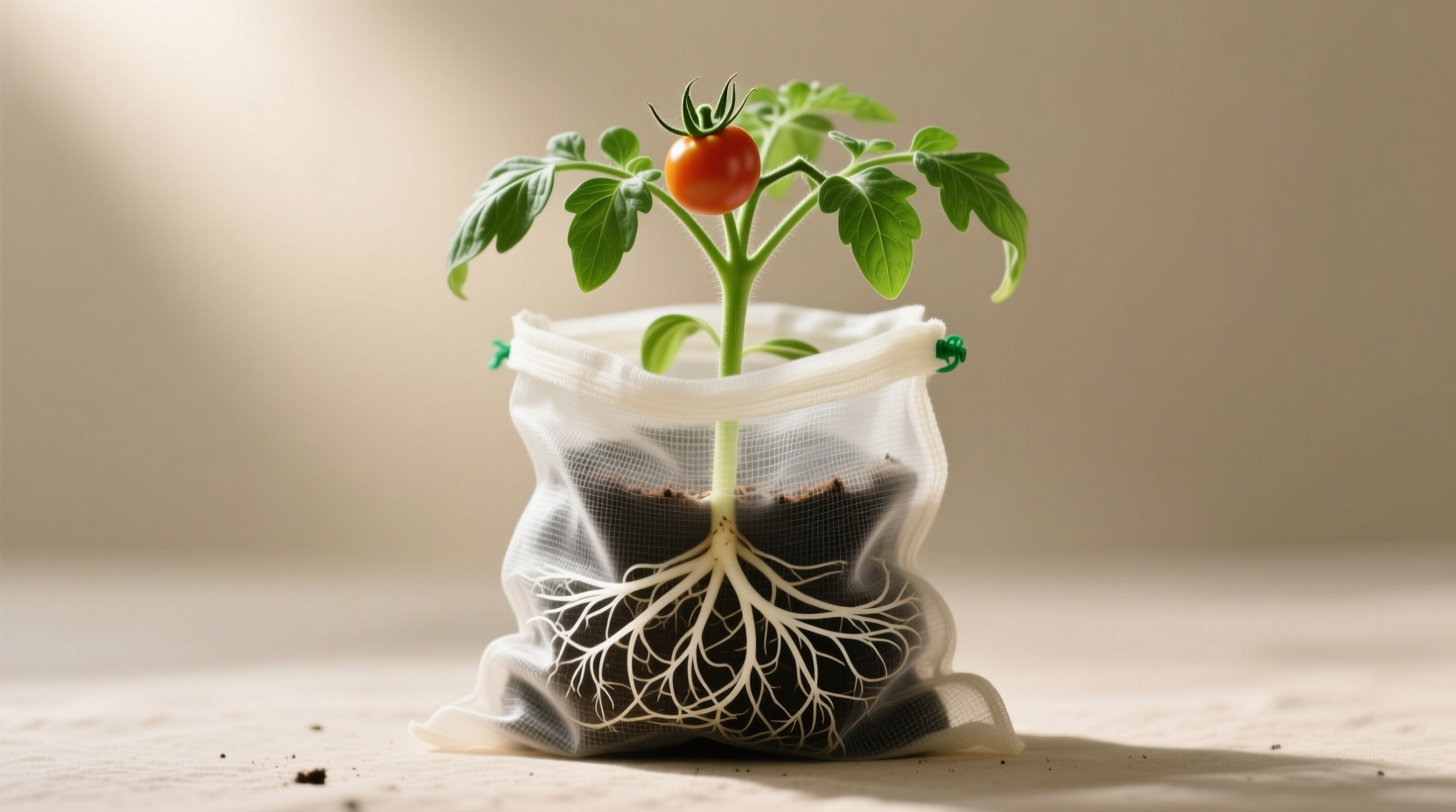
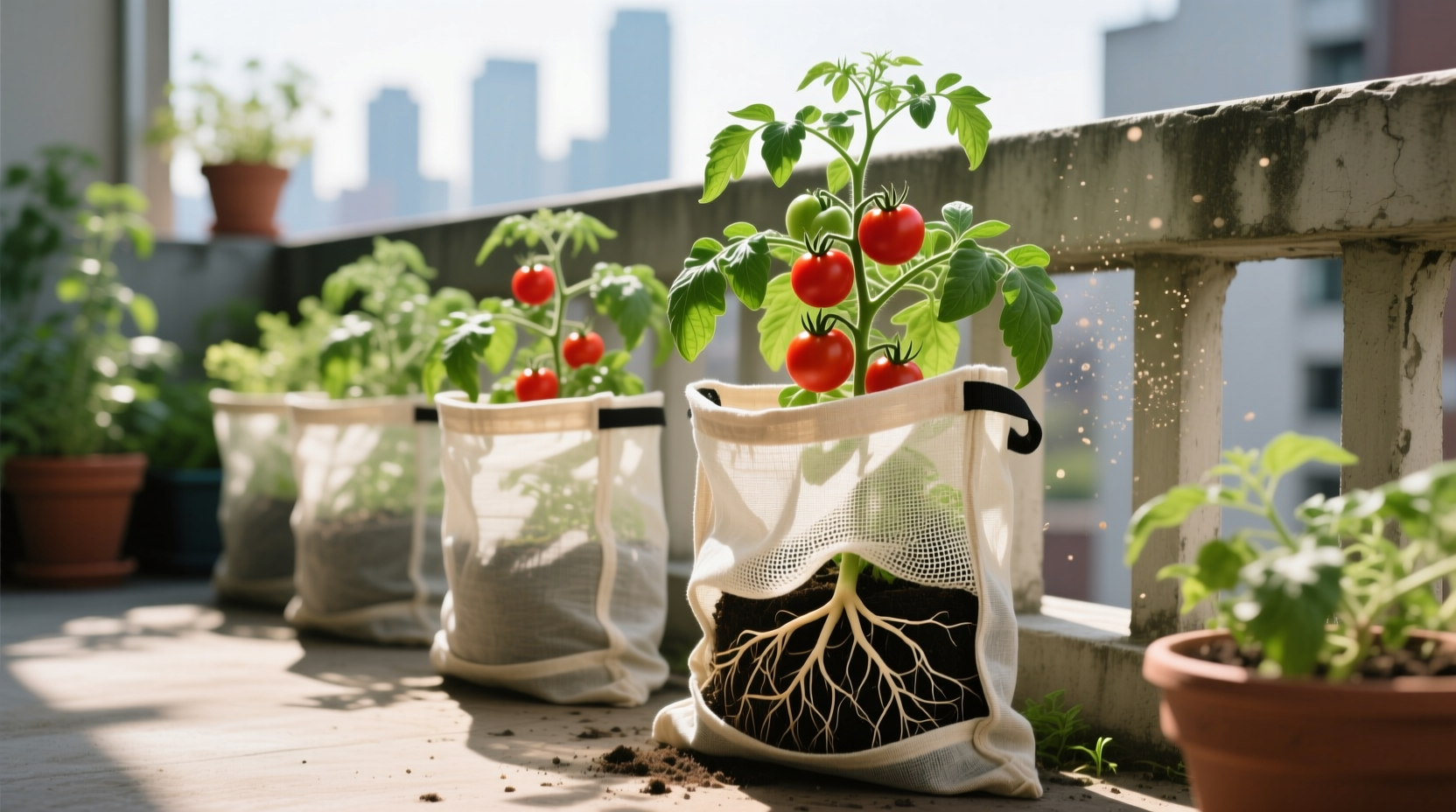
Grow bags are typically made from breathable fabric. They let air reach the root zone and drain fast. This helps with root pruning and prevents circling roots.
Plastic pots are solid containers made from rigid plastic. They hold water longer and keep soil warm. They can be reused many times and come in many sizes.
Are grow bags better for root health?
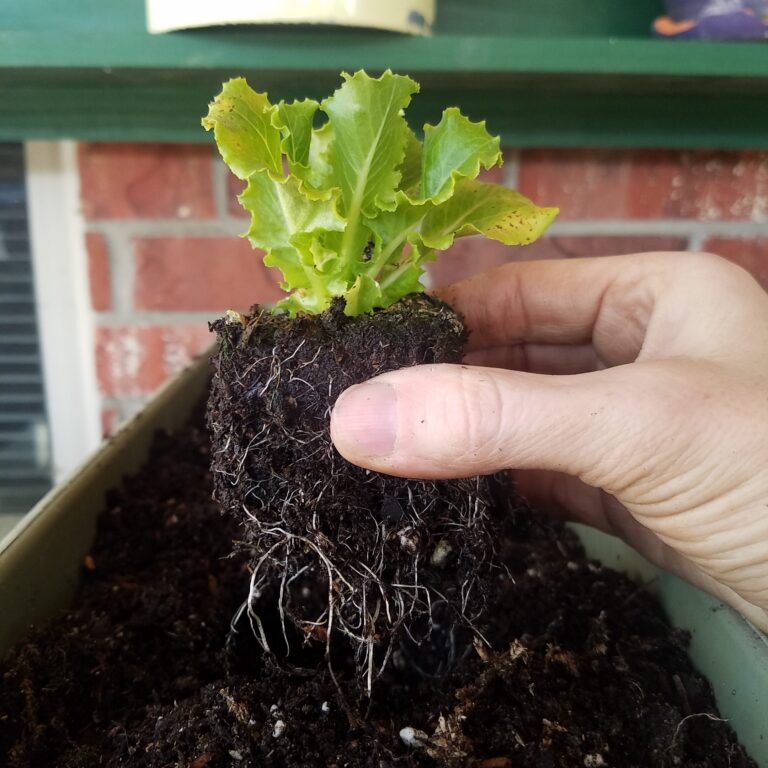
Yes. Grow bags air-prune roots. That stops root circling and makes a denser root mass that often supports healthier top growth.
Do plastic pots retain water longer?
Yes. Plastic pots slow drainage. This helps in dry climates or for gardeners who want less frequent watering.
Can both be reused?
Both can be reused. Plastic pots last many seasons. Fabric grow bags can be reused for a few seasons if stored dry and cleaned.
Key differences at a glance: grow bags vs plastic pots
- Drainage and aeration: Grow bags drain fast and breathe. Plastic pots hold moisture and air poorly.
- Root behavior: Grow bags air-prune. Plastic pots can cause root circling.
- Temperature control: Grow bags stay cooler. Plastic pots heat soil faster.
- Weight and mobility: Grow bags are light when empty. Plastic pots can be heavy when filled.
- Durability: Plastic pots last longer. Grow bags wear out faster.
- Cost: Grow bags often cost less up front. Plastic pots can be economical long term.
- Environmental impact: Some grow bags are recyclable fabric. Many plastic pots are recyclable but end up in waste more often.
- Aesthetics: Plastic pots come in neat shapes. Grow bags look casual and flexible.

Pros and cons of grow bags
Pros:
- Better root health from air pruning.
- Improved drainage reduces root rot risk.
- Cooler root zone in hot weather.
- Lightweight and easy to store.
Cons:
- Less durable over many seasons.
- Can dry out faster and need more frequent watering.
- Not as rigid for tall or heavy plants.
My experience: I grew tomatoes in a 10-gallon grow bag for three seasons. Plants stayed vigorous and the soil stayed loose. I learned to water more often and to place a saucer or tray beneath in strong winds.

Pros and cons of plastic pots
Pros:
- Durable and reusable for many years.
- Hold water longer, so less frequent watering.
- Rigid shape supports heavy plants and large soil volumes.
- Wide range of colors and sizes.
Cons:
- Can encourage root circling without intervention.
- Heat up faster in sun, which can stress roots.
- Heavier to move when full.
My experience: I used plastic pots for seedlings and overwintering. They kept pots moist and protected fragile roots in cold months. I solved root circling by trimming roots or repotting into larger containers.
How to choose: which is right for you?
Step 1: Match the container to the plant
- Use grow bags for shallow-rooted crops, fast-growing veggies, and heat-sensitive plants.
- Use plastic pots for long-term shrubs, heavy plants, or when you need to move pots less.
Step 2: Consider climate and watering habits
- Choose grow bags in hot areas or where drainage is key.
- Choose plastic pots in cool, windy, or drought-prone areas to retain moisture.
Step 3: Think about space and storage
- Grow bags fold flat for easy winter storage.
- Plastic pots stack and store if you have shelf space.
Step 4: Budget and reuse
- If you want long-term reuse, pick sturdy plastic pots.
- If you want low cost and lightweight setup, buy grow bags.
Practical checklist:
- Assess plant size and root depth.
- Decide how often you will water.
- Consider where you will store containers off season.

Care, maintenance, and practical tips
Watering tips:
- Check soil daily in hot weather with grow bags.
- Use a moisture meter or stick finger 1–2 inches deep.
Soil and feeding:
- Use a well-draining mix with compost for both container types.
- Add slow-release fertilizer for longer intervals between feedings.
Cleaning and reuse:
- Clean plastic pots with mild bleach solution each season.
- Let grow bags dry fully and brush out old soil to extend life.
Placement and support:
- Put grow bags on a solid surface or tray to protect decks.
- Use pot feet under plastic pots to improve drainage and airflow.
A few mistakes I learned:
- Do not let grow bags sit in puddles; roots need oxygen.
- Avoid tiny plastic pots for big plants; they stunt growth quickly.
- Add shade cloth in very hot sun for plastic pots to avoid overheating.
Short search questions about grow bags vs plastic pots
Which gives higher yields, grow bags or plastic pots?
Often grow bags give higher yields for tomatoes and peppers due to better root health. Results vary by care, soil, and watering.
Are grow bags environmentally friendly?
They can be, if made from natural or recycled fabrics and if reused. Single-use thin bags are less eco-friendly.
Do plastic pots cause root problems?
They can, if roots circle and become root-bound. You can reduce this by repotting or trimming roots.
Frequently Asked Questions of grow bags vs plastic pots
How long do grow bags last?
Most fabric grow bags last two to five seasons with care. Thicker, higher-quality bags can last longer if kept dry and cleaned.
Can I use the same soil when switching containers?
You can reuse soil but refresh it with compost and fertilizer. Old soil can carry pests or diseases, so inspect and refresh for best results.
Are plastic pots safe for edible plants?
Yes. Many gardeners use food-safe plastic pots for vegetables and herbs. Rinse and clean pots between uses.
Should I double-pot a grow bag in winter?
Double-potting can add insulation for root protection in cold climates. Use a plastic pot or insulated sleeve around the grow bag.
Do grow bags need saucers?
Saucers help contain runoff and protect surfaces. They are useful in balconies or patios to keep areas clean.
Can I move large grow bags easily?
Large grow bags filled with soil can be heavy, but they are lighter to lift empty. Use a dolly or slide them slowly when full.
How to prevent root circling in plastic pots?
Repot into a larger pot or prune circling roots at transplant. Add holes or air pruning inserts to encourage healthier root systems.
Conclusion
Grow bags vs plastic pots is a choice about roots, care, and how you live with your garden. Grow bags often boost root health and cooling, while plastic pots bring durability and moisture retention. Try both on a small scale. Test one plant in a grow bag and one in a plastic pot. Track watering needs and growth for a season.
Takeaway: pick the setup that matches your plants, climate, and time. Try, learn, and adjust. If this helped, leave a comment, share your results, or subscribe for more practical garden tips.