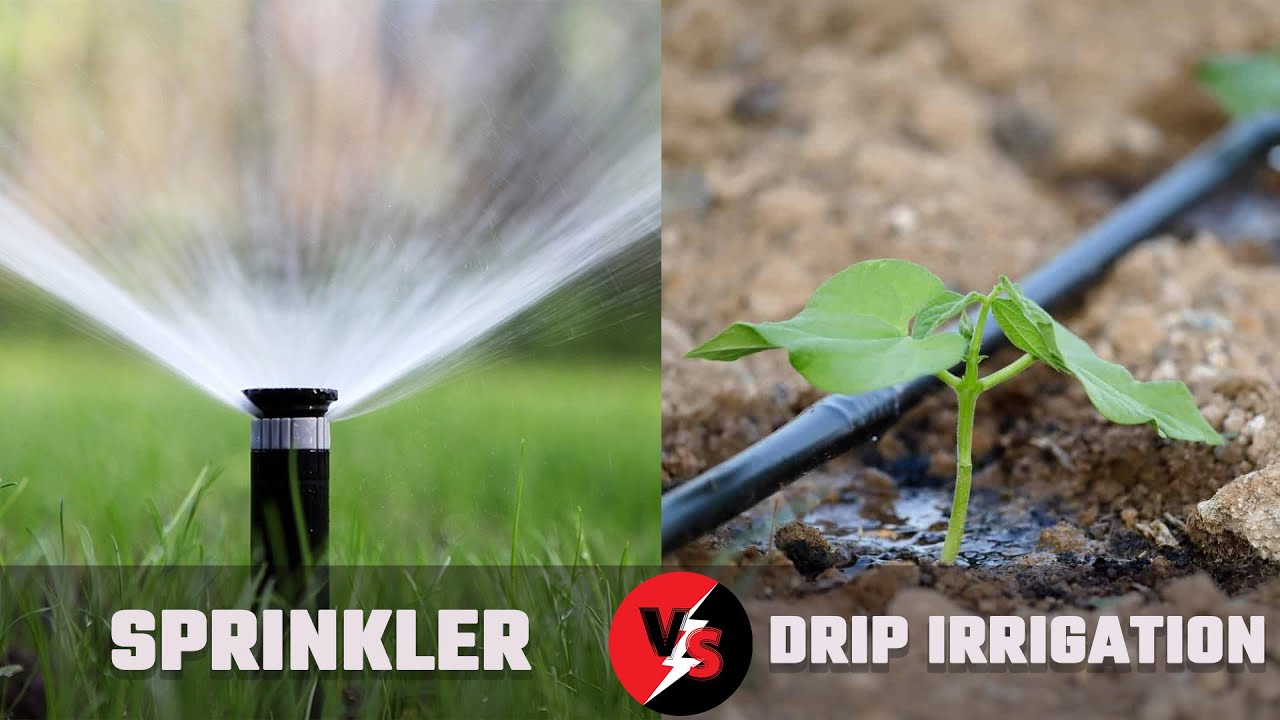
Drip Irrigation Vs Sprinkler Irrigation: Ultimate Guide 2026
Drip saves water and boosts plant health; sprinklers suit lawns and frost protection.
I help growers and homeowners choose and tune systems every season. This guide breaks down drip irrigation vs sprinkler irrigation with clear facts, field notes, and simple steps. You will see where each one shines, where it fails, and how to make the right call for your soil, climate, and budget. If you want a fair and complete look at drip irrigation vs sprinkler irrigation, you are in the right place.

What is drip irrigation?
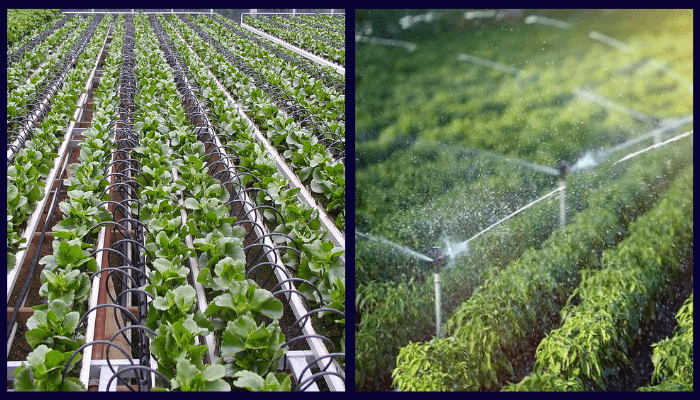
Drip irrigation delivers water straight to the root zone. It uses low pressure and low flow. Lines sit on the soil or under mulch. Emitters release water in slow drops.
A basic system has a filter, a pressure regulator, a valve, a timer, and tubing with emitters. You can add a flush valve and a fertilizer injector. You can also bury drip lines for a clean look.
Benefits are strong. Water loss is low. Evaporation is tiny. Weed growth drops since dry soil sits between rows. Leaves stay dry and disease risk falls. Studies often show 30 to 50% less water use with equal or better yield.
Limits do exist. Emitters can clog. Fine sand, iron, and algae are common issues. Good filtration is a must. Rodents can chew tubing. Salt can build near the wetting front in hot, dry sites.
Drip fits beds, shrubs, vines, and trees. It also fits slopes and narrow strips where sprays waste water. It can fertigate with ease. It likes low pressure, which also saves energy.
When you weigh drip irrigation vs sprinkler irrigation, note that drip targets the plant and the root. That is its edge.

What is sprinkler irrigation?
Sprinklers throw water into the air. Heads spray in a full or part circle. Pop-ups sit flush with turf. Rotors throw big streams for large areas.
A common setup has a controller, valves, lateral pipes, and matched heads. Pressure and nozzle choice decide uniformity. You can add a rain or soil sensor.
Sprinklers shine on turf and ground covers. They cool leaves on hot days. They help with seed sprout and frost control. They cover odd shapes when designed well.
But there are trade-offs. Wind drift and evaporation can be high. Hot, dry air can steal 10 to 30% of flow before it hits the soil. Water can pool and run off on slopes or clay soils. Wet leaves can trigger disease in some crops.
When you compare drip irrigation vs sprinkler irrigation, note that sprinklers water the surface and the air. That can be good or bad, based on your goal.

Drip irrigation vs sprinkler irrigation: key differences
Here is how they stack up in real use.
- Water use and efficiency. Drip often reaches 85 to 95% application efficiency. Sprinklers are often 60 to 75%, lower in wind.
- Uniformity. Drip is very even when lines run straight and clean. Sprinklers need head-to-head coverage and matched nozzles to keep even.
- Evaporation and wind loss. Drip is near zero. Sprinklers can lose much in heat or wind.
- Soil impact. Drip reduces crusting and erosion. Sprinklers can seal soil on fine textures if runs are too long.
- Disease risk. Drip keeps leaves dry. Sprinklers wet the canopy.
- Flex and scale. Drip is great for rows, beds, hedges, and trees. Sprinklers are better for lawns and open fields.
- Setup and care. Drip needs filters, pressure control, and flushing. Sprinklers need audits, head tune-ups, and winter blow-outs in cold zones.
- Cost. Drip can cost more up front per plant area. Sprinklers can be cheaper per square foot for turf. Results vary by site.
- Fertilizer control. Drip is ideal for fertigation. Sprinklers wash nutrients over the whole surface.
From a pure water view, drip wins in many crops and beds. In large turf, parks, and sports fields, sprinklers still rule. That is the core of drip irrigation vs sprinkler irrigation.

Water efficiency, soil health, and environment
Water is only part of the story. Soil health also matters. Drip feeds small sips that match uptake. Roots get air and water. That balance helps microbes thrive.
Sprinklers can push faster than the soil can drink. That leads to runoff and waste. On sandy soil, they can also leach nitrate past roots. Shorter cycles help fix this.
Drip can cut weeds. Dry soil between rows slows germination. It can also cut foliar disease. In many trials, drip raised marketable yield by 10 to 30% with less water. Pumping energy is lower due to low pressure. That cuts both cost and carbon.
There are limits. In hot, saline areas, salts can edge near emitters. A light sprinkler pass or rain can push salts back down. Good design plans for this.
The planet wins when waste drops. This is why drip irrigation vs sprinkler irrigation is now a top search in dry regions.
Cost, ROI, and payback
Cost varies by crop, site, and labor. Here is a simple view.
- Home beds and shrubs. Expect a mid-range cost for drip parts and a filter. Labor is modest for DIY. Savings come from less water and fewer weeds.
- Turf zones. Sprinklers often cost less per square foot to install on large lawns. Parts are common and labor is fast.
- Farms and orchards. Subsurface or surface drip can run from a few hundred to a few thousand dollars per acre, based on emitter spacing and terrain. Sprinkler sets or pivots scale well but need more pressure and energy.
Payback depends on water price. Where water is costly, drip can pay back in one to three seasons. In my work, a 1,000 square foot bed saved about 12,000 gallons per year after a switch from sprays to drip. That cut the bill by a third and paid back parts in under two years.
When you do the math on drip irrigation vs sprinkler irrigation, include energy, disease control, and labor. Those hidden costs add up.

Suitability by crop and landscape
Plants and spaces have clear winners.
Best fits for drip:
- Vegetable beds and raised planters.
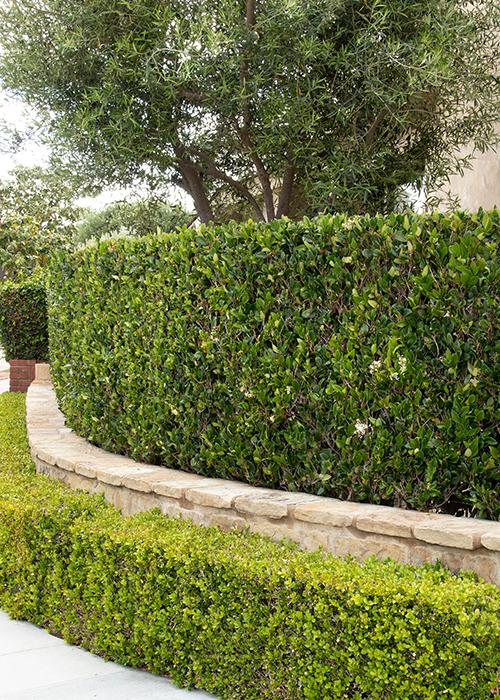
- Hedges, shrubs, roses, and perennials.
- Orchards, vines, and berries.
- Slopes, narrow strips, and areas near walls or fences.
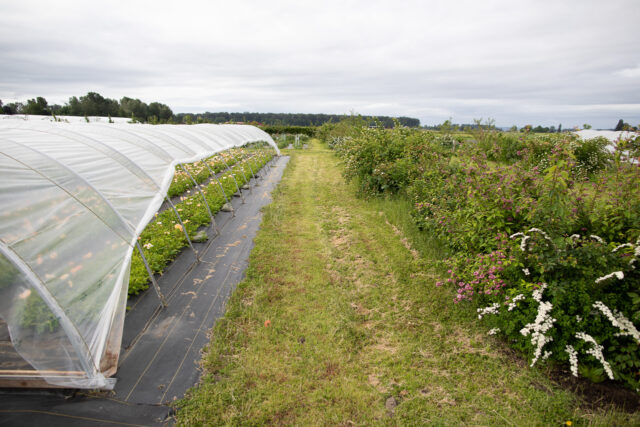
- Greenhouses and hoop houses.
Best fits for sprinklers:
- Lawns, parks, and sports turf.
- Seedbeds that need even surface wetting.
- Frost protection for orchards during cold snaps.
- Large open fields with uniform grade.
Edge cases:
- Windy sites favor drip.
- Very sandy soil can take both, but drip with closer emitters shines.
- Heavy clay likes gentle drip pulses to avoid runoff.
If you still weigh drip irrigation vs sprinkler irrigation, list your plant types and site limits. The right match will stand out.

Design, installation, and maintenance
Good design saves water and time. Here is a fast plan for each type.
Drip design tips:
- Filter the water. Use a screen or disc sized to your emitter.
- Regulate pressure. Aim for the emitter spec, often 10 to 30 psi.
- Zone by plant need and sun exposure.
- Space emitters to overlap wetting patterns for full root coverage.
- Flush lines at install and each season.
Sprinkler design tips:
- Use head-to-head coverage. Each spray should reach the next head.
- Match precipitation rates across a zone.
- Keep pressure in spec. Add pressure regulation at heads or valves.
- Avoid misting. If you see fog, pressure is too high.
- Set cycle-and-soak on slopes or clay.
Maintenance must be routine.
- For drip, flush ends, check filters, and replace clogged emitters.
- For sprinklers, align heads, clear grass that blocks spray, fix leaks, and winterize where it freezes.
A small audit each spring will pay off. In the end, strong design is the heart of drip irrigation vs sprinkler irrigation.

Smart irrigation and automation
Smart tools help both systems shine.
- Weather-based controllers adjust run time after rain or heat.
- Soil moisture sensors keep zones off until the root zone is dry.
- Flow sensors flag leaks fast. Alerts save water and damage.
- Pulse irrigation runs short, repeat cycles. Drip loves this on clay soils.
- Remote apps provide data and control while you are away.
In side-by-side use, smart control can save 20 to 40% more water. It also adds trust. This adds weight to the case for drip irrigation vs sprinkler irrigation in busy homes and farms.
Real-world examples and lessons learned
From my own yard, I swapped a side yard spray zone to 0.5 gallon per hour inline drip. The slope had runoff with sprays. After the switch, the soil stayed moist but firm. Plant loss dropped to zero in summer. I cut the schedule to three short pulses per day during heat waves. It worked like a charm.
On a 12-acre berry farm, we moved from big gun sprinklers to dual-line drip with pressure-comp emitters. Water use dropped by about 35%. Fruit quality rose since leaves and fruit stayed dry. The grower noted less botrytis. The key was filters and a strict flush plan.
Mistakes to avoid:
- Do not skip filters on drip. Clogs will ruin your day.
- Do not mix spray and rotor heads in one zone. Rates will not match.
- Do not set long runs on clay. Use cycle-and-soak or drip pulses.
- Do not bury drip too deep for annual beds. Two inches is plenty.
These field notes shape how I frame drip irrigation vs sprinkler irrigation for new clients.
How to choose: a simple decision framework
Answer these quick checks.
- Is most of the area turf? Choose sprinklers.
- Are plants in rows, beds, or tree basins? Choose drip.
- Is wind common in summer? Favor drip.
- Is water costly or scarce? Favor drip.
- Do you need frost protection or quick seed sprout? Choose sprinklers.
- Is the site steep or near hardscape? Choose drip.
- Do you plan fertigation? Choose drip.
If you tie on many points, mix both. Use sprinklers on lawn. Use drip in beds. A hybrid plan is often the best take on drip irrigation vs sprinkler irrigation.
Frequently Asked Questions of drip irrigation vs sprinkler irrigation
Is drip better than sprinklers for vegetables?
Yes, drip is best for vegetables. It saves water, keeps leaves dry, and reduces disease risk.
Can sprinklers be as efficient as drip?
They can get close with great design and calm weather. But drip still wins in wind or heat.
How often should I run drip lines?
Run short cycles that match soil intake. Start with 20 to 40 minutes, two to three times per week, then adjust.
Do I need a filter for drip systems?
Yes. A filter protects emitters from sand, silt, and algae. It is the most important part.
Will sprinklers cause fungus on leaves?
Wet leaves can raise disease risk in some plants. Water early morning to help leaves dry fast.
Can I use both drip and sprinklers on the same property?
Yes. Use sprinklers on lawns and drip in beds and around trees. Keep them on separate zones.
What is the typical water savings with drip?
Savings of 30 to 50% are common in trials and field use. Results depend on soil, climate, and design.
Conclusion
Drip targets roots with care. Sprinklers cover wide areas with speed. For beds, shrubs, vines, and trees, drip wins on water and plant health. For lawns, sports fields, and frost work, sprinklers still lead. A smart mix gives the best of both.
Walk your site. List plant types, slopes, wind, and water cost. Match the method to the need. Try one zone as a pilot, learn, and scale. If this guide on drip irrigation vs sprinkler irrigation helped, share it, subscribe for more tips, or leave a question and I will help you choose the right setup.