Best Hedge Trimmer Vs Pruning Shears: Which Tool Wins
For large, fast jobs pick a hedge trimmer; for fine, precise cuts choose pruning shears.
I’ve spent years caring for shrubs, hedges, and small trees. I’ve tested corded, cordless, and gas hedge trimmers and used many pruning shears. This guide breaks down the best hedge trimmer vs pruning shears. You will learn when each tool shines, real-world tips, cost and safety trade-offs, and how to choose the right tool for your yard. Read on to make the best choice for your plants and time.
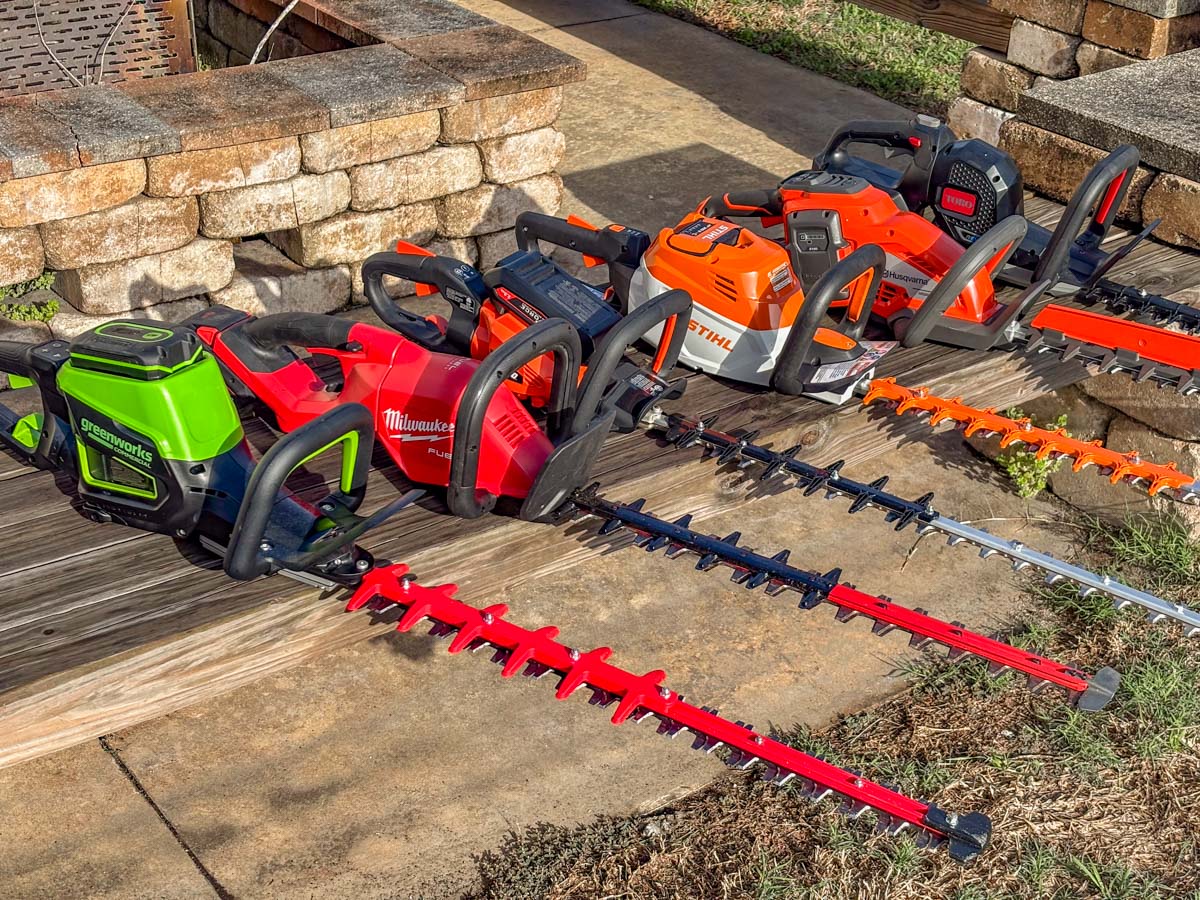
When to choose a hedge trimmer
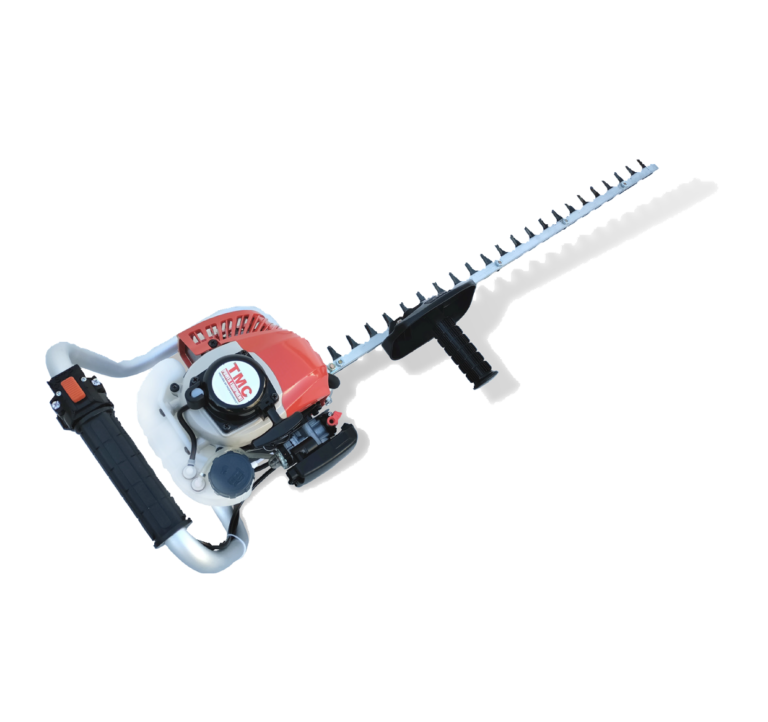
Hedge trimmers are built for speed and volume. They cut long lines of growth fast. Use a hedge trimmer for shaping long hedges, trimming tall privet, or doing topiary on large forms. Hedge trimmers save hours when you face long runs of shrubs.
Benefits
- Fast work on long hedges.
- Even, consistent cuts along a line.
- Options for corded, battery, or gas power.
Limitations
- Less precise for small branches and buds.
- Can bruise delicate stems.
- Heavier and louder than pruning shears.
Personal tip: I used a 22-inch battery hedge trimmer to shape a 60-foot yew hedge. The time saved was huge. I still kept pruning shears nearby for detail work.
When to choose pruning shears
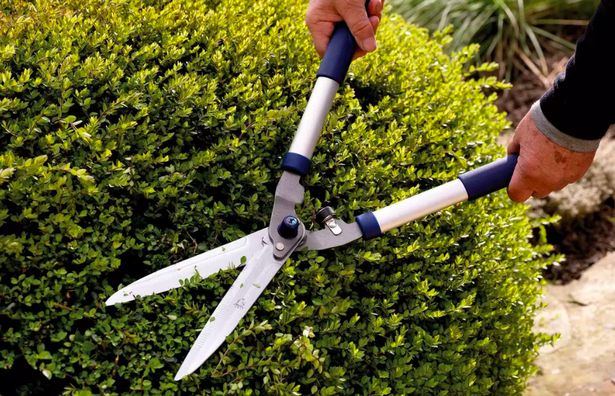
Pruning shears, also called secateurs, are for detail. They work on single stems and small branches. Use pruning shears for rose pruning, cutting back perennials, or cleaning up spent stems.
Benefits
- Precise cuts close to the bud.
- Gentle on delicate plants.
- Lightweight and quiet.
Limitations
- Slow for long hedges.
- Not suited for branches above about 3/4 inch to 1 inch, unless you use loppers.
- Requires more hand work for big jobs.
Personal tip: I prune roses and small shrubs with bypass shears. The clean cut helps plants heal fast. For woody, older shoots I switch to loppers or a small saw.

Side-by-side comparison: features and specs
Here is a clear breakdown to compare the best hedge trimmer vs pruning shears across key points.
Cutting capacity
- Hedge trimmer: Cuts many small stems at once. Best for fast, shallow shaping.
- Pruning shears: Cuts single stems up to about 1 inch for heavy models.
Precision
- Hedge trimmer: Good for lines and shapes, not fine detail.
- Pruning shears: Excellent for bud placement and careful shaping.
Power and source
- Hedge trimmer: Corded, battery, gas options. Battery models are quiet and light. Gas models have more power for thick growth.
- Pruning shears: Manual, electric, or cordless small pruners. Manual is most common and reliable.
Cost and maintenance
- Hedge trimmer: Higher upfront cost. Keep blades sharp and clean. Battery replacement may cost more over time.
- Pruning shears: Low cost. Sharpening and oiling keep them working for years.
Ergonomics and safety
- Hedge trimmer: Heavier. Requires both hands and safety gear. There is more risk for large cuts.
- Pruning shears: Easier to control. Risk is mainly from hand slips and dull blades.
Real-world example: I used a battery hedge trimmer for annual hedge trim. Then I used pruning shears for the rose border. Both tools did what they do best.

How to choose based on garden size and plant type
Match the tool to the task. Think small garden vs large estate. Think soft stems vs woody branches.
Small yard and mixed beds
- Use pruning shears for roses, herbs, and small shrubs.
- Keep a small 16–18 inch battery hedge trimmer for quick spot trimming.
Large hedges and long runs
- Pick a hedge trimmer. Look for blade length 20–24 inches for speed.
- Choose battery or gas based on access to power and noise limits.
Topiary and formal shapes
- Use a hedge trimmer for the bulk. Finish with pruning shears for edges.
- Small trims often need the precision of hand tools.
Woody shrubs and small trees
- Use pruning shears and loppers. A hedge trimmer will not remove thick old wood well.
Personal insight: For a small suburban yard, a mid-range cordless hedge trimmer and quality bypass shears cover 95% of needs. I learned this after trying a heavy gas trimmer that was overkill.

Maintenance, safety, and cost
Keep tools sharp and clean. This improves cuts and plant health. Follow simple steps.
Hedge trimmer care
- Clean sap and debris after each use.
- Sharpen or file blades as needed.
- Check guards, bolts, and power cables or batteries.
Pruning shears care
- Wipe sap and dirt from blades.
- Sharpen with a whetstone or file.
- Oil the pivot and tighten the bolt.
Safety tips
- Wear eye protection and gloves with hedge trimmers.
- Keep both hands on hedge trimmers while cutting.
- Cut at waist height when possible. Use secure ladders for taller work.
- For pruning shears, keep blades sharp to avoid slips. Cut away from your body.
- Budget pruning shears can cost $15–$40. Quality models cost $50–$120.
- Hedge trimmers range from $80 for basic corded models to $300+ for powerful battery or gas units.
- Factor in batteries, oil, and sharpening tools.
My lesson: I once delayed sharpening my shears. The plants tore instead of clean-cut. I now sharpen tools after heavy use. It saves plant stress.

Quick PAA-style questions
What can a hedge trimmer not do as well as pruning shears?
- Hedge trimmers lack the control needed for precise cuts near buds. They can damage delicate stems and ruin detailed shaping.
Can pruning shears replace a hedge trimmer for small hedges?
- For very short hedges or top edges they can work, but it will take much longer. A hedge trimmer is faster for uniform lines.
Which is better for veteran shrubs with thick wood?
- Pruning shears, loppers, and saws are better for thick wood. Hedge trimmers cannot cut large, old branches cleanly.
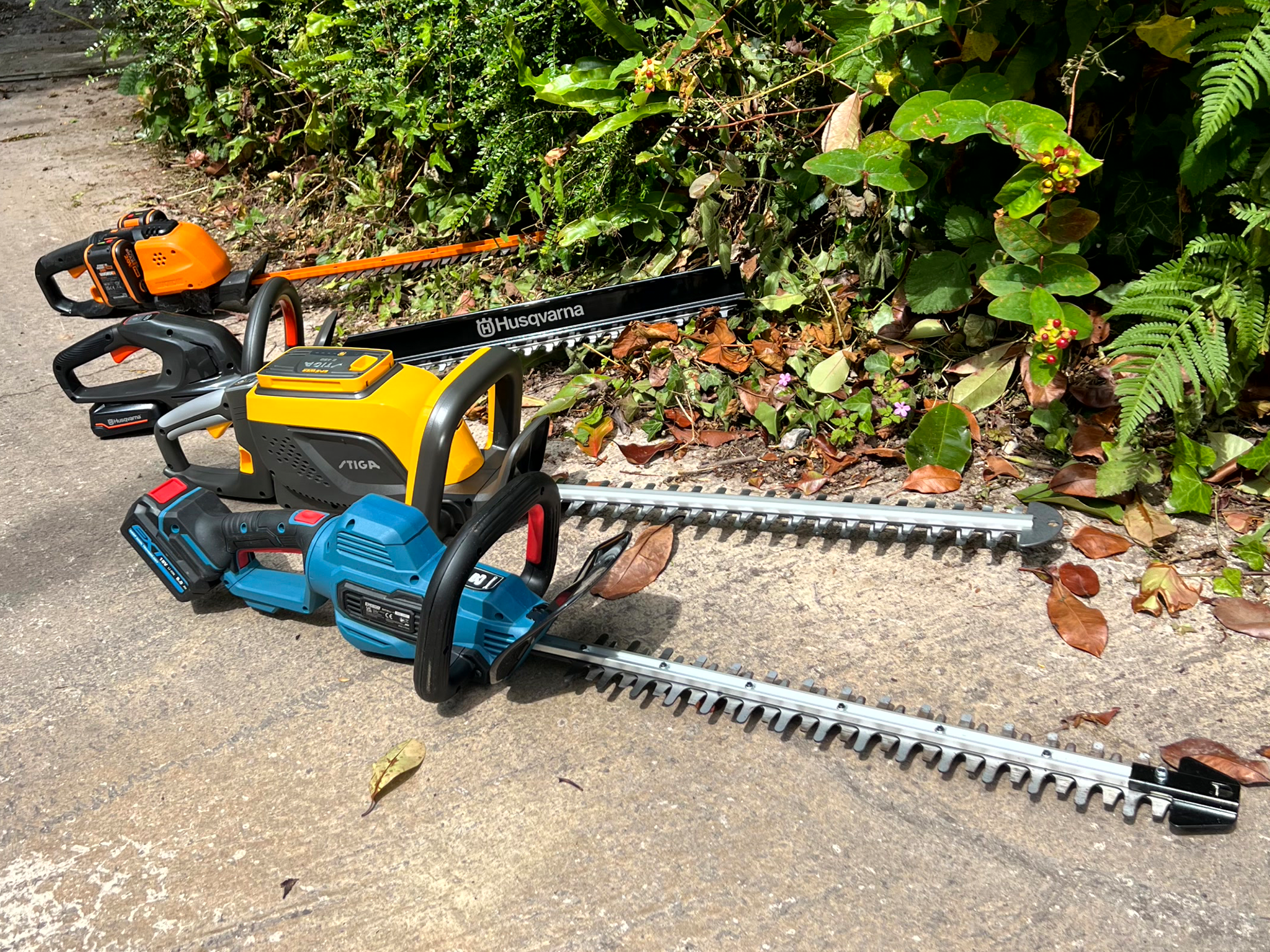
Frequently Asked Questions of best hedge trimmer vs pruning shears
Are hedge trimmers better for all hedge work?
No. Hedge trimmers are best for long runs and shaping. For detailed cuts and thicker wood, pruning shears or loppers work better.
How thick can a hedge trimmer cut?
Most hedge trimmers handle thin stems up to about 3/8 inch to 1/2 inch thick. Thick, woody branches need saws or loppers.
Can pruning shears damage plants?
Yes, dull shears can crush stems and delay healing. Keep blades sharp and clean for healthy cuts.
Is a battery hedge trimmer worth it?
Yes for many homeowners. It is quiet, low-maintenance, and easy to use. Choose battery capacity based on the size of your yard.
Do I need both tools?
Yes for most gardens. A hedge trimmer speeds up large jobs. Pruning shears give precision and care for delicate work.
How often should I sharpen pruning shears?
Sharpen after heavy use or when cuts look ragged. For regular gardeners, sharpening every few months is common.
Are electric pruning shears better than manual?
Electric pruners reduce hand strain and speed up small jobs. Manual pruners offer more control and are cheaper.
Conclusion
Choosing between the best hedge trimmer vs pruning shears comes down to task, scale, and plant type. Use a hedge trimmer for fast work on long hedges. Use pruning shears for precise cuts and delicate plants. Most gardeners will benefit from owning both. Start by assessing your yard size, the plants you care for, and your budget. Then pick a reliable model and keep it sharp. Try a combo approach on your next gardening day and notice how much time and plant health improves. Share your experience below or subscribe for more tool guides and tips.