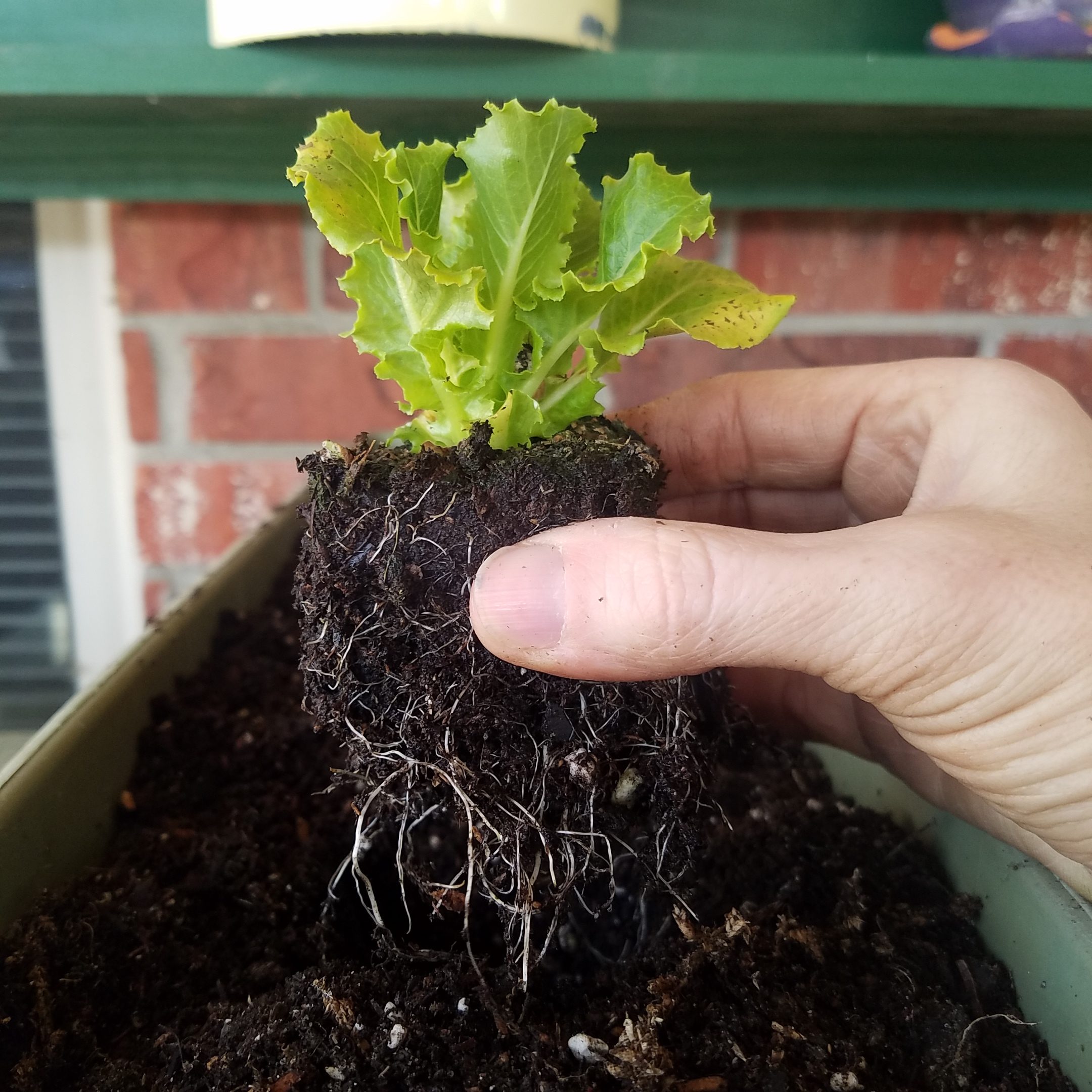
Direct Sow Vs Transplant: Best Method For Garden Success
Direct sow is simpler and cheaper; transplanting gives an early, controlled head start.
I’ve spent over a decade gardening and testing both methods. This article breaks down direct sow vs transplant with clear facts, practical examples, and hands-on tips. You will learn when to sow seed directly, when to start in trays, how each method affects yield and time, and how to avoid common mistakes. Read on for actionable guidance that helps you pick the best method for your garden and plants.
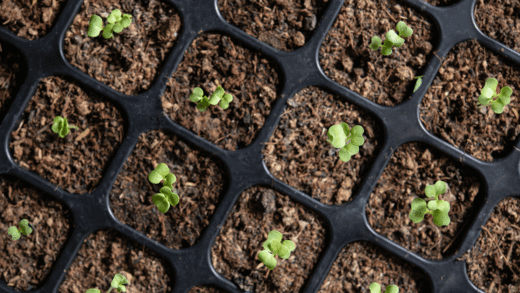
What direct sow and transplant mean: simple definitions and core differences
Direct sow means planting seeds straight into the garden soil where they will grow to maturity. Transplant means starting seeds indoors or in a protected space, then moving seedlings to the garden later. The main differences are timing, control, and initial cost. Direct sow vs transplant affects how fast plants establish, how many survive, and the work you must do early in the season.

Pros and cons of direct sow
Direct sow has clear benefits and trade-offs. It is low cost. You plant seed, and nature does most of the work. Seedlings develop without root disturbance, which helps root crops and legumes. Direct sow can also be simpler for heat-loving crops that dislike transplant shock.
There are downsides. Young seeds face birds, slugs, weather swings, and soil crusting. Germination can be slow or patchy in poor soil. Some plants have a long season and will not mature if sown directly in short-season climates. Weigh these points when deciding between direct sow vs transplant.
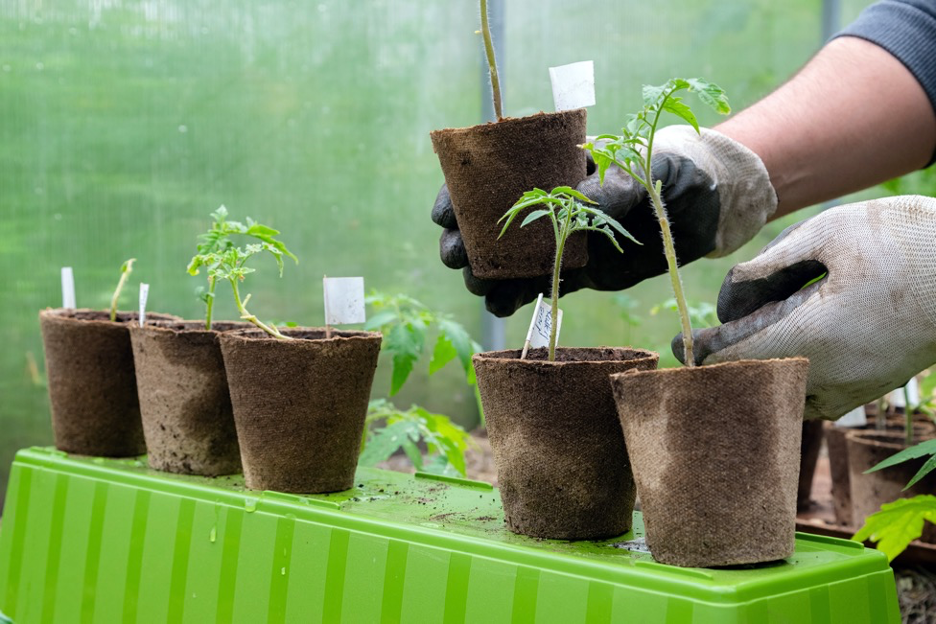
Pros and cons of transplant
Transplants offer early control and faster harvests. Starting seeds indoors gives you a head start on the season. This is great for long-season crops like tomatoes, peppers, and many annual flowers. Transplants also let you select the strongest seedlings and reduce losses from pests and poor weather.
Transplanting has costs and risks. It takes time, space, and supplies like trays, soil mix, and grow light or a sunny window. Seedlings can suffer transplant shock if roots are disturbed or conditions change too fast. For root crops and very fragile seedlings, transplanting can be harder than direct sowing. Knowing this helps choose direct sow vs transplant for each crop.
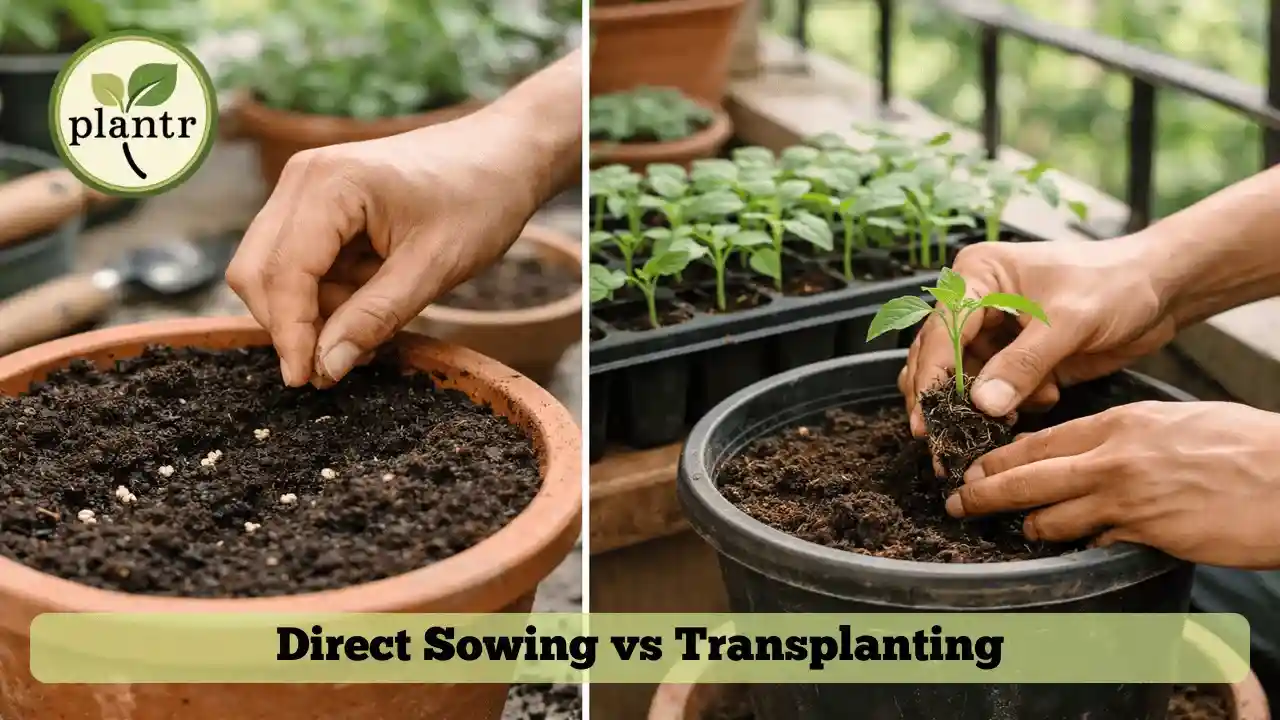
When to choose direct sow vs transplant — by crop and climate
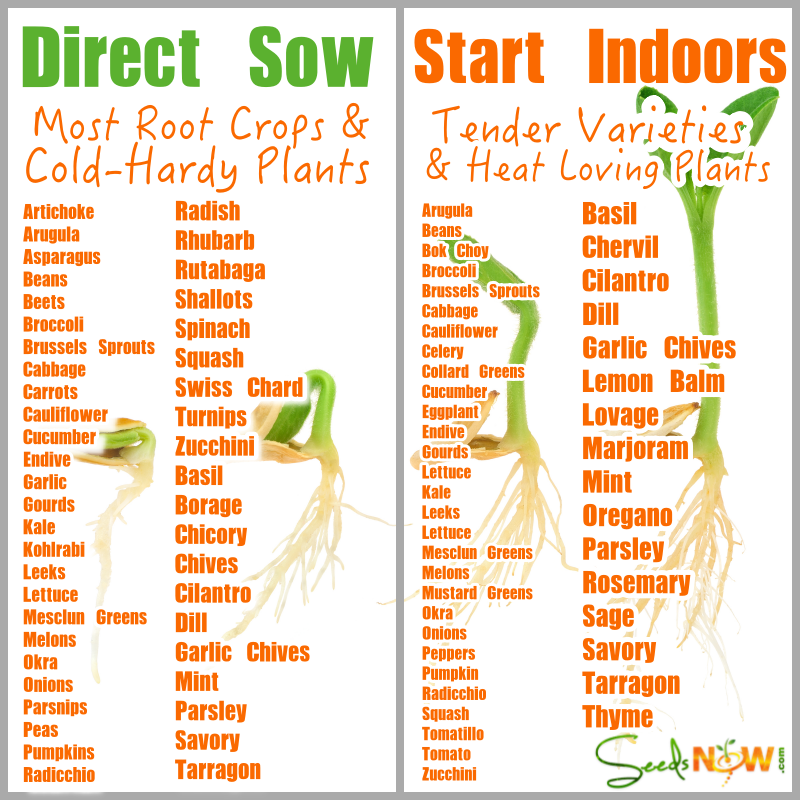
Some crops almost always do better directly in the ground. These include many root crops and vining beans.
- Carrots, beets, parsnips — direct sow for best root shape and minimal root disturbance.
- Peas, beans, corn — direct sow because they establish quickly and transplant poorly.
- Squash, cucumbers — can be direct sown in warm soil, though small transplants work too.
Other crops usually benefit from transplanting.
- Tomatoes, peppers, eggplants — transplant for earlier fruit and better yields in short seasons.
- Brassicas (broccoli, cabbage) — transplant to get strong, stocked plants before cold snaps.
- Tender ornamentals and perennials — transplant for control and faster bloom.
Climate and season length matter a lot. In short-season regions, transplanting many crops helps them finish fruiting before frost. In long, warm seasons, direct sowing more often works fine. Think about frost dates, soil warmth, and how long a crop needs to mature when weighing direct sow vs transplant.
PAA-style quick questions about direct sow vs transplant
Can I direct sow tomatoes?
Tomatoes usually perform better as transplants because they need warmth and a long growing season. Direct sow only where frost and cool soil are not issues.
Does transplanting stress plants a lot?
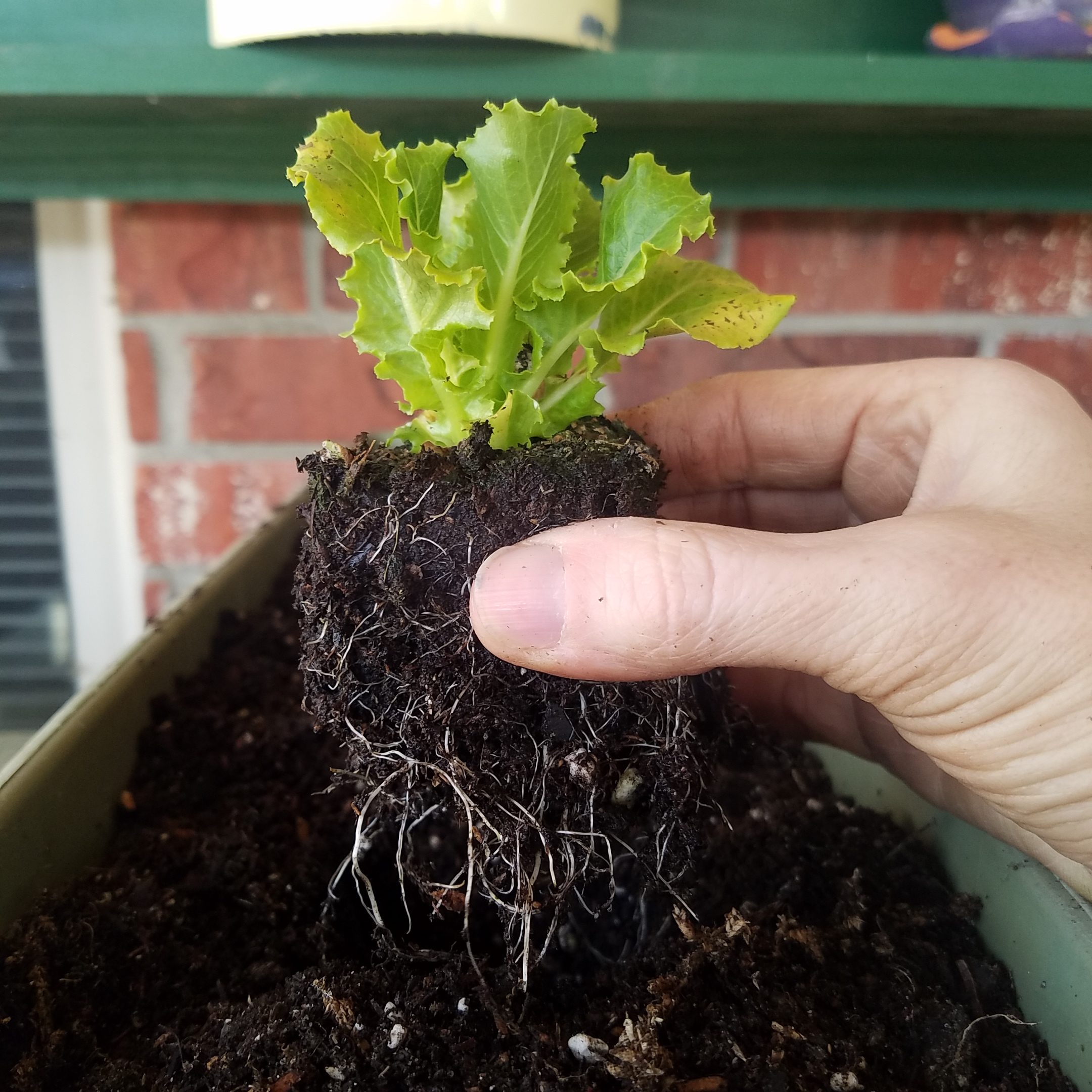
Transplants can experience shock if roots are damaged or conditions change rapidly, but proper handling greatly reduces stress. Harden seedlings off and plant gently to limit shock.
Which method gives higher yield?
Transplants often give higher early yields for long-season crops, but final yield depends on care, variety, and site. Direct sow can match yields for crops that don’t tolerate root disturbance.
How to transplant successfully — step-by-step guide
Follow these steps to reduce shock and improve survival.
- Start seeds in a clean, well-draining seed mix. Use cells or small pots with drainage.
- Harden off seedlings slowly. Move them outdoors a few hours a day for a week, increasing time and sun.
- Transplant when seedlings have true leaves and weather is stable. Avoid cold, windy days.
- Plant at the right depth and water well after planting. Some crops like tomatoes can be planted deeper to encourage strong roots.
- Mulch and protect transplants from pests while roots establish.
I learned early to always harden off seedlings. One season I planted seedlings too fast and lost about half to sun and wind. That taught me to protect young transplants and watch weather closely. These simple steps make transplanting much more reliable.

Common mistakes and practical tips from experience
I’ve made and fixed many common errors. Here are the most useful lessons.
- Mistake: Skipping hardening off. Result: wilted, slow plants. Tip: Give at least 7 days of gradual outdoor exposure.
- Mistake: Planting too deep or too shallow. Result: stem rot or poor root growth. Tip: Follow depth guidelines and firm soil gently.
- Mistake: Overcrowding seedlings. Result: weak, leggy plants. Tip: thin or repot early to encourage strong roots.
- Mistake: Using garden soil for seed starting. Result: poor drainage and disease. Tip: Use sterile seed-start mix for clean starts.
Practical tip: Keep notes. I track sow dates, transplant dates, and outcomes. Over seasons, that record shows which method worked for each crop in my garden.

Choosing based on garden style, time, and budget
Small-space gardeners and container growers often favor transplants to maximize yield per square foot. Large farms may direct sow many crops for efficiency. Your time and budget matter. Transplanting needs supplies and time. Direct sow saves cost but needs patience and sometimes more re-seeding. Think of direct sow vs transplant as a toolset. Use the right tool for each plant and each season.

Frequently Asked Questions of direct sow vs transplant
What does direct sowing mean?
Direct sowing means planting seeds directly into the soil where they will grow to maturity. It skips indoor or protected start stages.
Which vegetables must be transplanted?
Vegetables like tomatoes, peppers, and eggplants usually need transplanting in temperate zones. They require a long, warm season to produce well.
Can I transplant seedlings from the grocery store?
Yes, many grocery seedlings can be transplanted, but check root health and acclimate them slowly. Avoid plants with signs of pests or disease.
How long before frost should I transplant?
Transplant after the risk of hard frost has passed and nighttime temperatures are steady. Some cool-season crops can be set out earlier with protection.
Does direct sowing save money?
Direct sowing is generally cheaper because it needs only seeds and minimal supplies. It reduces the need for trays, grow lights, and potting mix.
Conclusion
Choosing between direct sow vs transplant depends on crop type, climate, time, and your goals. Use transplants to gain a head start and secure early yields. Use direct sow for root crops, low-cost planting, and when soil and season match the crop’s needs. Try both methods on a small scale to see what works best in your garden. Start one or two trials this season, note results, and adjust next year — then share your findings or ask questions below.