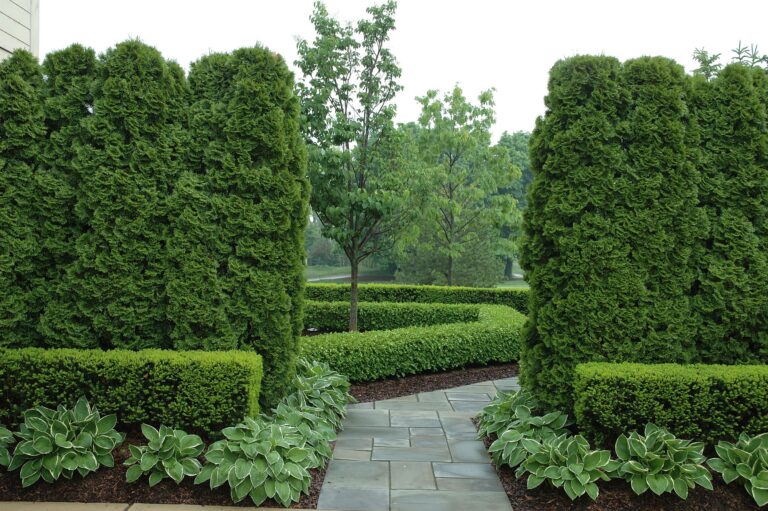
Green Giant Arborvitae Vs Emerald Green Arborvitae: Guide
Green Giant is fast-growing and tall; Emerald Green is compact and slow to mature.
I have grown both cultivars for years and tested them in different yards. This guide compares green giant arborvitae vs emerald green arborvitae in plain terms. You will get clear facts on size, growth, care, problems, cost, and the best uses for each tree. I blend research with hands-on experience so you can pick the right arborvitae for your landscape.

Comparison overview: green giant arborvitae vs emerald green arborvitae
Green giant arborvitae vs emerald green arborvitae asks a simple question: do you want a tall fast screen or a neat narrow hedge? Green Giant is a hybrid grown for speed and size. Emerald Green is a cultivar prized for a tight column shape and slow, steady growth. Both are Thuja evergreens and make good privacy screens, but they fit different needs.
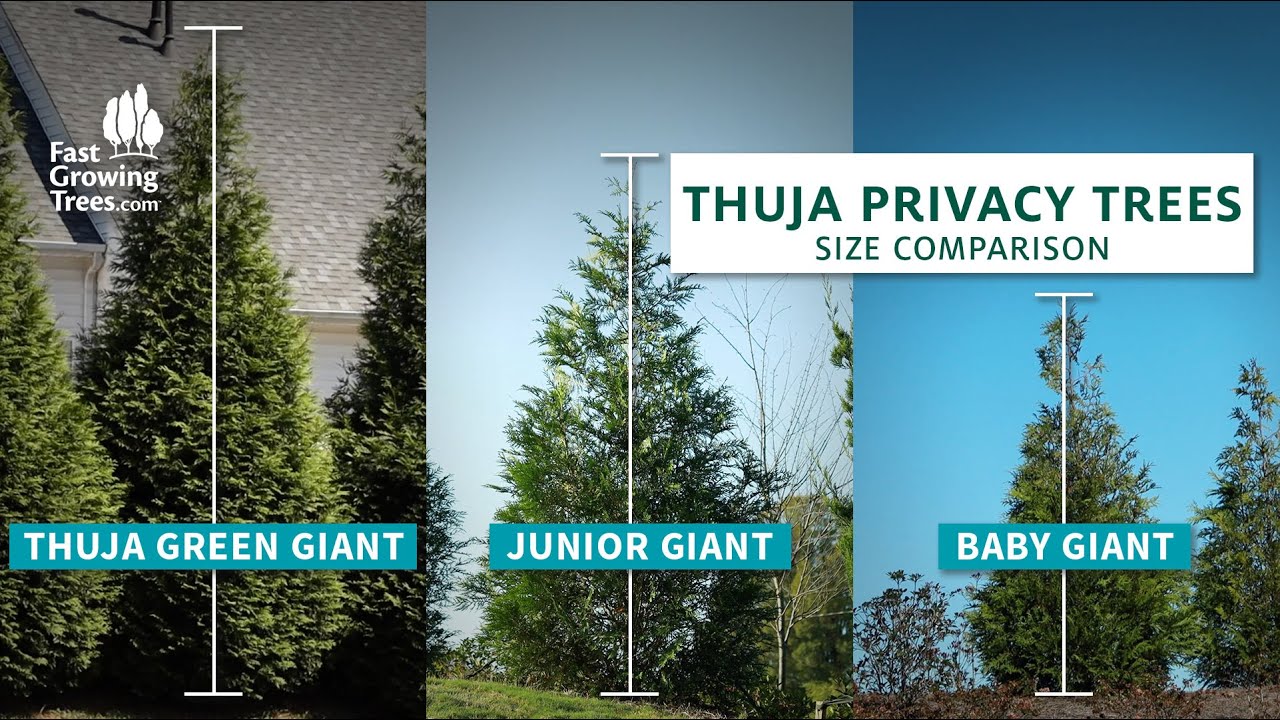
Green Giant can reach 40 to 60 feet in time. Emerald Green usually tops out near 10 to 15 feet. Green Giant works for large properties. Emerald Green works for small yards and foundation plantings. Below, I break these differences down so you can decide what fits your yard.

Key differences: size, growth rate, shape, and color
Size and mature height
- Green Giant can grow 3 to 5 feet per year and reach 40 to 60 feet tall.
- Emerald Green grows 6 to 12 inches per year and usually reaches 10 to 15 feet.
Growth habit and shape
- Green Giant has a pyramidal to oval form with a looser branch pattern.
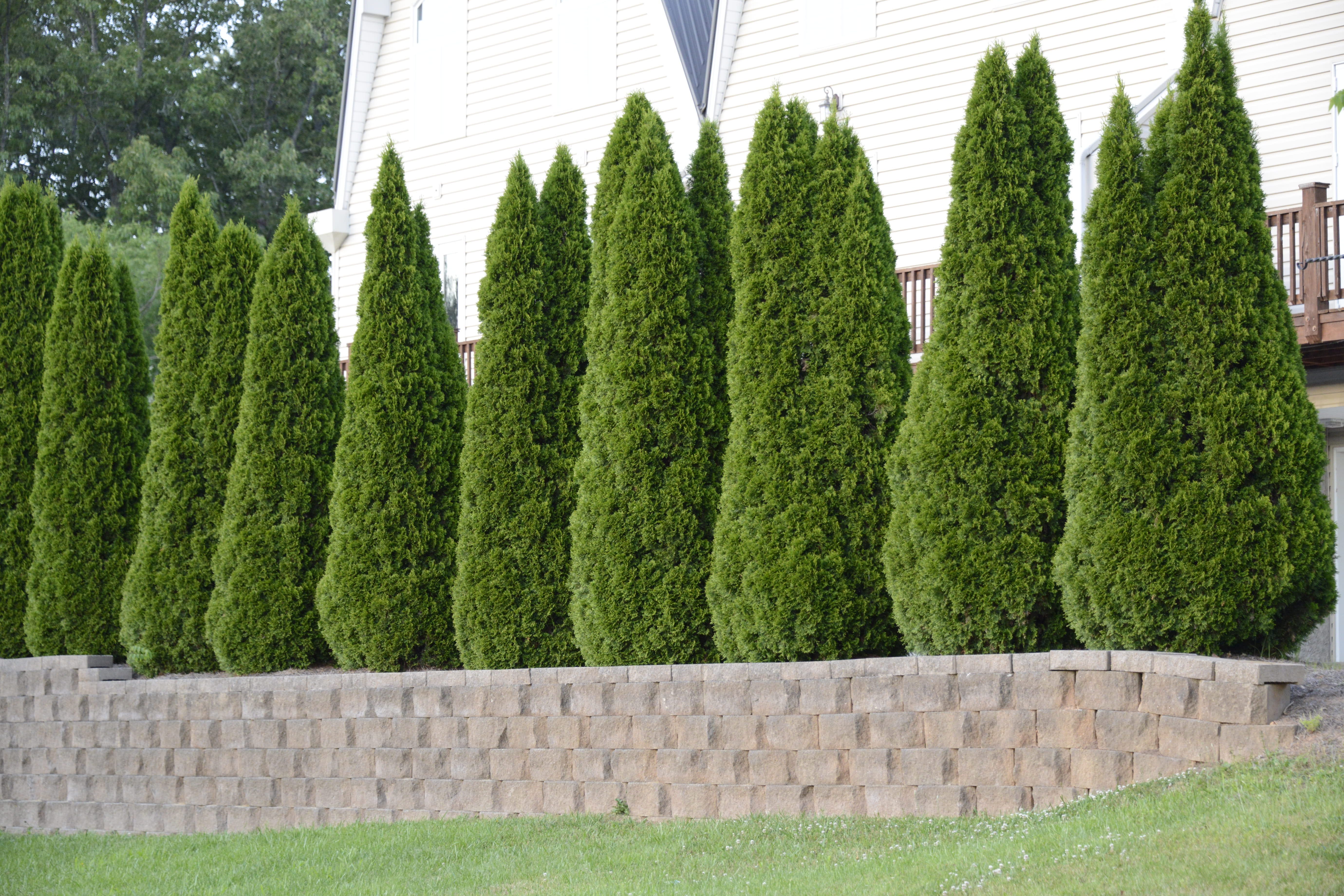
- Emerald Green has a narrow column form with tight, uniform branches.
Foliage and color
- Green Giant shows bright to medium green foliage that holds well all year.
- Emerald Green keeps a deep, rich green and looks neat even close to walkways.
Hardiness and climate range
- Green Giant is hardy in zones 5 to 8 and tolerates heat and humidity.
- Emerald Green is hardy in zones 3 to 8 and tolerates colder winters but less heat stress.
Landscape use differences
- Green Giant is ideal for fast privacy screens and windbreaks.
- Emerald Green is best for tight hedges, foundation planting, and small yards.
This comparison of green giant arborvitae vs emerald green arborvitae helps match each tree to a purpose. If you need a rapid tall screen, choose Green Giant. If you need tidy, narrow plants, choose Emerald Green.

Planting and care: how to get the best from each cultivar
Soil and site
- Both cultivars prefer well-drained soil and full sun for best color.
- Green Giant tolerates slightly wetter soil than Emerald Green but avoid standing water.
Spacing for hedges and screens
- For a Green Giant screen, space plants 6 to 8 feet apart to allow filling.
- For Emerald Green hedges, space 3 to 4 feet apart for a tight, dense line.
Planting steps
- Dig a hole twice as wide as the root ball and only as deep as the root ball height.
- Backfill with native soil; add organic matter if the soil is poor.
- Water deeply after planting and keep soil moist the first year.
Pruning and shaping
- Emerald Green rarely needs pruning; trim lightly to keep a neat shape.
- Green Giant benefits from formative pruning when young to encourage a single trunk and reduce lower-branch crowding.
Water and fertilizer
- Water both regularly in dry spells for the first two years.
- Apply a balanced slow-release fertilizer in early spring if growth seems slow.
These care tips make the green giant arborvitae vs emerald green arborvitae choice easier. Proper site choice and early care reduce problems later.

Pests, diseases, and maintenance challenges
Common pests
- Bagworms can defoliate both types if not controlled early.
- Spider mites and scale sometimes attack during hot, dry summers.
Diseases to watch
- Root rot can occur in poorly drained soil, especially for Emerald Green.
- Needle blight is more likely in shaded, damp spots and can thin foliage.
Maintenance tips
- Monitor annually in summer and fall for bags and webbing.
- Remove lower dead branches to improve air flow and reduce disease risk.
- Treat bagworms and scale promptly with targeted sprays or manual removal.
Understanding the pests and disease risks helps you weigh green giant arborvitae vs emerald green arborvitae. Green Giant’s vigor helps it recover, but Emerald Green needs a bit kinder conditions.

Cost, availability, and best uses in landscapes
Nursery cost and availability
- Green Giant trees cost more per plant due to size at sale, but you need fewer plants for screening.
- Emerald Green is widely available as smaller nursery stock and costs less per plant.
Best uses by property type
- Green Giant is best for rural lots, large yards, and quick privacy walls.
- Emerald Green is best for urban lots, narrow borders, and foundation lines.
Long-term value
- Green Giant gives fast coverage but requires more space.
- Emerald Green gives low-maintenance neatness and works well in tight spaces.
Compare these points when you decide on green giant arborvitae vs emerald green arborvitae. Think about space, budget, and how fast you want results.
Practical PAA-style questions
What is the main difference between green giant arborvitae vs emerald green arborvitae?
Green Giant grows much faster and taller. Emerald Green stays narrow and small.
Which arborvitae is better for small yards?
Emerald Green is better for small yards. It stays compact and neat.
How far apart should I plant each for a screen?
Plant Green Giant 6 to 8 feet apart. Plant Emerald Green 3 to 4 feet apart.
My experience and practical tips from the field
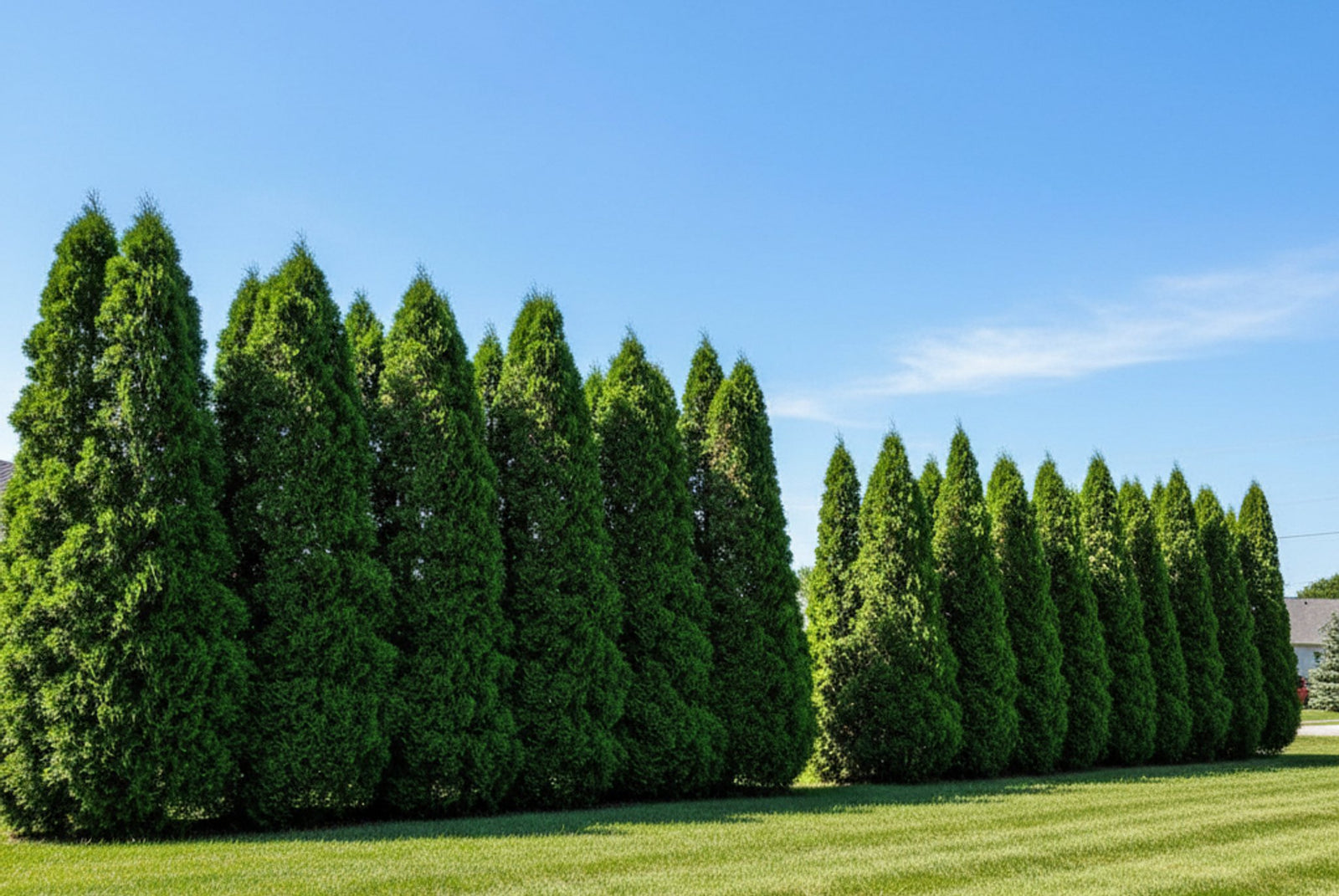
I planted a Green Giant screen on a suburban lot to block wind and noise. It reached eight feet in two years. I had to prune lower limbs and water during dry spells. The screen filled in quickly and worked as intended.
I used Emerald Green on a narrow side yard. They stayed tidy with almost no pruning. They handled cold winters with no browning. My key lesson is to match the tree to the space. Planting the wrong arborvitae for a small yard creates long-term pruning work.
Tips I learned
- Start with quality nursery stock. Good roots matter more than top size.
- Mulch to keep soil cool and moist. Keep mulch away from the trunk base.
- Water deeply and less often to build strong roots.
- Inspect for bagworms each year from late spring through summer.
These tips make the green giant arborvitae vs emerald green arborvitae decision practical and simple.

Pros and cons at a glance
Green Giant pros
- Fast screen growth for privacy
- Tolerates heat and some wet soil
- Good windbreak capacity
Green Giant cons
- Needs more space
- Can be overbearing in small yards
- More initial cost per plant
Emerald Green pros
- Compact and tidy form
- Low pruning needs
- Great for narrow spaces and foundations
Emerald Green cons
- Slower to reach desired height
- Less effective for large property screens
Think about these pros and cons when you weigh green giant arborvitae vs emerald green arborvitae. Your yard size and goals should guide the choice.
Frequently Asked Questions of green giant arborvitae vs emerald green arborvitae
How fast does Green Giant grow compared to Emerald Green?
Green Giant often grows 3 to 5 feet per year in good conditions. Emerald Green typically grows 6 to 12 inches per year.
Which arborvitae is better for a windbreak?
Green Giant is better for windbreaks because of its height and rapid growth. Emerald Green is too short for large wind protection.
Can Emerald Green be used as a privacy screen?
Yes, Emerald Green can form a privacy screen but it will be shorter and take longer to fill in than Green Giant. Space them closely and be patient.
Do either cultivar need full sun?
Both do best in full sun for color and density. Emerald Green tolerates some shade but will be less dense.
Are either prone to winter burn?
Emerald Green is more cold-hardy and resists winter burn well. Green Giant can show some winter browning in exposed northern sites but usually recovers.
How should I water newly planted arborvitae?
Water deeply at planting and keep the root zone moist the first year. After that, water during dry spells deeply every week or two.
Will deer eat these arborvitae?
Deer may nibble on new growth of both types, especially in winter. Use repellent or a barrier if deer pressure is high.
Can I plant other shrubs near these arborvitae?
Yes, but leave room for root spread and air flow. Emerald Green allows closer companion planting due to its smaller size.
Is Green Giant invasive?
Green Giant is not considered invasive in most areas. It can self-seed rarely, but it usually behaves as a garden tree.
How long do these arborvitae live?
Both can live decades with good care. Green Giant may reach a longer life if soil and site remain healthy.
Conclusion
Choosing between green giant arborvitae vs emerald green arborvitae comes down to space, speed, and style. If you want fast, tall screening, Green Giant is the clear pick. If you want a tidy, narrow hedge for a small yard, Emerald Green fits best. Plant well, water early, and watch for pests to keep either cultivar healthy. Try one row of each if you can; seeing them grow side by side makes the decision easy.
Take action now: measure your space, decide the purpose, and pick the arborvitae that matches your needs. Share your planting plans or questions below or subscribe for more planting guides.