Indoor Gardening Vs Outdoor Gardening: Best Choice 2026
Pick indoor for control and year-round harvests; pick outdoor for scale, sun, and flavor.
If you are torn between pots by the window and beds in the yard, you are in the right place. I have grown salad greens under LEDs in winter and tomatoes in raised beds in July. This guide on indoor gardening vs outdoor gardening breaks down the trade-offs with clear steps, real numbers, and friendly, field-tested advice that saves time, money, and stress.
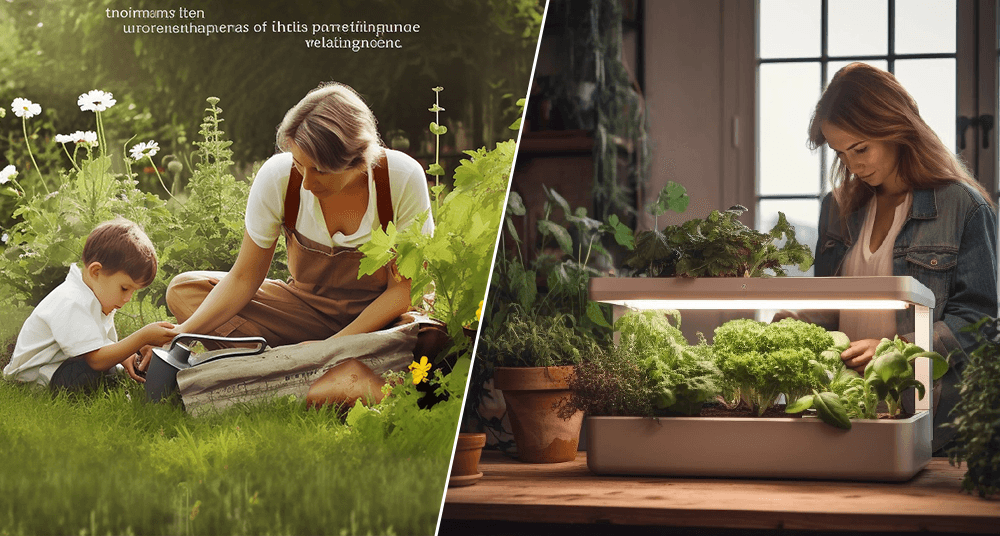
Indoor gardening at a glance
Indoor gardening means growing plants inside your home or in a controlled space. You guide light, water, heat, and air. You can grow year-round in almost any climate.
Key benefits:
- Steady conditions reduce weather stress. Plants grow more even and fast.
- Fewer pests and less disease spread if you quarantine new plants.
- Easy access. You can prune, water, and harvest without going outside.
Key limits:
- Light is the main cost and challenge. Most crops need bright, full-spectrum light.
- Space is tight. Root crops, corn, and big vines struggle.
- Heat, humidity, and airflow can build up. You need fans and a plan.

Outdoor gardening at a glance
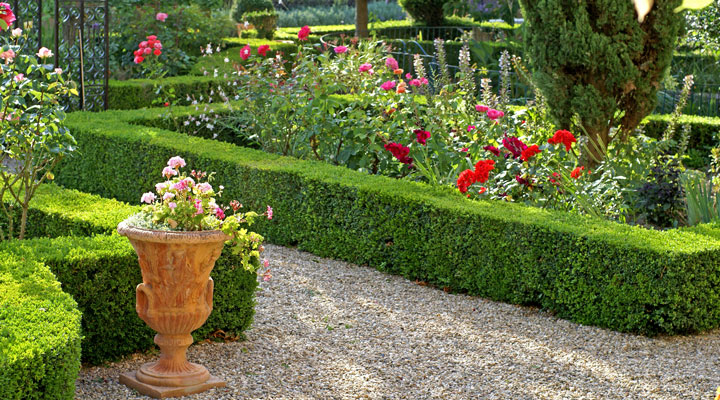
Outdoor gardening uses the sun, rain, wind, and soil. It scales well. You can grow more food for less money per pound.
Key benefits:
- Free sunlight and pollinators. Strong growth and rich flavor.
- Bigger beds. Great for tomatoes, squash, and fruit.
- Healthy soil life. Microbes help cycle nutrients.
Key limits:
- Weather risk. Frost, heat waves, hail, and storms can ruin a crop.
- Pests are common. You must scout and protect plants.
- Seasons rule. Many crops need the right window to thrive.

Indoor gardening vs outdoor gardening: key differences
Light and season:
- Indoor uses LEDs to mimic sun. You can grow all year.
- Outdoor depends on day length and weather. Growth slows in cold and dark months.
Space and yield:
- Indoors, yield per square foot can be high with greens and herbs.
- Outdoors, total yield wins. Large plants and long vines do best in soil.
Pollination and biodiversity:
- Indoors, you often hand-pollinate or pick self-pollinating plants.
- Outdoors, bees and wind help. More species can share the space.
Risk and control:
- Indoors gives control over water, heat, and pests but needs gear.
- Outdoors is cheaper but faces more shocks.
Costs:
- Indoor has higher startup and power costs.
- Outdoor has lower ongoing costs, but you invest in soil and tools.

Pros and cons compared
Indoor pros:
- Year-round harvests in any climate.
- Clean produce and fewer pests.
- Great for apartments and small spaces.
Indoor cons:
- Upfront cost for lights, fans, and racks.
- Power use and heat from lights.
- Limited crop size and variety.
Outdoor pros:
- Sunlight, rain, and pollinators are free.
- Large crop range and deep flavor.
- Builds soil and supports wildlife.
Outdoor cons:
- Weather, pests, and disease pressure.
- Seasonal limits on what and when to grow.
- Work is tied to the outdoors and daylight.

Cost, tools, and setup
Startup for indoor:
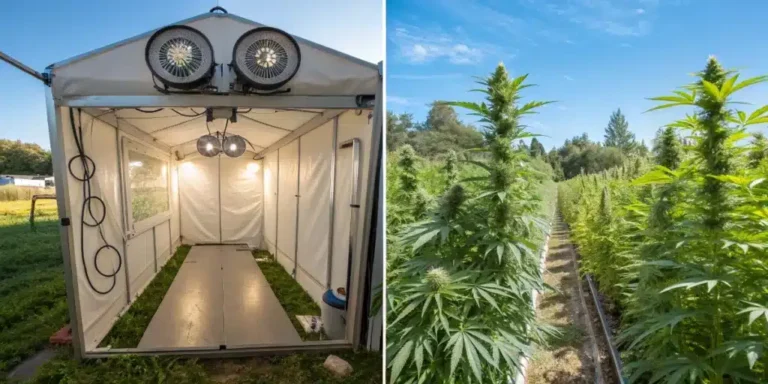
- LED grow lights, timer, rack or tent, trays, and fans.
- Basic kits can start under a few hundred dollars for a shelf setup.
- Hydroponics adds pumps and reservoirs.
Startup for outdoor:
- Shovel, rake, hose, compost, and mulch.
- Raised beds and quality soil cost more but last years.
Ongoing costs:
- Indoor: electricity, filters, nutrients, and seed.
- Outdoor: compost, mulch, water, and seed or starts.
Time:
- Indoor needs little, frequent care. Think daily checks.
- Outdoor needs bursts of work. Think prep in spring and harvest in late summer.
Climate, light, and season strategy
Light indoors:
- Aim for full-spectrum LEDs. Keep most greens at 12–16 hours per day.
- Keep lights 6–18 inches from leaves based on power and heat.
Sun outdoors:
- Track your site. Six to eight hours of sun suits most fruiting crops.
- In hot zones, give afternoon shade to cool-season plants.
Season hacks:
- Use seed starting indoors to get a head start for outdoor beds.
- Add row covers, cold frames, or mulch to stretch the season.

Pests, diseases, and plant health
Indoors:
- Quarantine new plants for two weeks to block mites and gnats.
- Use sticky traps and gentle airflow. Avoid overwatering to stop fungus gnats.
- Clean tools and trays. Wipe down shelves each cycle.
Outdoors:
- Scout leaves weekly. Look under leaves for eggs and early pests.
- Use integrated pest management. Start with handpicking, barriers, and soaps.
- Rotate crops and space plants for airflow to prevent blight and mildew.

What to grow and when
Best for indoor:
- Leafy greens like lettuce, spinach, and kale.
- Herbs like basil, cilantro, mint, and chives.
- Compact fruits like dwarf peppers, cherry tomatoes, and strawberries.
Best for outdoor:
- Vining crops like tomatoes, cucumbers, squash, and melons.
- Root crops like carrots, beets, radish, and potatoes.
- Perennials like berries, rhubarb, and asparagus.
Timing tips:
- Start seeds indoors 4–8 weeks before your last frost date.
- Move hardy starts outside first. Keep tender crops indoors until nights warm.

Lifestyle fit and space planning
If you live in an apartment:
- Indoor shelves with LEDs can feed you salad all winter.
- Choose compact or dwarf varieties. Use stackable racks.
If you have a yard or balcony:
- Mix both methods. Start seeds inside, then plant out.
- Use containers on balconies and raised beds on the ground.
If you have limited time:
- Indoor systems with timers and wicking trays cut daily work.
- Outdoors, mulch thick to reduce weeding and watering.
Sustainability and food safety
Water use:
- Indoor hydroponics can use less water per pound than soil.
- Outdoors, drip lines and mulch cut waste.
Inputs and waste:
- Indoors, reuse trays and media where safe. Sterilize between cycles.
- Outdoors, make compost from kitchen scraps to close the loop.
Food safety:
- Indoors, keep pets and dust away from greens.
- Outdoors, keep beds separate from runoff and treat compost right.
My experience: lessons learned and mistakes to avoid
I once tried to grow full-size beefsteak tomatoes indoors under one cheap light. The plants looked fine, but flowers dropped. The light was weak, and pollination was poor. I switched to a stronger LED, shook the stems daily, and chose a compact cherry tomato. The harvest tripled.
Outdoors, I planted basil too early. A late frost turned it black overnight. Now I watch the 10-day forecast and keep a row cover ready. I also start a backup tray inside. That mix of indoor gardening vs outdoor gardening gives me a safety net and steady meals.
Top tips:
- Match the plant to the place. Big vines love soil and sun. Greens love shelves and LEDs.
- Track data. Note light hours, temps, and water. Small tweaks make big gains.
- Start small. Add one shelf or one bed at a time. Learn, then scale.
How to choose: a simple decision guide
Pick indoor if:
- You want year-round greens and herbs.
- Your climate is harsh or space is tight.
- You enjoy fine control and tech.
Pick outdoor if:
- You want large plants, rich flavor, and volume.
- You have sun and soil to use.
- You like working with seasons and wildlife.
Best of both worlds:
- Start seeds indoors. Finish crops outdoors.
- Keep a winter salad shelf inside. Grow summer fruit outside.
- Use indoor gardening vs outdoor gardening as a cycle, not a battle.
SEO insights and planning checklist
Use this quick checklist to set your plan for indoor gardening vs outdoor gardening.
Planning steps:
- Define your goal. Salad every week, or a summer of tomatoes.
- Map your light. Measure sun outside and lux or PPFD inside.
- Set a budget. Split funds between lights and soil as needed.
- Choose crops that fit your space and season.
- Schedule tasks. Seed start, transplant, prune, and harvest.
Tracking:
- Keep a simple log. Date, plant, light hours, feed, and notes.
- Review monthly. Double down on what works.
Frequently Asked Questions of indoor gardening vs outdoor gardening
Is indoor gardening cheaper than outdoor gardening?
Indoor gardening costs more at the start due to lights and fans. Outdoor gardening is cheaper long term if you have sun and soil.
Do indoor grow lights replace sunlight?
Good LEDs can match plant needs for many crops. Sunlight still gives the best spectrum and intensity for big, fruiting plants.
Which is better for beginners: indoor or outdoor?
Start where your conditions are most stable. If winters are harsh, start inside with herbs. If you have a sunny yard, start outside with hardy greens.
Can I combine indoor gardening vs outdoor gardening in one season?
Yes. Start seeds inside to get a head start, then plant them out. Keep a small indoor shelf for cut-and-come-again greens.
Are indoor plants safer from pests and disease?
Often, yes, but not always. Quarantine new plants, avoid overwatering, and add airflow to prevent mold and gnats.
What grows best indoors with little light?
Leafy greens and many herbs do well in modest light. Pick compact types bred for indoor setups.
How do I hand-pollinate indoor tomatoes and peppers?
Gently shake the stems or use a soft brush on flowers. Do this midday when flowers are open.
Is outdoor soil always better than potting mix?
Not always. Good potting mix drains well and avoids compaction. Garden soil can be great if improved with compost.
How many hours of light do indoor plants need?
Most greens need 12–16 hours. Fruiting crops often need strong light and 14–18 hours.
What is the biggest mistake in indoor gardening vs outdoor gardening?
Plant-choice mismatch. Grow compact crops under lights and big vines in soil and sun.
Conclusion
The real win is not indoor or outdoor. It is picking the right method for the crop, the season, and your life. Use indoor gardening vs outdoor gardening as a toolkit. Control what you must. Let nature help where it shines.
Start with one shelf of herbs or one raised bed. Track what works. Then scale with confidence. Ready to dig in? Subscribe for weekly tips, seasonal checklists, and gear guides. Leave a comment with your space and goals, and I will help you draft a simple plan.