Annual Vs Perennial: Which Plants Fit Your Garden
Annuals finish in one season; perennials come back year after year after dormancy.
I have spent years designing and caring for gardens and landscapes. I can help you choose between annual vs perennial plants with clear, practical advice. This guide explains what each type is, their key differences, and how to pick plants that match your goals, budget, and climate. Read on to learn simple steps and real-world tips that work.

Understanding annual and perennial plants
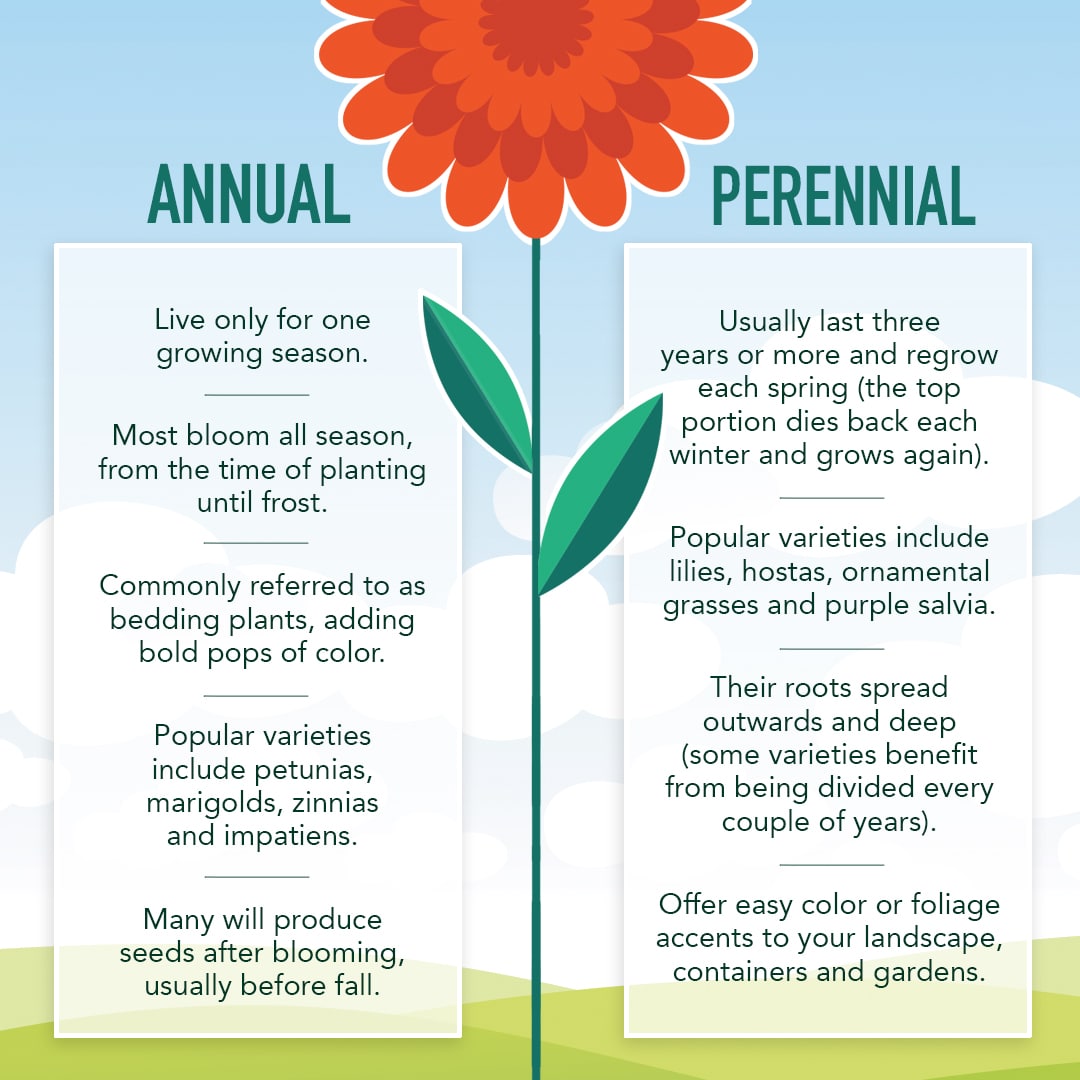
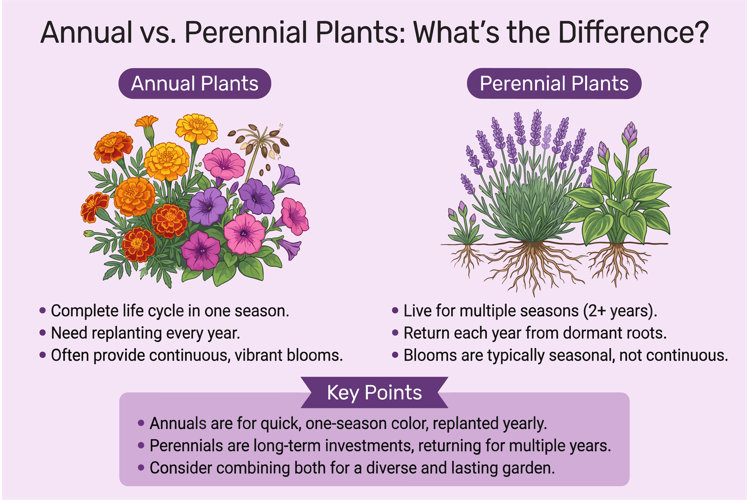
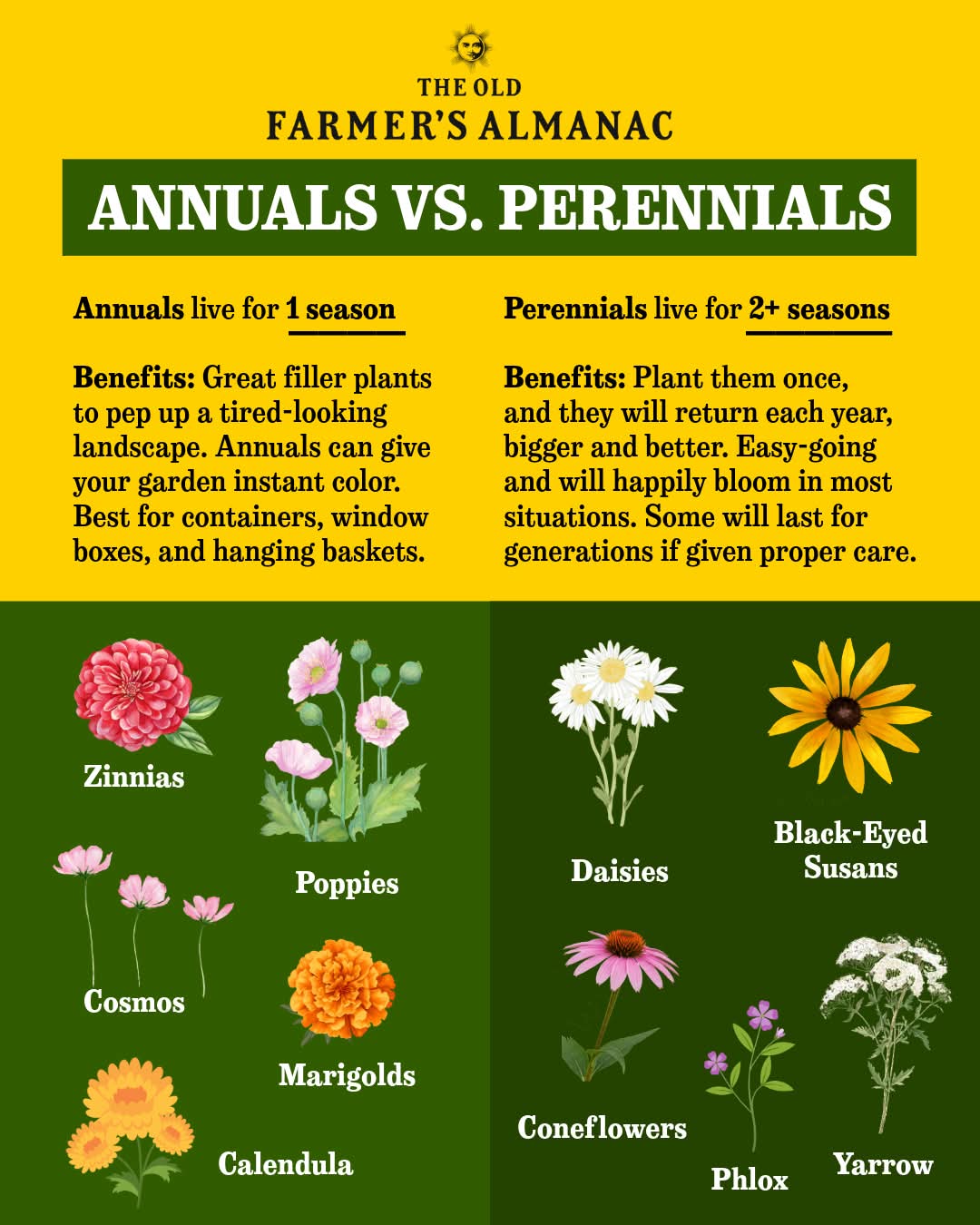
Annual vs perennial is a basic choice in gardening. Annual plants complete their life cycle in one growing season. They sprout, flower, seed, and die in the same year. Perennial plants live for multiple years. They may die back in winter but grow back from roots or crowns in spring.
Annual vs perennial also differ by root behavior and energy use. Annuals put most energy into seeds and flowers. Perennials store energy in roots, bulbs, or woody stems. This makes perennials more resilient over time.
Common terms to know:
- Annual — life cycle ends in one year.
- Perennial — lives several years; blooms more than once.
- Biennial — two-year life cycle, included here for context.
Key differences: annual vs perennial
Here are the main factors to weigh when you choose annual vs perennial.
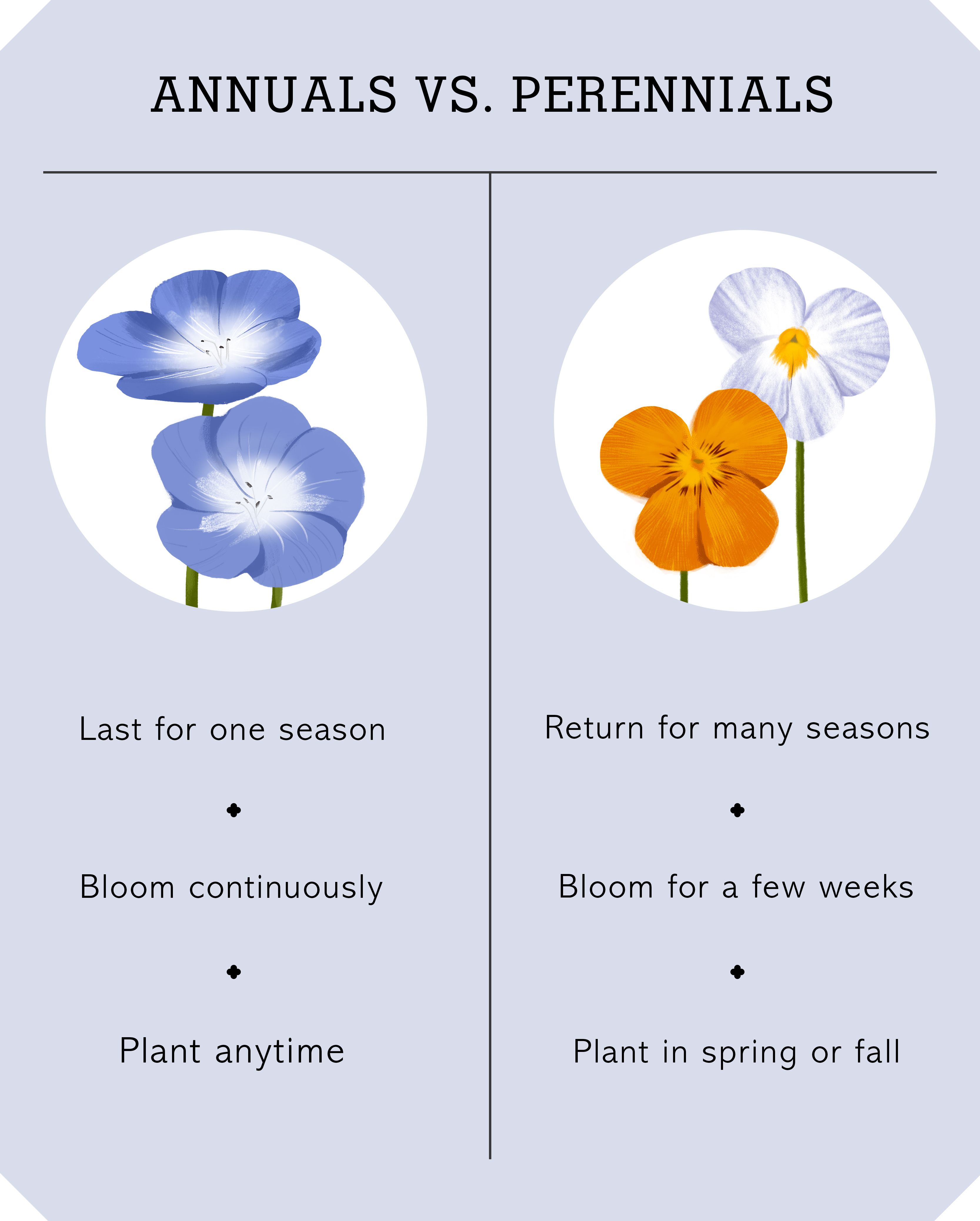
- Lifespan — Annuals live one season; perennials return each year.
- Bloom length — Annuals often bloom longer each season; perennials may have shorter peak blooms but repeat over years.
- Cost over time — Annuals cost more each year for replanting; perennials are an upfront investment that pays off later.
- Maintenance — Annuals may need more seasonal planting; perennials need pruning, division, and winter care.
- Design flexibility — Annuals let you change color and style yearly; perennials anchor a long-term design.
- Soil and root work — Perennials improve soil structure with year-round roots; annuals leave soil bare in some systems.
Benefits and drawbacks of annuals and perennials
Annual vs perennial each have clear pros and cons. Know these to match choices to your goals.
Benefits of annuals:
- Vibrant, continuous blooms all season.
- Fast results for pots, borders, and event gardens.
- Easy to change color and layout each year.
Drawbacks of annuals:
- Repeat cost and labor each year.
- Less soil protection in off-season.
- Short-lived plants may feel less rewarding.
Benefits of perennials:
- Long-term savings after establishment.
- Stronger root systems that help soil and wildlife.
- Reliable comeback and seasonal structure in the garden.
Drawbacks of perennials:
- Slower initial bloom and establishment.
- Some need division or specific winter care.
- Less flexible for yearly color changes.
Planting, care, and maintenance tips for annual vs perennial
Simple care steps make both types thrive.
- Soil prep — Add compost and loosen soil before planting. Both annuals and perennials benefit.
- Watering — New plants need steady water. Perennials need tapering once roots form.
- Fertilizing — Use balanced feed for annuals to keep blooms strong. Use slow-release or light feeding for perennials.
- Mulching — Mulch retains moisture and controls weeds for both types.
- Pruning and deadheading — Deadhead annuals to extend bloom. Prune perennials after bloom or in spring, depending on species.
My experience: I once planted an all-annual border for a client who wanted bright summer color. It looked great fast, but the client paid yearly to refresh the bed. Later we mixed perennials with annuals to cut costs and keep steady structure. That hybrid approach often gives the best of both worlds.
PAA-style questions you may have:
Will annuals bloom longer than perennials? Annuals commonly offer nonstop blooms; perennials may have shorter peaks but return each year.
Do perennials need winter care? Some perennials need little care; others benefit from mulching or cutting back after frost.
How to choose between annual vs perennial for your garden
Ask simple questions to decide.
- Do you want instant color or long-term structure?
- What is your budget for yearly planting?
- How much time do you want to spend on maintenance?
- What is your local climate and frost schedule?
Choose annual vs perennial based on use:
- Use annuals for seasonal color, containers, and trial plants.
- Use perennials for foundation beds, low-maintenance sections, and ecological benefits.
- Mix both to get color and stability. For example, plant tall perennials at the back and fill gaps with annuals.
Practical tip from my work: Start with a core group of hardy perennials. Add annuals to test new colors. This lowers risk and keeps design fresh.

Common mistakes and expert tips when planting annual vs perennial
Avoid these pitfalls to save time and money.
- Planting annuals too deep or too shallow can stress young plants.
- Overcrowding perennials reduces air flow and encourages disease.
- Replacing perennials prematurely wastes money. Give them two seasons to establish.
- Ignoring local climate leads to mismatched choices. Know your zone and frost dates.
Expert tips:
- Use local varieties of perennials for better survival.
- Companion plant annuals with perennials that have different peak times.
- Keep simple records of what worked. I keep a notebook with bloom times and soil notes. It saves effort and improves future planning.

Frequently Asked Questions of annual vs perennial
What is the main difference between annual and perennial plants?
Annual plants complete their life cycle in one growing season, while perennials live and regrow for multiple years. Perennials often need time to establish before full blooms.
Are annuals cheaper than perennials?
Annuals cost less per plant but may cost more over years because you replant them each season. Perennials usually cost more upfront but save money long term.
Can I mix annuals and perennials in one bed?
Yes. Mixing annuals and perennials gives both instant color and long-term structure. Use annuals to fill gaps while perennials grow.
Do perennials require more maintenance than annuals?
Perennials need periodic tasks like division and pruning, but they often require less replanting work each year. Annuals need planting every spring, which can be more labor over time.
How long before perennials bloom fully?
Many perennials show good blooms in their second or third year after planting. Some bloom the first year if started early or given ideal care.
Will annuals attract pollinators more than perennials?
Annuals with lots of flowers can attract many pollinators during the season. Perennials provide steady, recurring resources that support pollinators year after year.
Conclusion
Choosing annual vs perennial is a matter of goals, budget, and time. Annuals give fast color and yearly change. Perennials give long-term savings and stability. Mix both to enjoy immediate blooms and lasting structure. Try a small test bed, watch how plants perform for two seasons, and adjust from there. Share your results or questions below, or subscribe for more gardening tips and plant guides.