Seed Starting Mix Vs Potting Mix: Which To Use
Seed starting mix is for tender seeds; potting mix is for growing and supporting mature container plants.
I’ve spent years starting hundreds of seedlings and caring for container gardens, so I know how much difference the right growing medium makes. This guide explains seed starting mix vs potting mix in simple terms, shows when to use each, offers DIY recipes, and shares real tips from my experience to help your plants thrive.
What is seed starting mix?
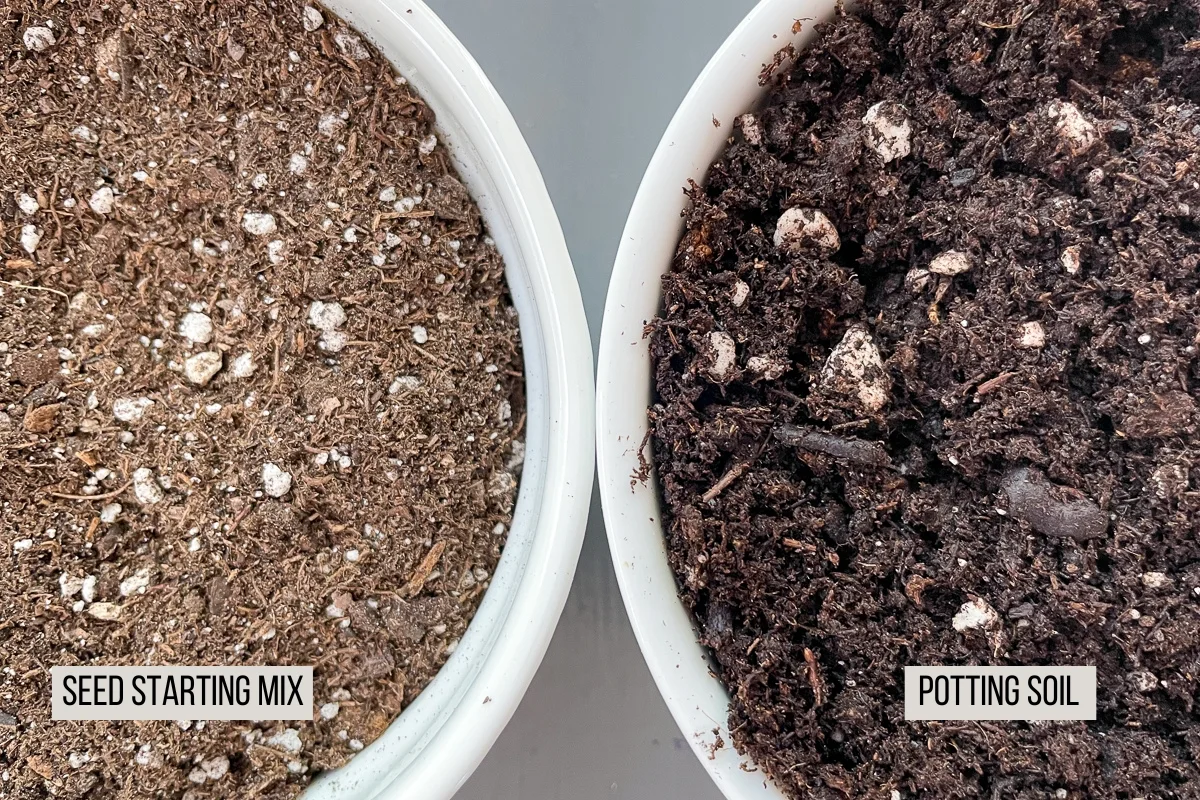
Seed starting mix is a light, airy medium made to help seeds germinate and young seedlings grow strong. It drains quickly and holds just enough moisture to keep tiny roots alive. Seed starting mix usually contains fine peat or coco coir, perlite, and sometimes a small amount of compost or starter nutrients.
Seed starting mix traits
- Fine texture that lets small roots move easily.
- High drainage and good air space.
- Low fertility so seedlings stretch roots rather than burn.
Why that matters: seeds and tiny seedlings need oxygen at their roots and gentle moisture. High nutrient levels can harm them. I learned this the hard way when I used a rich garden soil for seeds and lost half the tray to burned cotyledons.

What is potting mix?
Potting mix is a balanced medium built for growing established plants in containers. It holds water longer than seed starting mix and supplies nutrients or holds them for added fertilizer. Typical potting mix blends peat or coco coir, compost or bark, perlite or vermiculite, and added fertilizer or wetting agents.
Potting mix traits
- Coarser texture that supports larger roots.
- Higher nutrient content or ability to hold fertilizer.
- Better water retention for mature plants.
Use potting mix for plants after their first true leaves appear or for repotting into larger containers. From my experience, using potting mix too early can keep tiny roots too wet and stunt seedlings.
Key differences: seed starting mix vs potting mix
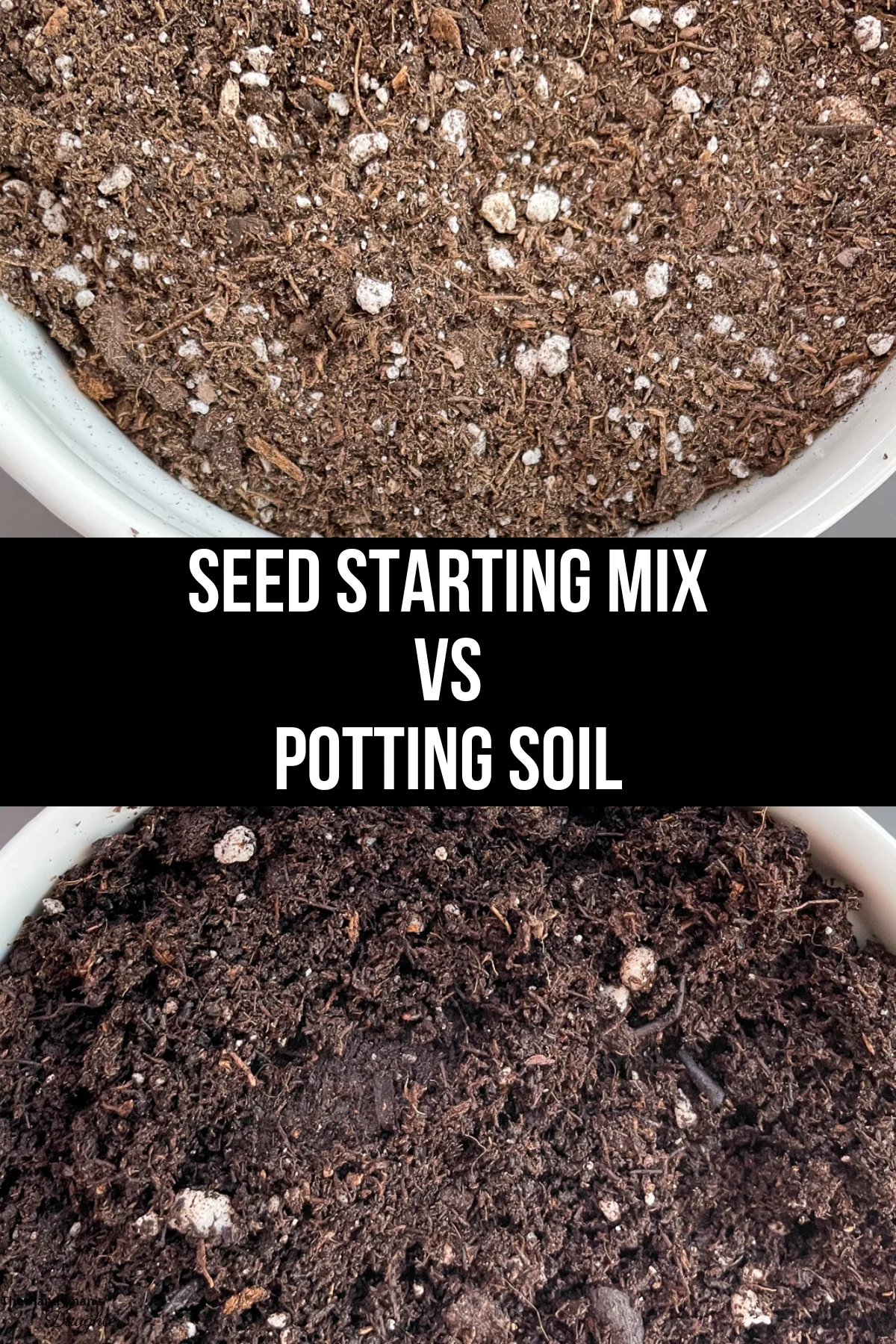
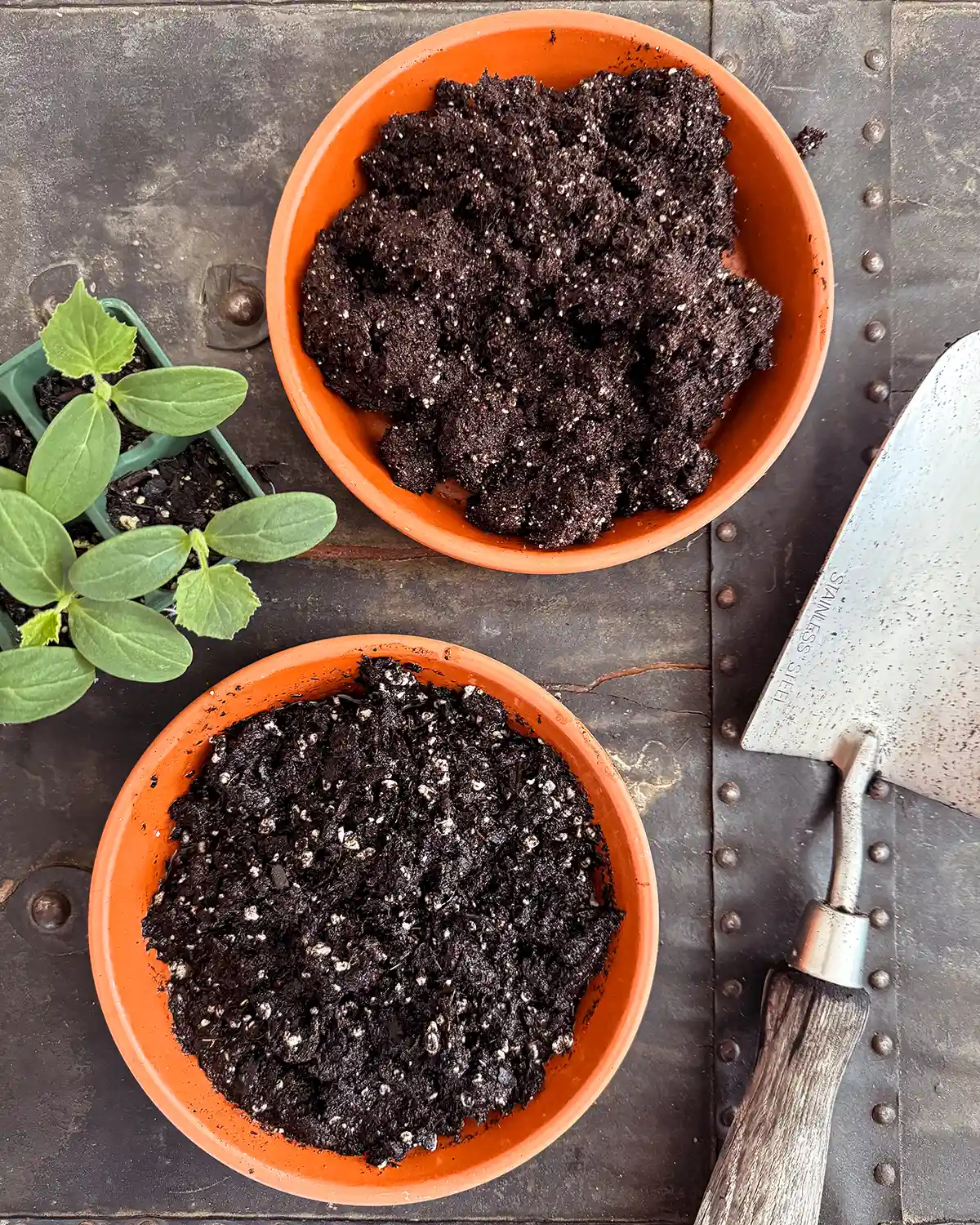
Comparing seed starting mix vs potting mix helps you pick the right medium for each stage of growth. Below are the core differences in plain terms.
Texture and particle size
- Seed starting mix: very fine and uniform to help small seeds contact moisture.
- Potting mix: coarser pieces and more structure for larger root systems.
Fertility and additives
- Seed starting mix: low to no fertilizer to avoid burning seedlings.
- Potting mix: often contains slow-release fertilizer or organic matter.
Water retention and drainage
- Seed starting mix: fast draining to keep oxygen near roots.
- Potting mix: holds more water while still draining for container use.
pH and disease control
- Seed starting mix: usually pasteurized or sterile to reduce disease risk.
- Potting mix: may not be sterile but often includes ingredients to deter pathogens.
When you weigh seed starting mix vs potting mix, think of seeds like newborns that need gentle care. I always move seedlings into potting mix only after they have real leaves and a sturdier stem.
When to use each
Use seed starting mix vs potting mix at the right times to avoid common failures. Timing matters more than brand.
Use seed starting mix when
- Starting seeds indoors or in trays.
- Sowing seeds that need quick drainage and oxygen.
- You want a sterile medium to reduce damping-off disease.
Use potting mix when
- Transplanting seedlings into pots or larger containers.
- Growing houseplants, herbs, or vegetables in containers.
- You need a medium that holds nutrients and moisture.
Practical tip from my garden: start seeds in a good seed starting mix, then gently transplant to potting mix once roots fill the starter cell. This reduces shock and speeds growth.
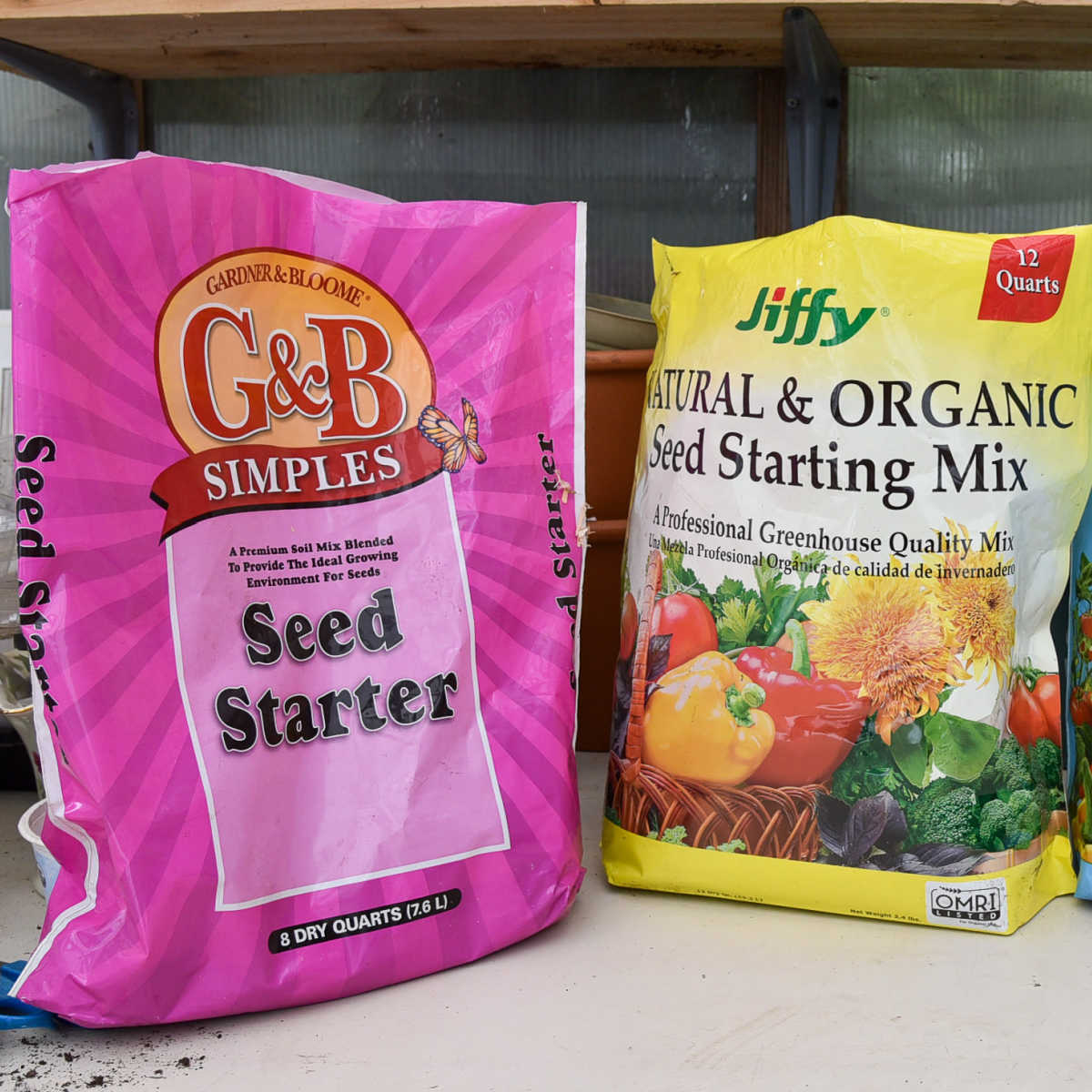
PAA-style questions about seed starting mix vs potting mix
Should I use potting mix to start seeds?
You can, but potting mix is often too dense and nutrient-rich for tiny seeds. It may hold too much moisture and increase disease risk.
Can I reuse seed starting mix?
You can reuse it after composting or sterilizing, but fresh mix lowers disease chances and gives better germination. Reused mix should be amended and refreshed.
Is seed starting mix sterile?
Many seed starting mixes are sterilized, which reduces pathogens and damping-off. However, not all brands are sterile, so check the label.

How to make your own seed starting mix and potting mix
Making your own mix saves money and lets you control ingredients. Here are simple, reliable recipes I use.
Seed starting mix recipe
- 2 parts coco coir or peat moss
- 1 part perlite
- 1 part vermiculite
Mix well and moisten before sowing. This blend drains well and holds gentle moisture.
Potting mix recipe
- 2 parts coco coir or peat moss
- 1 part compost or well-aged bark
- 1 part perlite or pumice
- Small handful of slow-release fertilizer per gallon
Blend thoroughly and test moisture retention before planting.
Safety note: avoid fresh compost that can burn roots. I learned to age compost for several months for gentleness.

Common mistakes and troubleshooting
Avoid these common errors when managing seed starting mix vs potting mix. Short fixes help save seedlings fast.
Overwatering seedlings
- Problem: Wet, dense mix can cause damping-off.
- Fix: Improve drainage, switch to fresher seed starting mix, and reduce watering.
Using rich potting mix for seeds
- Problem: High nutrients can “burn” tender seedlings.
- Fix: Move to low-fertility seed starting mix until seedlings have true leaves.
Poor transplant technique
- Problem: Root damage when moving seedlings between mixes.
- Fix: Transplant when roots are visible but not rootbound; handle by leaves, not stems.
Pest or disease issues
- Problem: Mold, fungus, or pests appear in trays.
- Fix: Increase airflow, use a sterile seed starting mix, and remove affected seedlings promptly.

Benefits and limitations of each
Know the strengths and limits of seed starting mix vs potting mix so you can plan better.
Seed starting mix benefits
- Gentle on seeds and seedlings.
- Low disease risk when sterile.
- Excellent root oxygenation.
Seed starting mix limitations
- Low fertility, so not for long-term growth.
- Needs transplanting to a richer mix later.
Potting mix benefits
- Supports long-term growth in containers.
- Holds nutrients and moisture better.
- Ready for mature plants and repotting.
Potting mix limitations
- Can be too heavy for germination.
- Often not sterile, raising disease risk if used for seeds.

My personal lessons and practical tips
I’ve started basil, tomatoes, and dozens of annuals using both mixes. Here are short lessons that helped my gardens succeed.
What worked best
- Start small seeds in sterile seed starting mix for higher germination.
- Harden seedlings for a week before moving them outdoors.
- Mix a small amount of potting mix into seed starting mix for larger seeds that need more nutrients.
Mistakes to avoid
- Don’t over-fertilize seedlings.
- Avoid planting seeds too deeply even in fine seed starting mix.
- Never use garden soil alone in containers.
Frequently Asked Questions of seed starting mix vs potting mix
What is the main difference between seed starting mix and potting mix?
Seed starting mix is fine-textured and low in nutrients to support germination, while potting mix is coarser and nutrient-rich for growing established plants. The two are designed for different plant stages.
Can I start seeds directly in potting mix?
Yes, but it may increase the risk of damping-off and overwatering for tiny seedlings. Use shallow trays and monitor moisture closely if you do.
How long should seedlings stay in seed starting mix?
Keep seedlings in seed starting mix until they show true leaves and a stronger root system, usually 2 to 4 weeks. Then transplant to potting mix or a larger container.
Is coco coir better than peat in seed starting mix?
Coco coir is a renewable alternative to peat and retains moisture well while allowing air flow. Both work, but coco coir is more sustainable.
How can I prevent damping-off in seeds?
Use a sterile seed starting mix, avoid overwatering, and ensure good airflow and warmth. Removing infected seedlings promptly also helps stop spread.
Final thoughts and next steps
Choosing between seed starting mix vs potting mix is about timing and plant needs. Use seed starting mix for germination and early growth, then move seedlings into potting mix for longer-term development. Try the DIY recipes above and adjust by plant type and local climate.
Actionable takeaway: start your next batch of seeds in a sterile seed starting mix, watch for true leaves, then transplant into potting mix for stronger, healthier plants. If this guide helped, try one recipe this weekend and share your results or questions below.