Landscape Fabric Vs Cardboard: Best Choice For Gardens
Landscape fabric blocks weeds longer; cardboard is cheaper, compostable, and better for planting beds.
I’ve worked in landscapes and home gardens for over a decade, testing materials and solving weed problems. This guide compares landscape fabric vs cardboard with clear pros, step-by-step installation tips, environmental notes, cost comparisons, and my real-world lessons to help you choose the right option.
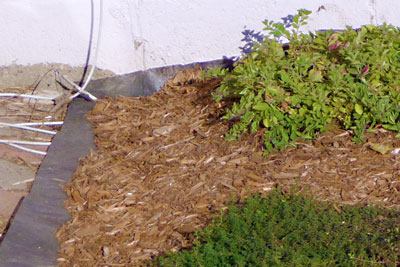
How landscape fabric vs cardboard work
Landscape fabric vs cardboard solve the same problem: stop light and smother weeds. Landscape fabric is a woven or spun-bond textile that keeps soil and mulch in place while blocking light. Cardboard works by creating a thick, opaque layer that decomposes over time and feeds the soil.
Common quick questions people ask:
- Which lasts longer: landscape fabric vs cardboard? Landscape fabric lasts longer; cardboard breaks down in months to a few years.
- Can I plant through landscape fabric vs cardboard? You can plant through both, but cardboard is easier to cut and integrate with new plants.
- Do either materials stop deep-rooted weeds? Both slow weeds by blocking light, but persistent roots can grow through either material if not managed.
Pros and cons: landscape fabric vs cardboard
Pros of landscape fabric:
- Long-lasting barrier that can control annual weeds for years.
- Allows water and some air to pass through when high-quality fabric is used.
- Works well under hardscapes and gravel where decomposition is not wanted.
Cons of landscape fabric:
- Can trap water and slow organic matter mixing if installed with no top mulch.
- Roots and vines can grow on top of fabric and create maintenance problems.
- It is often made from synthetic fibers, which can persist in soil if not biodegradable.
Pros of cardboard:
- Cheap, widely available, and compostable into the soil.
- Easy to overlap and shape around plants and beds.
- Improves soil life as it breaks down, feeding microbes and worms.
Cons of cardboard:
- Decomposes faster, so it offers shorter-term weed suppression.
- Can float or blow away if not weighted with mulch.
- Might contain inks or coatings in some boxes; choose plain brown cardboard.
Practical takeaway: Landscape fabric vs cardboard is a trade-off between durability and soil health. Use fabric where permanence and structural stability matter. Use cardboard where you want to improve soil and encourage soil life.
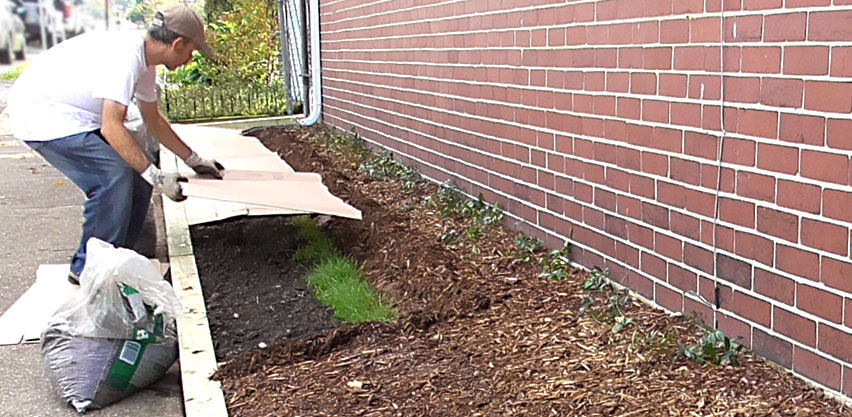
Best uses and installation tips
When to choose landscape fabric vs cardboard:
- Use landscape fabric when you need long-term weed control under gravel, pavers, or in paths.
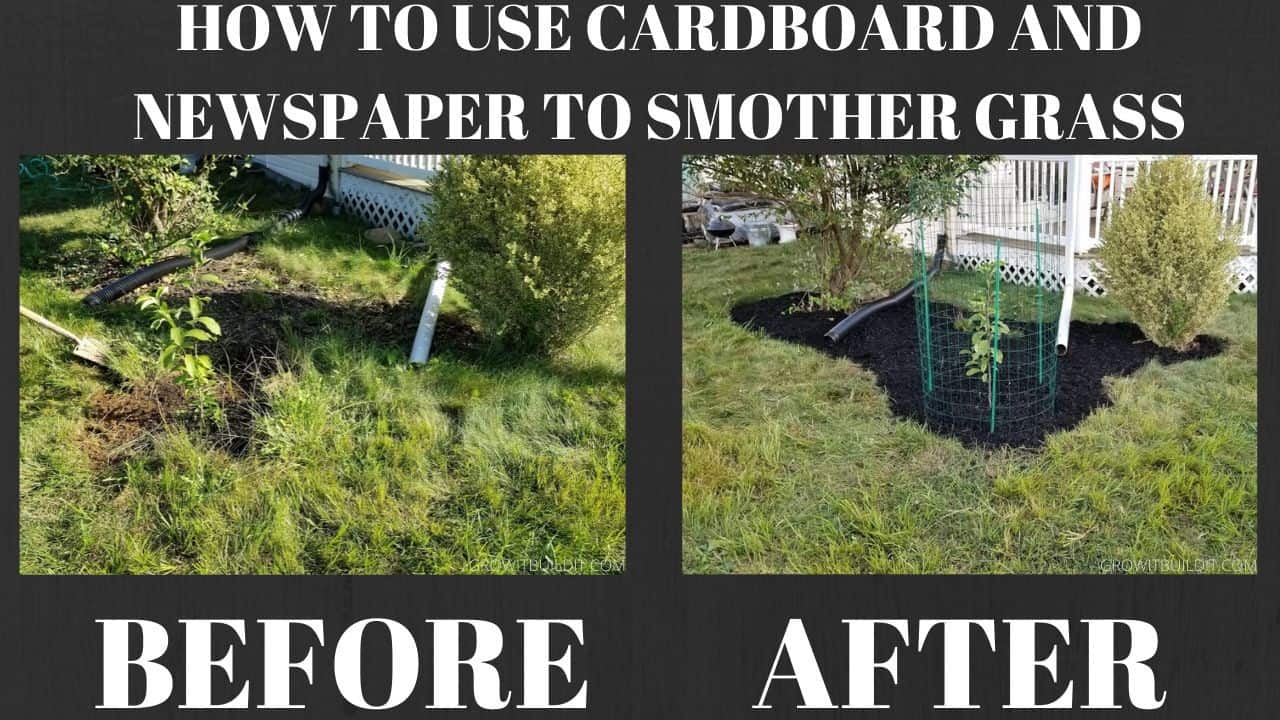
- Use cardboard for new beds, sheet mulching, garden conversions, or when building soil is a priority.
Simple installation steps for landscape fabric:
- Clear the area of large weeds and debris.
- Lay down fabric and overlap seams by 6 to 12 inches.
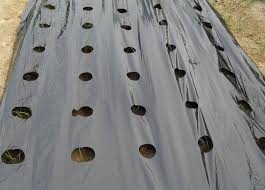
- Cut small X-shaped holes for plants to avoid large gaps.
- Cover with 2 to 4 inches of mulch or gravel to protect the fabric.
Simple installation steps for cardboard:
- Remove tape and any glossy coatings from boxes.
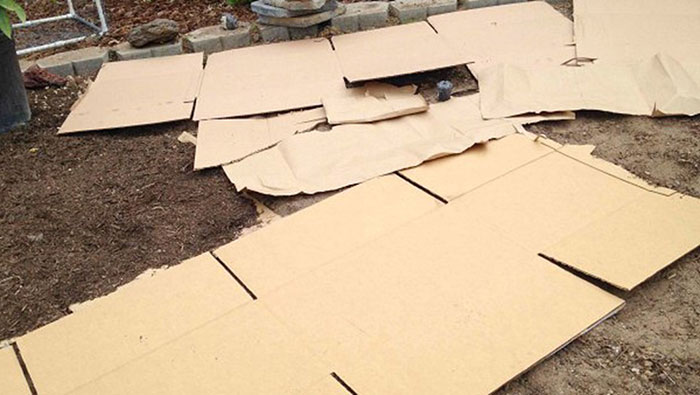
- Lay cardboard in overlapping sheets, wetting it as you go to help it conform.
- Cut holes where you will plant, or lay cardboard around existing plants.
- Cover with 3 to 6 inches of mulch to hold it down and speed decomposition.
Installation tips from experience:
- Always add a good layer of mulch over either material. Mulch protects the barrier and improves appearance.
- For slopes, pin fabric or weight cardboard with rocks to prevent slippage.
- In perennial beds, consider planting plugs through cardboard to reduce transplant shock.
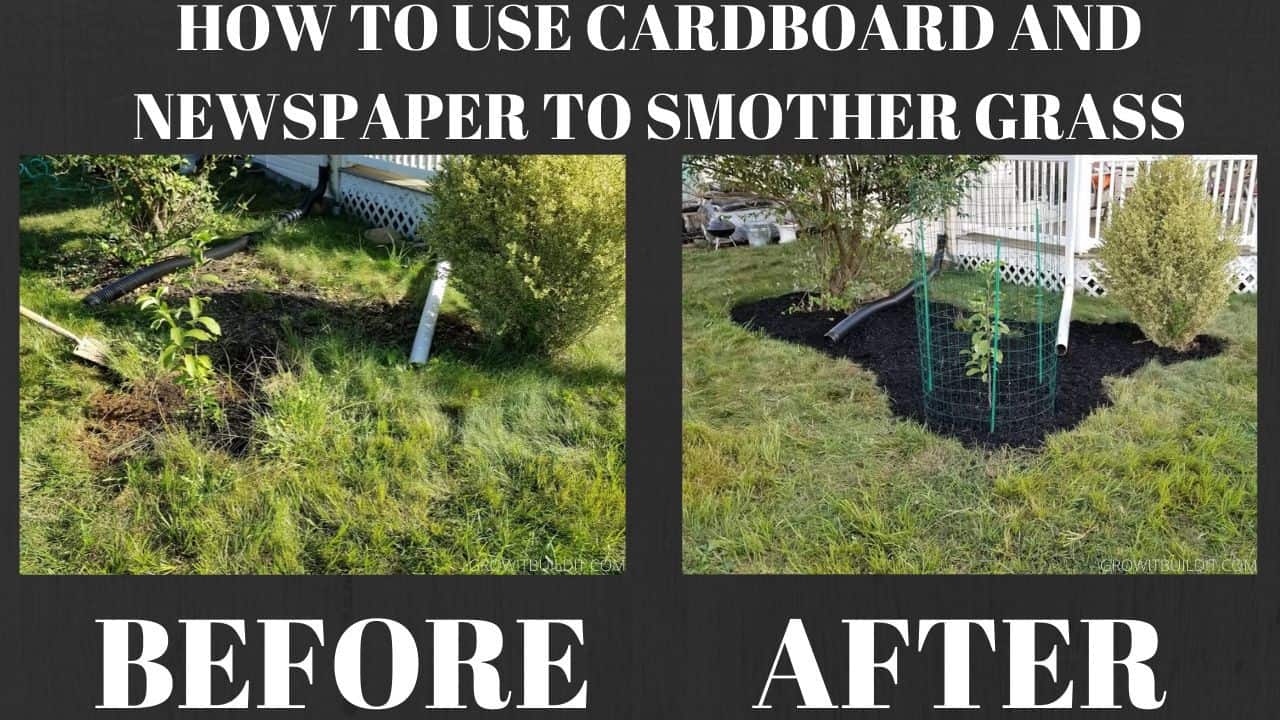
Maintenance, longevity, and performance
Expected performance:
- Landscape fabric can last 5 to 20 years depending on UV exposure and material quality.
- Cardboard typically lasts a few months to 3 years before breaking down into soil.
Maintenance tips:
- Inspect landscape fabric yearly for tears, root intrusion, and mulch buildup. Replace sections if torn.
- Refresh mulch on top of cardboard every year to keep it weighted and moist for steady decomposition.
- Remove perennial weeds that can root through either barrier by hand or targeted spot treatment.
Performance notes:
- Landscape fabric provides consistent weed suppression but can trap organic material and create layered soil issues over many years.
- Cardboard supports soil biology and is a better option if you plan to plant directly and improve soil health over time.

Environmental impact and disposal
Comparing environmental effects:
- Landscape fabric often contains plastics and can leave microfibers in soil if not removed. Biodegradable fabric options exist but vary in true compostability.
- Cardboard is mostly biodegradable and feeds soil organisms as it breaks down. Avoid glossy or heavily inked cardboard.
Disposal and sustainability tips:
- If you remove old landscape fabric, dispose of it according to local waste rules; do not shred into compost.
- Use only plain brown cardboard for beds. Remove tape and staples before use.
- Combine cardboard with organic mulch and compost to accelerate decomposition and improve soil.
Cost comparison and availability
General cost notes:
- Landscape fabric tends to cost more up front. Prices vary by width, weight, and brand.
- Cardboard is often free or very cheap if you reuse boxes. Buying pre-cut cardboard sheets is also inexpensive.
Budget examples:
- For a 100-square-foot bed, basic landscape fabric might cost between $15 and $50 depending on quality.
- Cardboard for the same area can be free or under $10 if sourced from boxes, plus a few dollars for mulch.
Practical buying tips:
- Buy heavier fabric for high-traffic or long-term projects. Lightweight fabric tears easily.
- Source cardboard from local stores or online marketplaces to save money and reduce waste.
Personal experience, mistakes to avoid, and tips
From my years working on gardens and landscaping projects, here are real lessons:
- Mistake: Laying fabric and skipping mulch. Result: Fabric exposed, degraded, and full of weeds. Lesson: Always cover and maintain a good mulch layer.
- Mistake: Using glossy or coated cardboard. Result: Slow decomposition and odd residues. Lesson: Use plain brown cardboard without waxy coatings.
- Tip: For a veggie patch conversion, I laid cardboard, added compost and mulch, and had soft, rich soil in one season.
- Tip: For pathways, fabric under decomposed granite with good edging lasted years and cut weekly weeding in half.
These experiences show that the choice of landscape fabric vs cardboard depends on your goals: immediate weed suppression and permanence, or soil improvement and low cost.

Frequently Asked Questions of landscape fabric vs cardboard
What is better for long-term weed control: landscape fabric or cardboard?
Landscape fabric generally lasts longer and gives more continuous weed control. Cardboard breaks down and needs reapplication or mulch refreshes over time.
Can I plant directly through landscape fabric vs cardboard?
You can plant through both by cutting holes, but cardboard integrates into the soil easier and is kinder to new roots. Fabric can restrict root spread if left in place long term.
Will cardboard attract pests or mold in my garden?
Cardboard can get damp and support fungi as it decomposes, which is part of building healthy soil. Proper mulch and not piling cardboard against plant stems reduce pest and rot risks.
Is landscape fabric bad for soil health?
Some synthetic fabric can block organic matter from mixing into soil and may leave microplastics. Choosing biodegradable options and allowing organic layers on top can reduce harm.
How often should I replace landscape fabric vs cardboard?
Replace landscape fabric when it tears or loses integrity, often every 5 to 20 years depending on quality. Cardboard typically needs replacement or topping every 1 to 3 years as it decomposes.
Conclusion
Choosing between landscape fabric vs cardboard depends on your goals: long-term weed control and stability favor landscape fabric, while soil building, ease, and low cost favor cardboard. Think about the lifespan you want, the plants you’ll grow, and your commitment to maintenance. Try cardboard for new beds and sheet mulching, and reserve landscape fabric for paths, under pavers, or where you need lasting structure. Test a small area first, note the results, and adjust your approach.
If this helped, try a small trial in your yard this season and share your results below. Subscribe for more hands-on garden tips and step-by-step guides.