Composting Vs Vermicomposting: Which Is Best In 2026?
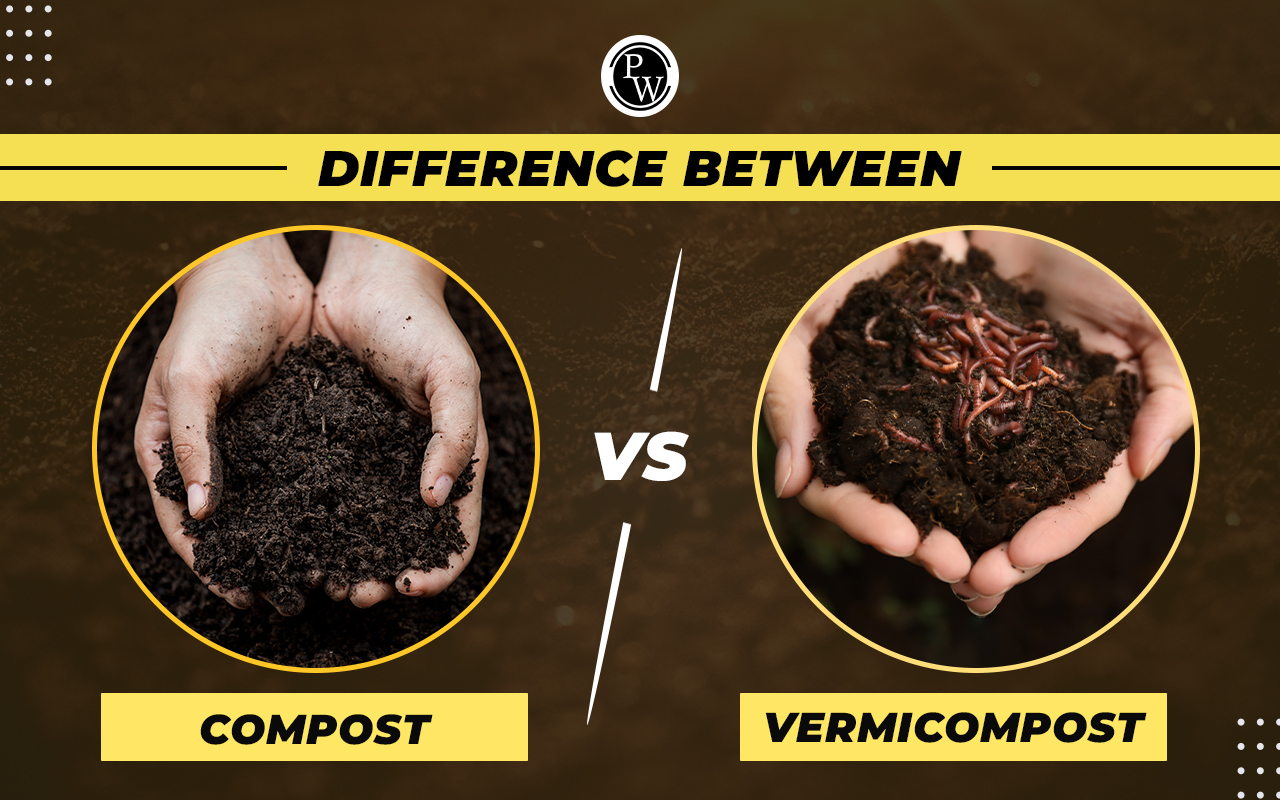
Composting vs vermicomposting: same goal, different methods, timelines, and outputs.
If you want rich soil from kitchen scraps, you have two proven paths: composting and vermicomposting. I’ve practiced both at home and in community gardens for years. In this guide, I’ll break down composting vs vermicomposting in plain language. I’ll show what each method does best, where they fall short, and how to start fast. By the end, you’ll know which method fits your space, time, and plants.

What Is Composting? What Is Vermicomposting?
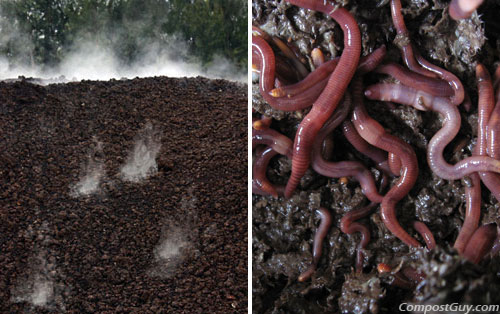
Composting is the controlled breakdown of organic waste with air and moisture. Microbes heat the pile, speed decay, and turn scraps into dark, crumbly compost. A hot pile can hit 131–160°F, which can kill many weed seeds and some pathogens. You can run it hot with frequent turning or go cool and slow with a static pile.
Vermicomposting is composting with help from worms, usually red wigglers. They eat soft food scraps and bedding. Their castings become a fine, stable, microbe-rich fertilizer. Worm bins run cool, so you keep them between about 55–77°F. They fit small spaces and work year-round indoors.
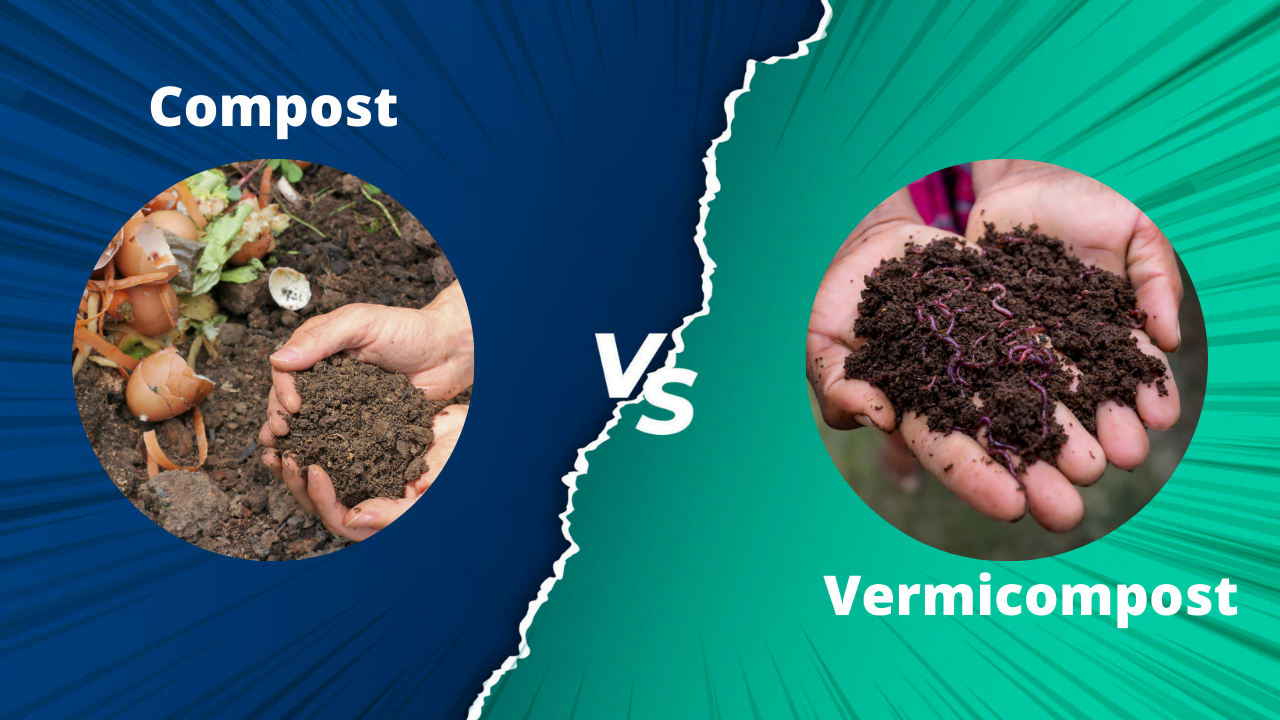
Both convert waste into plant food. The difference is who does the heavy lifting: heat-loving microbes vs worms plus microbes. That is the heart of composting vs vermicomposting.

Composting vs Vermicomposting: Key Differences
Here is how composting vs vermicomposting compares in the real world.
-
Process
- Composting: Mostly microbe-driven decay, often hot.
- Vermicomposting: Worms and microbes, always cool.
-
Speed
- Composting: Fast if hot and turned often, slower if left alone.
- Vermicomposting: Steady, usually 2–3 months for a batch.
-
What you can feed
- Composting: Yard waste, leaves, grass, coffee, paper, most kitchen scraps.
- Vermicomposting: Soft kitchen scraps, paper bedding, coffee grounds; avoid lots of citrus, spicy food, meat, and dairy.
-
Space and scale
- Composting: Great for bigger yards and fall leaf loads.
- Vermicomposting: Great for apartments, balconies, and small families.
-
Temperature and odor
- Composting: Can run hot; odor-free when managed right.
- Vermicomposting: Needs cool, stable temps; low odor when balanced.
-
Output
- Composting: Bulk soil conditioner that improves structure and moisture.
- Vermicomposting: Concentrated castings rich in microbes and plant-available nutrients.
This is the snap view of composting vs vermicomposting that helps you choose fast.
Pros and Cons of Each Method
Composting Pros
- Handles large volumes of yard waste.
- Can kill many weed seeds when hot.
- Low cost and low tech to start.
- Less picky about what you add.
Composting Cons
- Needs space for a bin or pile.
- Turning is work if you want speed.
- Can be slow in cold weather.
- Can smell if too wet or low on browns.
Vermicomposting Pros
- Works indoors and in small spaces.
- Produces high-quality castings.
- Low odor when balanced.
- Fun and educational for kids and schools.
Vermicomposting Cons
- Worms need steady temps and care.
- No meat, dairy, or oily food.
- Can get fruit flies if mismanaged.
- Castings are smaller in volume per batch.
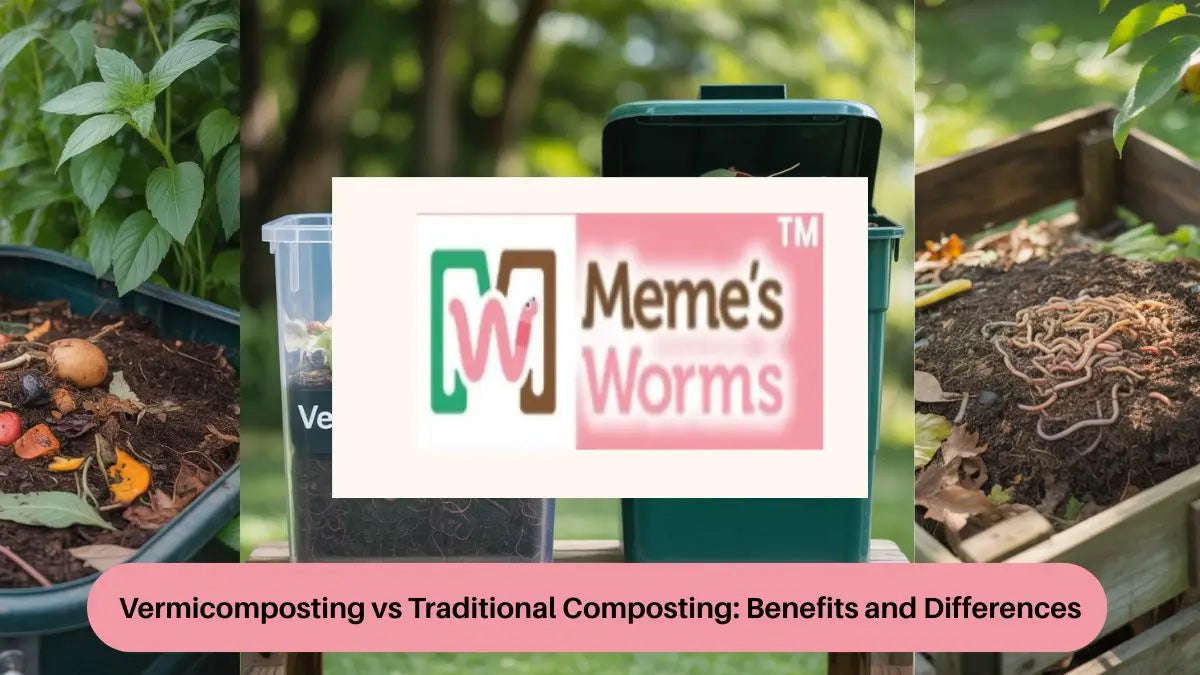
Seeing both sides makes composting vs vermicomposting clearer and more practical.

Which One Should You Choose?
Pick composting if you have a yard, lots of leaves, or grass clippings. It shines when you want to process bulk waste and build garden beds with volume. If you like weekend yard work, you can keep a hot pile humming.
Pick vermicomposting if you live in an apartment or want year-round results with kitchen scraps. It works well if you enjoy hands-on care and want premium castings for houseplants or raised beds.
Many gardeners do both. Use a yard pile for bulky browns and a worm bin for daily food scraps. In the composting vs vermicomposting debate, the best answer can be yes to both.
Step-by-Step: How to Start Composting and Vermicomposting
Here is a simple path to success for both methods.
Start composting
- Choose a spot with good drainage and some shade.
- Build a base layer with sticks for airflow.
- Add browns and greens in thin layers. Aim for about 2 parts browns to 1 part greens by volume.
- Keep it as moist as a wrung-out sponge.
- Turn every 1–2 weeks for hot compost, or leave it longer for slow compost.
- Stop adding new scraps once half-finished. Let it cure 3–4 weeks before use.
Start vermicomposting
- Get a bin with airflow and drainage, plus a tray or catch pan.
- Add moist bedding like shredded paper, cardboard, or coco coir.
- Add a cup of garden soil or finished compost to seed microbes.
- Introduce red wigglers. One pound is enough for a small bin.
- Feed small amounts of chopped scraps under bedding. Start slow.
- Keep it cool, moist, and dark. Harvest castings every 2–3 months.
Small steps add up. This is how composting vs vermicomposting becomes a smooth habit.

The Science and Nutrient Quality
Research and field trials show some clear patterns. Hot composting reduces pathogens and may knock down many weed seeds due to high heat. Finished compost has stable organic matter with a balanced carbon-to-nitrogen ratio near 15–20:1.
Vermicompost often has more microbial diversity, sticky humus, and plant growth compounds like auxins and cytokinins. These can boost root growth and seedling vigor. Castings also hold water well and buffer pH near neutral.
In practice, I use compost for bed building and mulch. I use vermicompost in seed-starting mixes and as a top-dress for houseplants. That split uses the strengths of composting vs vermicomposting for the best plant response.
Cost, Time, and Space Comparison
How composting vs vermicomposting stacks up on the basics.
-
Upfront cost
- Composting: Free to low cost with a DIY bin.
- Vermicomposting: Cost for bin, bedding, and worms.
-
Ongoing cost
- Composting: Almost none beyond a pitchfork.
- Vermicomposting: Minimal, mostly bedding.
-
Time and labor
- Composting: Turning can be a workout.
- Vermicomposting: Light, regular care.
-
Space
- Composting: Best in a yard.
- Vermicomposting: Works under a sink or in a closet.
-
Output speed
- Composting: Fast when hot, slow when cold.
- Vermicomposting: Steady output year-round indoors.
This side-by-side view helps lock in your choice on composting vs vermicomposting.

Troubleshooting and Common Mistakes
Common composting issues
- Bad odor: Too wet or too many greens. Add dry browns and turn.
- Slow pile: Not enough nitrogen or moisture. Add greens and water lightly.
- Pests: Bury food and avoid meat and dairy. Use a lid or fine mesh.
Common vermicomposting issues
- Fruit flies: Bury food, freeze scraps first, and keep a thick bedding cap.
- Worms escaping: Bin too wet, hot, or acidic. Fluff bedding, add dry paper, check temps.
- Wet sludge: Too much food. Feed less and add dry bedding.
Keep a simple log. Small tweaks fix most bumps in composting vs vermicomposting.
Environmental Impact and Sustainability
Both methods cut methane by diverting food scraps from landfills. That is a big climate win. Compost and castings also help soil hold water, which lowers irrigation needs.
Hot compost can handle sticks and leaves that would clog a worm bin. Vermicomposting shines at daily food waste capture, even in cities. The combo keeps organic waste in a tight, local loop. That is the deeper value of composting vs vermicomposting.
My Experience and Practical Tips
I ran a three-bin system at a community garden and a small worm bin at home. The yard bins ate fall leaves and spring weeds with ease. The worm bin kept coffee grounds and peels out of the trash, even in winter.
A few lessons learned
- Chop scraps smaller. It speeds both methods.
- Keep a stash of dry browns. Paper and leaves save the day when things get wet.
- For worms, feed less than you think at first. They catch up fast.
- Sift compost for seed-starting mixes. Blend in 10–20% castings for a strong start.
- Label a bucket “future soil.” It makes composting vs vermicomposting feel like a habit, not a chore.
These small habits raised my success rate and kept bins clean and calm.
Frequently Asked Questions of composting vs vermicomposting
Is vermicompost better than regular compost?
Both are great. Vermicompost often has more active microbes and plant-friendly compounds, while regular compost adds bulk organic matter and improves soil structure.
Can I keep a worm bin in an apartment?
Yes. Use a ventilated bin with moist bedding, feed small amounts, and cover scraps. When balanced, it will not smell.
How long does it take to make compost or vermicompost?
Hot compost can finish in 4–8 weeks with frequent turning, while a cold pile may take months. Vermicompost often takes 2–3 months per batch in a home bin.
What worms are best for vermicomposting?
Red wigglers are the standard choice. They thrive in shallow bins, process food scraps fast, and reproduce well.
Can I add citrus, onions, or cooked food to a worm bin?
Small amounts are fine if chopped and buried. Avoid spicy, oily, or salty foods and do not overload the bin.
Does composting kill weed seeds?
A well-managed hot pile can reduce many weed seeds. Keep the core above 131°F for several days and turn to heat all parts.
What is the ideal moisture level for both methods?
Aim for a wrung-out sponge feel. If it drips when squeezed, add dry browns; if it feels dry, add water lightly.
Conclusion
Composting vs vermicomposting is not a rivalry. It is a menu. Composting shines with volume and heat. Vermicomposting shines with fine, potent castings and indoor ease. Choose the one that fits your space and habits, or pair them for the best of both.
Start small this week. Set up a bucket for browns and a bin for scraps. Your soil will notice fast. If you found this useful, subscribe for more how-tos, or share your bin setup in the comments so we can learn together.