Seed Saving Vs Buying Seeds: Smart Guide For 2026
Both work: save seeds for resilience, buy seeds for variety and reliability.
I’ve grown gardens in small city yards and on windy rural plots. I’ve saved seeds for years and bought new ones each spring. In this guide, I break down seed saving vs buying seeds with clear steps, real examples, and data you can trust. By the end, you’ll know when to save, when to buy, and how to get the best harvest from both paths.
What seed saving vs buying seeds really means
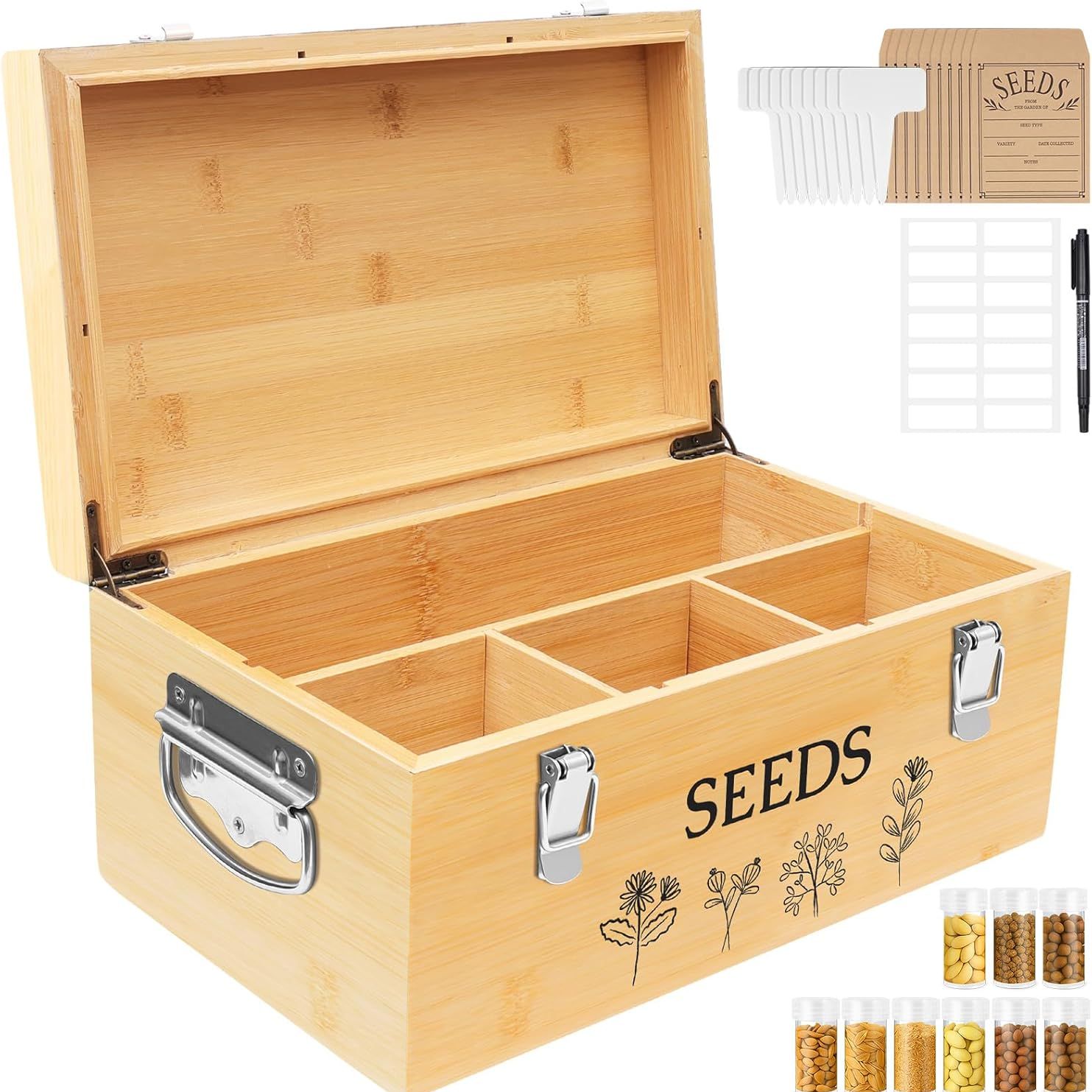
Seed saving means you collect mature seeds from your own plants, then dry, store, and plant them next season. Buying seeds means you choose fresh packets from catalogs, online shops, or local stores. Seed saving vs buying seeds is not a battle. It is a set of tools you can mix to fit your goals, space, and time.
Open-pollinated and heirloom seeds grow true to type, so saved seeds match the parent plant. Hybrid seeds, marked F1, do not grow true. Saved hybrid seeds are wild cards. Both paths can work if you plan with care and test germination.
Pros and cons of seed saving
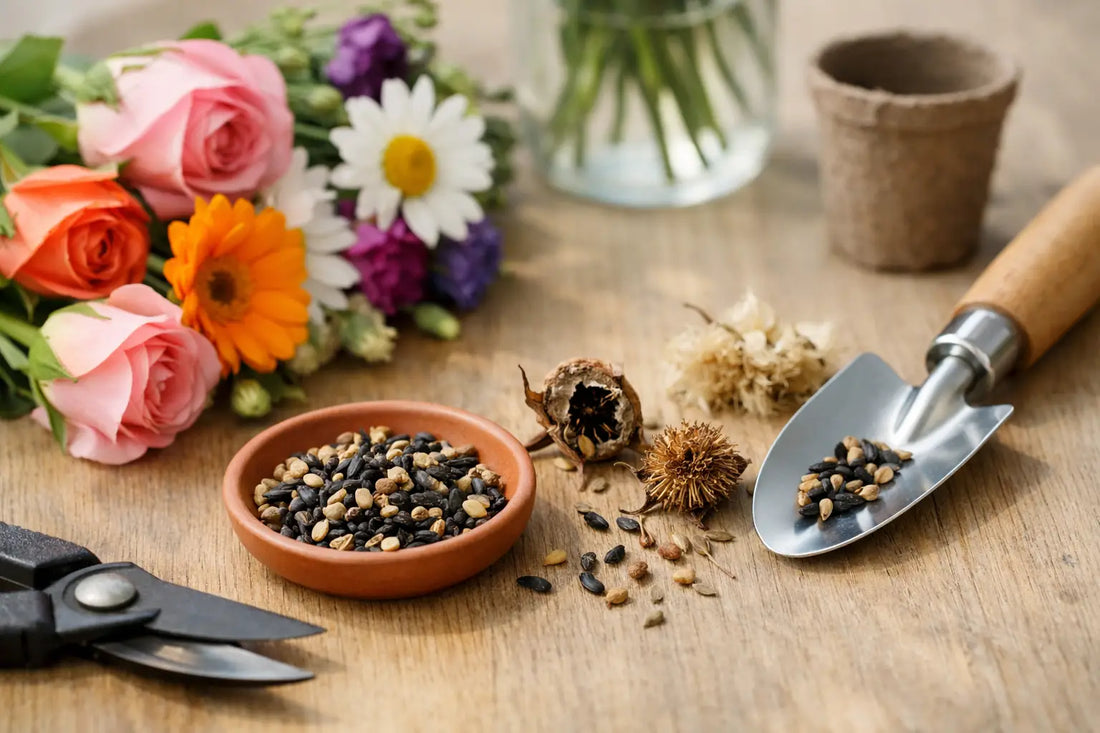
Seed saving can cut costs and build a garden that adapts to your microclimate. It can also strengthen your food security and deepen your skills. But it takes time and some care.
Benefits:
- Saves money after the first season
- Preserves flavor and traits you love
- Builds local adaptation over years
- Teaches botany, timing, and patience
Limitations:
- Cross-pollination can change traits
- Hybrids do not breed true
- Drying and storage need steady effort
- Some crops are hard to isolate
When I saved tomato seeds from a family heirloom, the flavor grew richer each year. But I once saved zucchini near pumpkins. The next year, fruits were bland. Lesson learned: isolation or hand pollination matters.

Pros and cons of buying seeds
Buying seeds gives you choice, speed, and a clean start each year. It shines when you want new traits, disease resistance, or rare crops.
Benefits:
- Wide access to new and niche varieties
- Strong disease resistance in many hybrids
- High germination rates and clean stock
- Saves time in busy seasons
Limitations:
- Annual cost adds up
- Packets can sell out fast in spring
- Some varieties may not match your microclimate
- Risk of old stock if vendors store poorly
In my wet spring climate, I buy hybrid cucumbers with downy mildew resistance. For lettuce, I buy diverse mixes to spread risk. This blend lets me test, then save from standouts later.
Cost and time comparison
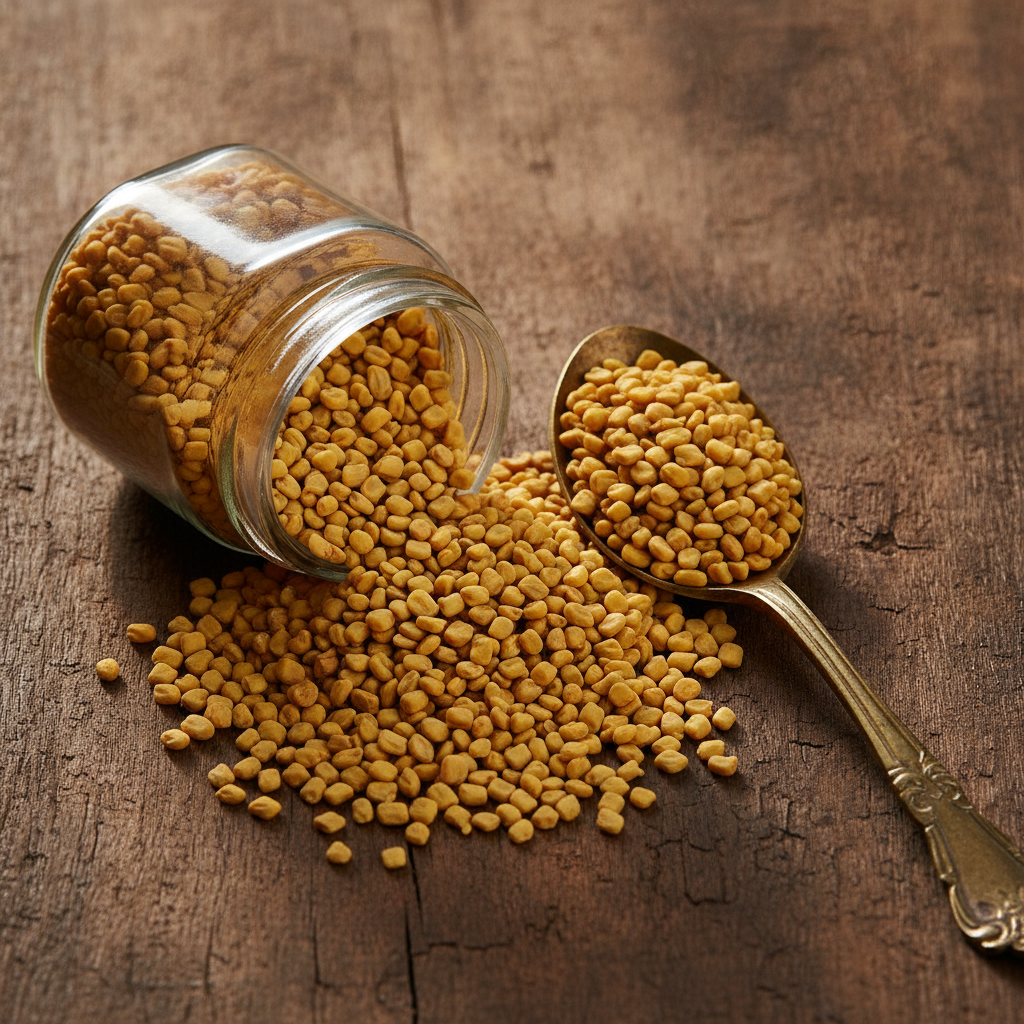
Seed saving vs buying seeds often comes down to money and time. A single healthy tomato can yield hundreds of seeds. That is months of future crops for free. But you must clean, dry, and label them well.
Costs to consider:
- Buying seeds: packet price, shipping, and repeats each year
- Saving seeds: gear like screens, envelopes, jars, and silica gel
- Time: fermenting tomatoes, drying beans, and testing germination
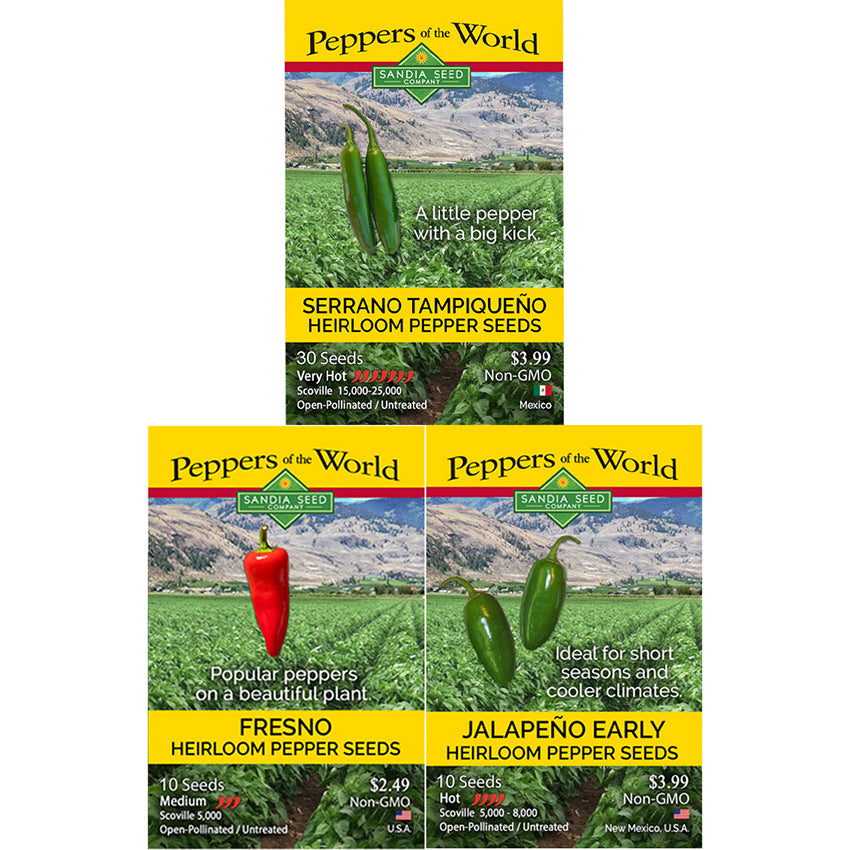
A simple rule: save easy crops like tomatoes, beans, peas, and peppers. Buy hard or outcrossing crops like corn, brassicas, carrots, and many squashes unless you can isolate plants.
Seed quality, purity, and genetics
Quality is about viability, vigor, and purity. Seed saving vs buying seeds both can deliver quality if you follow best practices.
Key points:
- Viability drops with age and bad storage
- Purity needs isolation or hand pollination
- Vigor grows when you select strong parent plants
- Hybrid vigor helps with stress and disease
I run quick germination tests on paper towels each winter. Ten seeds on a plate tell me the truth in a week. If rates drop, I plant thicker or refresh with new stock.

Sustainability and resilience
Seed saving keeps living genetics in your hands. It builds resilience against supply shocks. Buying seeds keeps you plugged into new traits and broad diversity.
Sustainable choices:
- Save seeds from your best plants
- Swap with trusted local growers
- Buy from vendors who test and share data
- Mix both paths to reduce risk
In 2020, many seed shops sold out fast. My saved beans, peas, and tomatoes kept my beds full. I still bought disease-resistant cucumbers and corn. That mix fought pests, weather shifts, and short supply.
Legal and ethical notes
Know the rules. Some varieties are protected by patents or plant variety protection. Do not sell or share saved seeds from protected types if rules forbid it. You can still save for your own use with some, but check labels.
Ethical tips:
- Credit breeders and keep notes
- Share open-pollinated and heirloom seeds
- Support small growers who keep rare lines alive
- Learn your local rules before swaps
When to choose seed saving vs buying seeds
Use seed saving vs buying seeds as a seasonal playbook. Match the method to the crop and your goals.
Save seeds when:
- The crop is self-pollinating like tomatoes, beans, peas, and peppers
- You love a flavor or trait and want more of it
- You can isolate plants or hand pollinate
Buy seeds when:
- You need reliable disease resistance
- You want to trial new or rare varieties
- You grow outcrossers like corn or brassicas without isolation
A practical plan: buy three tomato varieties. Save from the one that thrives in your soil and heat. Repeat with cucumbers next year. Build a local line over time.
How to start seed saving step by step
Start simple. Then add more crops as your skills grow.
Step-by-step:
- Pick easy crops: tomatoes, beans, peas, peppers
- Choose the healthiest parent plants
- Harvest mature seed: dry pods or fully ripe fruit
- Clean seeds: dry beans and peas, ferment tomatoes for 2 to 3 days, rinse peppers
- Dry seeds: spread thin on screens for 7 to 14 days in shade
- Label: crop, variety, date, and notes on traits
- Store: cool, dark, and dry with a desiccant
- Test: do a germination check each winter
Personal tip: I keep a seed journal. I track rain, pests, and flavor notes. This turns one good season into many better ones.
Storage, labeling, and germination testing
Good storage makes or breaks seed saving vs buying seeds plans. Dry, cool, and dark are the three keys.
Best practices:
- Aim for low humidity and steady cool temps
- Use glass jars or sealed bags with silica gel
- Add labels inside and outside each container
- Store in a closet or fridge, not the freezer for most home needs
Quick test method:
- Place 10 seeds on a damp paper towel
- Seal in a bag, keep warm, and check daily
- Count sprouts after the normal germ time
- Plant more thickly if rates are low
Common mistakes and how to avoid them
Even pros slip up. Here are the big traps and fixes.
Mistakes to avoid:
- Saving from the first fruit only. Save from peak, healthy plants.
- Drying seeds in sun. Use shade and airflow.
- Skipping labels. Use clear names and dates.
- Mixing hybrids and heirlooms too close. Isolate or hand pollinate.
- Keeping seeds in warm rooms. Store cool and dry.
I once lost a rare pepper line to mold after a humid week. A simple desiccant pack in the jar would have saved it.
Frequently Asked Questions of seed saving vs buying seeds
Is seed saving vs buying seeds better for beginners?
Both can work. Start by buying a few reliable packets and save seeds from one easy crop like tomatoes.
Can I save seeds from hybrid plants?
You can, but results vary. Hybrids do not breed true, so flavors and shapes may shift.
How long do saved seeds last?
Many seeds last 2 to 5 years with good storage. Onions and parsnips are short lived, while tomatoes and beans last longer.
Do I need special tools to save seeds?
No, just screens, envelopes, and jars. A small fan and silica gel help a lot.
Will seed saving reduce disease?
It can if you select healthy parents. Buying disease-resistant varieties also helps reduce risk.
What crops are easiest for seed saving vs buying seeds strategies?
Tomatoes, beans, peas, and peppers are easy to save. Buy outcrossers like corn and brassicas unless you can isolate.
How do I prevent cross-pollination?
Give space between varieties, use blossom bags, or hand pollinate. Grow one variety per species if space is tight.
Is buying seeds every year wasteful?
Not if you use them well. Many growers buy a core set and save the rest to balance cost and choice.
How do I test seed viability at home?
Use a paper towel test. Count sprouts after the normal germ time and adjust planting rates.
Does seed saving vs buying seeds affect flavor?
Yes. Saving from your best plants can fix great flavor. Buying new lines lets you chase new tastes.
Conclusion
Seed saving vs buying seeds is not either or. It is a flexible system. Save seeds from crops that are easy and loved. Buy seeds when you need new traits, strong resistance, or fresh starts. Mix both and you get lower costs, rich flavors, and steady yields.
Try one save-and-buy plan this season. Pick one crop to save and one to buy for trials. Share your wins and lessons in the comments, and subscribe for more step-by-step guides.