Arborvitae Vs Leyland Cypress: Best Privacy Hedge Guide
Arborvitae are slower, compact hedges; Leyland cypress grow fast but need more care.
I have planted and maintained both arborvitae and Leyland cypress for years. In this guide I compare arborvitae vs leyland cypress with clear, practical advice you can use. You will learn differences in growth, hardiness, maintenance, pests, landscape uses, cost, and planting tips. My goal is to help you pick the right tree for privacy screens, windbreaks, or accent planting.
Comparison overview: arborvitae vs leyland cypress
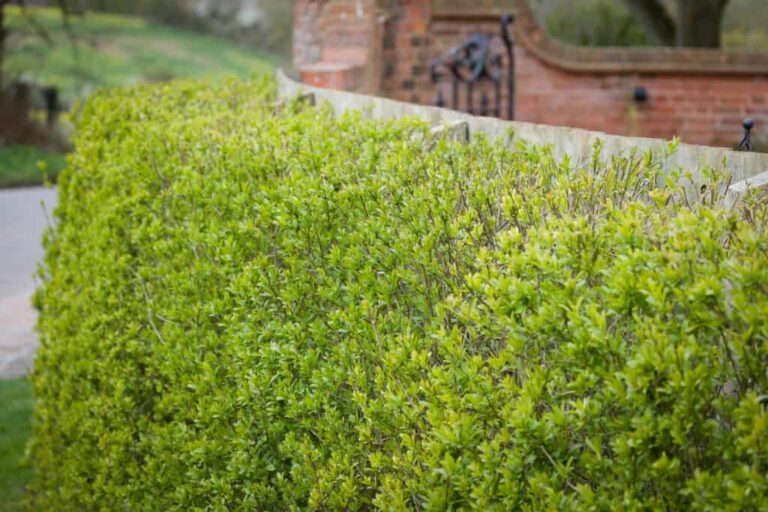
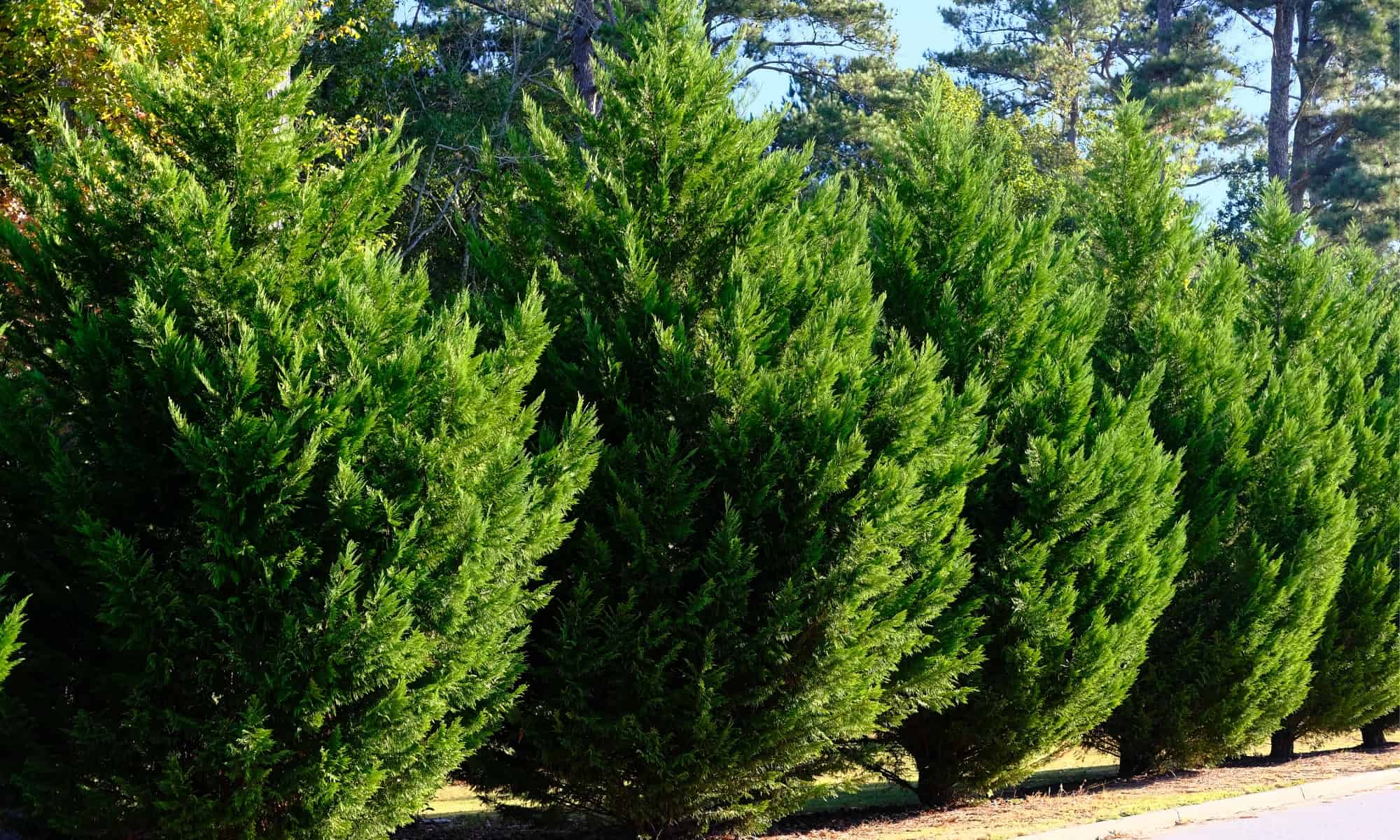
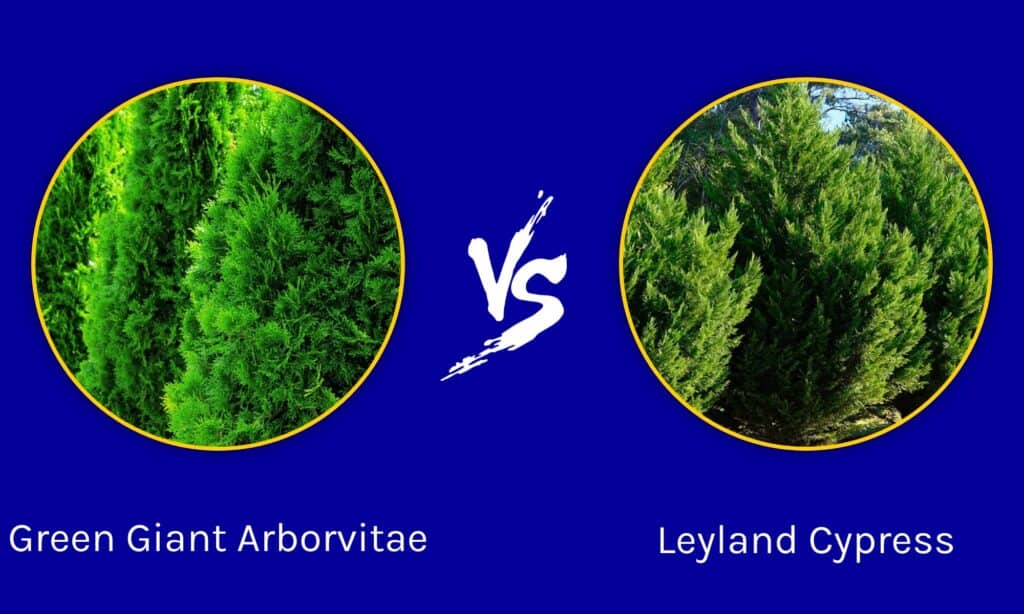
Arborvitae and Leyland cypress are popular evergreen choices for hedges and screens. Arborvitae refers to Thuja species and varieties known for narrow crowns and dense foliage. Leyland cypress is a hybrid that grows very fast and can form tall, uniform screens. When deciding arborvitae vs leyland cypress, think about speed, space, soil, and long-term upkeep.
Key quick contrasts
- Growth speed: Leyland cypress grows much faster.
- Shape: Arborvitae stays narrower and more columnar.
- Maintenance: Arborvitae often tolerates light pruning better.
- Space needs: Leyland needs more room and root space.
People also ask: Which is better for fast privacy? Leyland cypress is better for quick screens due to rapid growth. Which is better low maintenance? Many arborvitae cultivars require less aggressive trimming but need winter care.
Growth rate and mature size
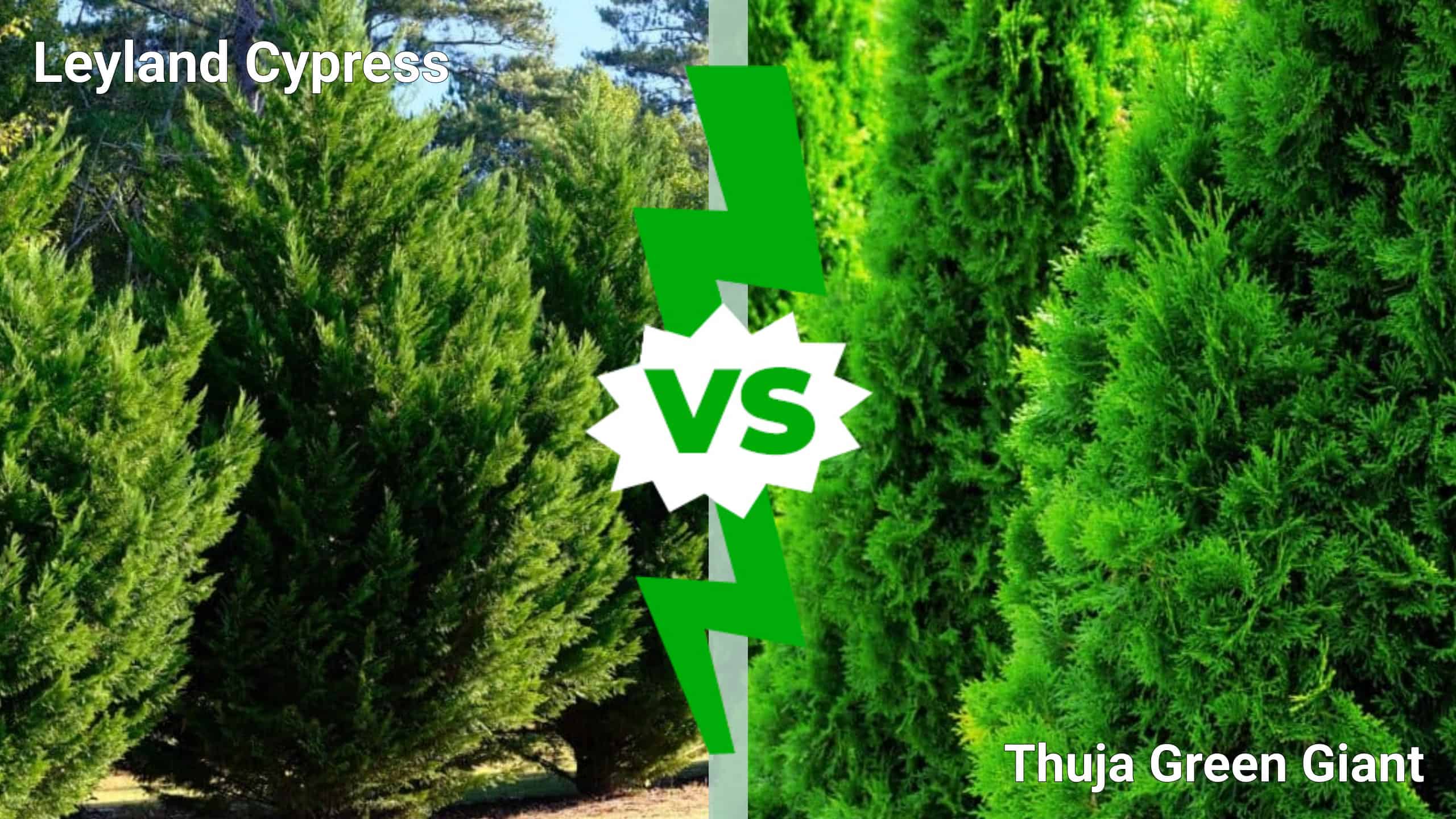
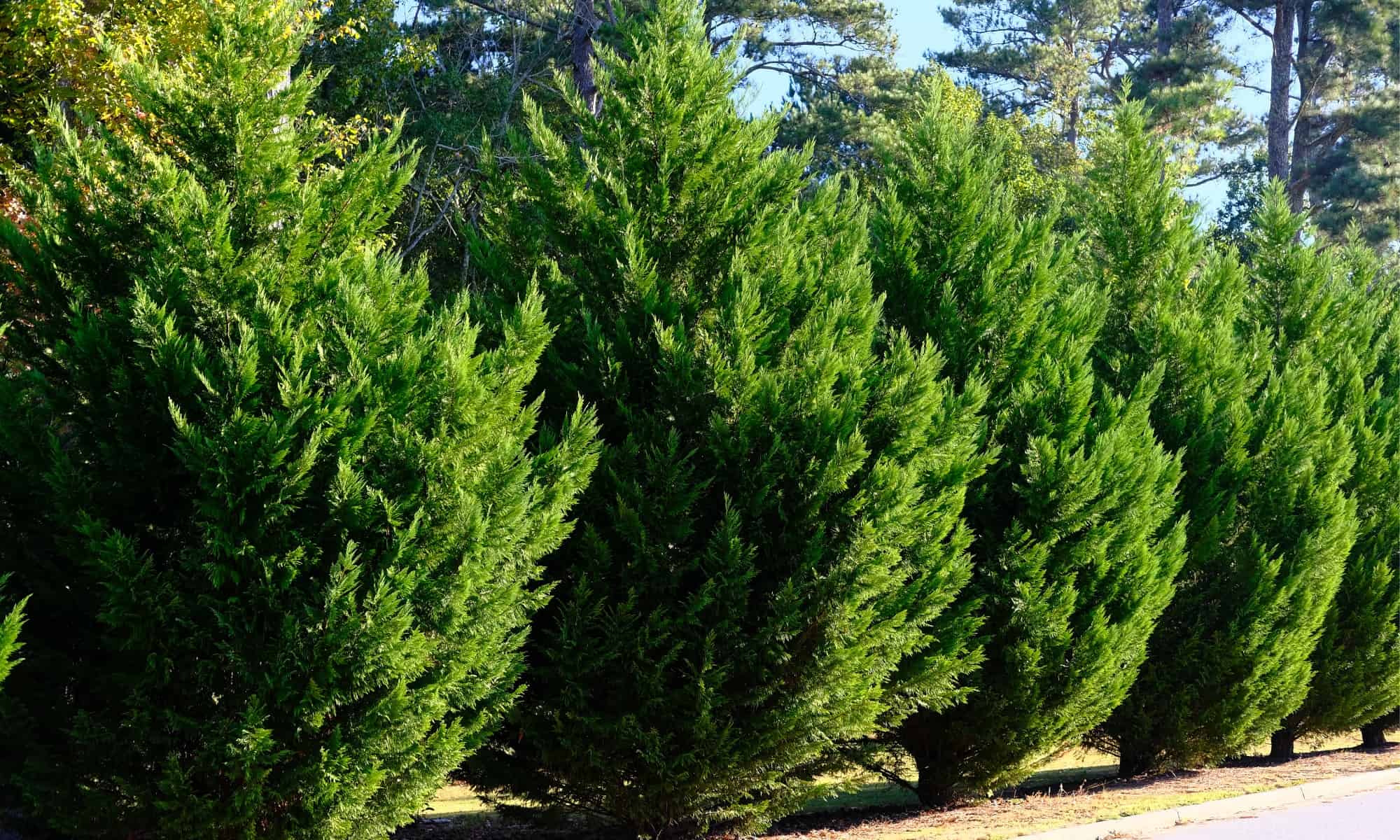
Arborvitae vs leyland cypress varies mostly by growth habit. Arborvitae grow 1 to 3 feet per year depending on variety. Columnar varieties stay 10 to 20 feet tall with a tight profile. Leyland cypress can grow 3 to 5 feet per year and reach 50 to 70 feet in ideal conditions. If you want a tall, fast screen, Leyland delivers quickly. If you want a tidy, narrow hedge, arborvitae is a safer bet.
Landscape spacing tips
- For arborvitae: space 3 to 6 feet apart for a dense screen.
- For Leyland cypress: space 8 to 12 feet apart to avoid crowding.
- Consider mature width, not nursery pot size, when planting.
Climate, hardiness, and site suitability
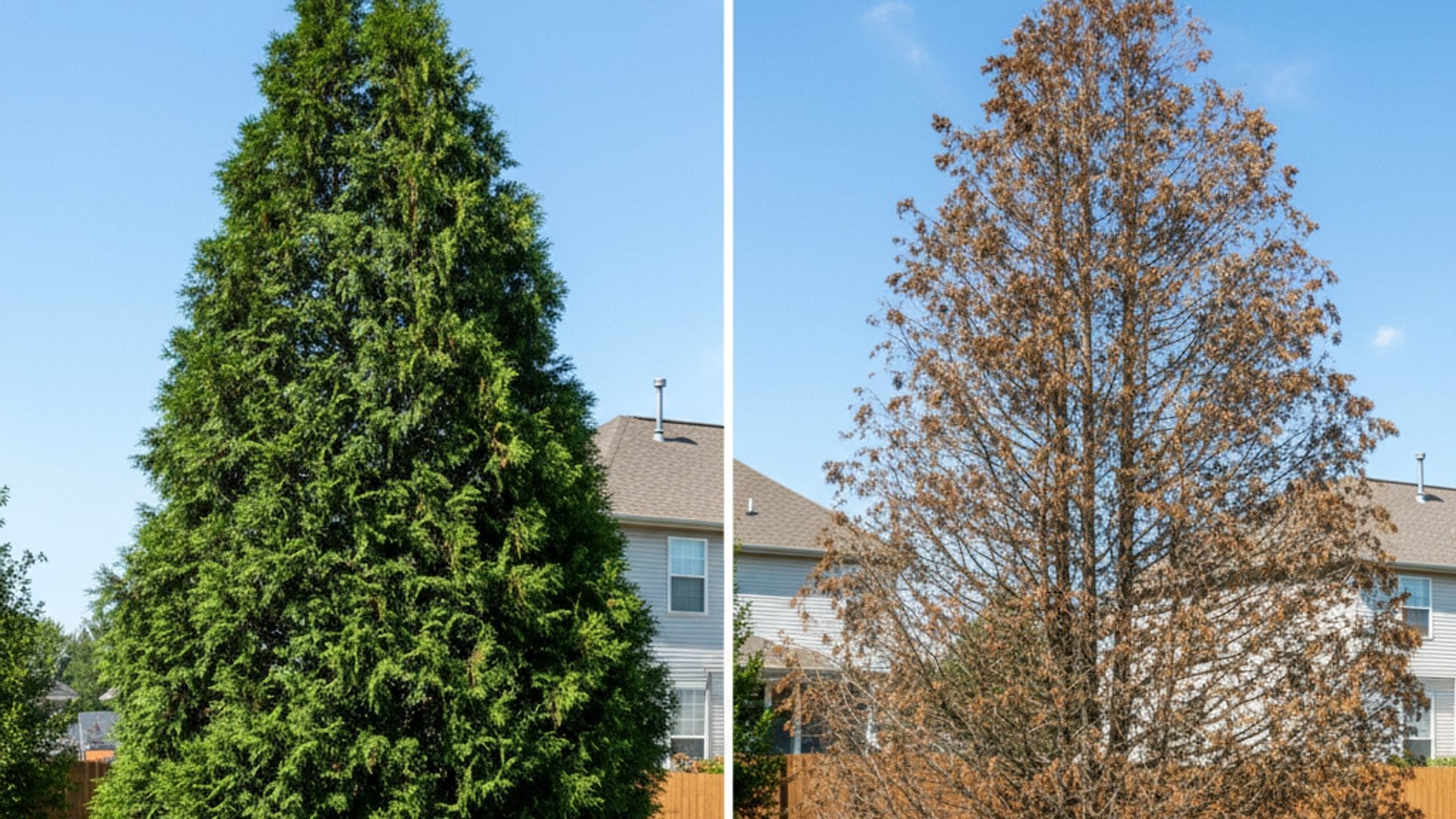
Choosing between arborvitae vs leyland cypress depends on your climate and site. Many arborvitae types handle cold zones well and tolerate harsher winters. Leyland cypress prefers milder climates and can struggle in deep cold or prolonged drought. Both prefer full sun but will tolerate partial shade differently by species.
Hardiness guide
- Arborvitae: many varieties hardy to USDA zone 2–7 depending on species.
- Leyland cypress: typically hardy in USDA zones 6–10.
- Check local microclimates and wind exposure before planting.
Soil, watering, and fertility needs
Soil and water needs differ when comparing arborvitae vs leyland cypress. Arborvitae prefer evenly moist, well-drained soil and can handle clay if drainage improves. Leyland cypress likes moist, fertile, well-drained soil and can suffer in compacted or overly dry spots. Both dislike standing water.
Practical care tips
- Test soil pH and amend lightly if needed.
- Mulch 2–3 inches around the drip line to retain moisture.
- Water deeply during the first two growing seasons. After established, monitor during drought and water deeply once every 1–2 weeks as needed.

Pruning, maintenance, and longevity
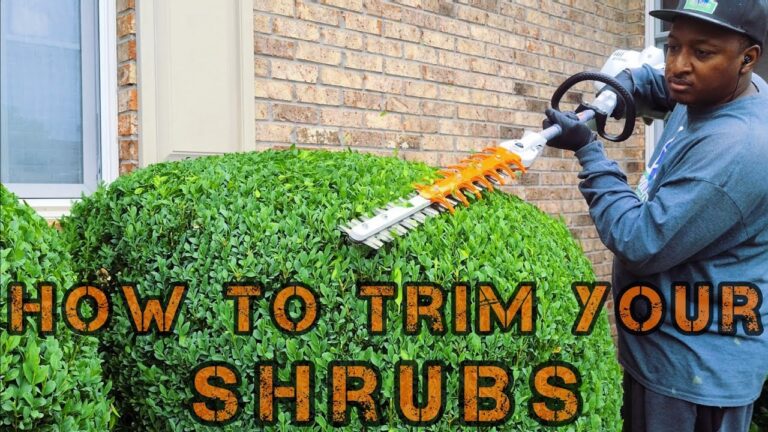
Maintenance differs sharply for arborvitae vs leyland cypress. Arborvitae respond well to light shaping and can be kept narrow with annual pruning. Leyland cypress tolerates trimming but can suffer thin patches if cut back into old wood. Over-trimming Leyland often leads to permanent bare spots.
Maintenance checklist
- Prune arborvitae annually in early summer to maintain shape.
- Trim Leyland cypress lightly and avoid cutting back beyond green growth.
- Inspect for winter browning and remove dead wood in late winter.
Pests and diseases
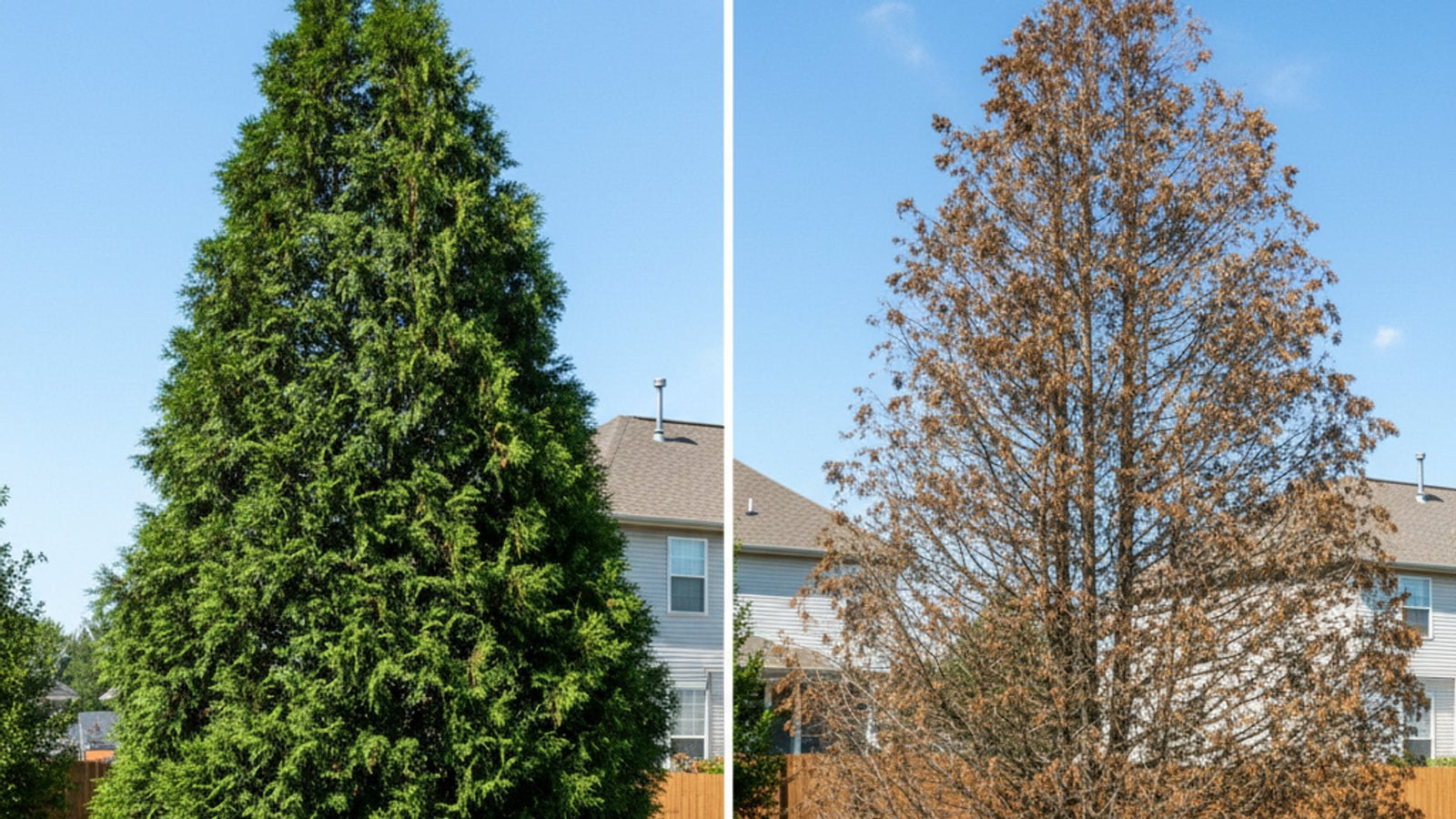
Both species face pests and diseases, but symptoms and risks vary. Arborvitae can get bagworms, spider mites, and fungal blights. Leyland cypress is often affected by cypress canker and fungal root problems, especially in poor drainage. Dense plantings with poor airflow raise disease risk for both.
Prevention and control
- Keep good spacing for airflow.
- Remove and destroy infected branches promptly.
- Use targeted insect control when pests appear, and favor cultural fixes first.
Landscape uses and privacy screening
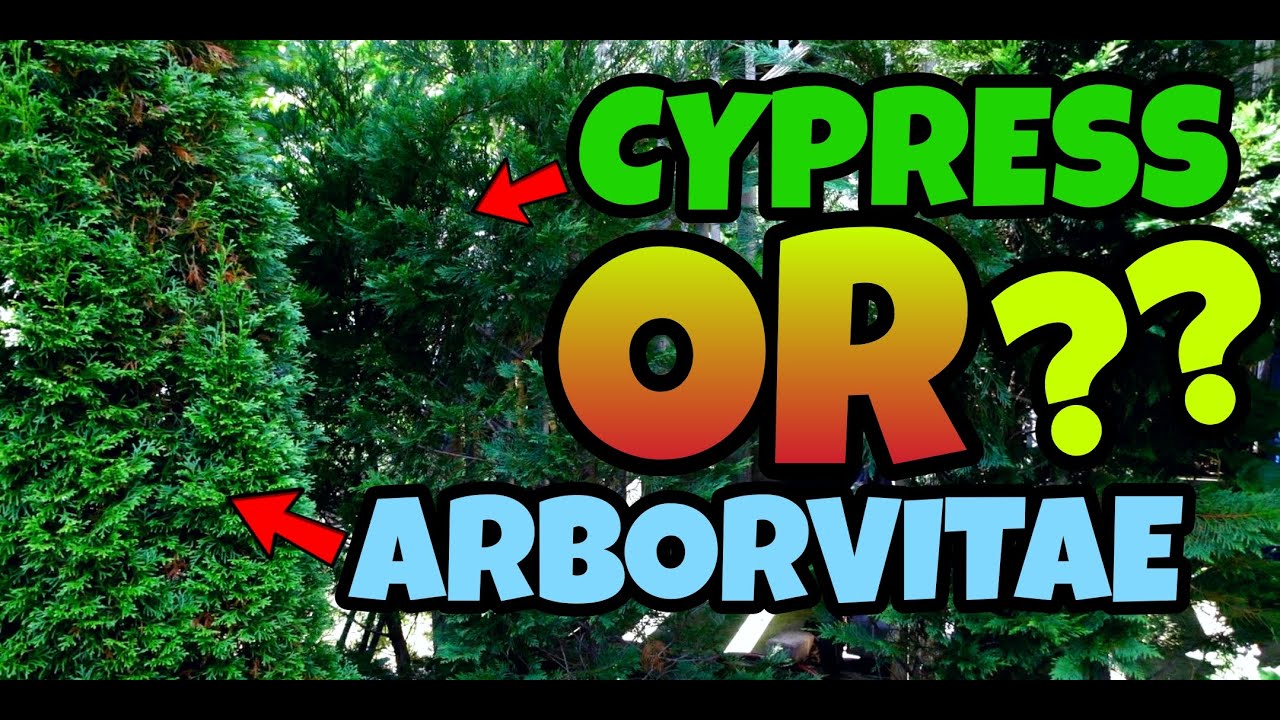
Arborvitae vs leyland cypress serve similar landscape roles but with different results. Use arborvitae for narrow hedges, foundation screens, and formal lines. Use Leyland cypress for rapid, tall windbreaks or long privacy screens where height is a priority. Choice depends on how fast you need coverage and how much space you have.
Design tips
- Mix heights and textures for more natural screens.
- For tight spaces, prefer compact arborvitae varieties.
- For long properties needing quick coverage, use Leyland but plan for long-term maintenance.
Cost, availability, and value
Cost and availability affect your choice for arborvitae vs leyland cypress. Leyland cypress is widely available and often cheaper per foot due to fast growth. Arborvitae varieties can cost more but some compact cultivars add value for tight landscapes. Consider long-term care costs when assessing total value.
Buying advice
- Buy healthy nursery stock with strong root balls.
- Price out long-term maintenance, not just initial cost.
- Factor in replacement costs if a species is prone to local disease.
Planting and care: step-by-step
A practical plan helps your trees thrive, whether you choose arborvitae vs leyland cypress.
- Site selection: pick full sun and well-drained soil.
- Digging: dig a hole twice as wide as the root ball and same depth.
- Planting: place the root collar at soil level and backfill gently.
- Mulch: apply 2–3 inches of mulch, keeping it off the trunk.
- Watering: water deeply after planting and keep soil moist for two seasons.
- Staking: stake only if needed to prevent lean during establishment.
Personal experience and practical tips
From planting dozens of hedges, I learned small choices matter. I once planted Leyland cypress too close to a fence and later had to remove crowding trees that shaded each other. I now space Leyland wider and choose arborvitae for narrow spaces. My key lessons:
- Match plant to site, not wishful thinking.
- Invest in good soil prep; roots will reward you.
- Monitor after planting; early action solves many problems.
Pros and cons summary
A quick side-by-side for arborvitae vs leyland cypress helps decide fast.
Arborvitae pros
- Compact, neat form
- Good cold tolerance in many varieties
- Easier to maintain narrow hedges
Arborvitae cons
- Slower growth
- Some varieties are pest-prone
Leyland cypress pros
- Rapid growth and fast privacy
- Uniform appearance for long screens
Leyland cypress cons
- Can become very large
- Prone to fungal issues in poor sites
Buying and selection checklist
Before purchasing, use this checklist when weighing arborvitae vs leyland cypress.
- Check hardiness zone match.
- Inspect root ball and overall health.
- Ask about variety and mature size.
- Plan spacing for mature width.
- Budget for watering and pruning for the first three years.
Frequently Asked Questions of arborvitae vs leyland cypress
Are arborvitae or Leyland cypress better for privacy screens?
Arborvitae are excellent for narrow, formal screens; Leyland cypress is better for very fast, tall privacy. Choose based on space and how quickly you need coverage.
How close should I plant arborvitae compared to Leyland cypress?
Plant arborvitae 3 to 6 feet apart depending on variety; plant Leyland cypress 8 to 12 feet apart to avoid crowding. Use mature width as your guide.
Which tree needs more pruning, arborvitae or Leyland cypress?
Leyland cypress often needs more careful pruning to avoid bare patches, while arborvitae tolerate light annual shaping better. Avoid cutting Leyland back into old wood.
Do Leyland cypress live as long as arborvitae?
Leyland cypress typically has a shorter lifespan in some climates due to disease, while many arborvitae varieties can live longer with proper care. Lifespan varies with site and maintenance.
Can both trees handle salt and coastal conditions?
Some arborvitae varieties tolerate salt spray better than Leyland cypress, but tolerance is species- and site-dependent. Test a small planting first in harsh coastal areas.
Conclusion
Choosing between arborvitae vs leyland cypress comes down to speed, space, and maintenance. If you want a fast screen and can manage long-term care, Leyland cypress is a strong choice. If you prefer a tidy, narrow hedge with easier shaping and better cold tolerance, arborvitae often wins. Use the planting steps and checklist here to make a confident choice, and start with good soil and proper spacing. Try one specimen first if you are unsure, then expand once it proves a good fit. Share your experience below or subscribe for more planting guides and tips.