Bulbs Vs Seeds: Pros, Cons, And Planting Tips
Bulbs bloom fast with stored energy; seeds are cheaper and offer wider choice.
If you want color fast, bulbs deliver. If you love range and lower cost, seeds win. In this guide, I break down bulbs vs seeds with clear steps, real garden lessons, and data-backed tips. You will learn when each shines, how to plant them right, and how to avoid costly mistakes. By the end, you can choose bulbs vs seeds with calm and confidence.
What Are Bulbs and Seeds?
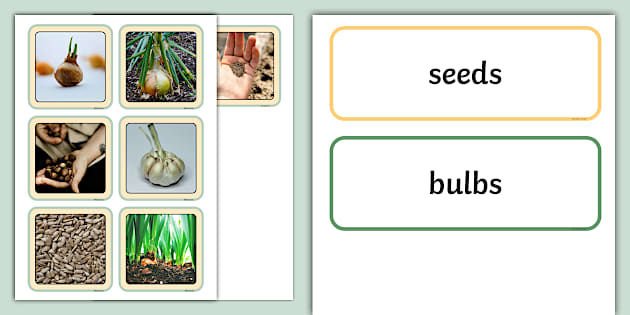
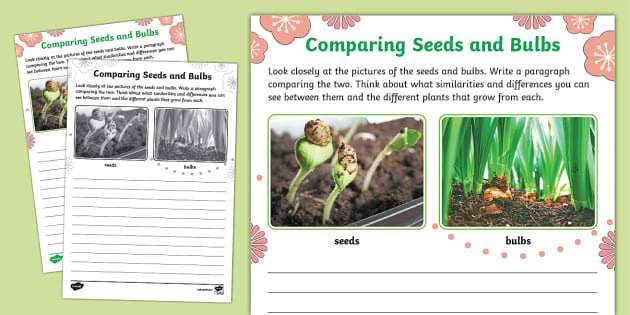
A bulb is a plant-in-a-package. It comes with food, a tiny stem, and baby leaves. It sleeps underground, then wakes and blooms fast. Think tulips, daffodils, hyacinths, lilies, and alliums. Close cousins include corms, rhizomes, and tubers. The idea is the same. The energy is stored.
A seed is a plant starter kit. It has an embryo and a seed coat. It needs light, warmth, air, and water. It sprouts, then grows roots and leaves. It needs time to build energy before bloom. Think zinnias, sunflowers, tomatoes, peppers, cone flowers, and herbs.
In short, bulbs vs seeds is speed and ease vs cost and choice. Both can fit in one yard if you plan well.

Bulbs vs Seeds: Key Differences That Matter
- Speed to color: Bulbs bloom fast because they come pre-loaded with food. Seeds need weeks or months before bloom.
- Skill level: Bulbs are simple. Dig, drop, done. Seeds need more steps and care at first.
- Cost per plant: A bulb often costs more than a full packet of seeds. Seeds give many plants for less money.
- Variety and traits: Seeds offer vast choice. You can grow rare or native plants. Bulbs give set forms with fewer options per type.
- Climate and timing: Many bulbs need chill to bloom. Seeds can match many zones with the right sow date.
- Uniform look vs mix: Bulbs are clones, so beds look even. Seeds can vary, which adds charm.
- Storage and shelf life: Bulbs are living and can spoil. Seeds keep longer if cool and dry.
- Pest pressure: Bulbs can tempt voles and squirrels. Seedlings face slugs and damping-off.
From my beds, bulbs get me a hit of spring fast. Seeds fill the gap all season long.
When To Plant Bulbs vs Seeds
Plant spring-blooming bulbs like tulips and daffodils in fall. Soil should be cool but not frozen. Aim for 40–50°F soil. Plant summer bloomers like dahlias and lilies in spring after frost.
Sow cool-season seeds, such as lettuce or poppies, in early spring or fall. Sow warm-season seeds, such as zinnias or beans, after the last frost. Read your seed packet and match soil temps.
- Depth rule of thumb for bulbs: Plant at two to three times the bulb’s height.
- Depth rule of thumb for seeds: Check packet. Many small seeds need only a dusting of soil.
I garden in zone 6b. I tuck in daffodils in late October. I start tomatoes under lights in March, then set them out in May. This mix keeps my beds in bloom from March to frost.
Is it faster to grow flowers from bulbs or seeds?
Bulbs are faster because they store energy and a formed shoot. Many bloom the first season after planting.
Can I plant bulbs and seeds in the same bed?
Yes, and it works great. Plant bulbs deep, then sprinkle annual seeds on top in spring for layered color.

Pros and Cons: Bulbs and Seeds
Bulb pros:
- Fast bloom and strong first year.
- Clean shapes and bold blocks of color.
- Easy steps and low fuss.
Bulb cons:
- Higher cost per plant.
- Some need chill and may not return in hot zones.
- Voles and squirrels may dig them up.
Seed pros:
- Very low cost per plant.
- Huge choice, from native wildflowers to rare heirlooms.
- Easy to scale for big beds.
Seed cons:
- Slower path to bloom.
- Seedlings need care, light, and water.
- More risk from weather swings.
Bulbs vs seeds is not either-or. Use both to spread risk and color across months.

Cost, Time, and Maintenance
Cost:
- Bulbs often cost 50 cents to 2 dollars each for common types. Big or rare bulbs can cost more.
- A seed packet may cost 2 to 5 dollars and hold 25 to 200 seeds.
Time:
- Bulbs bloom fast, often in weeks to months after planting.
- Seeds need germination and grow time. Some bloom in 60 days, others in a year or more.
Upkeep:
- Bulbs need well-drained soil. Water after planting. Let leaves die back to feed next year.
- Seeds need even moisture at first. Thin seedlings to avoid crowding. Mulch helps.
From my front border, I spent 30 dollars on 50 daffodil bulbs. They gave weeks of bloom the next spring. I also spent 3 dollars on zinnia seeds and got over 40 stems for cut flowers by July. That is the power of bulbs vs seeds in a simple plan.
Use Cases and Design Ideas
- For fast spring pop: Mass daffodils under trees. Add grape hyacinths as a low drift.
- For low-cost summer color: Sow zinnias, cosmos, or sunflowers in wide swaths.
- For wildlife: Mix native bulbs like camassia with seed-grown natives like black-eyed Susan.
- For small spaces: Plant tulips in pots, then over-seed pots with basil or nasturtium.
- For cut flowers: Use dahlia tubers for show blooms. Fill gaps with seed-grown fillers like ammi and snapdragons.
- For food: Onion sets are like small bulbs and give a head start. Seeds cost less but take longer.
I like to tuck tulip bulbs in a pot, then in spring I seed calendula on top. The tulips hit first. Calendula then takes over when tulips fade.
Step-by-Step: How To Plant Bulbs And Seeds
Planting bulbs
- Pick firm bulbs with no mold or soft spots.
- Choose a site with sun and good drainage.
- Dig a hole two to three times as deep as the bulb is tall.
- Set pointy end up. Space as directed.
- Backfill, water well, and mulch.
- Mark the spot so you do not dig them up later.
Sowing seeds
- Read the packet for timing, depth, and spacing.
- For direct sowing, rake soil smooth and moist.
- Sprinkle seeds, then cover as directed. Small seeds may sit on the surface.
- Keep moist with a fine spray until you see sprouts.
- Thin to the best plants to avoid crowding.
- For indoor starts, use clean trays, quality mix, and bright light.
A clean, simple setup beats a fancy one. That lesson saved me many trays of leggy tomatoes.
Common Mistakes And How To Avoid Them
- Planting bulbs too shallow or upside down. Check depth and tip direction.
- Poor drainage for bulbs. Add grit or raise the bed if soil is heavy.
- Letting seed trays dry out. Use a dome at first and watch daily.
- Skipping hardening-off for seedlings. Ease plants outside over a week.
- Overcrowding seeds. Thin early to reduce disease and boost bloom.
- Expecting all tulips to return each year. Choose perennial types or replant.
Bulbs vs seeds both reward steady, small steps. Do the basics well and the rest comes easy.
Environmental And Pollinator Impact
Bulbs can be great early nectar for bees. Crocus, scilla, and snowdrops feed pollinators when little else is open. Many bulbs need less water once set.
Seeds give you room to add native plants. That helps local bees and birds. Shipping seeds has a lighter footprint than shipping heavy bulbs, which can matter at scale.
Use peat-free mixes when you can. Save water with mulch. Mix bulbs vs seeds to spread bloom and support pollinators across the whole season.
Frequently Asked Questions of bulbs vs seeds
Which is better for beginners: bulbs or seeds?
Bulbs are easier for a first win because they bloom fast. Seeds are fine too, but start with easy ones like zinnias or marigolds.
Do bulbs or seeds give more blooms over time?
Seeds can give more blooms for less money if you sow thick and often. Some bulbs naturalize and multiply, like daffodils and crocus.
Can I grow bulbs indoors and seeds outdoors?
Yes. Many bulbs force well indoors in winter. Most seeds do best with outdoor light and space after frost.
Will bulbs vs seeds work in containers?
Both can thrive in pots if you use drainage and steady water. Use deep pots for bulbs and lighter, fast-draining mix for seedlings.
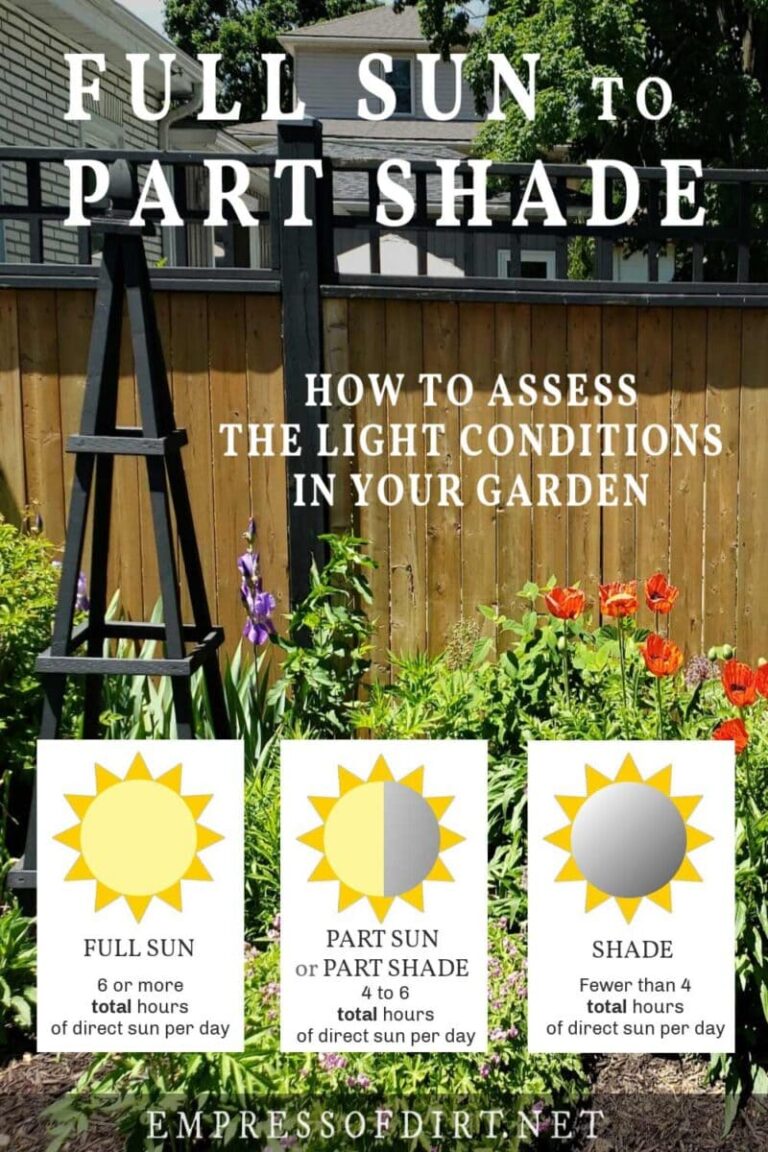
Are bulbs or seeds better for shade?
Some bulbs, like snowdrops and certain hosta-like plants, handle part shade. Many seeds, like impatiens or some ferns from spore, suit shade too.
How long do bulbs last compared to seed-grown plants?
Perennial bulbs like daffodils can last for years if leaves ripen. Many seed-grown annuals live one season but reseed and return.
Do animals eat bulbs more than seeds?
Voles and squirrels often target bulbs like tulips. Young seedlings can be nibbled too, so use covers or repellents.
Conclusion
Bulbs give you fast color and a smooth start. Seeds give you scale, range, and savings. Blend both to balance speed, cost, and beauty across your yard. Make a small plan, match your zone, and set simple habits for water, light, and soil.
Take one bed and test bulbs vs seeds this season. Track cost and bloom dates. You will see what fits your space and time. Want more guides like this? Subscribe, share your results, or ask a question in the comments.