Privacy Hedge Vs Fence: Which Is Best For Your Yard
A privacy hedge offers a natural, living screen while a fence gives instant, reliable privacy.
I have spent years designing yards and installing both privacy hedge vs fence solutions for homeowners. This article breaks down what each option really means, how they compare on cost, maintenance, aesthetics, and function, and how to pick the right option for your yard. Read on for clear, practical advice based on real projects, common pitfalls, and design tips to help you decide between a privacy hedge vs fence with confidence.
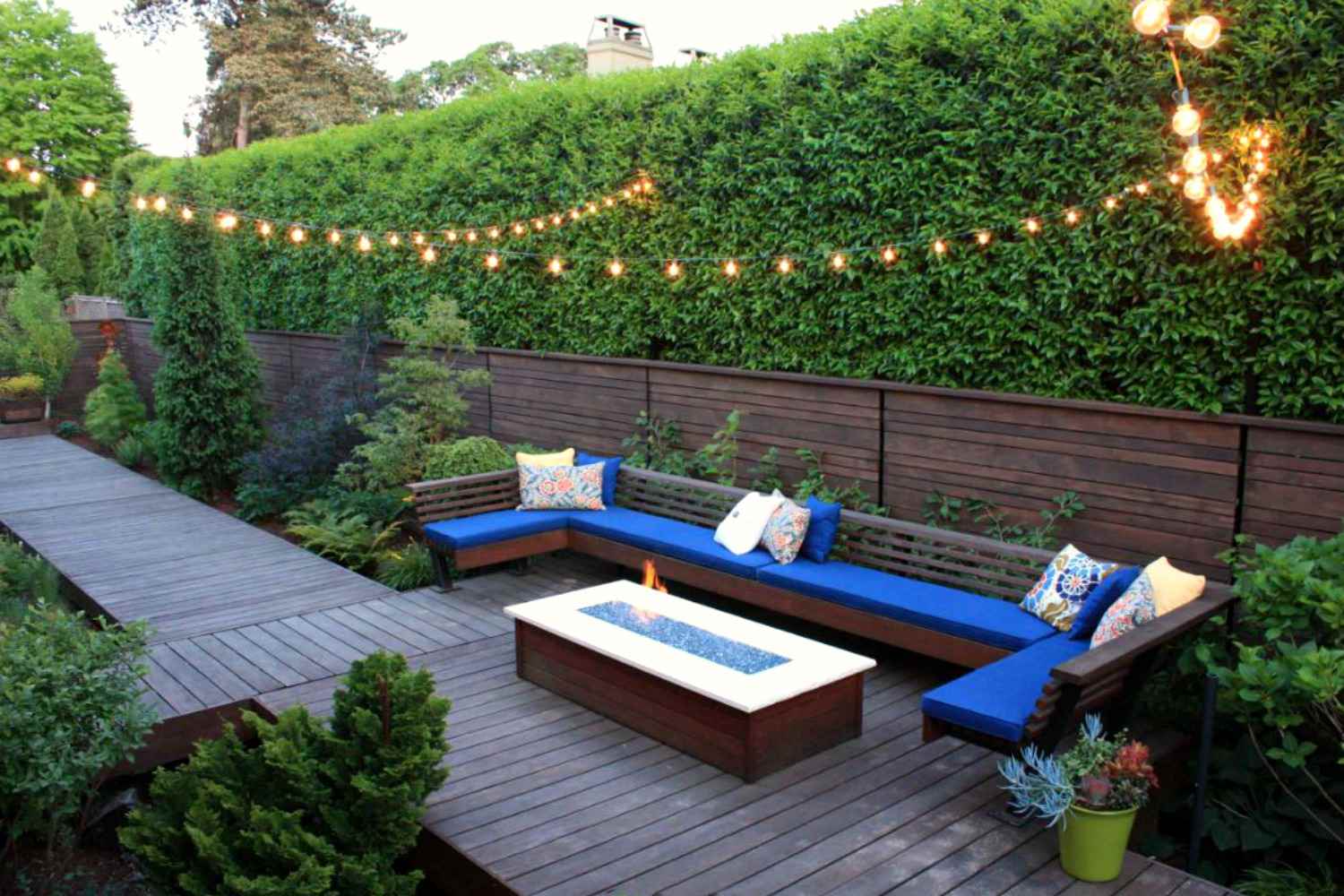
What is a privacy hedge and what is a fence?
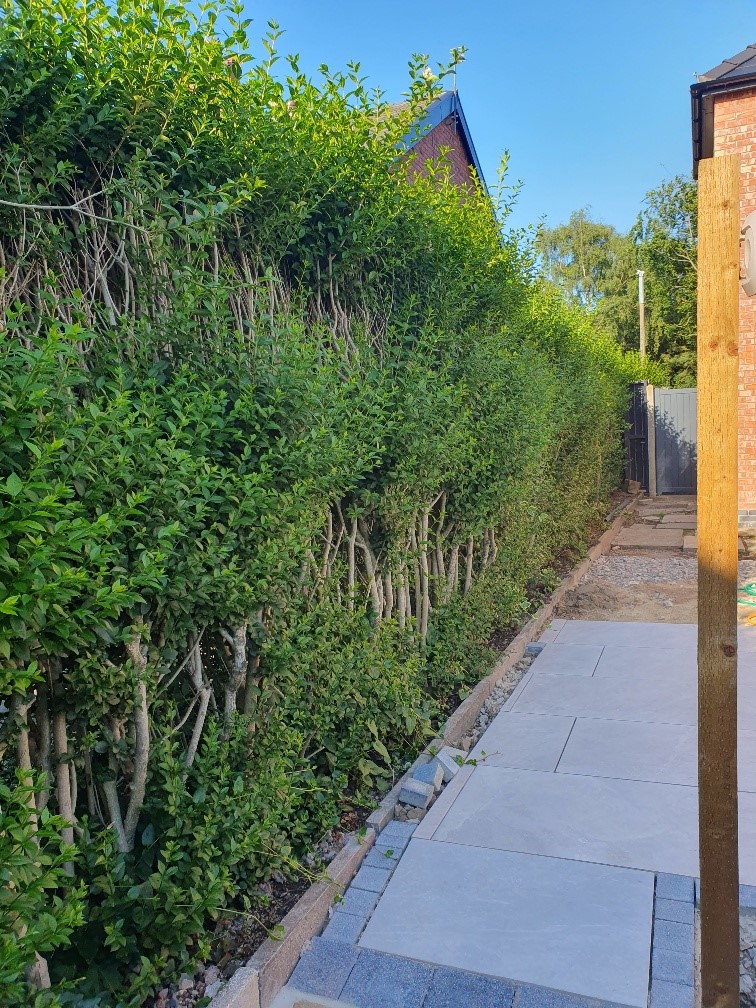
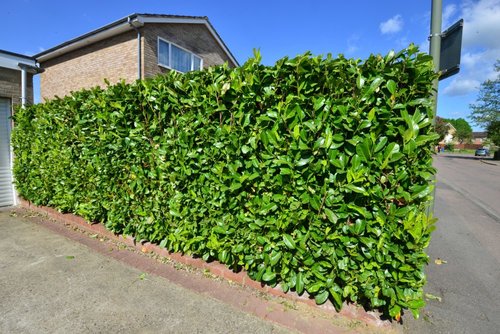
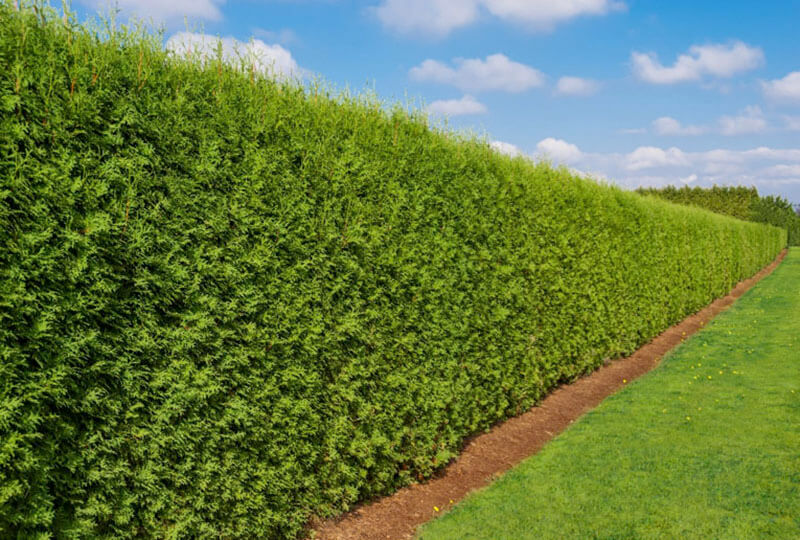
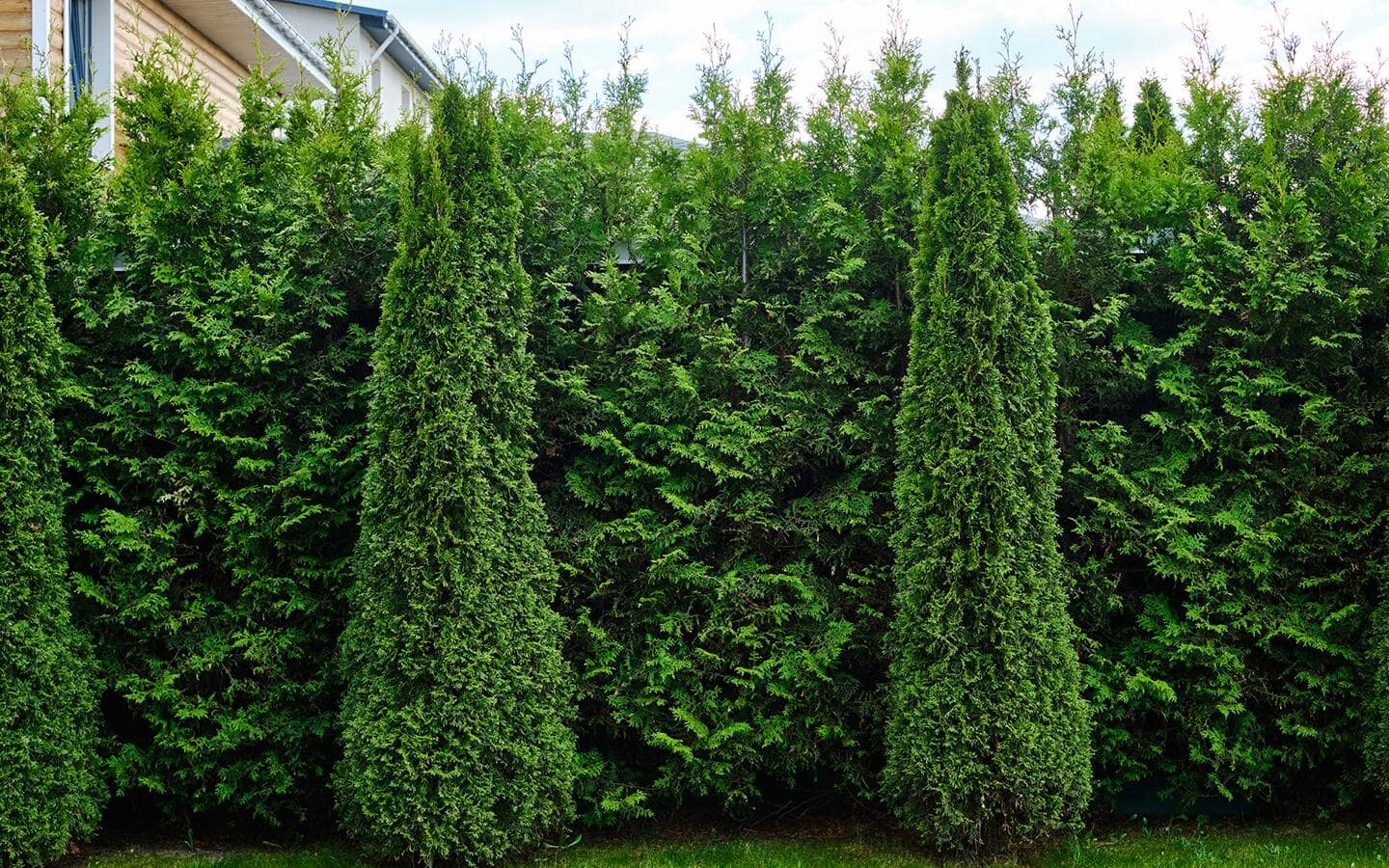
A privacy hedge is a row of shrubs or trees planted close together to form a living screen. Privacy hedges use plants like arborvitae, boxwood, laurel, or privet. They grow over time and create a soft, natural barrier that also helps wildlife, sound reduction, and air quality.
A fence is a built structure made from wood, vinyl, metal, or composite materials. Fences offer immediate privacy and come in many heights and styles. They are often easier to size and select for specific local code limits.
Comparing privacy hedge vs fence means weighing time, cost, look, and maintenance. Hedges grow and change. Fences are fixed and predictable. Both can give privacy, but they serve different needs and styles.
Key benefits and trade-offs of privacy hedge vs fence
Choosing between a privacy hedge vs fence depends on what you value most. Below are clear pros and cons for each.
Advantages of a privacy hedge
- Natural look that blends with landscape and improves curb appeal.
- Provides habitat for birds and insects and helps with air and sound filtration.
- Can be more wind tolerant and flexible than a rigid structure.
- Over time can increase property value with mature landscaping.
Limitations of a privacy hedge
- Takes months to years to reach full height and density.
- Requires ongoing pruning, watering, pest care and seasonal upkeep.
- Root systems may compete with nearby plants or affect drainage.
- Needs correct spacing and species selection to avoid gaps.
Advantages of a fence
- Instant privacy and clear property line definition.
- Wide range of materials and heights to match design needs.
- Lower long-term maintenance for some materials like vinyl or composite.
- Easier to install precisely and to enforce local codes.
Limitations of a fence
- Can feel harsh or solid compared with living plants.
- Materials can degrade, rot, or need repainting over time.
- May require neighbor agreements or permits depending on local rules.
- Less ecological benefit than a living hedge.
Both options can be combined for best results. For instance a low fence with a medium hedge adds structure and softness at once.
Cost, installation time, and maintenance comparisons
Money, time, and work are often the main factors in choosing privacy hedge vs fence.
Costs to expect
- Privacy hedge: initial cost per plant varies from low for shrubs to higher for large specimens. Expect lower upfront costs for small plants but more years of care. Budget for soil prep, staking, fertilizer, and irrigation.
- Fence: costs depend on material. Wood is moderate, vinyl and composite are higher, and metal can vary. Fences have clear per-foot pricing and one-time install costs.
Installation timeline
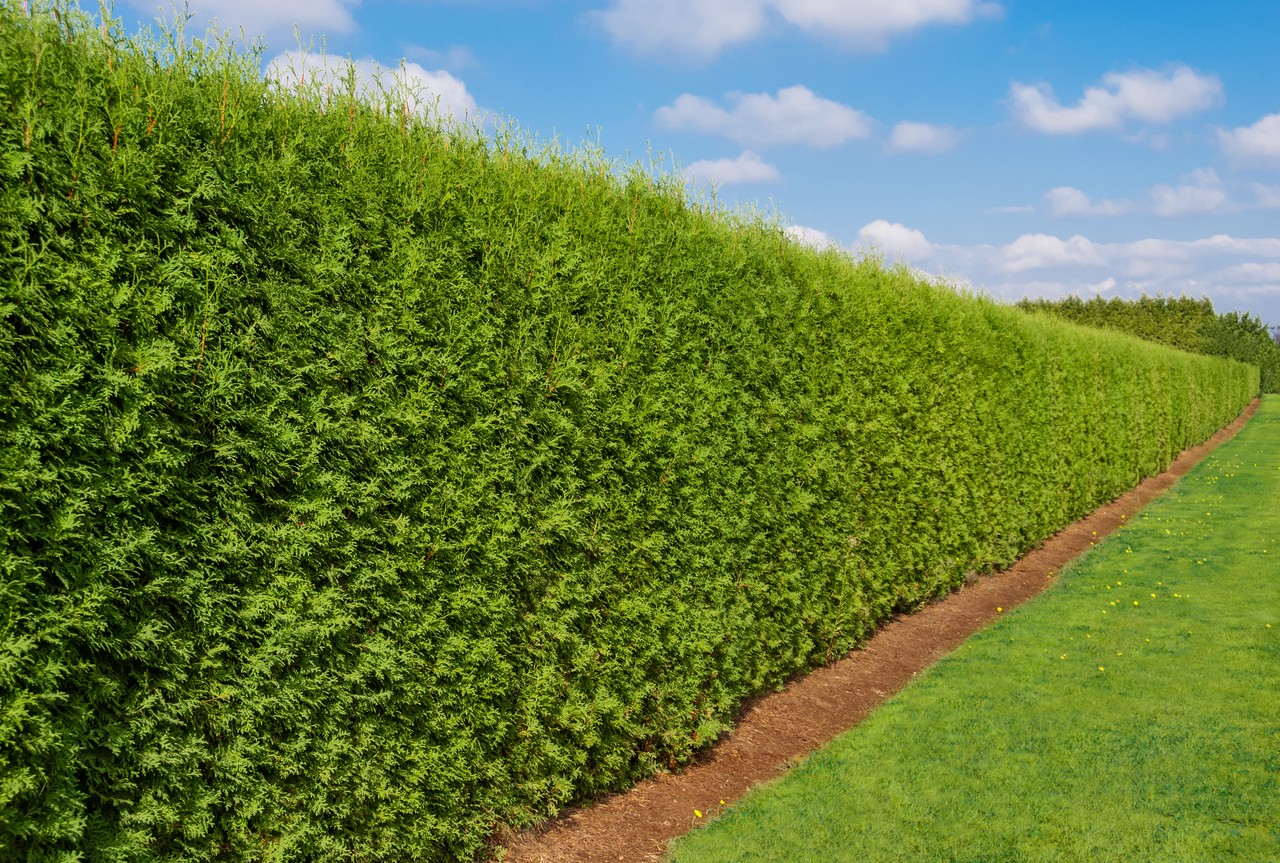
– Privacy hedge: planting takes a day or two, but full privacy can take 2–10 years depending on species and climate.
- Fence: installation can take a day to a week for typical spans and gives instant privacy.
Maintenance needs
- Privacy hedge: pruning 1–3 times per year, regular watering for young plants, disease control as needed.
- Fence: occasional repairs, staining or painting every few years for wood, occasional power washing for vinyl.
Practical example
- A 50-foot privacy hedge with chest-high density may cost less initially but needs years to fill in. A 50-foot wood fence gives privacy today and might need staining every 3–5 years.
When comparing privacy hedge vs fence, consider long-term value, not just upfront cost. A hedge can add ecological and resale value, while a fence gives speed and certainty.
Design, placement, and legal considerations
Good design prevents future headaches when choosing privacy hedge vs fence.
Placement tips
- Confirm property lines with a survey before planting or building.
- Consider sun, wind, and soil when selecting hedge species.
- Place hedges slightly inside your property line unless you have neighbor permission.
Permits and rules
- Check local codes for maximum fence height and setback rules.
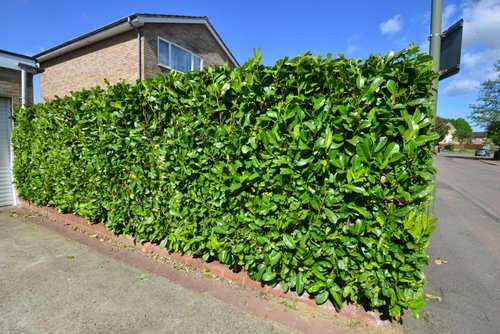
- Some communities regulate hedges that block sightlines at driveways or intersections.
- Homeowners associations may have aesthetic rules for both hedges and fences.
Design ideas
- Layer a short fence with taller hedges for a richer look.
- Use mixed species hedges for year-round interest and disease resistance.
- Add a narrow gravel bed and drip irrigation at hedge roots to reduce maintenance.
Environmental impact
- Hedges improve habitat and reduce stormwater runoff.
- Choose sustainably sourced fence materials or recycled composites to lower carbon impact.
When you weigh privacy hedge vs fence, factor in neighbor relations, local rules, and your yard’s microclimate.

Real-world tips from my experience
I’ve installed both hedges and fences across many yards. Here are hard-won lessons that help homeowners avoid common mistakes.
Lessons learned
- Plant too close and you’ll spend years fighting for space. Give hedges room to grow.
- For quick privacy, combine a fence with a newly planted hedge. This hides the fence as plants mature.
- If you want low maintenance, choose non-porous fence materials or native, disease-resistant hedge species.
- Never start without a property line check. I’ve seen neighbors argue over misplaced fences and hedges.
Practical tips
- Use slow-release fertilizer in year one for hedges. It helps fill gaps.
- For fences, invest in good posts and concrete footings. Cheap posts lead to tilt and repair.
- Trim hedges lightly each year to keep shape without shocking growth.
I recommend a phased approach for many clients: install a modest fence or temporary screen and plant a hedge that will eventually take over. This strategy blends immediacy with long-term beauty.

Common short questions (PAA-style)
What grows fastest for a privacy hedge?
- Arborvitae and leylandii are fast growers and commonly used for quick screens. They require pruning to keep dense shape.
Can a hedge replace a fence legally?
- A hedge can mark a boundary but may not satisfy local codes for required barriers in some zones. Check local regulations before deciding.
How long before a hedge provides full privacy?
- Most planted hedges take 3–7 years to become fully dense, depending on species and care. Faster growers can show results in 2–3 years with good care.
Source: homedepot.com
Frequently Asked Questions of privacy hedge vs fence
What is better for privacy: hedge or fence?
Both can work well. A fence gives immediate privacy, while a hedge takes time but adds natural beauty and habitat.
How much does a privacy hedge cost compared to a fence?
Costs vary by plant size and fence material. Hedges often cost less upfront for small plants but need long-term care; fences have clearer upfront costs per linear foot.
Do hedges require more maintenance than fences?
Yes, hedges need regular pruning, watering, and occasional pest care. Some fences need little maintenance, but wood fences require staining or painting over time.
Can I mix a hedge and a fence for best results?
Yes. A low fence with a growing hedge offers instant privacy and a softer look as plants mature. This combo is popular for staged budgets.
Are there privacy rules or permits I should know about?
Many towns have rules about fence height and location, and some regulate hedges that obstruct sightlines. Always check local codes or HOA rules before installation.
Will a hedge attract pests or animals?
Hedges can attract birds and beneficial insects and sometimes pests if plants are unhealthy. Good plant health and species choice reduce pest issues.
Conclusion
Choosing between a privacy hedge vs fence comes down to timing, style, budget, and maintenance. Hedges offer living beauty, wildlife benefits, and long-term value. Fences provide instant privacy, clear boundaries, and predictable costs. Use the tips above to match your yard, local rules, and personal needs. Start small if unsure: plant a hedge and add a short fence for immediate cover, then let the hedge grow into the role. If you found this useful, try sketching a plan for your yard, ask neighbors about boundaries, or leave a comment with your project details to get tailored advice.