Peat Moss Vs Coco Coir: Which Is Best For Your Garden
Peat moss is acidic and holds water; coco coir is neutral, drains well, and is more sustainable.
I have worked with soils and soilless mixes for years. I test potting mixes, grow lights, and watering schedules. In this guide I compare peat moss vs coco coir in plain terms. You will learn how each works, when to pick one, and simple tips that save time and money. Read on for a clear, practical view of peat moss vs coco coir backed by hands-on experience and research.
What is peat moss?
Peat moss is the dead, partly decomposed remains of sphagnum moss. It forms in cool, wet bogs over centuries. Peat moss is lightweight, dark, and spongy. It holds a lot of water and acidifies soil. Many gardeners use peat moss to boost moisture retention and to lower pH. Peat moss breaks down slowly and is not easily renewed, which raises sustainability concerns.
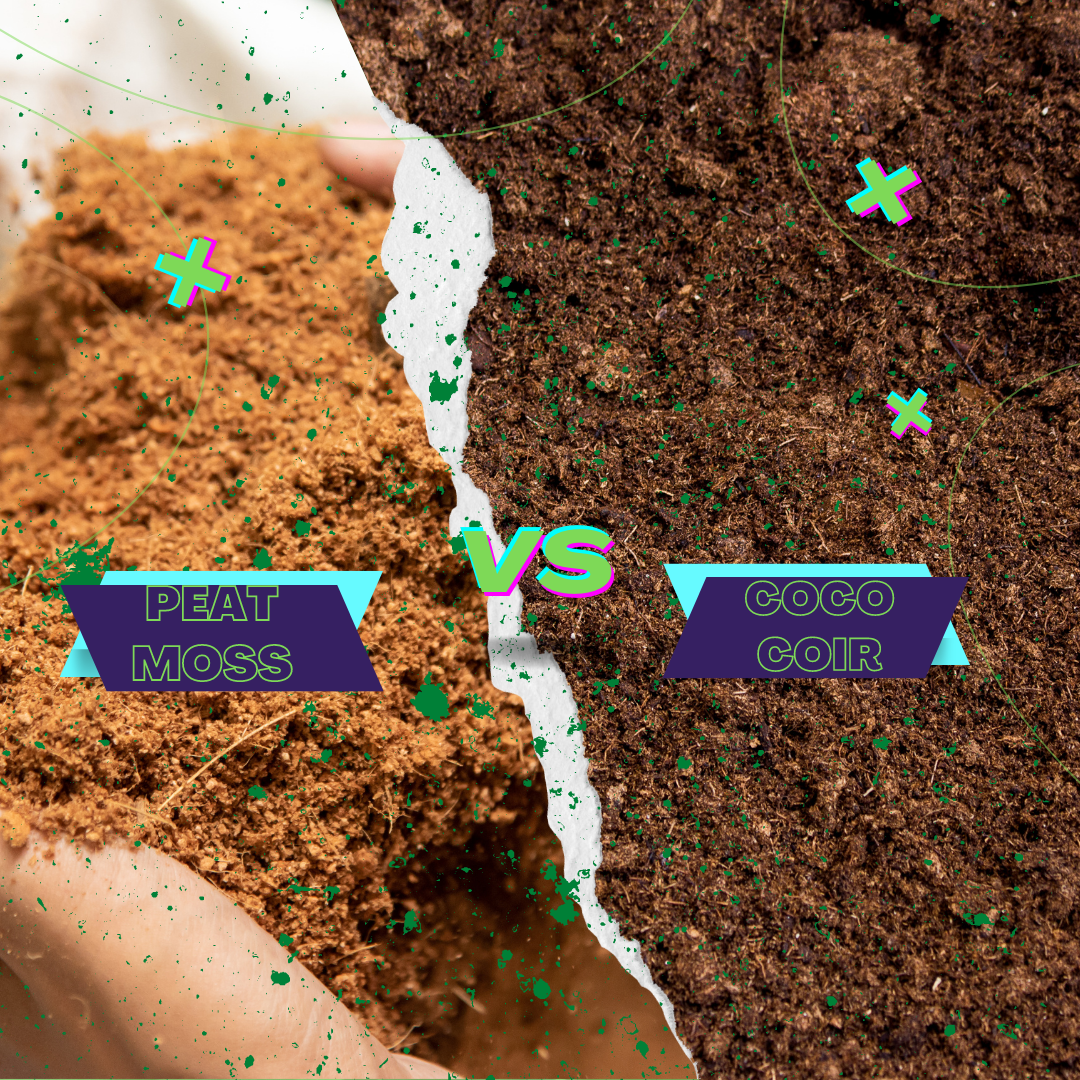
What is coco coir?
Coco coir is made from coconut husk fibers. It is a byproduct of the coconut industry. Coco coir comes as compressed bricks or loose fiber and often as chips or peat-like dust. It holds water well while allowing good airflow. Coco coir is near-neutral in pH and can be reused after proper rinsing. Many growers like coco coir for seed starting, hydroponics, and potting mixes.

Head-to-head: peat moss vs coco coir — core differences
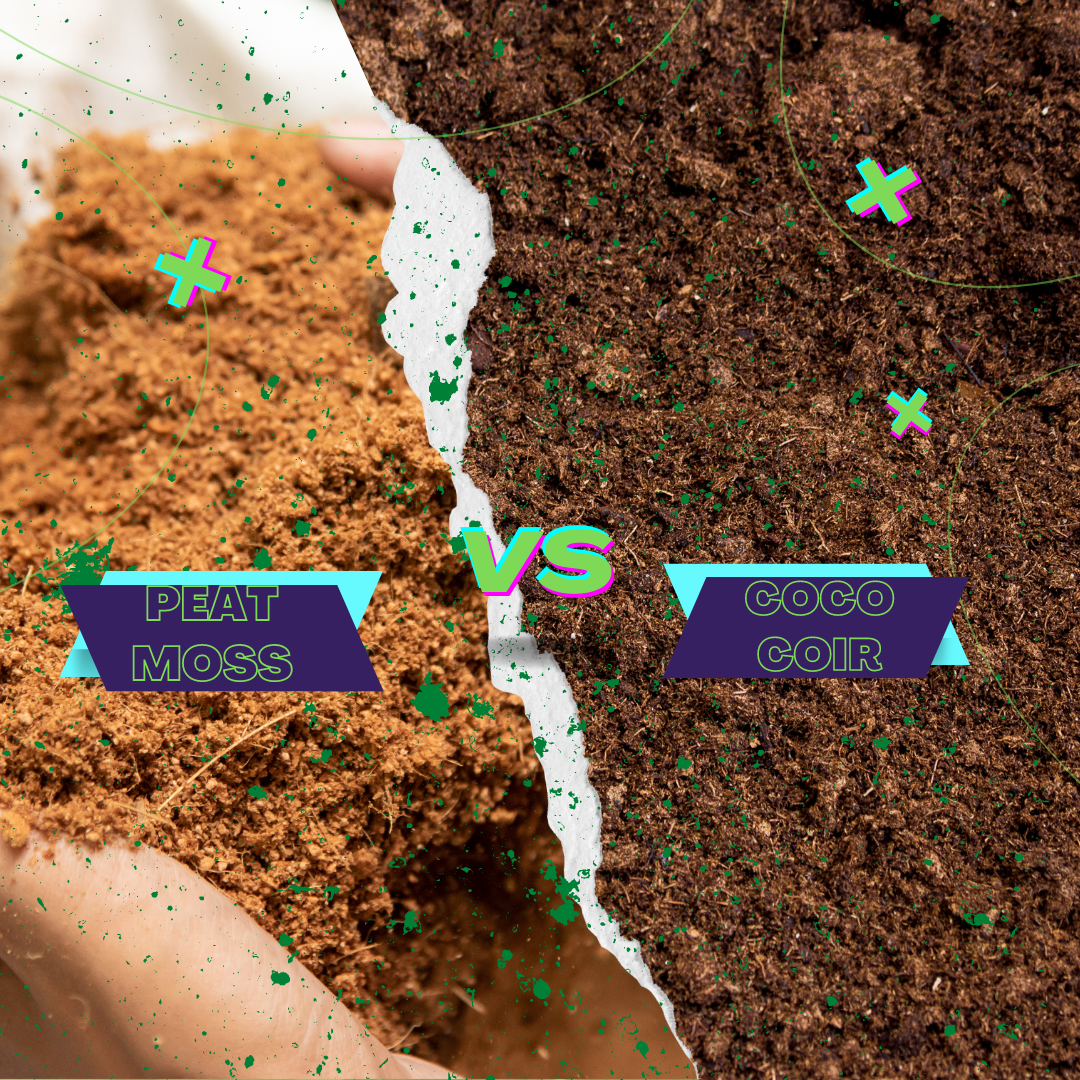
Peat moss vs coco coir differ in origin, pH, water behavior, and sustainability.
Peat moss is acidic. Coco coir is close to neutral.
Peat moss holds water very tightly. Coco coir holds water but drains faster.
Peat moss slowly compresses and decomposes. Coco coir stays stable and can be reused.
Peat moss harvest has a bigger environmental footprint. Coco coir uses coconut waste and often rates better for renewability.
Key quick points:
- Water retention: peat moss often holds more water than coco coir.
- Drainage and aeration: coco coir offers better root air space.
- pH: peat moss lowers pH; coco coir is neutral to slightly alkaline unless buffered.
- Longevity: coco coir is more stable over repeated uses.
- Sustainability: coco coir usually wins on renewability.
Which is better for seed starting and potting mixes?
For seeds: coco coir often wins. It has neutral pH and good drainage. Seeds need air and steady moisture. Coco coir gives that balance.
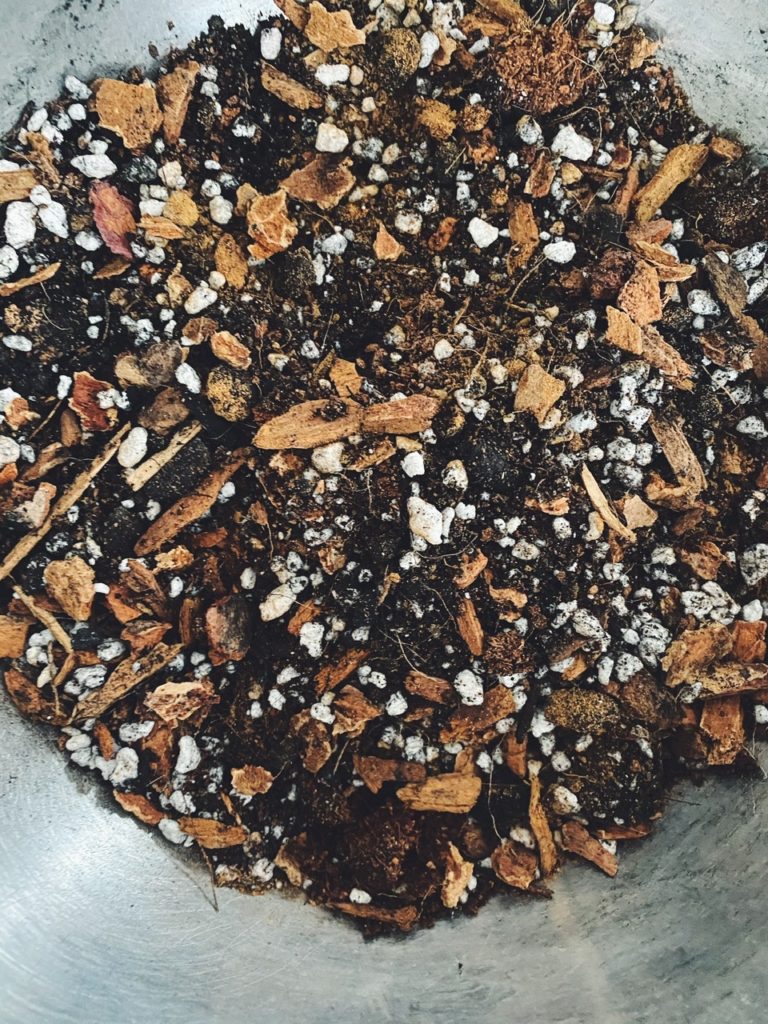
For potting mixes: mix both if you want the best of both. A common mix is one part peat moss, one part coco coir, and one part perlite or compost. This mix holds moisture while avoiding waterlogging. Test small batches to find the right feel.
PAA-style question: Does peat moss or coco coir help seeds germinate faster?
Short answer: Coco coir often helps seeds germinate faster because it keeps moisture steady and allows air near the seed. Peat can work but can be too compact when wet.
Nutrient holding and fertilizing: peat moss vs coco coir
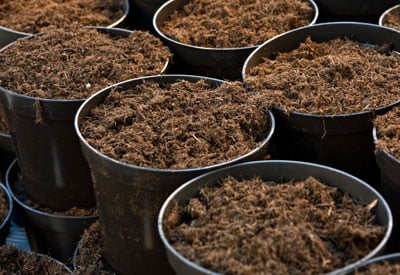
Peat moss holds some nutrients but tends to bind them in acidic mixes. Coco coir has good cation exchange capacity when properly buffered. That means coco coir can hold and release key nutrients well after conditioning. Both media are low in nutrients on their own. You must add fertilizer for long-term growth. For coco coir, rinse or buffer before use to remove excess salts. For peat moss, check pH and add lime if you need a higher pH.

Watering habits and irrigation tips
Watering differs when you use peat moss vs coco coir.
Peat moss can stay wet long after watering. Watch for root rot and slow drying. Water less often and check soil moisture with your finger.
Coco coir dries faster on the surface but holds moisture near roots. It needs more frequent, lighter water cycles. Use good drainage and avoid water pooling.
Tip: Use a moisture meter or lift pots to learn how they feel when wet versus dry. This prevents overwatering with peat moss and underwatering with coco coir.
Benefits and limitations of peat moss
Benefits:
- Excellent water retention for drought-prone containers.
- Low initial nutrient content helps you control feeding.
- Fine texture works well for seed mixes and soil blends.
Limitations:
- Nonrenewable over human timescales and hits environmental groups.
- Acidic pH may need correction for many plants.
- Compacts over time and can reduce aeration if used alone.
Benefits and limitations of coco coir
Benefits:
- Renewable and often more eco-friendly.
- Good air-to-water ratio for roots and reduced compaction.
- Neutral pH requires less correction and is easy to amend.
- Reusable after proper rinsing and buffering.
Limitations:
- Must be rinsed or buffered to remove salts in some batches.
- Quality varies by supplier; poor quality may contain high salts or dust.
- Lower long-term water holding than peat if not mixed with other ingredients.
How to choose between peat moss vs coco coir for your garden
Ask these simple questions:
- What plants do you grow? Acid-loving plants may prefer peat moss.
- Do you prefer renewable inputs? Coco coir is usually better.
- How often can you water? If you water infrequently, peat moss can help.
- Do you plan to reuse media? Choose coco coir for reuse and hydroponics.
Practical selection guide:
- For houseplants with low watering skill: choose a mix with peat moss for water hold.
- For vegetables, hydroponics, or reusable mixes: pick coco coir.
- For acid-loving plants like blueberries: peat moss is often the right choice.
Practical tips, mistakes to avoid, and personal notes
From my trials:
- I once used pure peat moss for potted herbs and saw slow root growth from poor aeration. I switched to a peat-coco-perlite blend and saw faster growth.
- I have reused coco coir after rinsing. It worked well, but I had to buffer to lower salt. Rinse with fresh water until runoff is clear.
Tips to avoid mistakes: - Do not assume all coco coir is salt-free; rinse and test.
- Do not use peat moss alone in deep containers without added aeration.
- Label mixes so you know what you used and how often to water.
Environmental and cost perspective
Peat moss often costs more long-term due to environmental restrictions in many regions. Coco coir can be cheaper where coconuts are processed locally. However, shipping and processing can alter cost and carbon footprint. Consider local availability and how long the media lasts. Reusing coco coir lowers waste and cost over time. If sustainability matters, favor coco coir or reduce peat use by blending with other amendments.
Frequently Asked Questions of peat moss vs coco coir
Is peat moss better than coco coir for houseplants?
Peat moss holds more water and suits plants that need steady moisture. Coco coir offers better aeration and is often easier to feed. Choose based on plant needs and your watering routine.
Can I mix peat moss and coco coir?
Yes. Mixing them balances water retention and drainage. A 50/50 mix with perlite works for many pots and beds.
Does coco coir need fertilizer?
Yes. Coco coir has low nutrients and requires regular fertilizing. Use a balanced feed and monitor plant response.
Is peat moss sustainable to use?
Peat moss comes from bogs that form slowly, so it is less sustainable. Use peat sparingly or mix with renewable materials to reduce impact.
How do I prepare coco coir for planting?
Rinse the coir to remove salts, then soak and drain it. Buffer with calcium and magnesium if needed before use. This prevents nutrient lock and salt stress.
Conclusion
Peat moss vs coco coir each has clear strengths. Peat moss excels at holding water and lowering pH. Coco coir wins on aeration, reuse, and sustainability. Choose peat moss for water-savvy plants and coco coir for active, fast-growing systems. Try blends to get both benefits. Start small, test mixes, and note how plants respond. Your best next step is to make a small trial mix and watch roots and growth for a month. Share your results or questions below and try one change this week to see real improvement.