Cold Frame Vs Greenhouse: Which Is Best For Your Garden
Cold frames are cheap and simple for short-term protection; greenhouses give full-season control and larger yields.
I have spent years building and using both cold frames and greenhouses. I know what works and what fails. This guide on cold frame vs greenhouse explains the clear trade-offs. You will learn definitions, real-world tips, costs, crops, and mistakes to avoid. Read on to choose the right structure for your garden and climate.
What is a cold frame and what is a greenhouse?
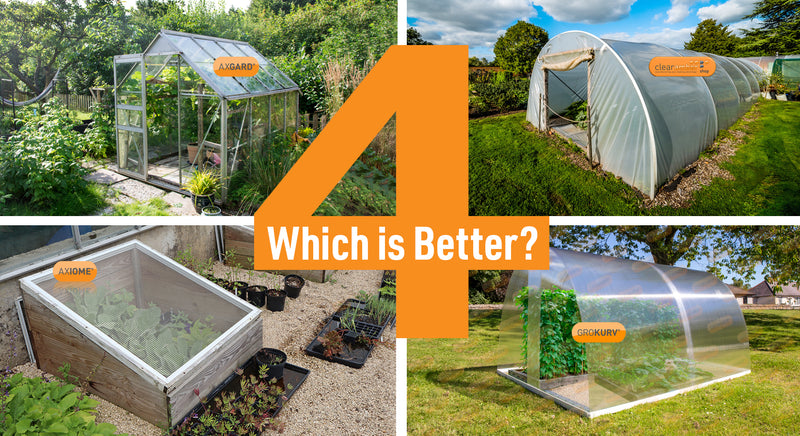
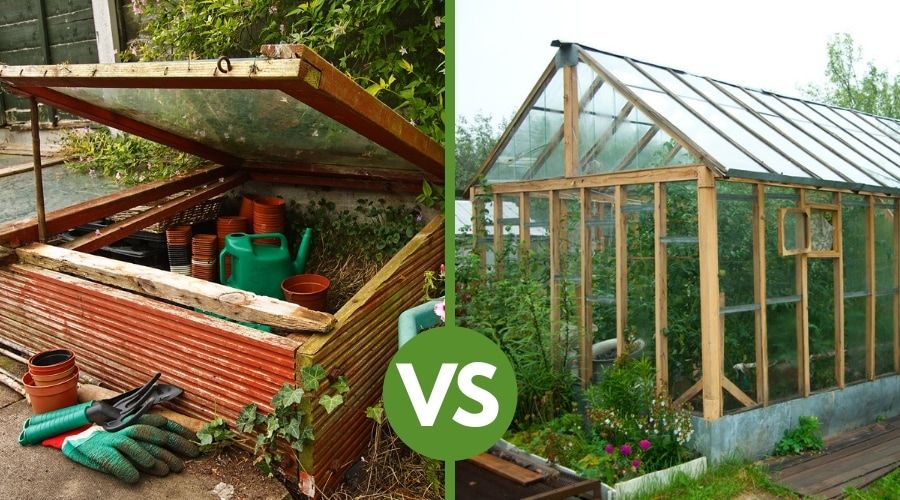
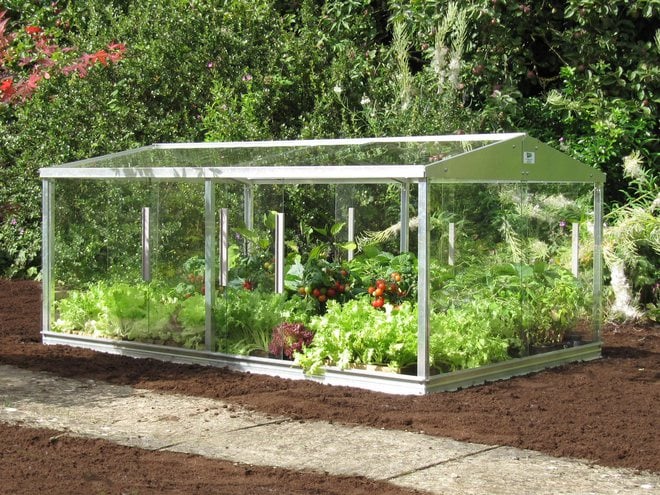
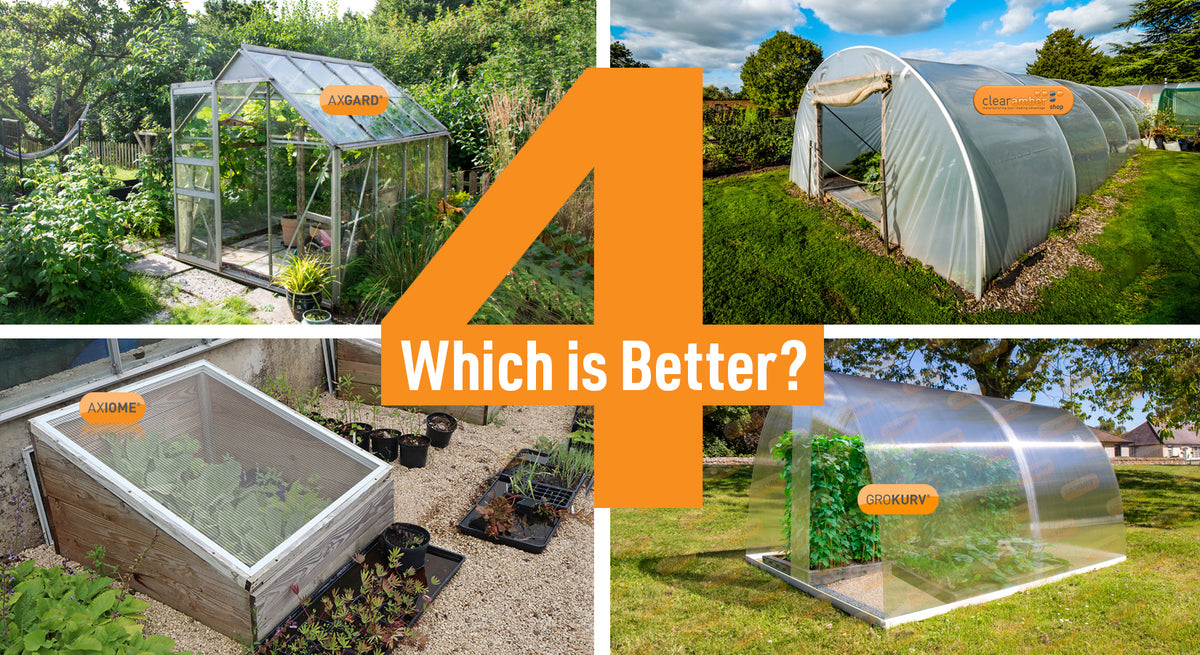
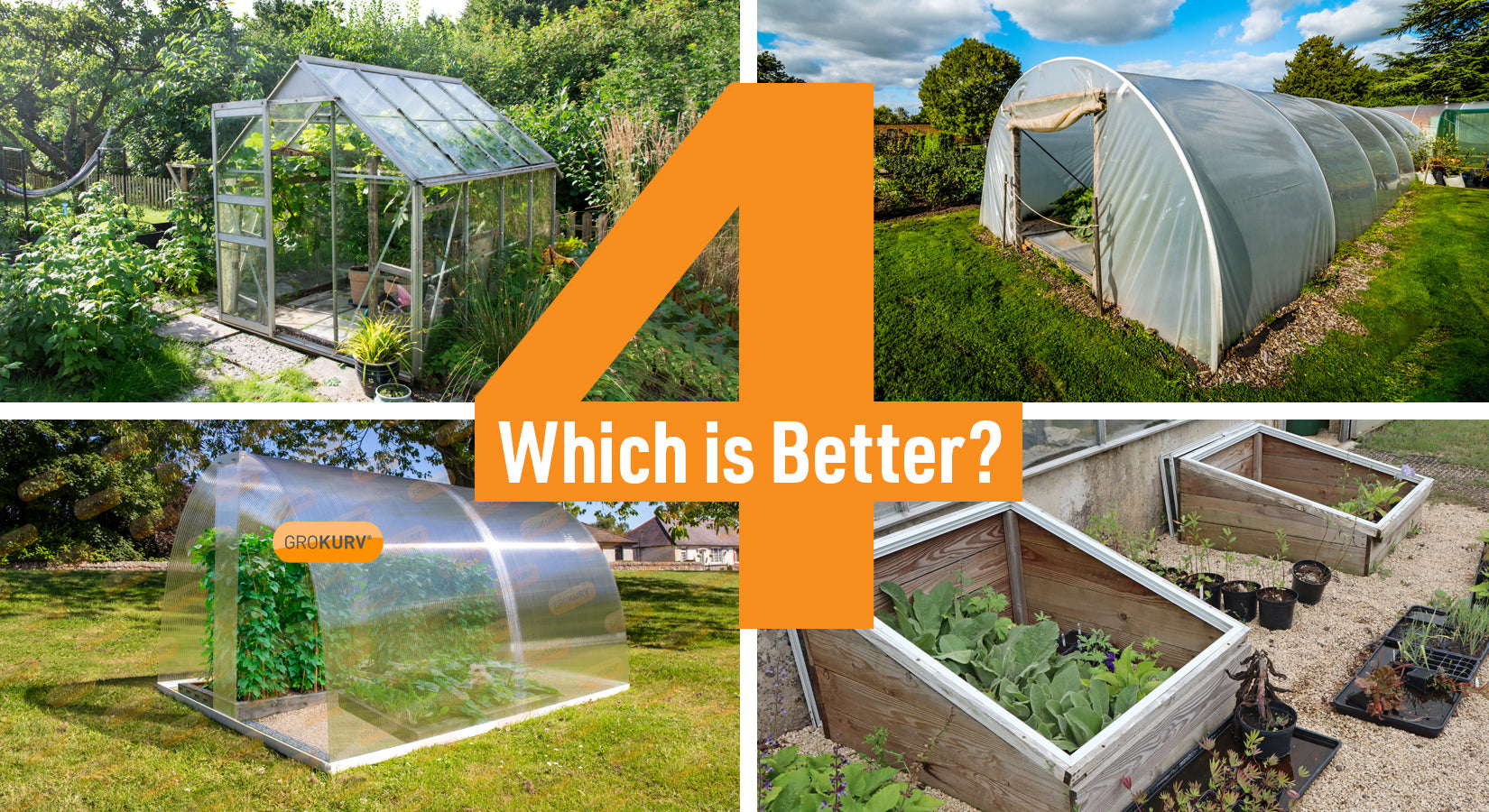
A cold frame is a low, box-like structure with a transparent lid. It traps sun heat and protects plants from frost. Cold frames are small. They sit directly on the soil or on raised beds.
A greenhouse is a larger, often framed structure covered with glass or polycarbonate. It allows full control of temperature, humidity, and light. Greenhouses can be heated, ventilated, and used year-round.
Common uses for both:
- Start seeds earlier in spring.
- Harden off young plants.
- Extend the growing season into fall and winter.
Experience note: I started with a single cold frame. It taught me plant timing and microclimate basics. Later, I moved to a small greenhouse for winter crops and hobby production.
Key differences: cold frame vs greenhouse
Size and scale
- Cold frame: Small and compact. Good for a few trays or seedlings.
- Greenhouse: Scalable from hobby to commercial size.
Temperature control
- Cold frame: Relies on passive solar gain. Limited heat retention.
- Greenhouse: Can use heaters, vents, and fans for tighter control.
Season length
- Cold frame: Extends season by weeks to months.
- Greenhouse: Can support year-round growing in many climates.
Cost and complexity
- Cold frame: Low cost and easy DIY.
- Greenhouse: Higher cost and more complex systems.
Crops and use cases
- Cold frame: Best for seedlings, salads, herbs, and cold-hardy crops.
- Greenhouse: Good for tomatoes, peppers, tropicals, and larger production.
Maintenance
- Cold frame: Simple cleaning and occasional repair.
- Greenhouse: Requires regular maintenance of systems and structure.
PAA-style questions
How warm does a cold frame get?
A cold frame can raise soil and air temperatures by several degrees on sunny days. The exact gain depends on sun, insulation, and size.
Can I grow tomatoes in a cold frame?
Tomatoes usually need more heat and space than a cold frame offers, so a greenhouse is a better choice. You can use a cold frame to start tomato seedlings early.
Is a greenhouse worth the cost for hobby gardeners?
A greenhouse is worth it if you want year-round crops or larger yields. For occasional use, a cold frame is often more cost-effective.

Benefits and limitations
Benefits of a cold frame
- Low cost and simple to build.
- Portable and easy to place.
- Great for seedlings and season extension.
- Low energy and low maintenance.
Limitations of a cold frame
- Limited space and vertical height.
- Poor temperature control on cloudy or very cold days.
- Not ideal for heat-loving crops in cold climates.
Benefits of a greenhouse
- Year-round growing in many regions.
- Strong temperature and humidity control.
- Larger space for more crop variety.
- Easier pest and disease control with proper systems.
Limitations of a greenhouse
- Higher upfront cost and running costs.
- Requires more skills to manage ventilation and heating.
- Can overheat quickly without proper shading.
Personal insight: My cold frames saved seedlings dozens of times. My greenhouse later allowed me to grow citrus and winter salad mixes reliably. Both have clear uses.
Which one suits you?
Choose a cold frame if:
- You want low cost and simple setup.
- You need a quick fix to protect seedlings.
- You have limited space or a balcony.
- You want to experiment before investing more.
Choose a greenhouse if:
- You want year-round crops.
- You plan to grow large plants or many crops.
- You are ready for a larger investment and more maintenance.
- You need precise climate control.
Decision checklist
- Space available
- Budget for build and running costs
- Crops you want to grow
- Time for maintenance
- Local climate and frost dates
Real example: In zone 6, I used a cold frame to extend spring by three weeks. After I wanted winter salad, I built a small greenhouse. Both choices were right at different stages.
How to build and maintain
Cold frame basics
- Pick a sunny spot, ideally south-facing.
- Use rot-resistant wood or recycled materials.
- Use clear polycarbonate or glass for the lid.
- Angle the lid to shed water and capture sun.
- Add soil insulation or straw for cold nights.
Greenhouse basics
- Choose location with maximum sun and good drainage.
- Use sturdy framing and proper glazing.
- Install vents, fans, and an automated vent opener.
- Add heaters for winter and shade cloth for hot months.
- Use benches and raised beds for easy access.
Daily and seasonal care
- Vent on sunny days to prevent overheating.
- Water in the morning for best plant uptake.
- Clean glazing to maximize light.
- Monitor pests and diseases weekly.
- Insulate or add row covers in extreme cold.
Mistakes to avoid
- Poor ventilation leading to disease.
- Underestimating shade needs in summer.
- Skipping foundation prep for greenhouses.
- Overcrowding plants in small spaces.
Personal tip: I once forgot to prop a cold frame lid on a hot day. Seedlings bolted from heat stress. Now I use automatic vent openers and a simple thermometer.

Costs and return on investment
Typical cost ranges
- Cold frame: $30 to $300 depending on materials.
- Small hobby greenhouse: $300 to $3,000 depending on size and glazing.
- Larger or heated greenhouses: $3,000 and up.
Running costs
- Cold frame: Minimal; none if passive.
- Greenhouse: Electricity for fans and heaters can add monthly costs.
ROI factors
- Crop value you grow (herbs, salad greens, specialty vegetables).
- Frequency of use and extended season length.
- Local market demand if selling produce.
Simple ROI example
- A $500 greenhouse used year-round for salad production can pay for itself in a season if you sell or save on grocery bills. Cold frames pay back quickly through reduced seedling losses and earlier harvests.
Frequently Asked Questions of cold frame vs greenhouse
Which lasts longer, a cold frame or a greenhouse?
A well-built greenhouse typically lasts longer because of stronger framing and better materials. Cold frames are simpler but may need more frequent repairs.
Can I convert cold frames into a greenhouse later?
Yes. You can expand a cold frame system into a larger greenhouse by adding more frames, building a taller structure, and improving glazing and ventilation.
Do cold frames reduce heating costs compared to greenhouses?
Cold frames use passive solar heat and have almost no running costs, so they lower heating expenses. Greenhouses with active heating will cost more to operate.
Are either option good for pest control?
Both can reduce pests compared to open gardens. Greenhouses offer better long-term control with screens and seals, while cold frames help protect young plants from larger pests.
How much light do plants get in a cold frame versus a greenhouse?
Light in a cold frame is similar to outdoors, minus some loss through glazing. Greenhouses can have higher light transmission depending on glazing quality and orientation.
Conclusion
Both cold frames and greenhouses have clear strengths. Cold frames are cheap, simple, and perfect for season extension and seedlings. Greenhouses offer year-round control, more space, and higher yields. Choose the option that fits your space, budget, and crop goals. Start small if you are new, learn the microclimate, and scale up as you gain confidence. Share your experience, ask questions below, or subscribe for more practical garden guides and step-by-step plans.