How To Fix Overwatering Plants: Quick 2026 Care Guide
Stop watering, improve drainage, prune damage, and let the soil dry.
If you’ve ever watched leaves yellow, soil stay soggy, and roots suffocate, you’re not alone. I’ve helped hundreds of home growers learn how to fix overwatering plants, and the process is simple once you see the signs. In this guide, I’ll show you what to look for, how to act fast, and how to prevent repeat mistakes with clear steps and real-life tips. Expect straight talk, science-based advice, and practical moves you can try today.

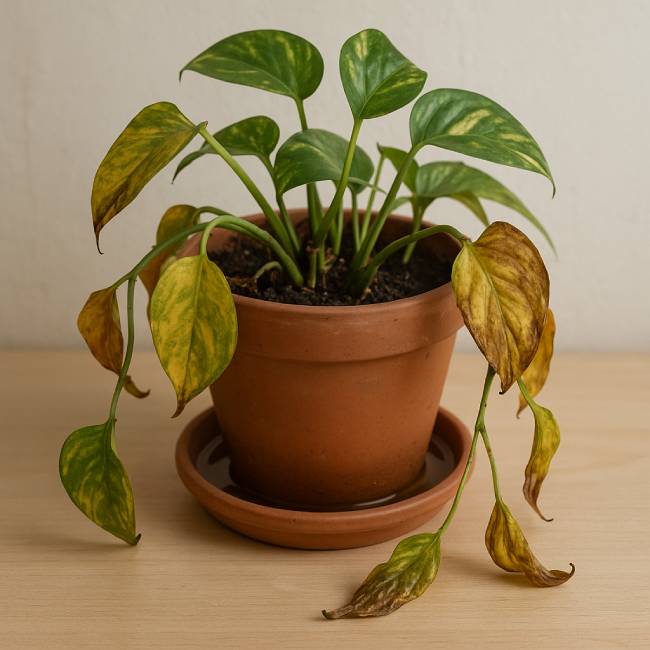
Spot the signs of overwatering
Most plants tell you when they are drowning. The clues often show up fast.
- Leaves turn yellow, then drop from the bottom up.
- The plant wilts even though the soil feels wet.
- Soil smells sour, like a swamp or old socks.
- Brown, mushy roots appear during inspection.
- You see fungus gnats, algae, or mold on the soil.
Early action matters. The goal is to restore oxygen to roots and reset the water cycle. Catching these signs is the first step in how to fix overwatering plants.
Why overwatering happens
Overwatering is not only “too much water.” It is also “not enough air.”
- Pots without drainage trap water and starve roots of oxygen.
- Dense soil holds water too long and compacts over time.
- Low light slows use of water, so soil stays wet.
- Big pots around small root balls dry very slowly.
- Watering on a fixed calendar ignores real plant needs.
In my small greenhouse, I saw more rot in winter than summer. The reason was less light and cooler temps. Plants drank less, but I watered the same. A small change in light can mean a big change in water needs.

How to fix overwatered plants step by step
Here is how to fix overwatering plants in clear steps. Move through them in order.
-
Pause all watering
Let the top half of the pot dry. For most houseplants, wait until the top inch to two inches are dry. For succulents, wait until the mix is fully dry. -
Improve airflow and light
Place the plant in bright, indirect light. Run a small fan nearby, not directly on leaves. More light and gentle air speed up drying. -
Check the pot and drainage
Confirm there are drainage holes. If not, move the plant to a pot with holes as soon as the soil is safe to handle. -
Loosen the soil surface
Gently rake the top inch with a fork or chopstick. This breaks crust, boosts airflow, and releases trapped moisture. -
Wick excess water
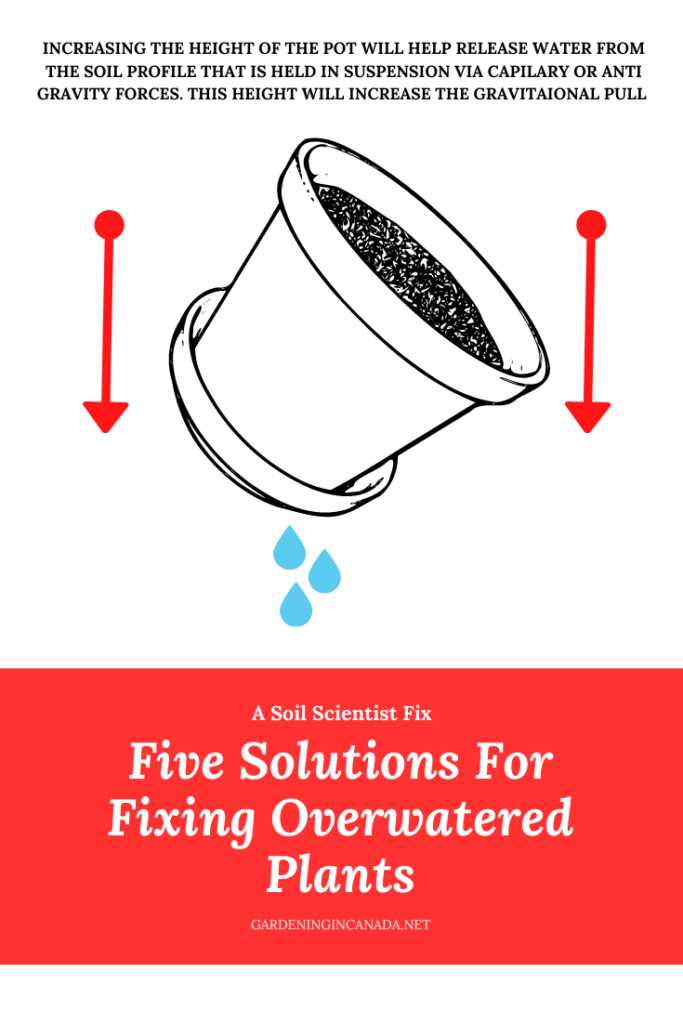
Tilt the pot and wick moisture with a paper towel at the drain hole. This draws water out by capillary action. -
Trim damaged growth
Remove yellow, mushy, or limp leaves. This reduces stress and stops rot from spreading. -
Resume careful watering
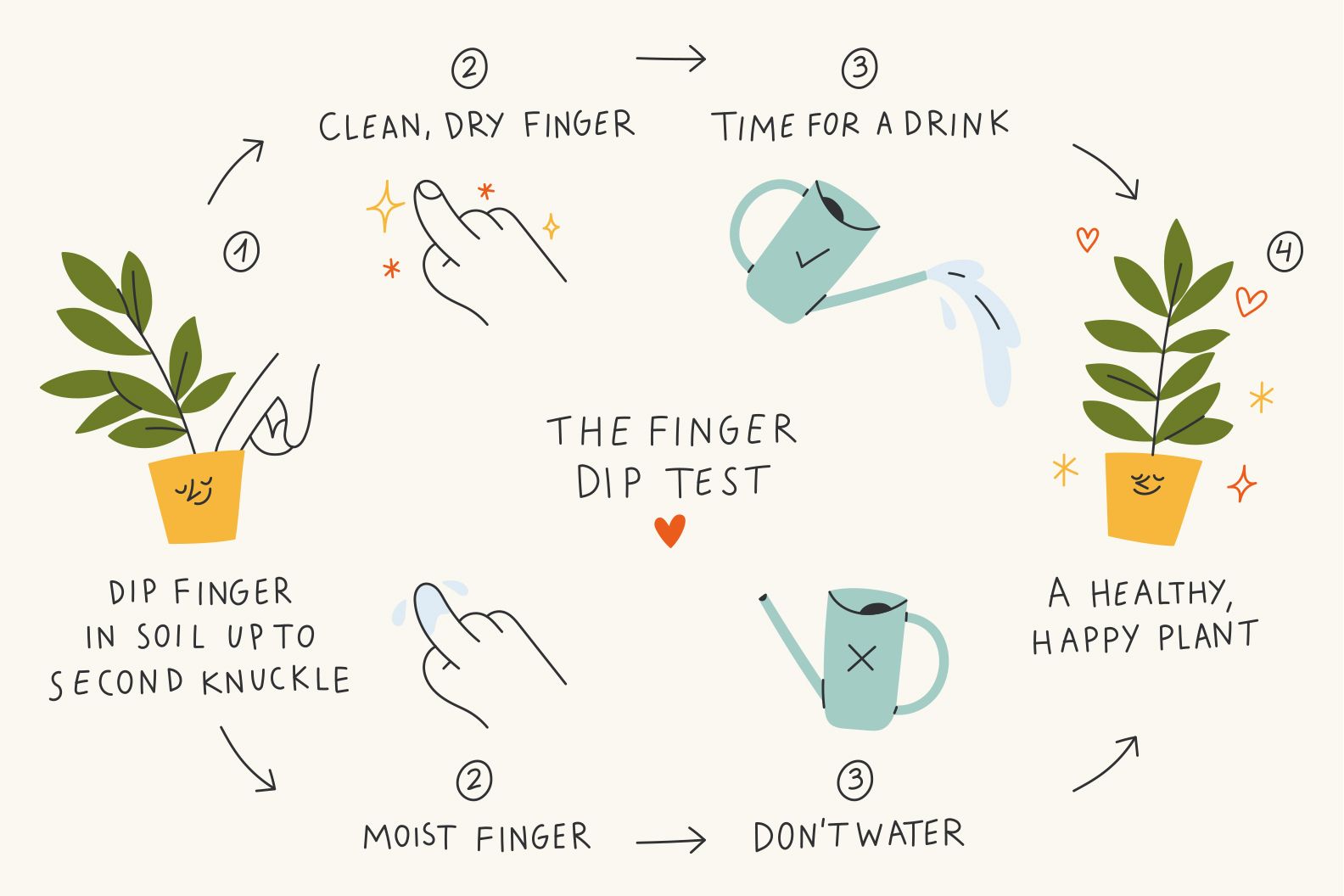
Water only when the plant and potting mix ask for it. Use the finger test or a moisture meter. Water less volume but more evenly around the root zone.
Pro tip: If the soil is very heavy and stays wet for many days, repot into fresh, airy mix. That fix is often the fastest route in how to fix overwatering plants.

Emergency rescue for severe root rot
If roots are brown and mushy, treat fast.
- Unpot the plant and rinse roots in lukewarm water.
- Sterilize scissors with alcohol. Cut off all mushy roots. Keep only firm, white or tan roots.
- Dust cuts with cinnamon or a sulfur-based fungicide. This helps reduce infection risk.
- Repot into a sterile, airy mix. Use a pot with drain holes.
- Water once to settle the soil. Then let the mix dry down before the next drink.
A light hydrogen peroxide drench can help add oxygen. Use 3% hydrogen peroxide, diluted at 1 part peroxide to 3–4 parts water. Do not soak often; one careful drench is enough. When learning how to fix overwatering plants, use this step only for severe cases.
Prevent it: smart watering habits
The best way for how to fix overwatering plants is to stop it before it starts.
- Water by need, not by calendar. Check soil with your finger to knuckle depth.
- Lift the pot. A light pot often means it is time to water.
- Aim for even moisture, not a swamp. Water until it drains, then empty saucers.
- Match water to light. More light usually means more water use.
- In winter, cut back. Plants drink less in cool, low-light months.
Simple rule of thumb: Many houseplants like to dry the top inch before the next drink. Succulents want a full dry-out. Tropical plants like a steady, not soggy, zone.

Get the right soil, pots, and drainage
Good media is core to how to fix overwatering plants. Roots need both air and water.
Soil mix ideas I use at home:
- For aroids like pothos or monstera: 40% potting mix, 30% perlite, 20% bark, 10% compost.
- For succulents and cacti: 50% gritty mix or perlite, 30% coarse sand, 20% potting mix.
- For herbs and leafy greens: Light potting mix with 20–30% perlite.
Pot tips that help:
- Choose terra cotta for faster drying.
- Pick a pot only 1–2 inches wider than the root ball.
- Always use a pot with real drainage holes.
Drainage boosters:
- Add a mesh over holes to stop soil loss while letting water out.
- Use pot feet or a stand so air can flow below the pot.
Species-specific tips
How to fix overwatering plants varies by species. Adjust dry time and mix to plant type.
Succulents and cacti
- Let soil dry fully between waterings.
- Use gritty, fast-draining media and bright light.
Tropical foliage (pothos, philodendron, peace lily)
- Keep soil lightly moist, not wet.
- Use an airy mix with perlite and bark.
Ferns and calatheas
- Like steady moisture and high humidity.
- Water smaller volumes more often, but avoid soggy pots.
Orchids
- Use chunky bark. Soak, then let it drain well.
- Bright, indirect light helps roots dry at a healthy rate.
From my experience, my snake plant once sat in a decorative pot without a drain hole. Leaves wrinkled and turned yellow at the base. I moved it to terra cotta with a gritty mix and watered only when fully dry. New leaves returned in six weeks.

Troubleshooting and common mistakes
Use this checklist for how to fix overwatering plants fast.
- Soil stays wet for a week or more: Add light, airflow, and repot into airy mix.
- Plant wilts after watering: Check roots for rot. Trim and repot if mushy.
- Yellow leaves keep coming: Cut back watering and review pot size.
- Fungus gnats rise when you water: Let the top inch dry and add a layer of sand or diatomaceous earth.
- Water runs off the sides: Soil is hydrophobic or compacted. Bottom-water once, then repot into fresh mix.
Mistakes to avoid:
- No drainage holes.
- Watering on a schedule, not by need.
- Oversized pots for small root systems.
- Heavy soils that compact over time.
- Low light but frequent watering.
Frequently Asked Questions of how to fix overwatering plants
How long does it take a plant to recover from overwatering?
Most plants perk up within one to three weeks once watering is fixed. Severe root rot may need a month or more after pruning and repotting.
Should I use a moisture meter or my finger?
Both work. A finger test is fast and free, but a simple meter helps new growers read moisture below the surface when learning how to fix overwatering plants.
Can I save a plant with black, mushy roots?
Yes, if some firm roots remain. Trim all mushy parts, treat cuts, repot in fresh mix, and follow the steps for how to fix overwatering plants.
Is bottom watering safer for overwatered plants?
It can be, when used well. Bottom watering gives even moisture and helps avoid soggy crowns, but still wait for the soil to dry between waterings.
Do yellow leaves always mean too much water?
Not always. Yellow leaves can also come from low light, old age, or lack of nitrogen, so check soil moisture and other factors before you decide how to fix overwatering plants.
Conclusion
Overwatering is common, but it is also easy to fix. Pause the water, boost air and light, prune damage, and, when needed, repot into a breathable mix. Then water by need, not by habit.
Start today with one plant. Check the soil, lift the pot, and make one change. Small, steady steps are how you master how to fix overwatering plants. If this guide helped, subscribe for more plant care deep dives, and share your wins or questions in the comments.