Evergreen Hedge Vs Deciduous Hedge: Which Is Better?
Evergreen hedges give year-round privacy; deciduous hedges offer seasonal interest and easier shaping.
I have planned, planted, and pruned both types of hedges for yards, parks, and small farms. This guide compares evergreen hedge vs deciduous hedge with clear facts, real tips, and simple how-to advice. Read on to learn which hedge fits your goals, site, and budget, and get practical steps to plant and care for it.

Overview: what each hedge type means
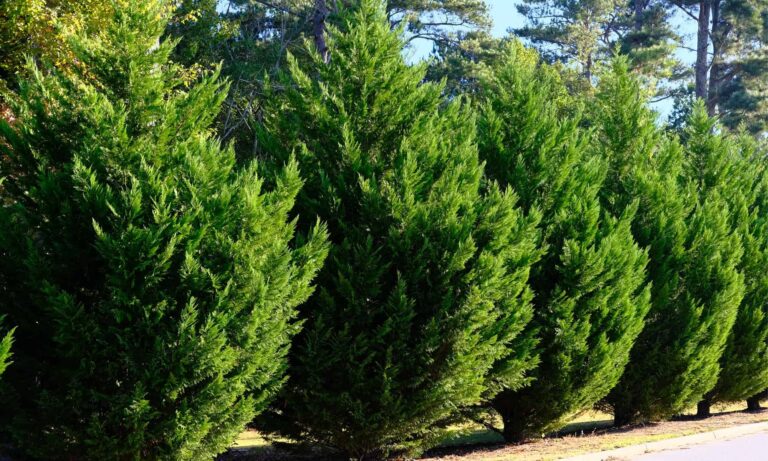
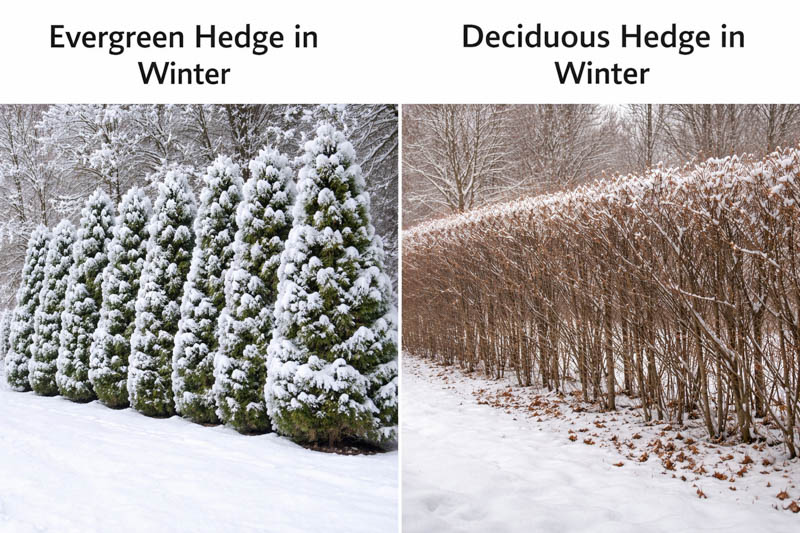
Evergreen hedges keep leaves year-round. They stay green and dense through all seasons. They are great for constant privacy and wind breaks.
Deciduous hedges lose leaves in fall. They show buds, flowers, and bare stems in winter. They bring seasonal color and light to a yard.
Choosing between them means weighing year-round cover against seasonal change. The phrase evergreen hedge vs deciduous hedge sums up that choice: privacy and structure versus seasonal beauty and wildlife value.
:max_bytes(150000):strip_icc()/thespruce.com-best-shrubs-for-hedges-4151139-1-1a4352e0ea274ccd8bc39402e2bace06.jpg)
Key differences at a glance
- Foliage and cover: Evergreen hedges keep leaves all year. Deciduous hedges drop leaves in fall and regrow in spring.
- Privacy and screening: Evergreen hedges provide constant screening. Deciduous hedges may leave gaps in winter.
- Seasonal interest: Deciduous hedges offer flowers, fall color, and spring buds. Evergreen hedges offer steady green form.
- Maintenance and pruning: Deciduous hedges tolerate heavier pruning in dormant season. Evergreen hedges need light shaping and careful timing.
- Growth rate: Some deciduous species grow very fast. Many evergreens grow slower but fill density over time.
- Climate fit: Evergreens suit mild to cold climates if species match. Deciduous hedges can be better where winter light or pollinators matter.
- Wildlife value: Deciduous hedges often support more pollinators and offer seasonal food. Evergreens provide winter shelter for birds.
Thinking about evergreen hedge vs deciduous hedge? Match these points to your goals: privacy, blooms, low work, or wildlife.
Common species and real examples
Evergreen hedge choices
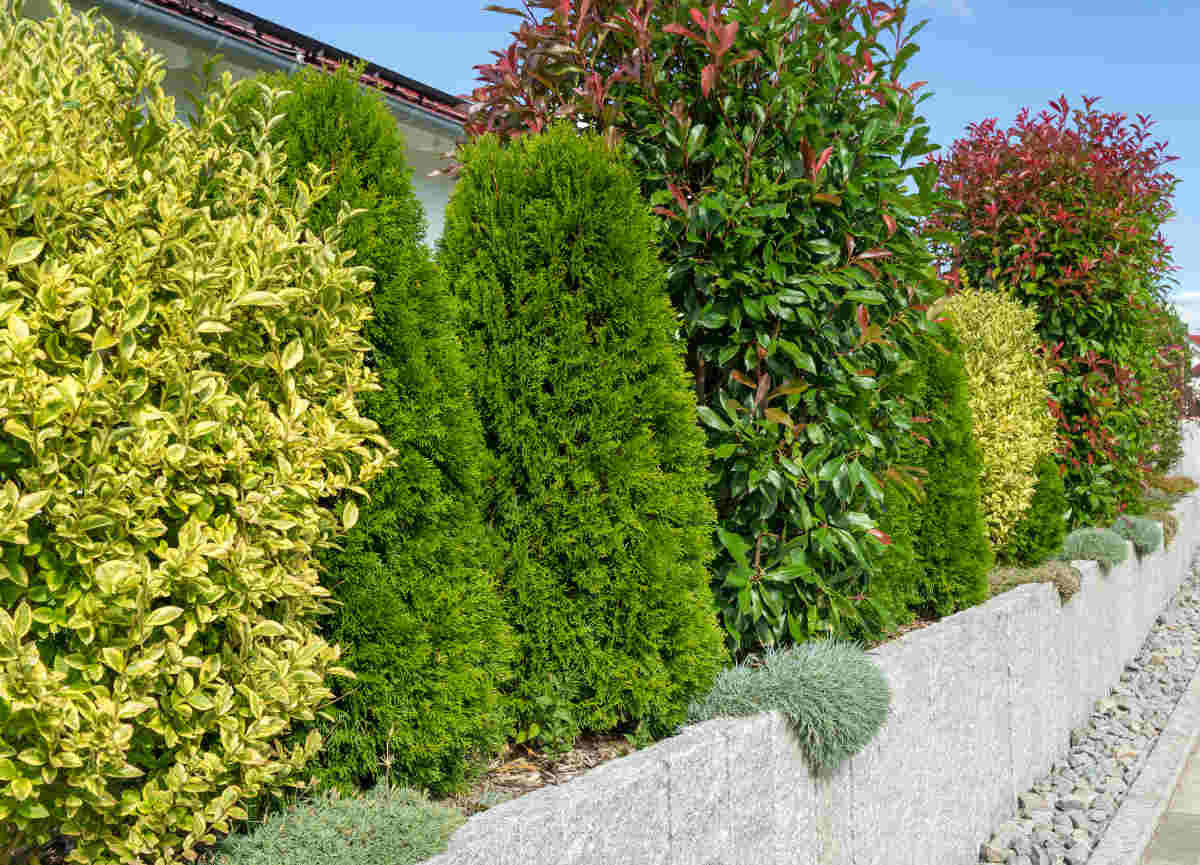
- Boxwood (Buxus) — formal, slow grower, great for clipped shapes.
- Laurel (Prunus laurocerasus) — dense screen, fast cover.
- Yew (Taxus) — long-lived, tolerant of heavy pruning.
- Holly (Ilex) — glossy leaves, berries for birds.
Deciduous hedge choices
- Hornbeam (Carpinus) — formal look, holds brown leaves sometimes through winter.
- Beech (Fagus) — dense, good for tall screens.
- Privet (Ligustrum) — fast grower, flowers in spring.
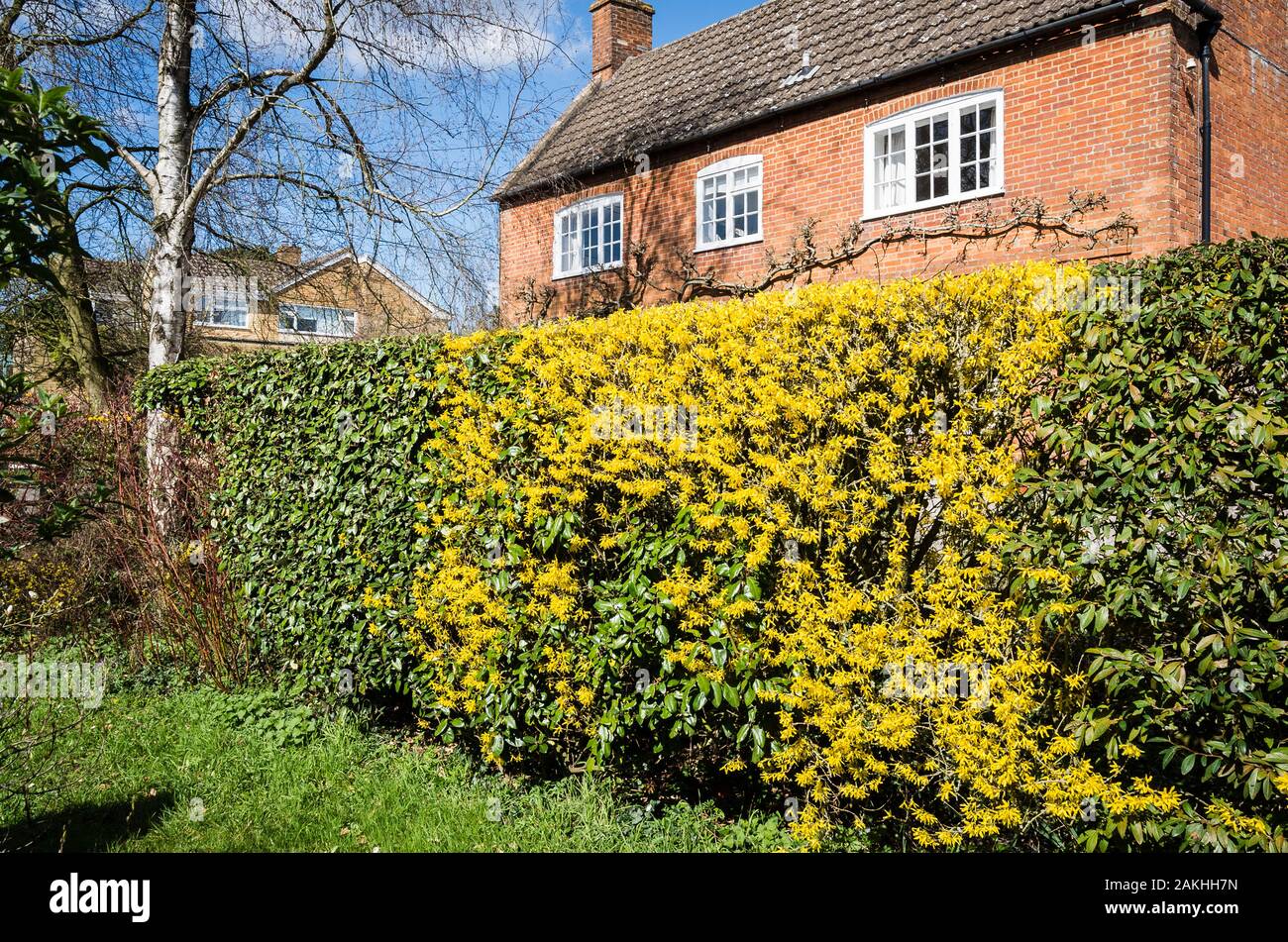
- Forsythia, Lilac — flowering options for seasonal color.
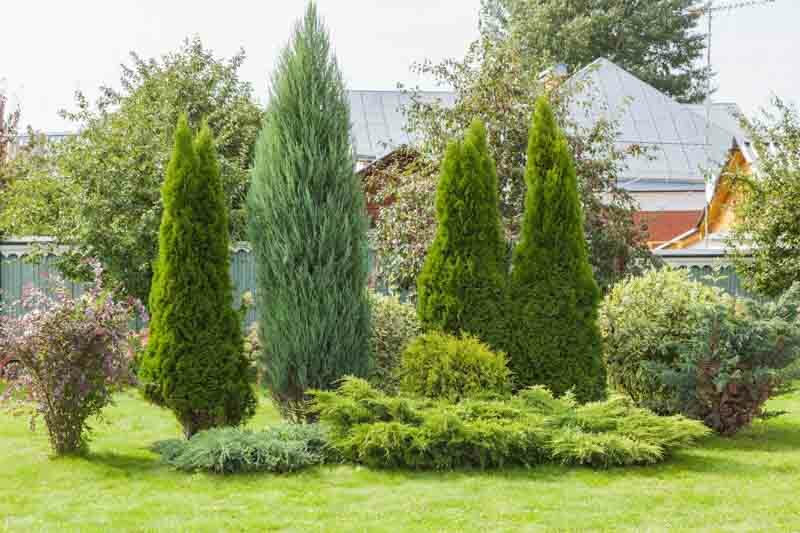
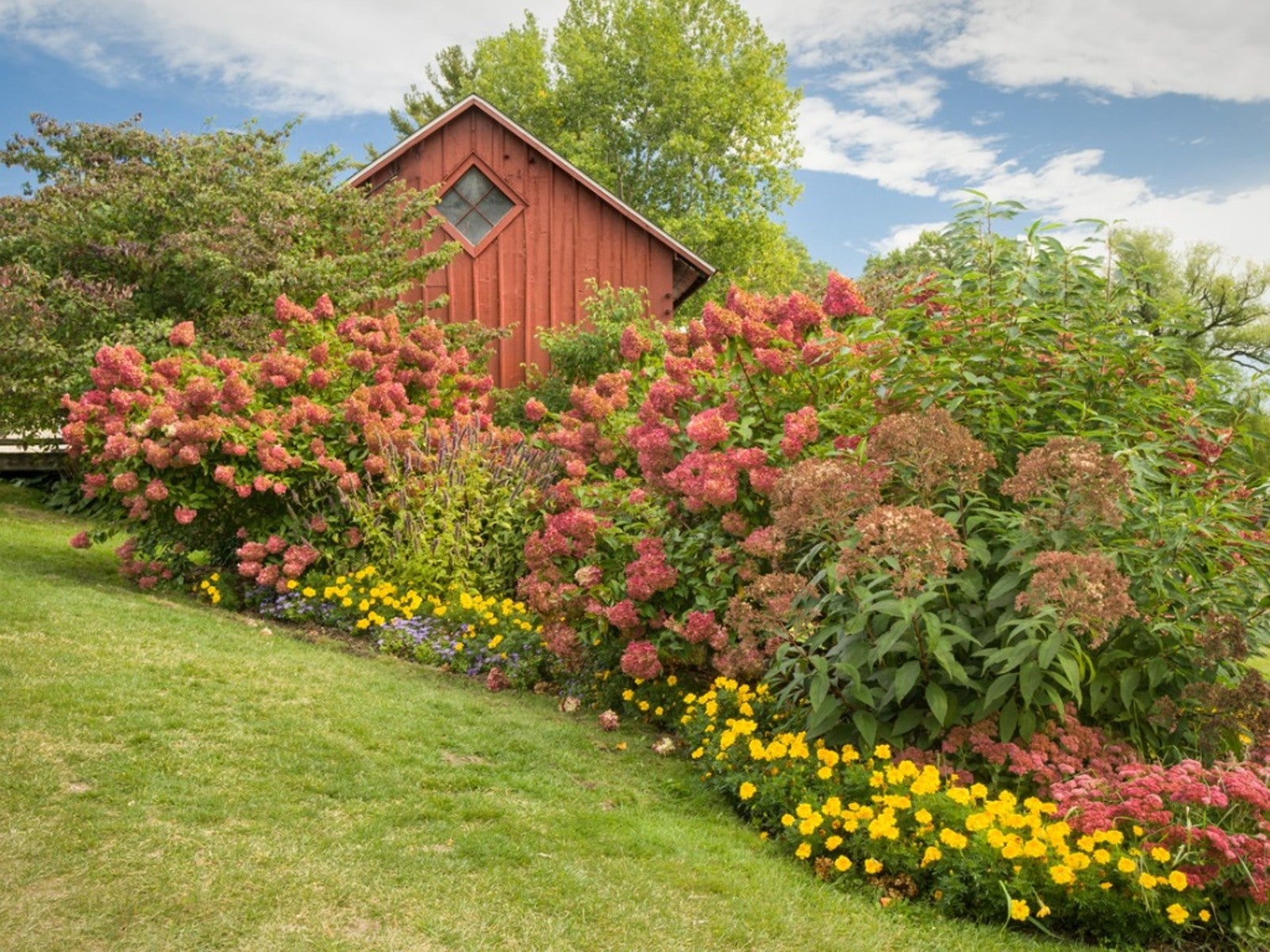
You can mix species for layered effect. For example, plant an evergreen backbone and intersperse flowering deciduous shrubs for color and pollinators.
Planting and care tips that work
- Site prep: Test soil pH and drainage. Most hedges prefer well-drained soil and added compost.
- Spacing: Follow mature width. Too close plants fight for light and roots. Too far leaves gaps.
- Planting depth: Plant at same depth as nursery pot. Mulch but do not bury crowns.
- Watering: Water deeply after planting for the first year. Then water by need, not on a set schedule.
- Pruning timing: Prune deciduous hedges in late winter or early spring. Shape evergreens in late spring or early summer, avoiding hard cuts in late fall.
- Fertilizer: Use a slow-release balanced fertilizer in spring if growth is weak.
Common mistakes I made early on:
- Planting too close to fences. This starved roots and caused crowded growth.
- Pruning boxwood too late in fall, which invited winter burn.
Learn from these and give your hedge space and timing.
Design ideas and uses
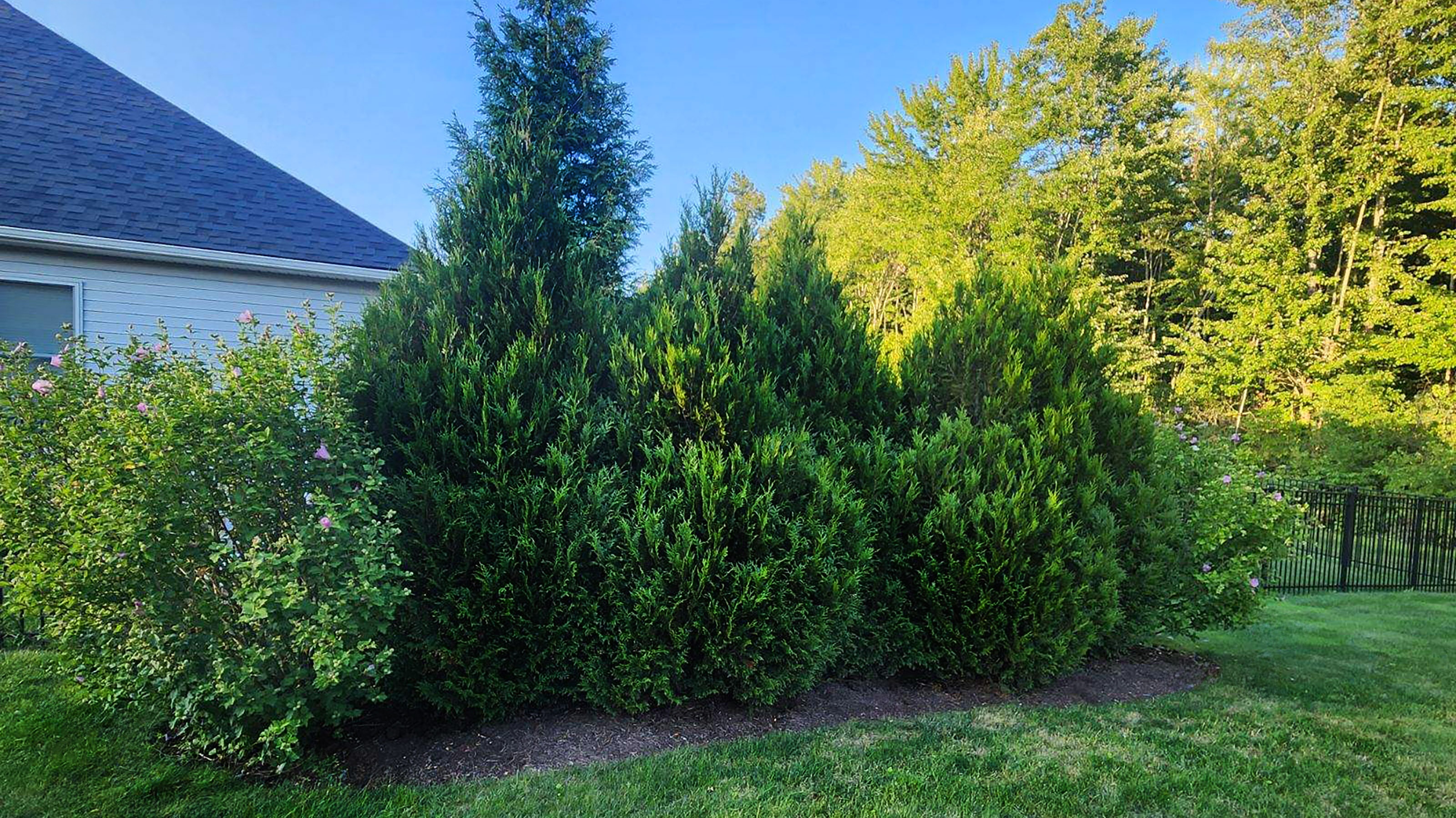
- Privacy screen: Use tall evergreens or layered mixes for year-round cover.
- Formal border: Use clipped boxwood or yew for neat lines.
- Wildlife hedge: Include berrying hollies and flowering privets to feed birds and pollinators.
- Seasonal accent: Plant lilac or forsythia in front of an evergreen hedge for spring color.
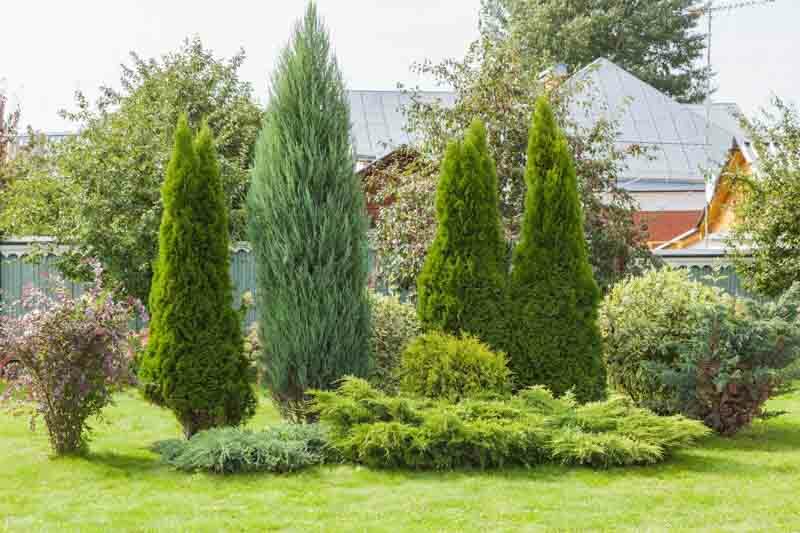
- Mixed hedge: Alternate evergreen and deciduous plants for both shelter and seasonal interest.
Design tip: Draw a simple plan of your yard. Mark sun, shade, and views. Place hedges where they solve real problems: wind, noise, or privacy.
Pros and cons: choosing by need
Evergreen hedge pros
- Year-round privacy and wind protection.
- Consistent green backdrop for gardens.
- Good shelter for birds in winter.
Evergreen hedge cons
- Can need careful pruning to avoid heavy loss.
- Less seasonal flowers and color.
- Some species can host pests if not monitored.
Deciduous hedge pros
- Seasonal flowers, fruits, and fall color.
- Easier to do heavy pruning during dormancy.
- Often better for pollinators and biodiversity.
Deciduous hedge cons
- No leaf cover in winter for screening.
- Seasonal leaf litter to manage.
- May need replanting if fast growers become invasive.
If you compare evergreen hedge vs deciduous hedge, think of trade-offs: steady privacy versus seasonal life and pollinators.

Personal experience and lessons learned
I once planted a mixed hedge to block a busy road. I used tall evergreens as a backbone and fast-growing deciduous shrubs in front. The deciduous shrubs bloomed in year two and drew bees. The evergreens filled gaps by year four and cut noise noticeably.
Lessons I learned
- Space plants for mature size. I crowded a row once and had to replant half of it.
- Match species to soil and drought levels. I lost two hollies to a dry site before adding drip irrigation.
- Prune with a plan. Random cuts make plants look worse. I keep a simple annual pruning schedule now.
These tips come from hands-on work and save time, money, and headaches.
Cost, timeline, and planning checklist
- Initial cost: Small shrubs cost less but take longer to fill. Taller, preco-shaped plants cost more.
- Maintenance cost: Pruning, water, mulch, and occasional replacements add to lifetime cost.
- Timeline: Fast growers can screen in 2–4 years. Slow growers may need 5–10 years to close gaps.
- Checklist before planting:
- Check local climate and soil.
- Decide mature height and width.
- Choose species for pests and local rules.
- Plan irrigation and mulch.
Budget tip: Start with a mixed approach—some taller evergreens and some young deciduous shrubs—to balance cost and speed.
Environmental and wildlife considerations
- Native species: Choose native shrubs when possible for local insects and birds.
- Flowering plants: Deciduous hedges with spring blooms feed bees and butterflies.
- Winter shelter: Evergreens offer critical winter shelter for nesting and roosting birds.
- Carbon and soil: Dense hedges help reduce wind erosion and capture carbon over time.
Avoid invasive species in your region. They can spread into wild areas and harm local ecosystems.
Frequently Asked Questions of evergreen hedge vs deciduous hedge
Which is better for privacy: evergreen or deciduous?
Evergreen hedges are better for year-round privacy because they keep leaves all year. Deciduous hedges can still work if you need seasonal screening and accept winter gaps.
Can I mix evergreen and deciduous plants in one hedge?
Yes. Mixing gives year-round structure from evergreens and seasonal flowers from deciduous shrubs. It also improves biodiversity and visual interest.
How often should I prune each type of hedge?
Prune deciduous hedges once or twice a year, mostly in late winter or after flowering. Trim evergreens lightly in late spring or early summer and avoid heavy winter cuts.
Do deciduous hedges attract more wildlife than evergreens?
Deciduous hedges often attract more pollinators due to flowers and fruit. Evergreens provide winter shelter, so both support wildlife in different ways.
How long until a hedge provides full coverage?
Fast-growing hedges can provide coverage in 2–4 years. Slower species may take 5–10 years to reach mature form, depending on care and site.
Conclusion
Both hedge types have clear roles. Evergreen hedge vs deciduous hedge is really a choice about year-round cover versus seasonal life. Pick evergreens for steady privacy and shelter. Choose deciduous shrubs for blooms, wildlife, and seasonal change. My best tip: match species to your site, space them for growth, and prune on a plan. Try a small test run in one bed if you are unsure, and share your results or questions below to get tailored advice.