Best Plants For Natural Hedgerows: Top Choices And Tips
Best plants for natural hedgerows: hawthorn, blackthorn, beech, hazel, holly, and native trees.
I have spent years designing and planting natural hedgerows for gardens, farms, and restoration projects. This guide draws on on-the-ground experience and research to help you choose the best plants for natural hedgerows that support wildlife, give structure, and require low maintenance.
:max_bytes(150000):strip_icc()/GettyImages-2111412584-c3ff25436a244eb89497d7bbb5cbf927.jpg)
Why choose natural hedgerows and what they do
Natural hedgerows are living fences. They add privacy, block wind, and anchor soil. They also create habitat corridors for birds, insects, and small mammals. Choosing the best plants for natural hedgerows matters. The right mix gives year-round interest, food, and shelter while keeping upkeep low.

Key plant types to include in hedgerows
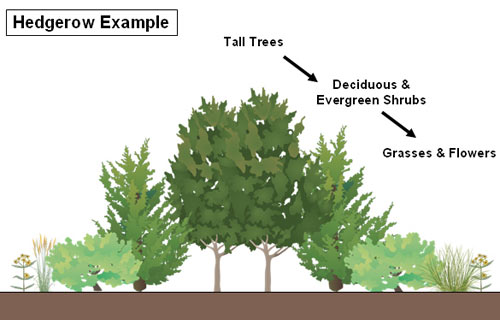
A resilient hedgerow uses layers and species that work together. Aim for several plant types in one line.
- Trees: Provide height and long-term structure.
- Large shrubs: Fill the middle layer and offer fruits or nuts.
- Small shrubs and thorny species: Create dense shelter at ground level.
- Climbers and groundcover: Close gaps and limit weeds.
Selecting native species helps local wildlife. For most temperate regions, the best plants for natural hedgerows are native trees and shrubs that flower and fruit across seasons. Mix species for resilience against pests and disease.
Top native species to plant (compact guide)
Here are reliable choices that perform well in many temperate settings. Each entry explains benefits and planting notes. These are among the best plants for natural hedgerows because they offer food, cover, and low care.
-
Hawthorn (Crataegus monogyna)
- Benefits: Spring flowers, autumn berries for birds, thorny dense growth.
- Notes: Tolerates pruning. Great as a spine species.
-
Blackthorn (Prunus spinosa)
- Benefits: Early spring flowers for pollinators, sloes for wildlife.
- Notes: Hardy and forms dense thickets.
-
Hazel (Corylus avellana)
- Benefits: Edible nuts, catkins in late winter for early pollinators.
- Notes: Coppice-friendly; useful for layered structure.
-
Beech (Fagus sylvatica)
- Benefits: Dense evergreen-brown screen in winter, tidy look.
- Notes: Slow to establish but long-lived and formal.
-
Holly (Ilex aquifolium)
- Benefits: Evergreen leaves, bright red berries, excellent winter shelter.
- Notes: Plant a male and a female for berries.
-
Field maple (Acer campestre)
- Benefits: Autumn color, seeds for birds, sturdy small tree.
- Notes: Useful for shade and structure.
-
Dogwood (Cornus spp.)
- Benefits: Winter stem color, food for birds, good for soil edges.
- Notes: Varieties differ; choose native species where possible.
-
Guelder rose (Viburnum opulus)
- Benefits: Spring flowers, summer berries loved by birds.
- Notes: Tolerant of damp sites.
-
Wild privet (Ligustrum vulgare)
- Benefits: Dense evergreen/semievergreen, late-summer berries.
- Notes: Useful for quick screens; prune to shape.
-
Field rose / Dog rose (Rosa canina)
- Benefits: Nectar for pollinators, hips rich in vitamin C.
- Notes: Thorny stems help protect ground-nesting birds.
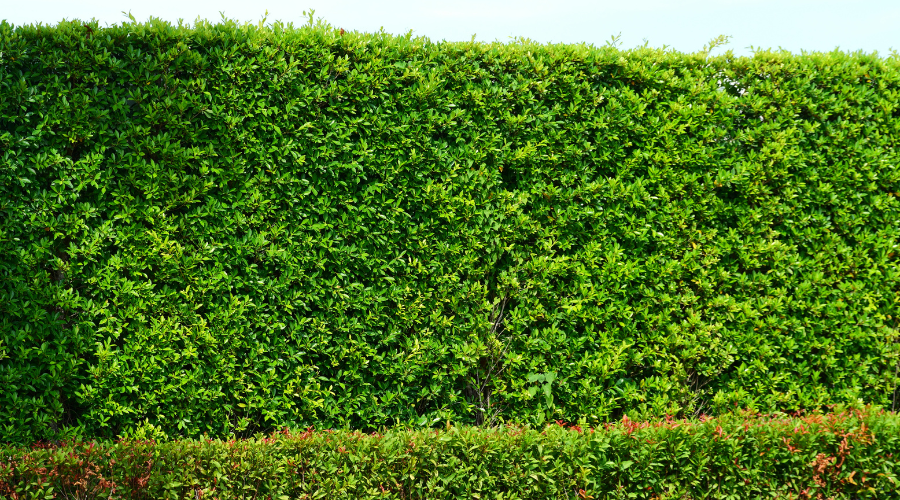
These species combined make robust hedgerows. When planning, mix at least 5–7 species across the line. This diversity helps the hedgerow cope with disease, weather, and pests.
Planting layout and spacing tips
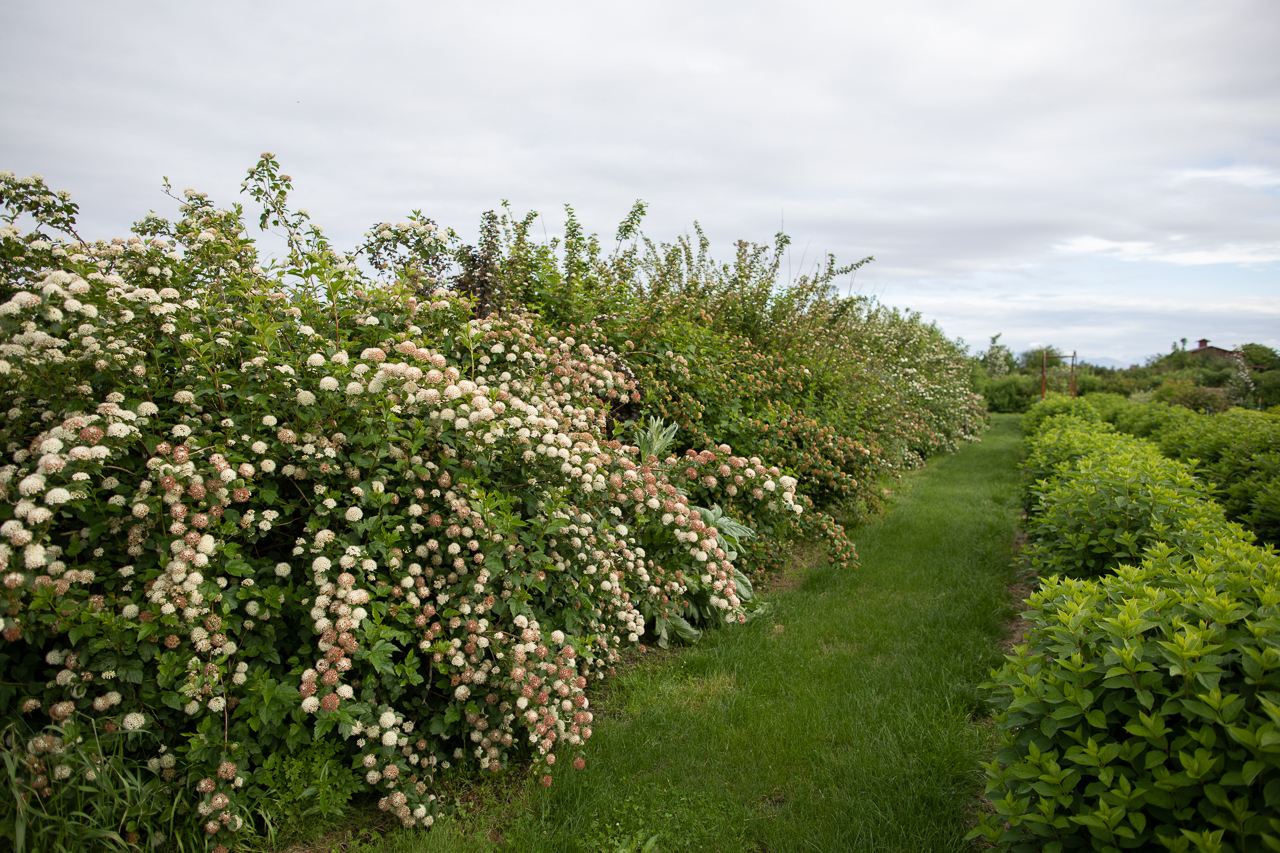
Good spacing helps a hedgerow establish quickly and fill gaps naturally. Keep the plan simple and practical.
- Single-line mixed hedgerow: Space plants 1–1.5 feet apart for dense screens.
- Staggered double-row: Space rows 3–4 feet apart with staggered plants to make a thicker barrier.
- Tree interplanting: Place trees at 8–12 feet spacing within the hedgerow for long-term canopy.
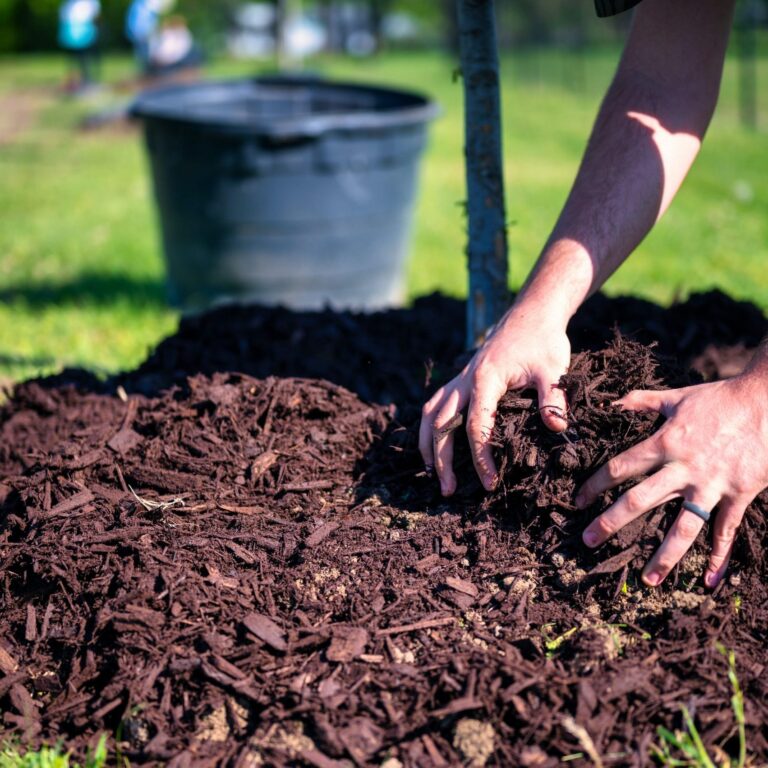
Plant in late autumn or early spring in most climates. Prepare soil by removing weeds and loosening the top 12 inches. Water well during the first two growing seasons.
Practical maintenance and pruning advice
Natural hedgerows are low maintenance but need care early on. Short, regular checks beat big jobs later.
- First year: Water and protect young plants from rabbit or deer browse.
- Years 2–5: Light formative pruning to encourage bushy growth and close gaps.
- Mature hedgerow: Trim once or twice a year to keep shape, but allow some growth for berries and flowers.
I once allowed a blackthorn-hawthorn mix to grow wild for three years. It looked messy at first. After one careful trim, it formed a dense, impenetrable hedge full of birds. Lesson learned: patience plus light shaping pays off.
Wildlife benefits and ecological value
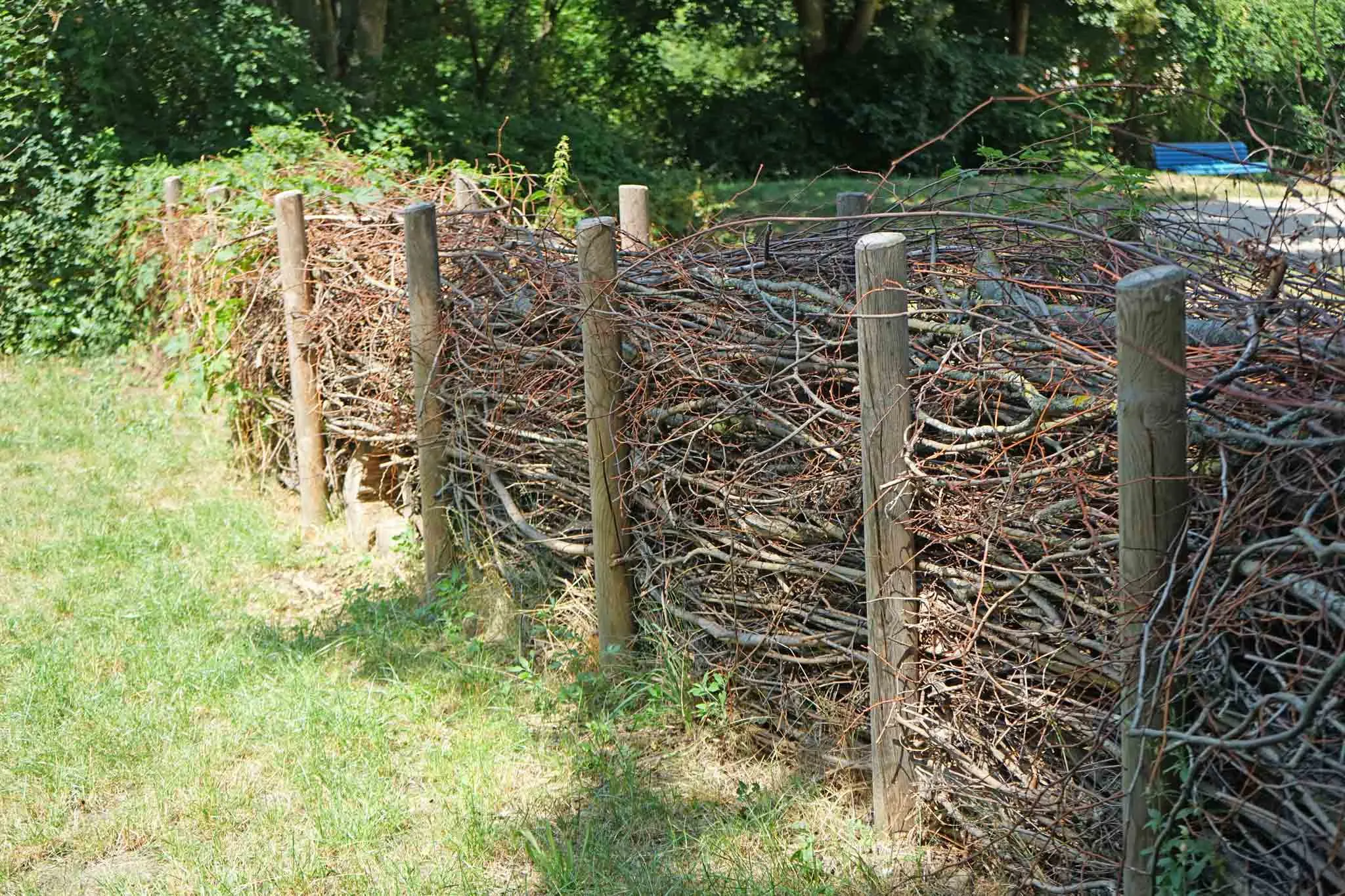
The best plants for natural hedgerows support many species. They provide nectar, pollen, fruit, nuts, nesting sites, and corridors between habitats.
- Birds: Find food and nesting cover in hawthorn, holly, and guelder rose.
- Pollinators: Feed on early flowers from blackthorn and hawthorn.
- Small mammals: Use dense ground cover and root systems for shelter.
Hedgerows also improve soil health and reduce erosion. They can act as windbreaks and carbon stores when planted with trees.
Soil, site selection, and climate considerations
Match plants to your soil and climate to cut failure risk. Most native hedgerow plants tolerate a range of soils, but some prefer specific conditions.
- Clay soils: Choose hazel, field maple, and guelder rose.
- Free-draining soils: Hawthorn and blackthorn handle dry sites well.
- Wet sites: Guelder rose and some willows tolerate damp ground.
For colder or coastal sites, pick hardy, salt-tolerant species. Test a small mix first if you are unsure. Local native plant lists are useful for final selection.
:max_bytes(150000):strip_icc()/thespruce.com-best-shrubs-for-hedges-4151139-1-1a4352e0ea274ccd8bc39402e2bace06.jpg)
Common pests, diseases, and limitations
Hedgerows are resilient but not immune. Know the common issues and how to manage them.
- Mistletoe: Can affect beech; remove heavy infestations.
- Canker and root rot: Avoid waterlogged sites and poor drainage.
- Browsing by deer or rabbits: Use guards or fencing for young plants.
Limitations include space and time to establish. A hedgerow takes years to mature. Expect a few failures and replace them early.
Design ideas and uses in the landscape
Hedgerows can be practical and beautiful. Use them as living fences, wildlife corridors, or garden edges.
- Wildlife corridor: Link patches of habitat across the property.
- Windbreak: Plant dense species on exposed sides.
- Orchard edge: Combine fruit trees and hazel for nuts and shade.
- Boundary: Use evergreen species like beech and holly for year-round screening.
I designed a homeowner hedgerow that doubled as a fruit strip. It fed wildlife and family alike. The pride in harvesting hazelnuts and watching nesting robins was worth each hour of work.
Quick answers (PAA-style)
Q: How fast do natural hedgerows grow?
A: Young hedgerows grow fastest in the first 3–5 years with watering and light pruning. Expect a basic screen in 2–4 years.
Q: How many species should I plant?
A: Aim for at least 5 species for resilience and year-round resources. More species equal more stability.
Q: Can I plant hedgerows on small urban plots?
A: Yes. Use compact species like small hawthorn, holly, and native shrubs in single lines or staggered groups.
Frequently Asked Questions about best plants for natural hedgerows
What are the easiest plants for beginners to grow in a hedgerow?
Hawthorn, blackthorn, and hazel are forgiving and quick to establish. They require little special care and tolerate trimming.
How long before a hedgerow provides wildlife benefits?
Within one season, flowers and early berries attract insects and birds. Full structural benefits appear over several years as the hedge thickens.
Do hedgerows need fertilizing?
Most native hedgerow species do not need regular fertilizer. Add compost at planting and mulching for the first two years to help establishment.
Can I use non-native species in a hedgerow?
You can, but native species typically provide more food for local wildlife and are better adapted to local pests and soil.
How do I replace failed plants without harming the hedgerow?
Remove dead plants and replant in the same gap during dormant season. Protect new plants with guards and water through their first two seasons.
Conclusion
Natural hedgerows are powerful tools for gardeners and land managers. The best plants for natural hedgerows are native, mixed-species combinations like hawthorn, blackthorn, hazel, beech, and holly. They offer shelter, food, and long-term structure with modest upkeep. Start with a clear plan, plant a mix, and be patient—your hedgerow will reward you with wildlife visits and landscape value. Try planting a small trial section this season and watch it thrive; then expand. If you found this guide helpful, subscribe for more planting tips, or share your hedgerow stories below.