Annuals Vs Perennials: Smart Planting Guide 2026
Annuals deliver instant color for one season; perennials return each year with lasting structure.
If you want a garden that pops now and still pays you back later, you need to understand annuals vs perennials. I’ve planned and tended beds in many climates, from foggy coastal plots to hot inland lots. This guide shares what works, what fails, and what I’d do again so you can choose with clarity and confidence.
What Are Annuals?
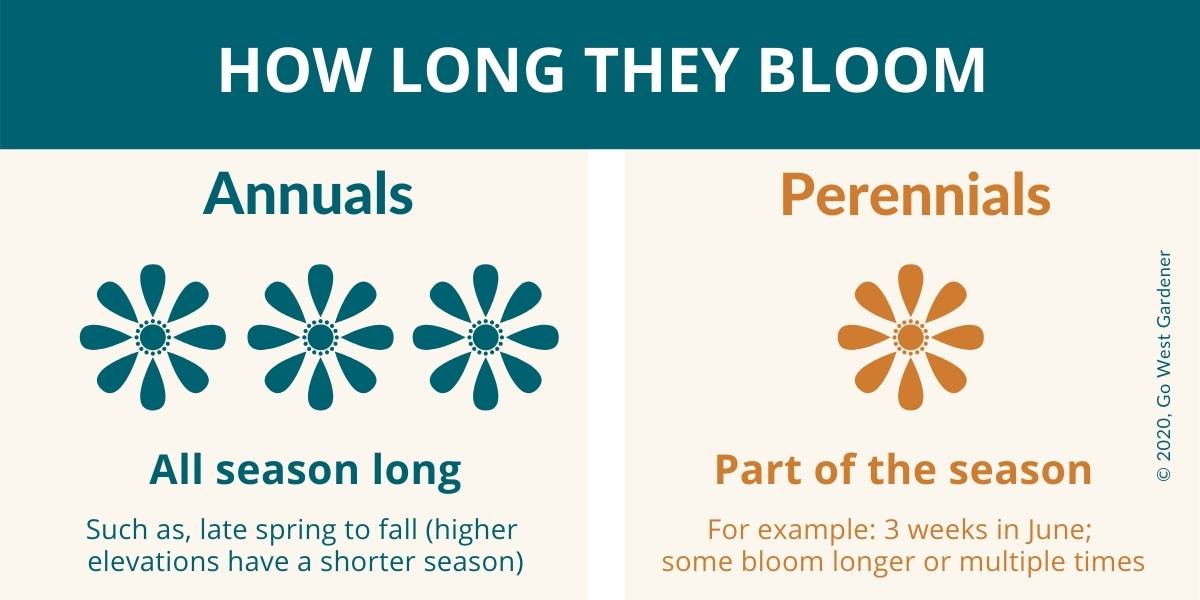
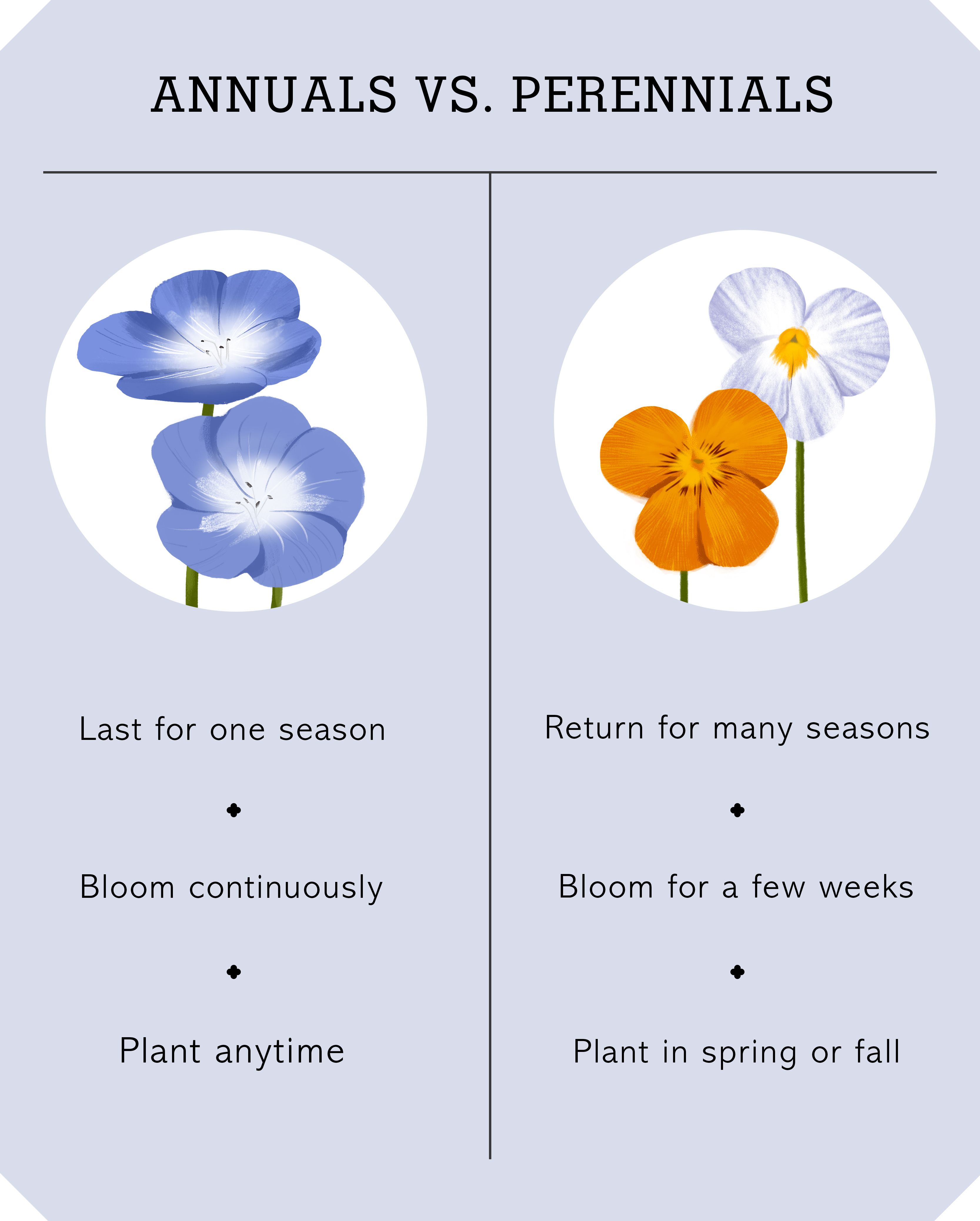
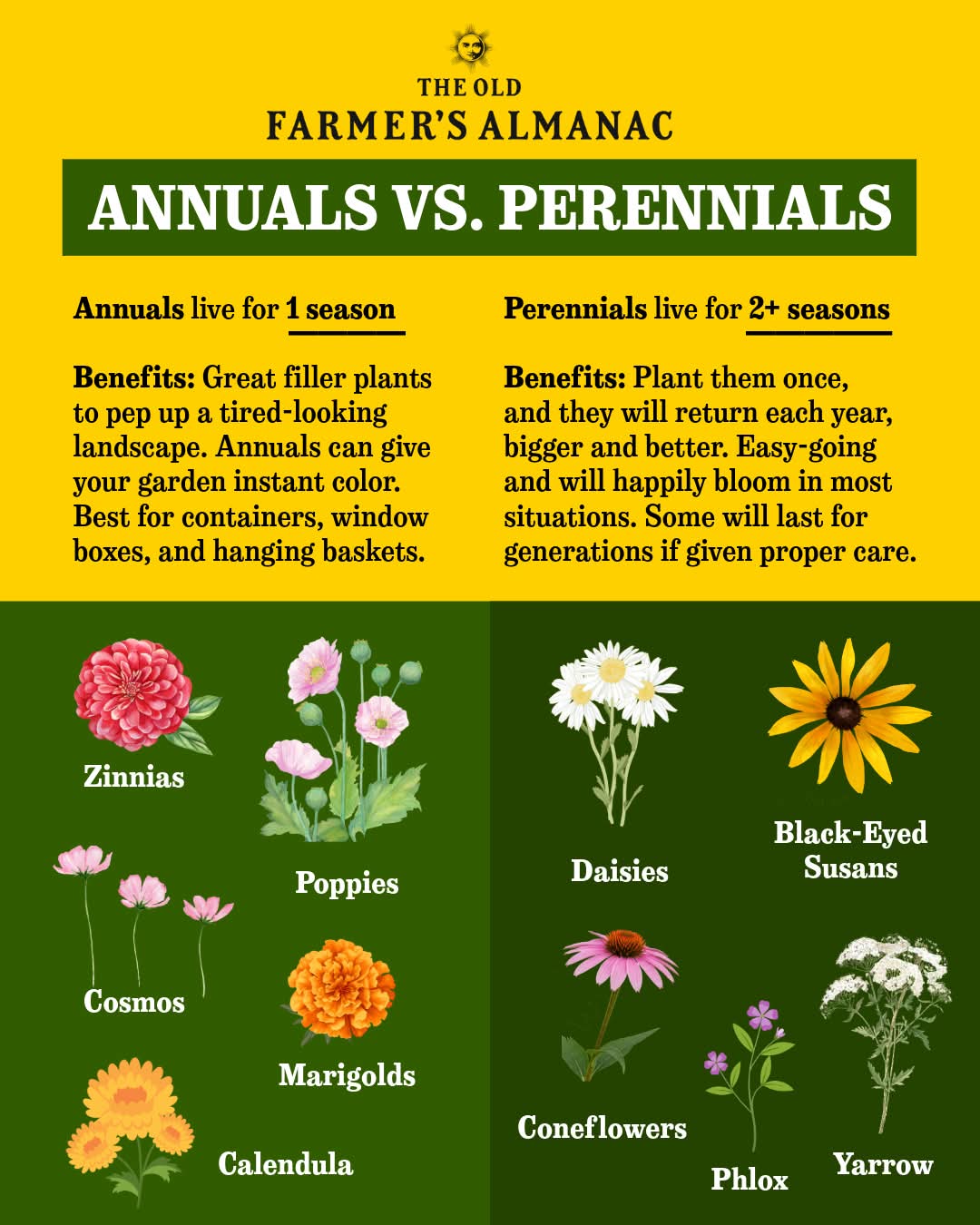
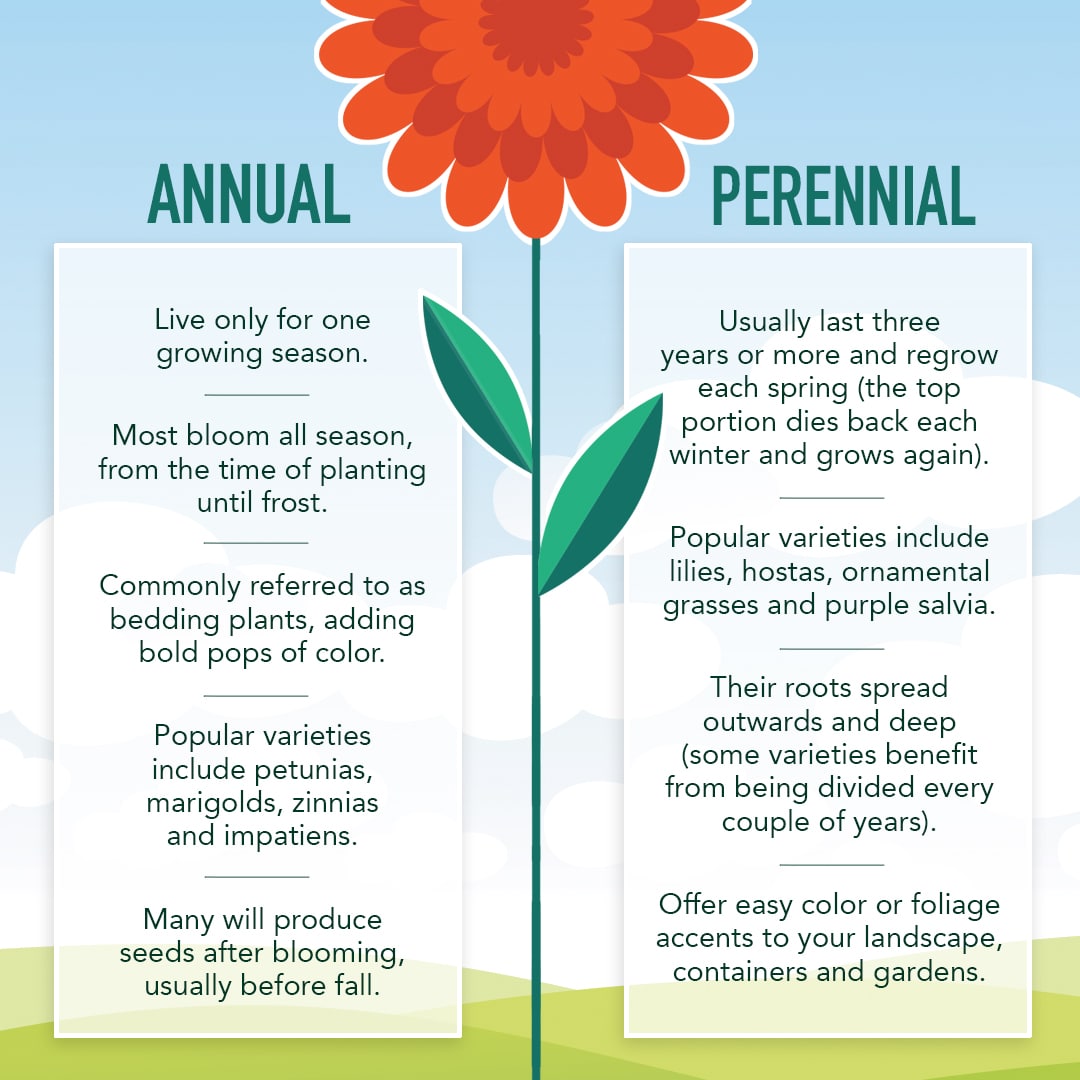
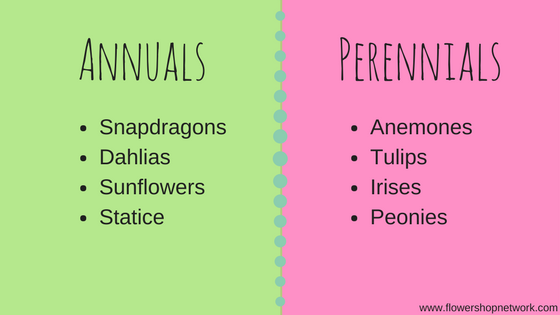
Annuals sprout, bloom, set seed, and die in a single season. Think zinnia, marigold, petunia, impatiens, cosmos, and sweet alyssum. Many are drought-tough once set. Most bloom for months with steady color.
Why gardeners love annuals:
- Fast impact with bold color from spring to frost
- Flexible designs you can change each year
- Easy to grow from seed or small starts
Limits to consider:
- You must replant each year
- Ongoing cost for plants and soil prep
- Some need deadheading to keep flowers coming
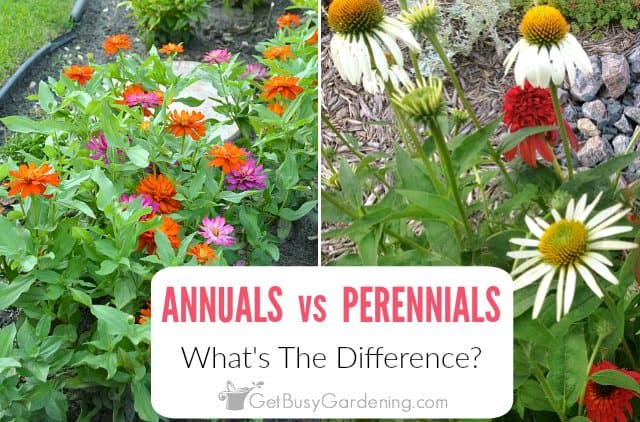
From my beds, annuals shine in curb appeal spots. I use petunias and calibrachoa in porch planters for a long bloom run. I seed zinnias in sunny strips for cuts. In the annuals vs perennials debate, annuals win when you want fast results or to test color ideas with less risk.
Tips from the field:
- Many annuals will self-seed. Cosmos and cleome can return on their own in mild areas.
- Deadhead marigolds, geraniums, and zinnias to extend bloom. Trials back this up across many cultivars.
- Feed light and steady. Too much nitrogen means leaves, not blooms.
What Are Perennials?
Perennials live for many years. They may bloom for a few weeks or several months, then rest and return. Think coneflower, black-eyed Susan, daylily, hosta, peony, salvia, and Russian sage. Roots store energy to power each new season.
Why gardeners love perennials:
- Long-term value with lower cost over time
- Strong structure and shape in beds
- Many support pollinators and wildlife
Limits to consider:
- Some take a year or two to settle in
- Bloom windows can be short
- Dividing and pruning need some know-how
From my own borders, perennials carry the bones of the garden. Echinacea and salvia bring bees. Hellebores light up late winter. In the annuals vs perennials choice, perennials win for long-term savings, habitat value, and four-season interest.
Helpful notes:
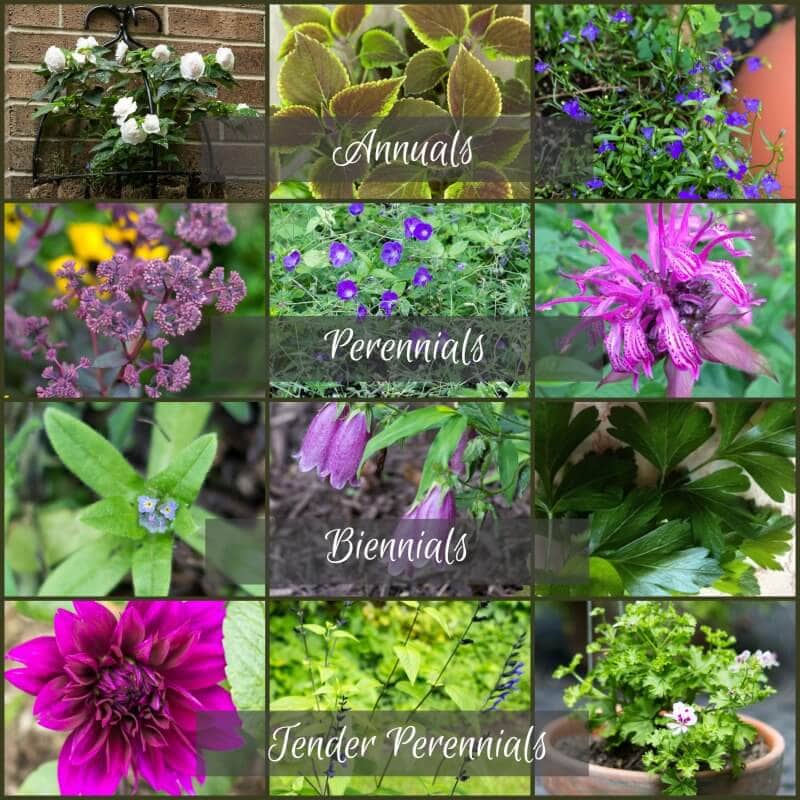
- Many “annual” favorites are tender perennials in warm zones. Geraniums and lantana can overwinter in mild areas.
- Division every few years keeps clump-formers like daylilies and hostas fresh.
- Cut back spent stems in late winter if you want to feed birds through fall.
Annuals vs Perennials: Key Differences
Lifespan and speed
- Annuals grow fast and bloom long in one season.
- Perennials return each year and often peak in years two to three.
Bloom and color
- Annuals give months of color with little gap.
- Perennials offer waves of bloom across the year if you stagger types.
Care and time
- Annuals need planting each spring and regular feeding.
- Perennials need seasonal pruning, division, and some patience.
Budget and value
- Annuals cost more year to year but shine on impact.
- Perennials cost less over time as clumps expand for free plants.
Design moves
- Annuals fill holes, edge paths, and color-match doors or decor.
- Perennials set height, texture, and form for the long haul.
Ecology and climate
- Perennials often host native insects and birds.
- Annuals still feed bees, but roots do not hold soil long-term.
- Climate matters. Some “perennials” act like annuals in cold zones.
In short, the annuals vs perennials decision rests on time, budget, and design goals. A smart garden uses both.
How to Choose for Your Climate and Goals
Start with your USDA Hardiness Zone. Match plant labels to your zone. Check sun hours on site at three times: morning, noon, and late day.
Use this simple path:
- Define your goal. Fast color, low care, wildlife, or cuts.
- Map sun and shade. Full sun is six or more hours.
- Check soil. Drainage beats rich soil for many plants.
- Count your free time. Be honest.
- Plan budget by season and by year.
Practical examples:
- A busy parent with a small yard might pick drought-tough perennials plus a few bright annuals by the door.
- A front bed for a home sale might be heavy on annuals for instant pop.
- A pollinator strip works best with native perennials, then a thin line of annuals to fill first-year gaps.
I like to write “annuals vs perennials” at the top of my plan and note what each slot needs to do. That keeps choices clear and prevents impulse buys.

Design Strategies: Mix for Four-Season Interest
Layer heights and textures. Aim for a mix of spires, mounds, and fillers. Use annuals to stitch color between perennial bloom waves.
Try this simple frame:
- Backbone: tall, long-lived perennials like switchgrass, salvia, or daylily
- Middle: repeat groups of coneflower, catmint, or black-eyed Susan
- Edge: seasonal annuals like petunia, verbena, and sweet alyssum
Color and rhythm tips:
- Repeat two or three colors to calm the eye.
- Drop in a bold annual accent near entries.
- Use foliage contrast: fine next to broad, matte next to glossy.
A case from my yard: coneflower and Russian sage set summer shape. I weave in zinnias for July to frost. That mix nails the annuals vs perennials sweet spot. Long-term frame, short-term sparkle.

Care Calendars: What to Do and When
Spring
- Annuals: prep beds, improve soil, plant after frost, feed light.
- Perennials: clean winter debris, divide crowded clumps, mulch.
Summer
- Annuals: water deep and less often, deadhead, pinch for bushy plants.
- Perennials: stake tall stems, shear early bloomers to refresh leaves.
Fall
- Annuals: pull spent plants, compost what is clean, collect seed.
- Perennials: leave some seed heads for birds, plant fall-bloomers.
Winter
- Annuals: plan next year’s palette, start some seeds indoors.
- Perennials: cut back in late winter unless stems feed wildlife.
Research and field trials support deadheading and deep watering as top levers for bloom and root health. Keep notes. They help you refine the annuals vs perennials mix each year.

Budget, Sustainability, and Long-Term Value
Cost math
- Annuals add up yearly. Seeds cut cost by a lot.
- Perennials pay off over time. Divide and share to multiply plants for free.
Water and soil
- Deep roots in many perennials improve soil and reduce water need.
- Mulch saves moisture and suppresses weeds for both groups.
Biodiversity
- Native perennials host more specialist insects. That helps birds too.
- Many annuals still feed bees. Cosmos, zinnia, and sunflowers are great.
Evidence from extension trials shows that mixed beds with a perennial base and a light annual layer cost less by year three and need less water. That blend also stands up better to heat waves. For the annuals vs perennials decision, this points to a hybrid plan for both beauty and value.
Common Mistakes and How to Avoid Them
Planting out of zone
- Fix: match USDA Zone and microclimate. Use frost dates.
Chasing color with no plan
- Fix: anchor with perennials, then add annual color blocks.
Overwatering
- Fix: water deep and less often. Check soil with your finger.
Ignoring spacing rules
- Fix: read mature width. Crowding invites disease.
Skipping soil prep
- Fix: loosen soil, add compost, and mulch. Roots first, blooms next.
Forgetting bloom windows
- Fix: stagger perennials by season. Use annuals to bridge gaps. Write “annuals vs perennials” on your month-by-month map so timing stays clear.
Frequently Asked Questions of annuals vs perennials
Are annuals cheaper than perennials?
At first, yes. But costs can rise if you replant lots each year. Perennials often save money over several seasons as they spread.
Do perennials bloom all summer?
Some do, but most have a set bloom window. Combine types with different bloom times, then add annuals to fill gaps.
Can I grow annuals and perennials in pots?
Yes. Use large pots with drainage and quality mix. Pick drought-tough perennials and add annuals for color at the rim.
Which is better for pollinators: annuals or perennials?
Both help, but many native perennials host more insects across life stages. Add nectar-rich annuals to boost summer forage.
How do I decide between annuals vs perennials for a shady yard?
Pick shade perennials like hosta, heuchera, and ferns for the base. Then tuck in shade-tolerant annuals like impatiens or begonias for color.
Conclusion
Annuals deliver fast color and design freedom. Perennials build lasting structure and value. Blend both to match your zone, sun, time, and budget. Test small, keep notes, and refine your “annuals vs perennials” plan each season.
Walk your yard today. Mark sun and shade. Pick one bed to refresh with a strong perennial frame and a simple annual color band. Share your plan or ask a question in the comments, and subscribe for more hands-on garden guides.