How To Test Garden Soil At Home
You can test garden soil at home with simple kits, DIY checks, and a few careful observations.
If you want healthier plants, better yields, and fewer surprises in the garden, learning how to test garden soil at home is one of the smartest first steps. I’ve seen gardeners waste months blaming sunlight, seed quality, or watering habits when the real issue was hidden right under their feet. A good soil test tells you what your garden is missing, what it already has, and what to do next.

Why testing garden soil matters
Garden soil is like the pantry for your plants. If the pantry is empty, too salty, too acidic, or out of balance, your plants will struggle no matter how much you water them. That is why how to test garden soil at home is such a useful skill for beginners and experienced gardeners alike.
A soil test helps you understand:
- Soil pH, which affects how well plants can use nutrients
- Nutrient levels, especially nitrogen, phosphorus, and potassium
- Soil texture, such as sandy, loamy, or clay-heavy soil
- Drainage and compaction issues
- Possible problems like salt buildup or poor organic matter
In my own garden, I once had tomatoes that looked pale and weak even though I fertilized them regularly. After testing the soil, I found the pH was too high, which made iron and other nutrients harder for the plants to absorb. A small correction made a big difference within a few weeks.
What you need before you test garden soil at home
You do not need fancy tools to get started. In most cases, a few basic items are enough to test garden soil at home and get useful results.
Here is a simple home-testing kit:
- Clean trowel or spoon
- Small bucket or bowl
- Glass jars or clear containers
- Distilled water
- White vinegar
- Baking soda
- Soil test kit or test strips
- Gloves
- Notebook or phone for recording results
If you want better accuracy, it helps to collect soil from several spots in the same bed. Garden soil is rarely the same everywhere, so one scoop from one corner can give you a misleading picture. Think of it like tasting one spoonful of soup and judging the whole pot.
How to test garden soil at home step by step
There are a few easy ways to test garden soil at home. Some give a basic picture, while others are more precise. The best approach is to combine simple DIY checks with a store-bought test kit if you want more detail.
1. Collect a proper soil sample
Start by taking soil from 5 to 10 spots in the area you want to test. Dig about 4 to 6 inches deep for most garden beds, or deeper if you are testing a new planting area. Mix those samples together in a clean bucket.
Remove:
- Rocks
- Roots
- Mulch
- Leaves
- Large clumps
Let the sample dry a little if it is very wet. This gives you a more balanced sample and makes it easier to test garden soil at home without false results.
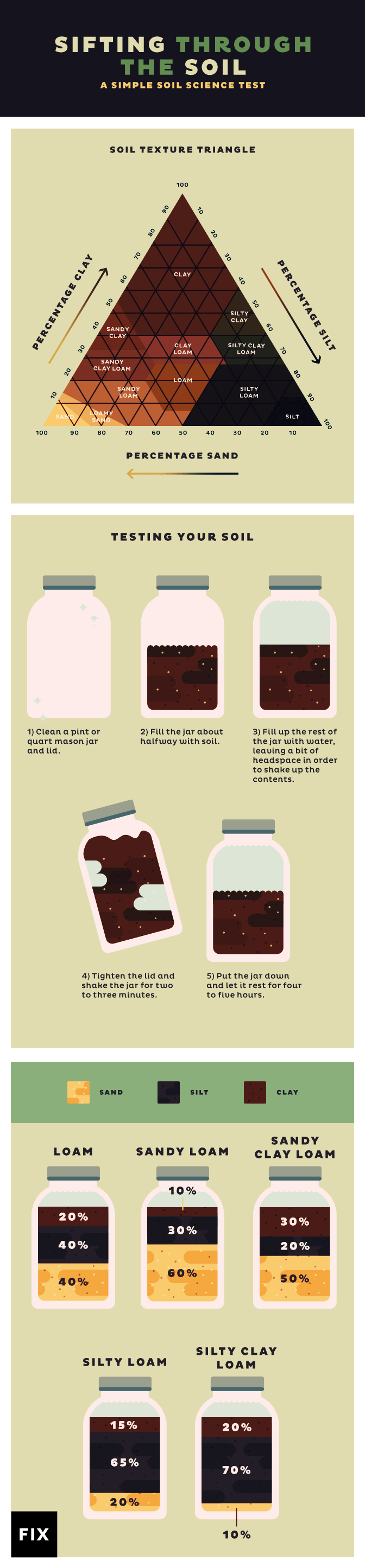
2. Test soil texture with the jar method
The jar method helps you see whether your soil is sandy, silty, or clay-heavy. Fill a clear jar about one-third full with soil, add water, and shake it hard for a minute. Let it sit for several hours or overnight.
You will usually see layers form:
- Sand settles first
- Silt settles in the middle
- Clay settles last
- Organic matter may float on top
If the jar fills with mostly sand, the soil drains fast but may not hold nutrients well. If clay dominates, the soil may hold water too long and compact easily. A balanced mix usually points to loam, which is ideal for many garden plants.
3. Check soil pH with a simple home method
Soil pH shows whether your soil is acidic, neutral, or alkaline. Most vegetables grow best in a slightly acidic to neutral range, often around 6.0 to 7.0. This is one of the most important reasons people learn how to test garden soil at home.
You can use either a pH test kit or this quick DIY check:
- Put two spoonfuls of soil in one container
- Add a little distilled water to make a muddy paste
- Add vinegar to one sample
- Put baking soda and water on another sample
If the vinegar sample fizzes, your soil may be alkaline. If the baking soda sample fizzes, your soil may be acidic. This test is rough, not exact, but it gives a useful starting point.
4. Use a home soil test kit for nutrients
A home soil test kit can measure pH and sometimes major nutrients like nitrogen, phosphorus, and potassium. These kits are often sold at garden centers and are easy to use. Follow the instructions carefully, because timing and drop counts matter.
When I first used a test kit years ago, I rushed the color reading and thought my soil was richer than it really was. That mistake taught me to read the color in natural light and compare it slowly. Tiny details matter when you test garden soil at home.
Look for results that explain:
- Nitrogen levels for leafy growth
- Phosphorus levels for roots and flowers
- Potassium levels for plant strength and disease resistance
- pH balance for nutrient uptake
5. Do a drainage test
Good soil is not just about nutrients. It also needs to drain well. To test drainage, dig a hole about 12 inches deep and fill it with water.
Then watch what happens:
- If the water drains within a few hours, drainage is likely good
- If water sits there for a long time, you may have compacted or clay soil
- If it drains too quickly, the soil may be too sandy
This simple test can save you a lot of frustration. Plants like carrots, lavender, and rosemary hate soggy feet, while lettuce and many leafy greens prefer steady moisture.
6. Look at the soil by hand
Sometimes your hands tell you a lot. Rub a damp bit of soil between your fingers and notice the feel.
Here is what to look for:
- Sandy soil feels gritty
- Clay soil feels sticky and smooth
- Silty soil feels soft and flour-like
- Loam feels crumbly and rich
Healthy garden soil often smells earthy and fresh, almost like a forest after rain. If it smells sour, rotten, or sour-musty, drainage may be poor or organic matter may be breaking down without enough air.

Best homemade soil tests and what they tell you
If you want to test garden soil at home without a lab, there are a few reliable methods worth knowing. Each one gives a different clue, and together they build a fuller picture.
Vinegar and baking soda test
This test helps you estimate pH. It is cheap and fast, but it is not exact. Use it as a rough guide, not a final answer.
- Vinegar fizz may suggest alkaline soil
- Baking soda fizz may suggest acidic soil
- No reaction may mean the soil is near neutral or the test is too weak to show a clear result
Jar sediment test
This is one of the most useful DIY methods because it shows texture. Texture affects drainage, air flow, and nutrient holding power. If you garden in raised beds, this test can help you choose better soil mixes in the future.
Worm check
A healthy handful of worms can be a good sign. Worms do not prove perfect soil, but they often point to active organic life and decent moisture. If you dig and find almost no worms in rich-looking soil, it may be time to look closer at compaction, chemicals, or dryness.
Plant response test
Sometimes the best test is what your plants tell you. Weak growth, yellowing leaves, poor flowering, and stunted roots can all point to soil issues. This is not a stand-alone soil test, but it helps confirm what your other checks show.
How to read common soil test results
Knowing how to test garden soil at home is only half the job. The real value comes from understanding what the results mean and what to do next.
pH results
- Below 6.0: Soil is acidic
- Around 6.0 to 7.0: Often good for many garden crops
- Above 7.0: Soil is alkaline
If your pH is too low, plants may not absorb nutrients well. If it is too high, the same thing can happen, especially with micronutrients like iron and manganese. That is why pH matters so much.
Nutrient results
- Low nitrogen: Plants may look pale and grow slowly
- Low phosphorus: Root growth and flowering may suffer
- Low potassium: Plants may become weak and less resilient
A soil test is most useful when you do not guess. Too much fertilizer can be just as harmful as too little. In fact, overfeeding can burn roots, upset soil life, and create more problems than it solves.
Texture results
- Sandy soil: Fast drainage, low nutrient retention
- Clay soil: Strong nutrient holding, slow drainage
- Loam: Balanced texture, usually best for most gardens
If your soil is far from ideal, do not panic. Most soils can be improved with compost, mulch, and smart watering habits over time.
Common mistakes to avoid when you test garden soil at home
I have seen a lot of gardeners get mixed results because of small mistakes. The good news is that these are easy to avoid once you know them.
Avoid these common problems:
- Taking soil from only one spot
- Testing soil right after heavy fertilizer use
- Using dirty tools or containers
- Ignoring the difference between topsoil and deeper soil
- Reading color charts in poor light
- Skipping the instructions on a test kit
A big mistake is trying to fix everything at once. Soil improvement works best like building a house, one brick at a time. Start with pH, texture, and drainage before chasing every nutrient number.
How often should you test garden soil at home
For most home gardens, testing once a year is a smart habit. If you are starting a new garden, changing crops, or struggling with poor growth, test more often. Raised beds, container gardens, and heavily used vegetable plots may need closer attention.
You may want to test garden soil at home:
- Before planting a new bed
- At the start of the growing season
- After major problems like yellowing leaves or poor harvests
- Before adding fertilizer or lime
- After improving the soil with compost or amendments
Regular testing keeps you from working blind. It also helps you track improvement, which is encouraging when you are putting real effort into your garden.
How to improve soil after testing
Once you know your results, you can make better choices. This is where home soil testing becomes truly powerful. Instead of guessing, you are fixing the actual problem.
Here are a few common improvements:
- Add compost to improve structure and organic matter
- Mix in aged manure for slow-release nutrients
- Use mulch to hold moisture and reduce temperature swings
- Add lime if soil is too acidic, but only if the test supports it
- Add sulfur only when pH is too high and the crop needs lower pH
- Loosen compacted soil with organic material and gentle aeration
In my own experience, compost is the safest all-around soil booster. It does not solve every issue overnight, but it steadily improves nearly everything: water holding, texture, and soil life. It is like feeding the soil so the plants can feed themselves later.
Best plants to grow after you test garden soil at home
Different plants like different soil conditions. Once you understand your soil, you can match crops to the space instead of fighting nature.
For acidic soil, consider:
- Blueberries
- Azaleas
- Rhododendrons
- Potatoes
For neutral to slightly acidic soil, consider:
- Tomatoes
- Peppers
- Beans
- Lettuce
- Zinnias
For well-drained soil, consider:
- Lavender
- Rosemary
- Carrots
- Beans
Matching plant choice to soil is one of the easiest ways to improve success. It saves time, lowers frustration, and makes your garden feel much more cooperative.
Why home testing is helpful, but not perfect
Home tests are useful, practical, and affordable, but they do have limits. They are great for spotting broad problems, yet they may not be as precise as a full lab analysis. That matters if you are dealing with serious nutrient issues, contamination concerns, or high-value crops.
Limitations of home testing include:
- Less precise nutrient measurements
- Rough pH estimates in DIY methods
- Possible user error
- Limited testing for micronutrients and contaminants
If you suspect toxins, heavy metals, or severe soil problems, a professional lab test is the safer choice. Home methods are excellent for everyday gardening, but they are not a replacement for specialized analysis in every case.
Frequently Asked Questions of how to test garden soil at home
How do I test garden soil at home without a kit?
You can use the vinegar and baking soda method to get a rough idea of pH and the jar test to check texture. These methods are simple and cheap, but they do not give exact nutrient numbers.
What is the easiest way to test soil pH at home?
The easiest way is to use a basic home soil pH test kit or test strips. They are quick, affordable, and more reliable than DIY fizz tests.
Can I test wet soil at home?
Yes, but very wet soil can give messy or less accurate results. If possible, let the sample dry a little before testing so you can mix and measure it more evenly.
How do I know if my soil is healthy?
Healthy soil usually has a crumbly texture, a fresh earthy smell, good drainage, and visible organic activity like worms. Good plant growth is also a strong sign that the soil is doing its job.
Should I test soil before adding fertilizer?
Yes, always if you can. Testing first helps you avoid overfeeding, wasting money, and creating nutrient imbalances that can hurt plant health.
Conclusion
Learning how to test garden soil at home gives you a real advantage as a gardener. You stop guessing, start understanding, and make better choices for pH, drainage, texture, and nutrients. Even simple tests can reveal the story your soil has been trying to tell you all along.
If you want healthier plants and fewer garden problems, start with one small test this week. Then use what you learn to improve the soil step by step, just like a good gardener would. If this guide helped you, explore more gardening tips, subscribe for updates, or leave a comment with your own soil-testing experience.