Rain Barrel Vs Garden Hose: Save Water And Money
Rain barrels conserve rainwater for plants and lower bills; garden hoses deliver fast, pressurized water.
I have decades of hands-on gardening and water-management experience. This guide on rain barrel vs garden hose explains how each option works, when one beats the other, and how to mix them for the best results. You will get clear comparisons, step-by-step setup tips, cost ideas, and real mistakes I made and fixed. Read on to pick the right water strategy for your yard.

How rain barrel vs garden hose work
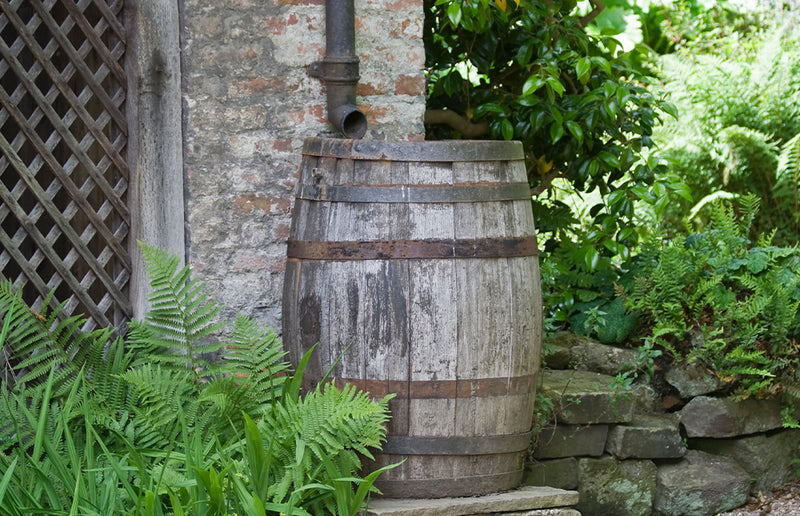
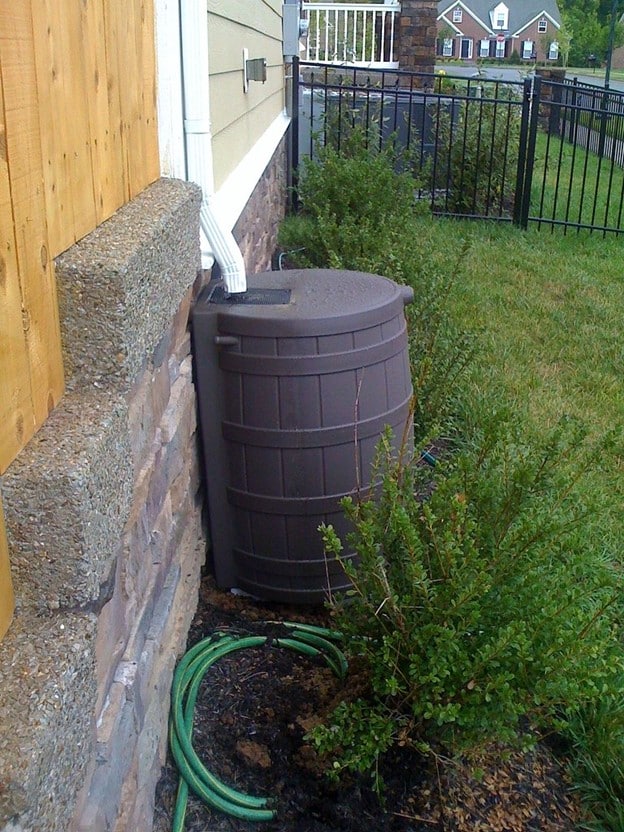
A rain barrel collects roof runoff. Water flows from gutters into the barrel. You use that stored water for plants and cleaning.
A garden hose taps into your home water supply. It gives steady pressure for watering, washing, and filling tubs. You control flow with a faucet or nozzle.
Both add value. A rain barrel reduces potable water use. A garden hose offers power and reach. I have used both for years and often pair them for peak efficiency.
Benefits of each: rain barrel vs garden hose
Rain barrel benefits
- Saves water and lowers bills by using free rain.
- Feeds plants with soft, chlorine-free water.
- Reduces storm runoff and erosion near foundations.
- Easy to install and low daily cost.
Garden hose benefits
- Immediate, pressurized water for any task.
- Works in any weather when municipal water runs.
- Can attach sprinklers, soaker hoses, or pressure tools.
- Handy for cleaning driveways and outdoor gear.
Using both together often gives the best result. I store rainwater for plants and use the hose for deep watering and chores. This mix cut my monthly water use by noticeable amounts.
Limitations and concerns for rain barrel vs garden hose
Rain barrel limitations
- Limited volume during dry spells.
- Requires screening and cleaning to avoid mosquitoes.
- Water pressure is low without a pump.
- Local rules may restrict rainwater harvesting in some places.
Garden hose limitations
- Uses treated, potable water which may be costly.
- Overuse can waste water if not managed.
- Leaks and poor nozzles reduce efficiency.
- Long runs need higher pressure or larger diameter hoses.
I once bought a cheap barrel that leaked. Fixing joints and adding a diverter solved it. Small fixes avoid big messes and keep systems working.
Cost, installation, and maintenance
Costs and examples
- Rain barrel: $50 to $200 for a basic barrel. Higher for larger or stylish tanks.
- Garden hose: $20 to $100 depending on length and build. Nozzles add $10–$50.
- Pump for barrel: $40–$150 if you need pressure.
Installation steps for a rain barrel
- Place barrel on a raised, level base.
- Fit a screened inlet at the top to keep debris out.
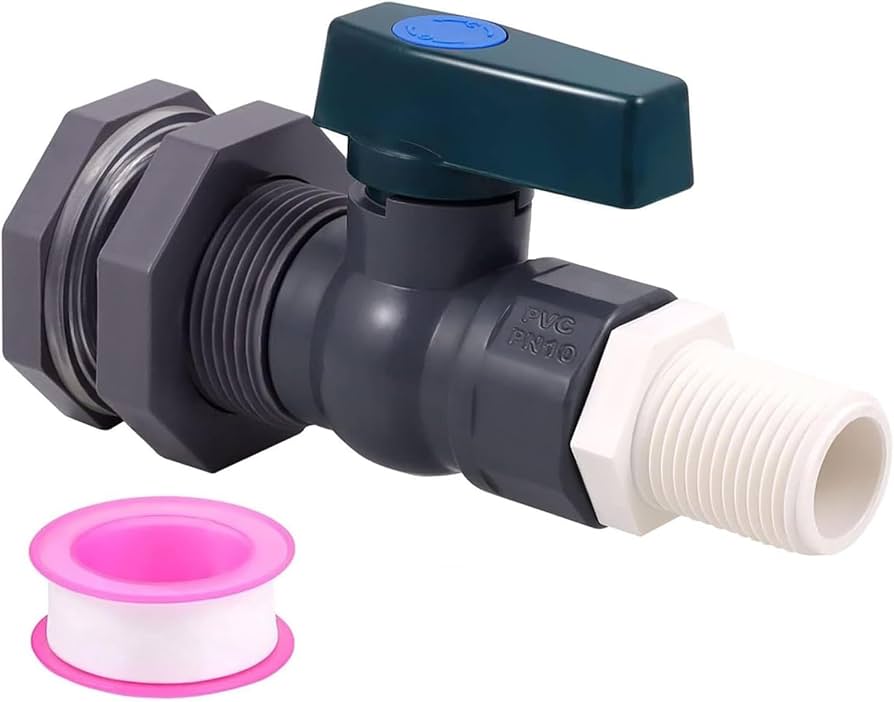
- Attach an outlet spigot near the bottom for buckets or hoses.
- Add an overflow line to direct excess water away from foundations.
Maintenance checklist
- Clean screens and gutters twice a year.
- Winterize by draining or insulating in cold climates.
- Check hoses and fittings for leaks seasonally.
I recommend starting small. Buy one barrel and a good hose. Track how much water you save for two seasons. Data helps you decide to scale up.

When to choose a rain barrel vs garden hose
Choose a rain barrel when
- You want to lower water bills for garden use.
- Your area gets regular rainfall.
- You prefer natural, chemical-free water for plants.
Choose a garden hose when
- You need pressure for deep irrigation or cleaning.
- You have long runs or multiple watering zones.
- Water availability is consistent and cost is acceptable.
Combine them when
- Use barrel water for regular plant watering.
- Use hose for deep soaking or hard jobs.
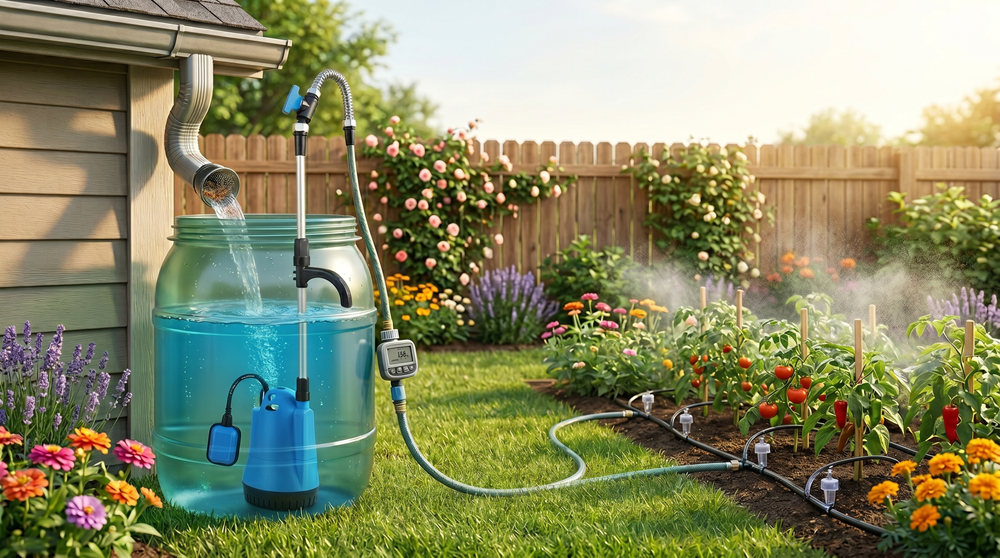
- Add a pump to the barrel to run a soaker hose if needed.
My yard has both. I run a drip system from the rain barrel for veggies and use the hose for beds that need heavier soaking. This hybrid approach is reliable and economical.

Practical tips, PAA-style questions, and best practices
Tip list for the best use
- Place barrels near downspouts for easy capture.
- Use opaque barrels to reduce algae.
- Fit a fine mesh on the inlet to keep bugs out.
- Label non-potable water storage clearly.
People also ask: Will rainwater harm plants?
- Rainwater is usually better for most plants than treated tap water. It lacks chlorine and often has a neutral pH.
People also ask: Can I run a hose from a rain barrel?
- Yes, with a pump or gravity-fed drip kit. A pump adds pressure for sprinklers and long hoses.
People also ask: How many barrels do I need?
- That depends on roof size and rainfall. A small setup of two to three 50–60 gallon barrels suits many home gardens.
I learned to keep a simple log of rainfall and water use. It helped me choose the right number of barrels and when to run the hose. Small records also make it easy to spot leaks and inefficiency.

Environmental and legal notes
Environmental impact
- Rain barrels lower stormwater runoff. This eases local drainage systems and protects waterways.
- Using less municipal water reduces energy and chemical use for treatment.
Legal and safety
- Some regions restrict how rainwater is collected. Check local rules.
- Never drink stored rainwater unless properly treated. Use barrels for non-potable tasks only.
I checked local codes before installing barrels. A quick call to the municipality cleared my doubts and saved me from later fines.

Comparing performance: quick metrics
Simple performance checks
- Volume: Barrel holds limited gallons; hose supply depends on municipal flow.
- Pressure: Hose wins unless a pump is added to the barrel.
- Cost over time: Barrels usually lower water bills; hoses may increase costs if used heavily.
Real-world example
- My 55-gallon barrel covered five months of summer spot watering for a small vegetable patch in one wet year. I used the hose twice a week for heavier jobs.

Frequently Asked Questions of rain barrel vs garden hose
Is rainwater safe for watering vegetables?
Rainwater is generally safe and often better than tap water for vegetables. Do not use it for drinking unless treated and filtered.
Can a rain barrel run a sprinkler?
A rain barrel alone rarely has enough pressure for a sprinkler. Use a pump or run low-pressure drip lines instead.
How much water can one rain barrel save?
One barrel can save 50–100 gallons per storm, depending on size. Savings add up across a season and cut municipal use.
Do rain barrels attract mosquitoes?
They can if not sealed or screened. Use fine mesh on the inlet and a tight-fitting lid to prevent breeding.
Should I connect a garden hose directly to a rain barrel?
You can, but expect low pressure. A pump or gravity-fed system with short hose runs works best for practical use.
How often should I clean a rain barrel?
Clean screens and remove debris at least twice a year. Clean more often if you notice buildup or odors.
Will using a rain barrel reduce my water bill?
Yes, it often lowers water bills for outdoor use. The exact amount depends on your garden size and local rates.
Conclusion
This rain barrel vs garden hose guide gives a clear view of trade-offs and real steps you can take. Use a rain barrel to save water and money, and keep a garden hose for power and flexibility. Try starting with one barrel and one quality hose. Track water use, learn from small mistakes, and adjust as you go. Share your results or questions below, subscribe for more practical guides, or leave a comment about your setup.