Compost Tea Vs Liquid Fertilizer: Which Is Better?
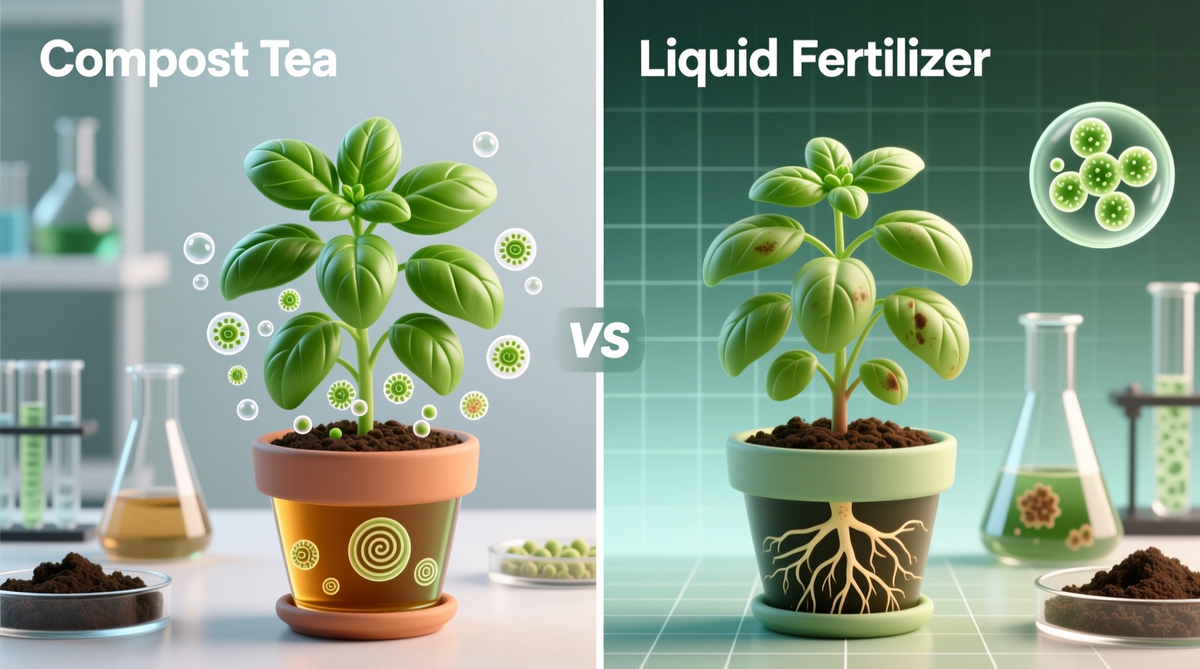
Compost tea feeds soil microbes; liquid fertilizer supplies fast, measurable nutrients to plants.
As a gardener and soil scientist with years testing both approaches, I’ll walk you through compost tea vs liquid fertilizer in plain language. You’ll learn what each product is, how they work, when to use them, pros and cons, simple recipes, safety tips, and real-world results from my own garden trials. This guide focuses on practical, evidence-backed advice so you can decide which fits your plants and goals.

What is compost tea?
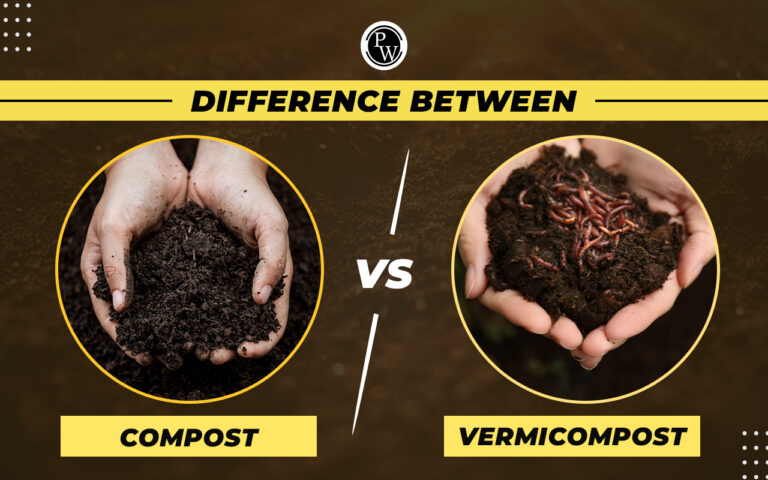
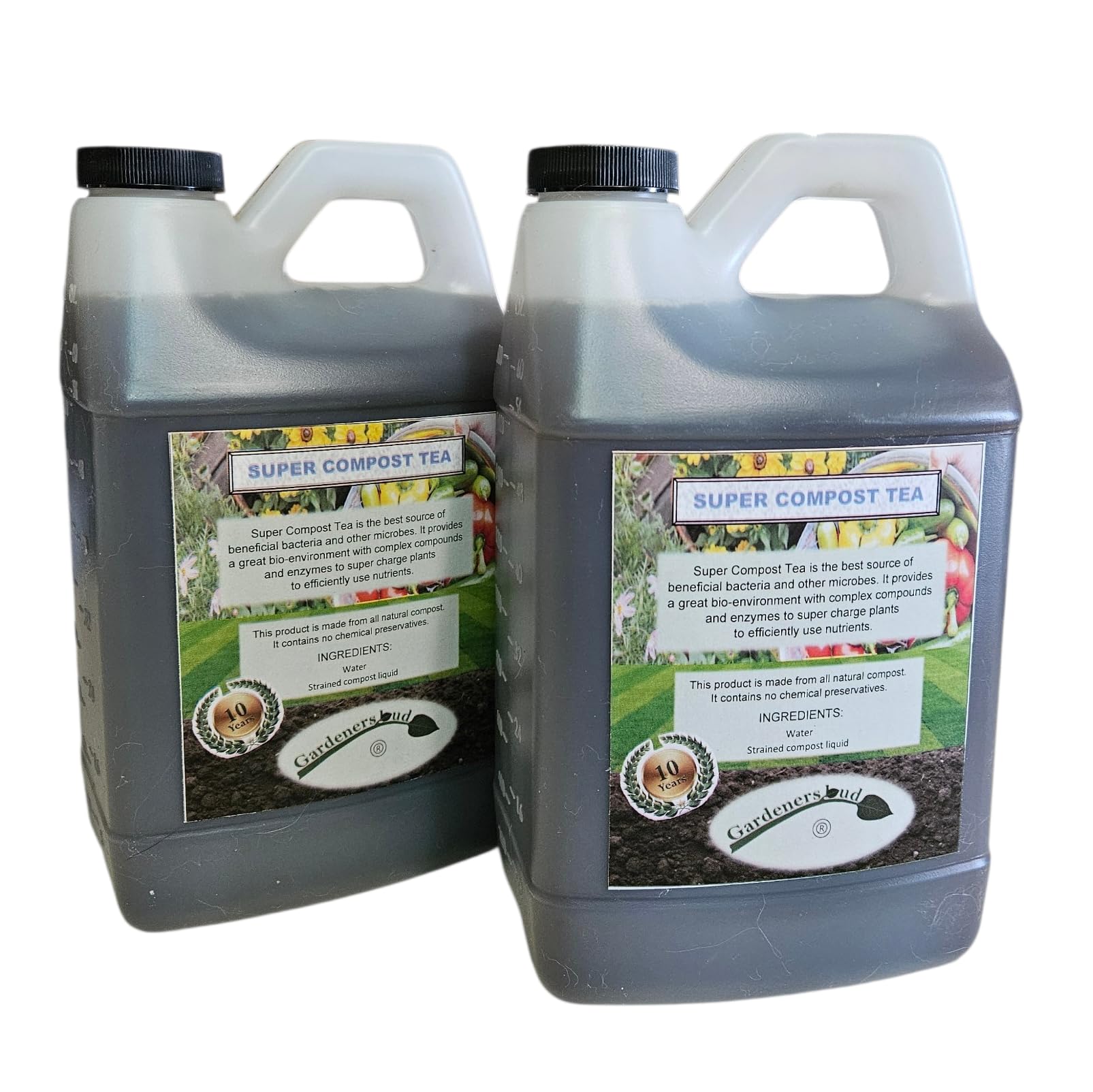
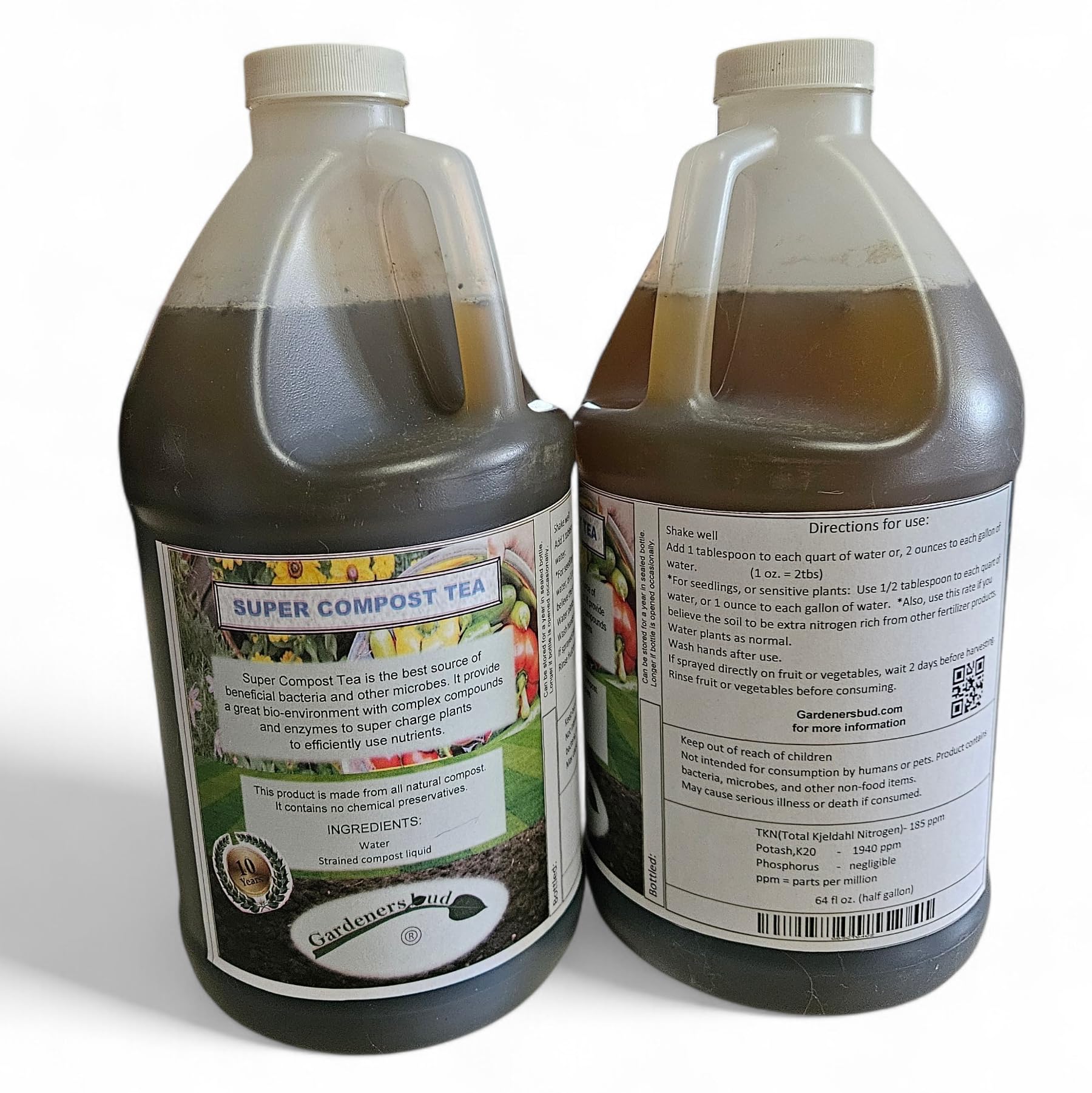
Compost tea is a water extract of compost rich in microbes and soluble organic matter. It contains bacteria, fungi, protozoa, and nutrients in low concentrations. People use compost tea to boost soil biology, improve nutrient cycling, and help plants resist stress. When comparing compost tea vs liquid fertilizer, compost tea aims to feed the soil life rather than only feed plants.
What is liquid fertilizer?
Liquid fertilizer is a water-soluble blend of nutrients like nitrogen, phosphorus, and potassium. It delivers precise, measurable amounts of plant nutrients quickly. Liquid fertilizers can be organic or synthetic and are designed to correct nutrient deficiencies fast. In the compost tea vs liquid fertilizer debate, liquid fertilizer gives predictable nutrient responses but does not necessarily improve soil biology.

Key differences: compost tea vs liquid fertilizer
Here are the main contrasts to consider when you compare compost tea vs liquid fertilizer.
- Purpose: Compost tea builds microbial life. Liquid fertilizer supplies nutrients directly to plant tissue.
- Speed of effect: Liquid fertilizer acts fast. Compost tea works gradually as microbes change soil chemistry.
- Nutrient content: Liquid fertilizer offers known N-P-K ratios. Compost tea has variable, typically low, N-P-K values.
- Measurement: Liquid fertilizer is measured in grams or teaspoons per gallon. Compost tea is measured by brew time and biological activity.
- Risk: Improperly brewed compost tea can harbor pathogens. Liquid fertilizers can burn plants if overapplied.
Both tools have a place. Choosing depends on your goals, soil health, and risk tolerance in the compost tea vs liquid fertilizer choice.

Benefits and limitations
Below are clear benefits and limits for each option in the compost tea vs liquid fertilizer comparison.
Benefits of compost tea
- Builds a diverse soil microbiome that aids nutrient uptake.
- Can improve disease suppression by encouraging beneficial microbes.
- Uses recycled materials and supports organic systems.
Limitations of compost tea
- Nutrient levels are low and inconsistent.
- Brewing requires care to avoid contamination.
- Results can be slow and variable.
Benefits of liquid fertilizer
- Fast, predictable nutrient correction for visible deficiencies.
- Easy dosing and broad availability.
- Useful for container plants and quick feeding during growth spurts.
Limitations of liquid fertilizer
- Does not improve soil biology.
- Overuse leads to nutrient runoff and salts in soil.
- Synthetic formulas may not be allowed in some organic systems.
When considering compost tea vs liquid fertilizer, think of compost tea as a long-term soil investment and liquid fertilizer as a targeted, rapid correction.

How to choose: when to use which
Make your choice using these simple rules tied to common garden needs.
-
Use compost tea when:
- You want healthier soil and long-term resilience.
- You are rehabilitating poor or depleted soil.
- You prefer organic, sustainable methods.
-
Use liquid fertilizer when:
- Plants show clear nutrient deficiency signs.
- You need quick green-up or fruit set support.
- You manage containers or hydroponics that need precise dosing.
-
Combine them wisely:
- Feed soil with compost tea early in the season.
- Apply liquid fertilizer sparingly for rapid fixes during peak demand.
Choosing between compost tea vs liquid fertilizer is not binary. Many gardeners use both in different roles.
How to make and apply
Simple recipes and methods that I use and recommend.
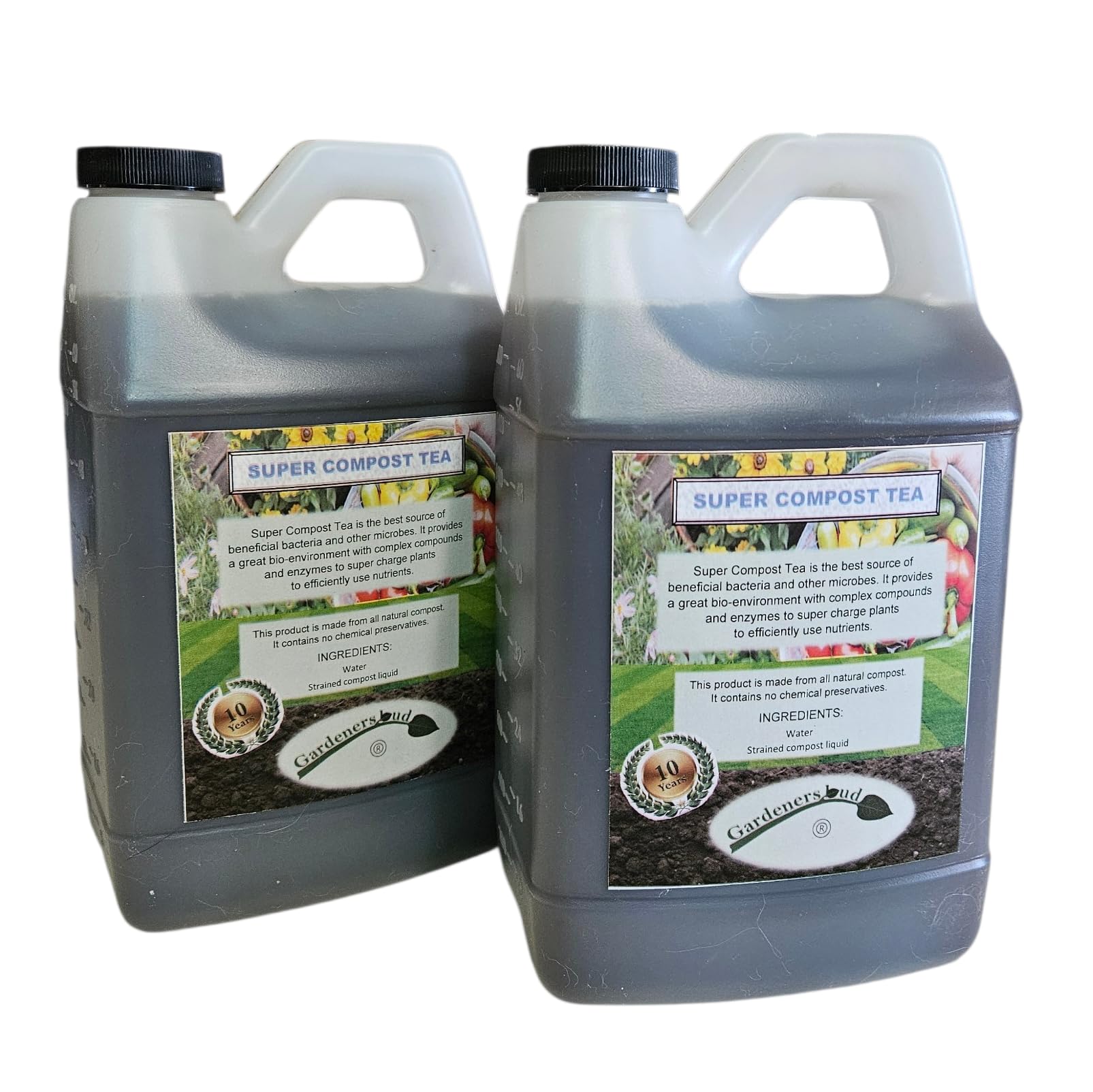
Making basic aerobic compost tea
- Ingredients: mature compost, dechlorinated water, a small sugar source, and an aerator.
- Steps: Steep 1 part compost in 5–10 parts water with aeration for 24–48 hours. Strain and use immediately.
- Application: Foliar spray or soil drench at low concentration. Repeat every 2–4 weeks during active growth.
Using liquid fertilizer safely
- Read the label for N-P-K and recommended rates.
- Dilute as directed. Start at half strength for sensitive plants.
- Apply in early morning or late afternoon to avoid leaf burn.
Note on compost tea vs liquid fertilizer application timing
- Use compost tea on cool, humid days for better microbial survival on leaves.
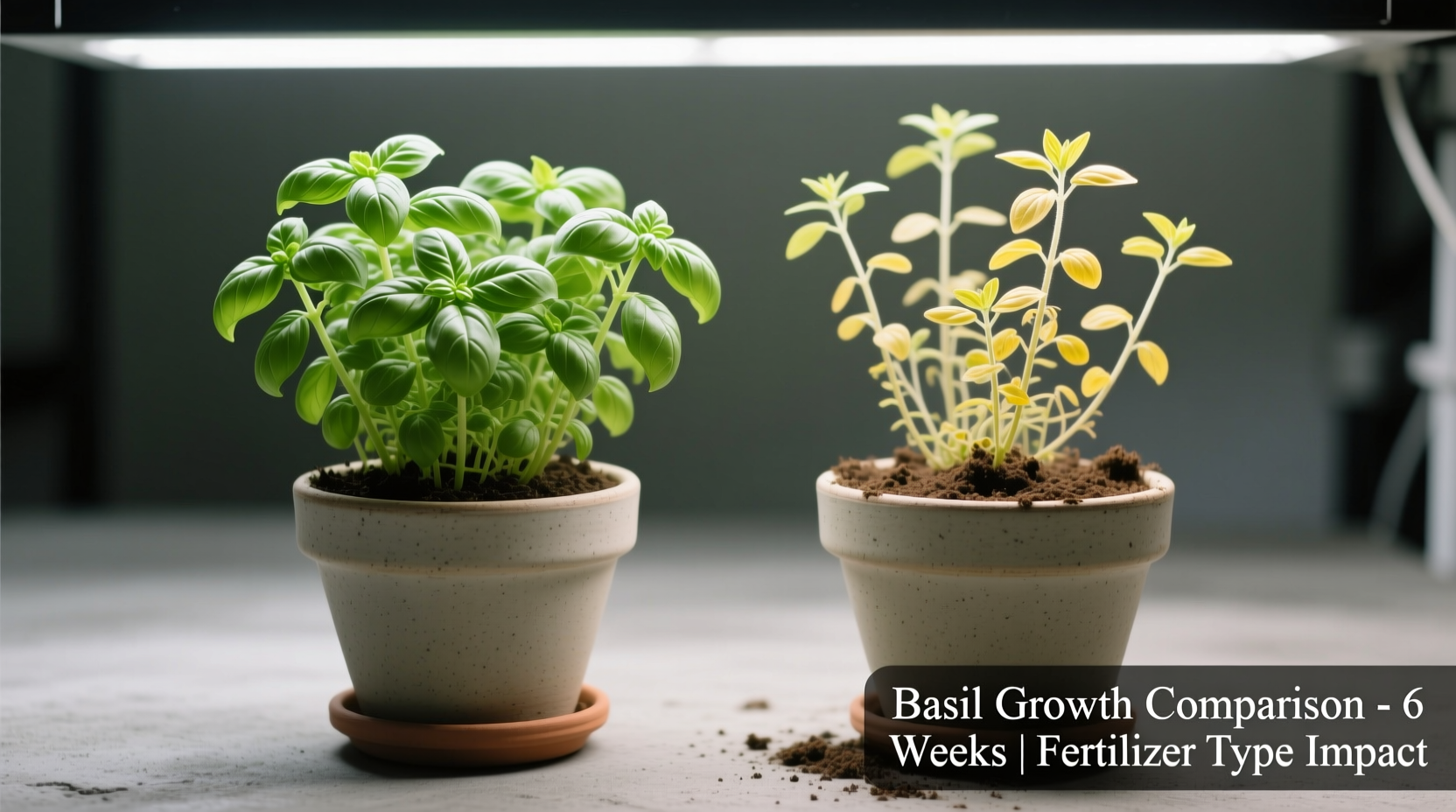
- Use liquid fertilizer when plants show yellowing, slow growth, or during bloom set.
Safety, testing, and storage
Safety matters for both products. Follow these practical safeguards from my lab and garden work.
-
Compost tea safety
- Use well-matured, pathogen-free compost.
- Aerate during brewing to favor beneficial microbes.
- Use brewed tea within 8–12 hours to avoid harmful microbial growth.
-
Liquid fertilizer safety
- Store concentrates in labeled containers away from children and pets.
- Avoid overapplication to prevent nutrient burn and runoff.
- Flush container media in pots occasionally to prevent salt buildup.
Testing and monitoring
- Test soil annually for pH and baseline nutrients.
- Observe plant response for two weeks after any application.
- Keep records of mixes, dates, and outcomes to refine practices.
When weighing compost tea vs liquid fertilizer, consider risks and test results to guide safe use.
Personal experience and practical tips
I’ve made both products for flower beds and vegetable plots for years. Early on I overbrewed compost tea and had a stinky batch that did little good. Lesson learned: shorter aerobic brews and clean tools matter.
What worked well for me
- Use compost tea monthly on beds to boost soil life. Plants were more resilient to drought after a season.
- Use low-dose liquid fertilizer for tomatoes during fruit set. Yields improved within a week.
- Combine both: compost tea to set the stage, liquid fertilizer for key growth windows.
Troubles to avoid
- Don’t assume compost tea will fix a severe nutrient deficiency. Test first.
- Don’t apply liquid fertilizer at full strength to seedlings.
- Keep notes. Small changes in dose or timing show up in plant health.

Practical comparison summary: compost tea vs liquid fertilizer
Use this quick checklist to guide choices.
- Long-term soil health: choose compost tea.
- Immediate nutrient correction: choose liquid fertilizer.
- Organic systems: favor compost tea and organic liquid formulas.
- Container culture: rely more on liquid fertilizer for control.
- Cost and labor: compost tea needs time; liquid fertilizer costs money but is faster.
Frequently Asked Questions of compost tea vs liquid fertilizer
What is better for soil health: compost tea or liquid fertilizer?
Compost tea is better for soil health because it supports microbial life and improves structure. Liquid fertilizer supplies nutrients but does not build microbial communities.
Can compost tea replace liquid fertilizer completely?
Compost tea rarely replaces liquid fertilizer entirely for high-demand crops. It improves soil biology but usually lacks the immediate nutrient punch needed for heavy feeders.
Is compost tea safe to spray on leaves?
Yes, when brewed aerobically and used fresh it can be safe. Avoid spraying on very wet days and ensure compost quality to reduce risk of pathogens.
How often should I apply liquid fertilizer?
Follow label directions, but a common schedule is every 2–4 weeks during active growth at recommended strength. Reduce frequency for mature, slow-growing plants.
Will liquid fertilizer harm soil microbes?
Some synthetic liquid fertilizers can stress soil microbes if overused due to salt buildup. Organic liquid fertilizers tend to be gentler on soil life.
Can I mix compost tea and liquid fertilizer before application?
It’s best to apply separately to avoid chemical or microbial clashes. Split applications—compost tea one week, liquid fertilizer the next—work well.
Conclusion
Choosing between compost tea vs liquid fertilizer comes down to goals. Compost tea builds long-term soil life. Liquid fertilizer gives fast, measurable nutrients. Use compost tea to strengthen the soil and use liquid fertilizer for quick fixes or high-demand stages. My advice: test your soil, start small, and track results so you learn what works for your garden. Try a season of combining both approaches and note how plants respond, then decide which method earns the main spot in your routine. Leave a comment with your experiences or subscribe for more hands-on tips.