Wood Chips Vs Gravel Mulch: Which Is Best For Gardens
Wood chips offer organic benefits; gravel mulch gives long-lasting, low-maintenance ground cover.
I have spent years installing and testing landscape materials for yards, paths, and beds. I write from real experience and research to help you choose between wood chips vs gravel mulch. This guide explains how each works, the pros and cons, costs, installation, plant effects, and which choice fits common garden needs. Read on to make a confident, practical decision for your space.

Wood chips vs gravel mulch: quick comparison and what to expect
Choosing between wood chips vs gravel mulch comes down to goals. Wood chips feed soil and look natural. Gravel mulch lasts longer and sheds water. Both control weeds and define spaces. I will break down performance, care, and edge cases so you can pick the best fit for your garden.

Benefits and drawbacks of wood chips
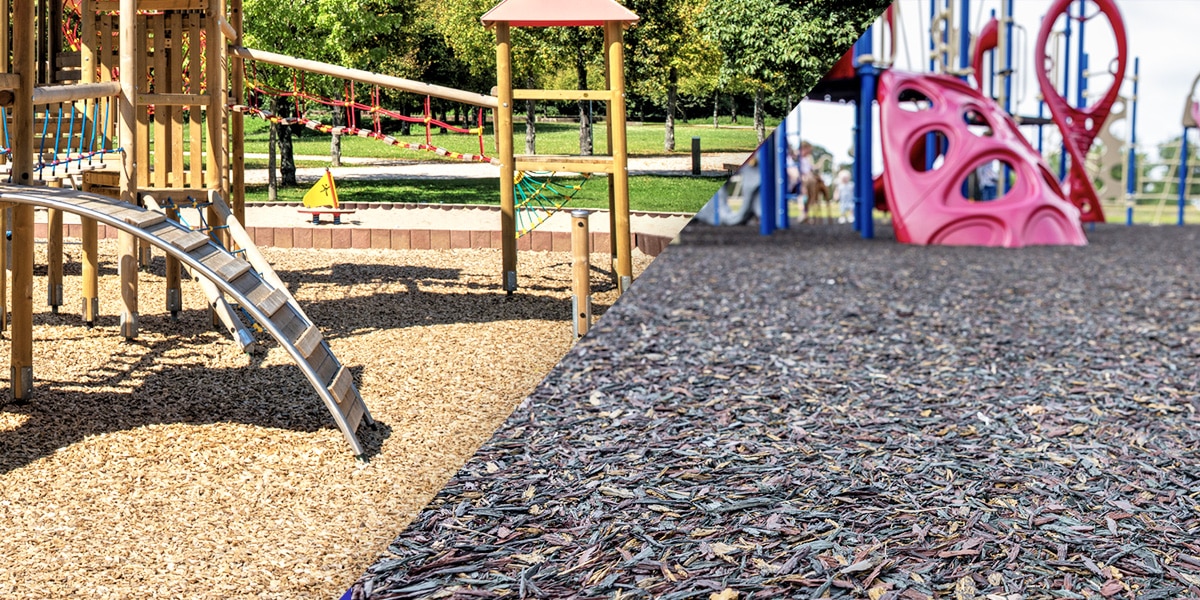
Wood chips are pieces of bark, branches, and wood byproduct. They break down over time. This adds organic matter to soil. That improves soil structure and feeds microbes. Wood chips hold moisture well. They cool roots in summer and reduce watering needs. They also suppress weeds when applied thickly.
Drawbacks of wood chips:
- They decompose and need topping up every 1 to 3 years.
- They can attract wood-boring insects if used against house foundations.
- Fresh wood chips can temporarily tie up nitrogen in soil near plants if not aged.
- They may look less formal than gravel for modern landscapes.
Practical tip: Use aged or composted wood chips around trees and beds to reduce nitrogen drawdown. Keep chips a few inches from plant stems and building foundations.

Benefits and drawbacks of gravel mulch
Gravel mulch is small stones used as a permanent surface. It does not decay. That makes it very low maintenance. Gravel prevents erosion and stands up to foot traffic. It is ideal for dry climates and modern design styles. Gravel also reflects heat and improves drainage on slopes.
Drawbacks of gravel mulch:
- It does not feed soil or improve soil health.
- It can make soil warmer and drier under some conditions.
- It may be noisy to walk on and can shift over time.
- Weeds can grow through unless a good barrier is used.
Practical tip: Use a woven landscape fabric or a 2-inch layer of crushed rock under gravel to suppress weeds and slow mixing into soil.

Side-by-side comparison by key factors
Here I compare wood chips vs gravel mulch across the things homeowners care about. Read these short sections to match material to need.
Moisture and water retention
Wood chips hold moisture. They lower evaporation and keep roots cool.
Gravel mulch sheds water and helps runoff. It dries out faster.
Weed control
Both suppress weeds. Thick wood chips smother seeds. Gravel with fabric blocks weeds best.
Expect some seeds to settle in both over time. Periodic weeding is needed.
Soil health and plants
Wood chips improve soil over time. They add carbon and feed microbes.
Gravel does not add nutrients. Some plants prefer gravel for better drainage.
pH and plant suitability
Wood chips can slightly lower pH as they break down, which helps acid-loving plants.
Gravel is inert and does not change soil pH. It works well for succulents and Mediterranean plants.
Durability and maintenance
Gravel is long lasting and needs little topping up.
Wood chips need replacement every 1–3 years.
Aesthetics and design
Wood chips give a soft, organic look.
Gravel gives a clean, modern or xeriscape look.
Cost and labor
Wood chips are often cheaper if sourced from local arborists.
Gravel has higher upfront cost and installation labor but lower long-term maintenance.

Installation and maintenance: step-by-step
Both materials work well when installed correctly. Follow these steps for durable results.
Preparing the area:
- Remove weeds and debris on the surface.
- Level the soil and slope away from structures.
- Edge the area to keep material contained.
For wood chips:
- Lay a 2 to 4 inch layer for beds and 3 to 6 inches for weed-prone spots.
- Keep chips away from stems and trunks by a few inches.
- Replenish thin spots yearly.
For gravel mulch:
- Lay a 2 to 4 inch layer of compactable base if on paths.
- Install landscape fabric or a geotextile if weed control is a priority.
- Top with 2 inches of gravel for beds, 3 inches for paths.
Maintenance tips:
- Rake gravel to keep it even.
- Replace or top wood chips when they get thin or compacted.
- Pull weeds early before they set seed.

Environmental impact and sustainability
Consider local resources and long-term effects when choosing between wood chips vs gravel mulch. Wood chips are often a byproduct. Using them recycles urban wood and reduces landfill. They boost soil biology and carbon storage in topsoil. Gravel requires mining and transport. That raises embodied energy and carbon footprint. Gravel lasts longer, though, so frequent replacement is not needed. Both choices can be sustainable when sourced thoughtfully.
Practical environmental tip: Ask local tree services for free or cheap aged chips. For gravel, choose locally quarried stone to cut transport impacts.

Cost comparison and budget planning
Short-term and long-term costs differ for wood chips vs gravel mulch. Wood chips cost less initially. They need topping up. Gravel costs more upfront for stone and prep. Gravel saves time and money later because it lasts. Budget for installation, edging, and a weed barrier if you use gravel.
Cost checklist:
- Material price per cubic yard
- Delivery or pickup fees
- Labor for installation
- Future topping up or replacement
Choosing based on garden type and climate
Match material to your garden needs. Use these quick rules.
- For trees and vegetable beds: choose wood chips to feed soil.
- For dry climates and cactus gardens: choose gravel for drainage.
- For high-traffic paths: choose gravel for durability.
- For natural woodland look: wood chips fit best.
- For formal or modern yards: gravel often looks cleaner.
Personal experience and tips from my work
I have installed both materials in many yards. I once used wood chips around a community orchard. The trees thrived and water use dropped. I also installed gravel around a modern home on a slope. It prevented erosion and kept the area tidy for years. Key lessons I learned:
- Never pile wood chips against a building. It traps moisture and invites pests.
- Always use proper edging for both materials to avoid migration.
- Test a small area first. A few months will tell you how a material behaves in your spot.
PAA-style questions
What is the best mulch for moisture retention?
Wood chips are better. They hold water and reduce evaporation.
Does gravel mulch stop weeds completely?
No. Gravel reduces weeds, but a fabric barrier and periodic weeding are still needed.
Will wood chips harm my plants?
Fresh chips can tie up nitrogen near roots. Use aged chips or add a thin compost layer to avoid issues.
Frequently Asked Questions of wood chips vs gravel mulch
What is the main difference between wood chips and gravel mulch?
The main difference is organic content. Wood chips are organic and break down to enrich soil. Gravel is inorganic and does not decompose.
How thick should I lay wood chips or gravel mulch?
Lay wood chips 2 to 4 inches for beds. Use gravel 2 to 3 inches for beds and 3 inches for paths.
Can I mix wood chips and gravel mulch?
Yes. Use gravel for borders or paths and wood chips in planting beds. Mixing can balance drainage and soil improvement.
Will wood chips attract pests?
Unaged chips near structures can attract pests. Use aged chips and keep them away from foundations to reduce risk.
Which is better for drought-prone areas?
Gravel works well in hot, dry climates for low water use. Wood chips also help conserve moisture but can need more frequent replenishment.
How often do I need to replace each type?
Wood chips usually need topping every 1 to 3 years. Gravel can last a decade or more with little maintenance.
Are there plants that dislike gravel mulch?
Yes. Plants that need consistent moisture and humus may not thrive on gravel. Consider plant needs before choosing gravel.
Conclusion
Choosing between wood chips vs gravel mulch comes down to goals, budget, and garden needs. Wood chips build soil and save water. Gravel is durable and low-maintenance. Use the checks and tips above to match material to your project. Try a small test run if you are unsure, and plan for edging and maintenance from the start. Pick the option that fits your landscape style and long-term care plan, then install it confidently and watch your garden thrive.
End by trying a patch this season, sharing your results, or asking questions below.