Perlite Vs Vermiculite: Which Is Best For Your Garden
Perlite vs vermiculite: choose perlite for drainage, vermiculite for moisture and nutrients.
I’ve worked with soils and potting mixes for years, and I’ll guide you through perlite vs vermiculite with clear, practical advice you can use today. This article explains what each amendment is, how they work, their pros and cons, and which to pick for seed starting, containers, and soil improvement. Expect real-world tips, common mistakes, and simple recipes so you can decide confidently between perlite vs vermiculite.
What are perlite and vermiculite?
Perlite and vermiculite are lightweight mineral soil amendments. Both help potting mixes, but they behave very differently.
Perlite
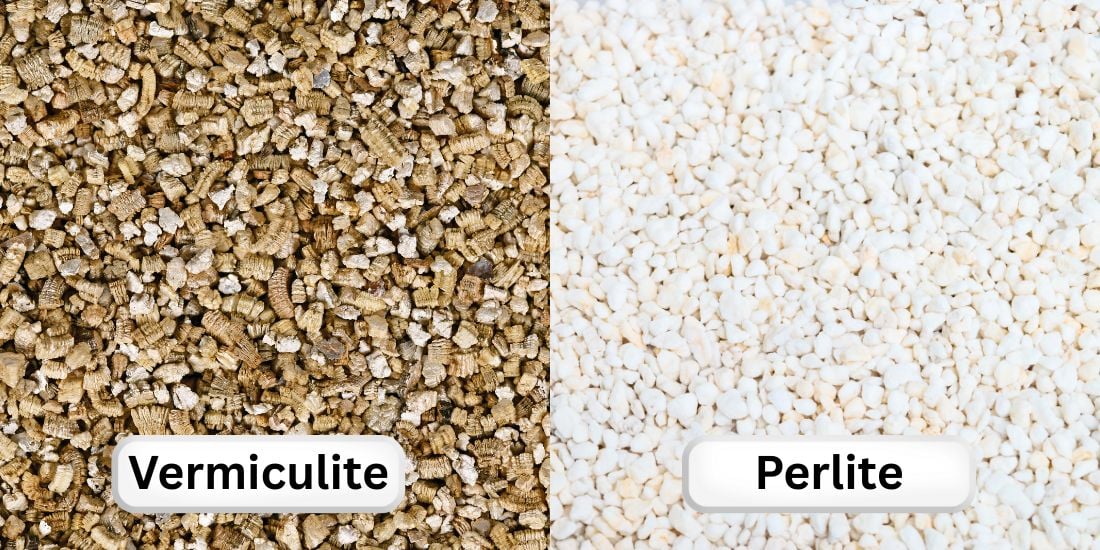
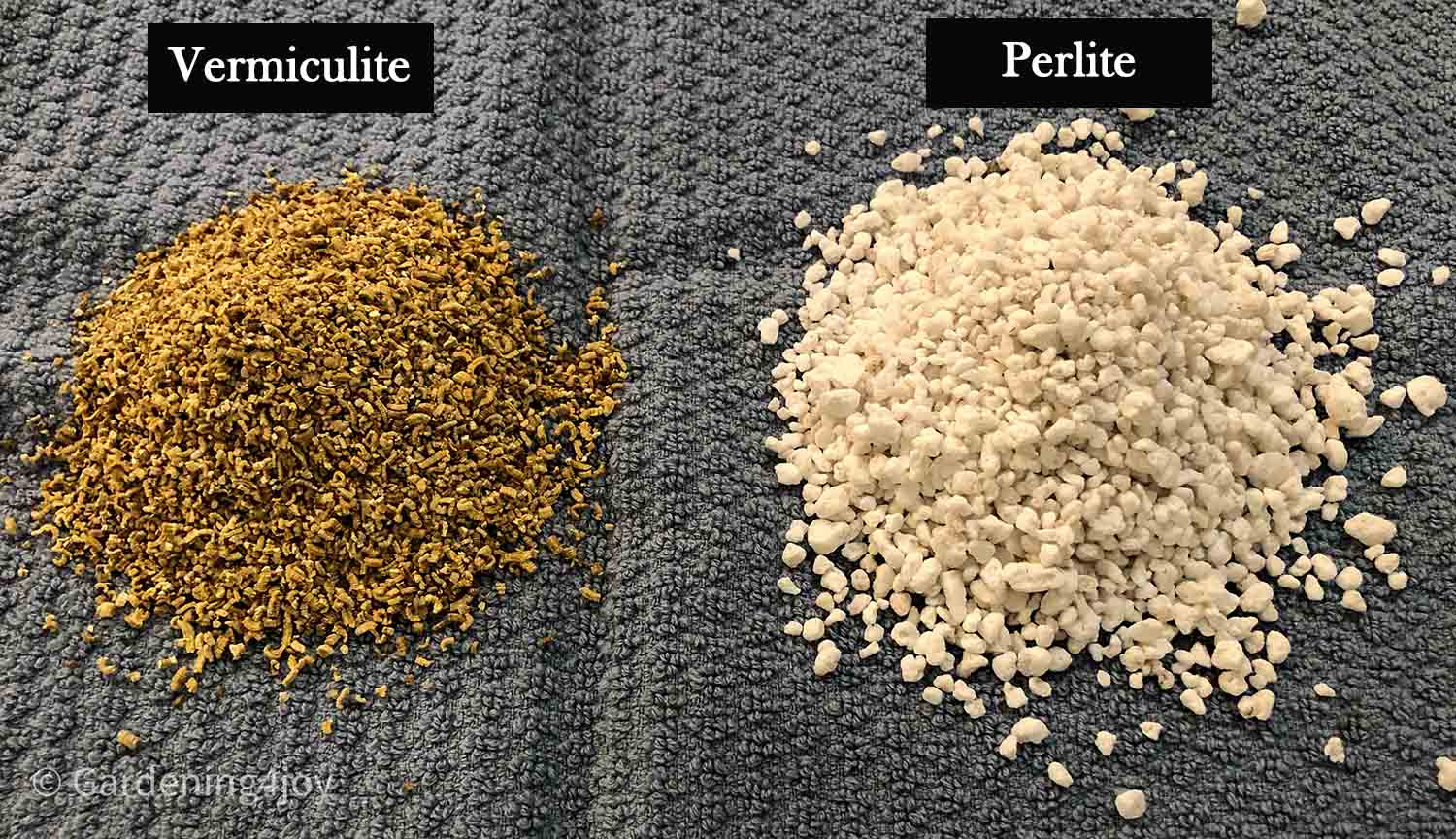
- Perlite is a white, porous volcanic glass.
- It expands when heated and stays inert in soil.
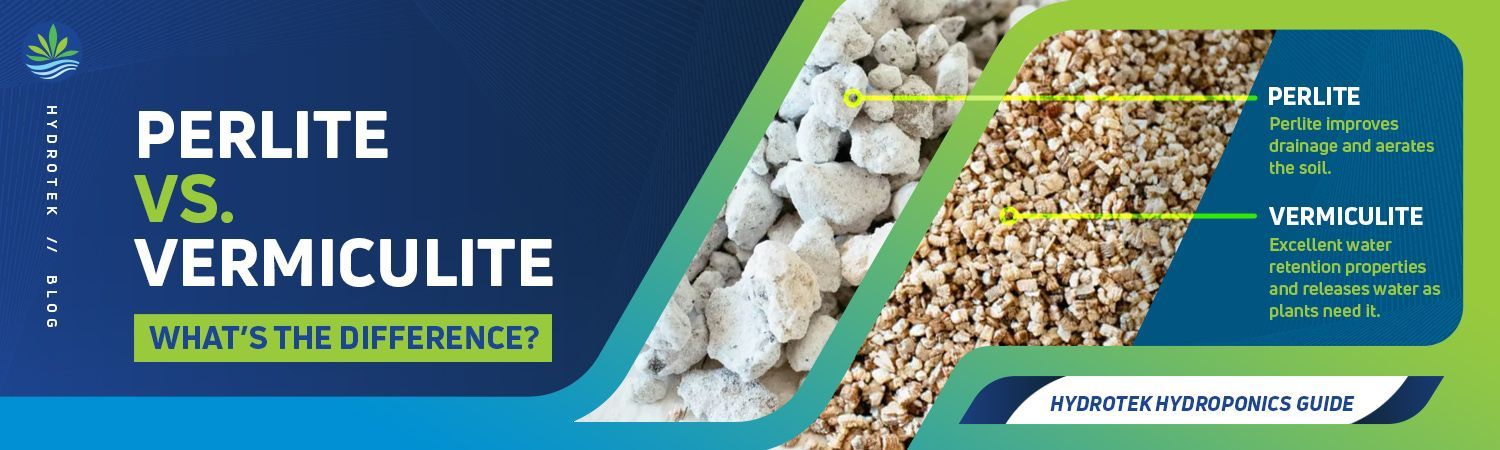
- It improves air space and drainage.
Vermiculite
- Vermiculite is a brownish, layered mineral that expands with heat.
- It holds water and some nutrients in its layers.
- It improves moisture retention and cation exchange.
I use perlite when roots need air. I use vermiculite when seeds or seedlings need steady moisture. Understanding these basics helps you pick the right amendment for each task.
Key differences: perlite vs vermiculite
Below are the main differences you’ll notice in a garden or pot.
Physical properties
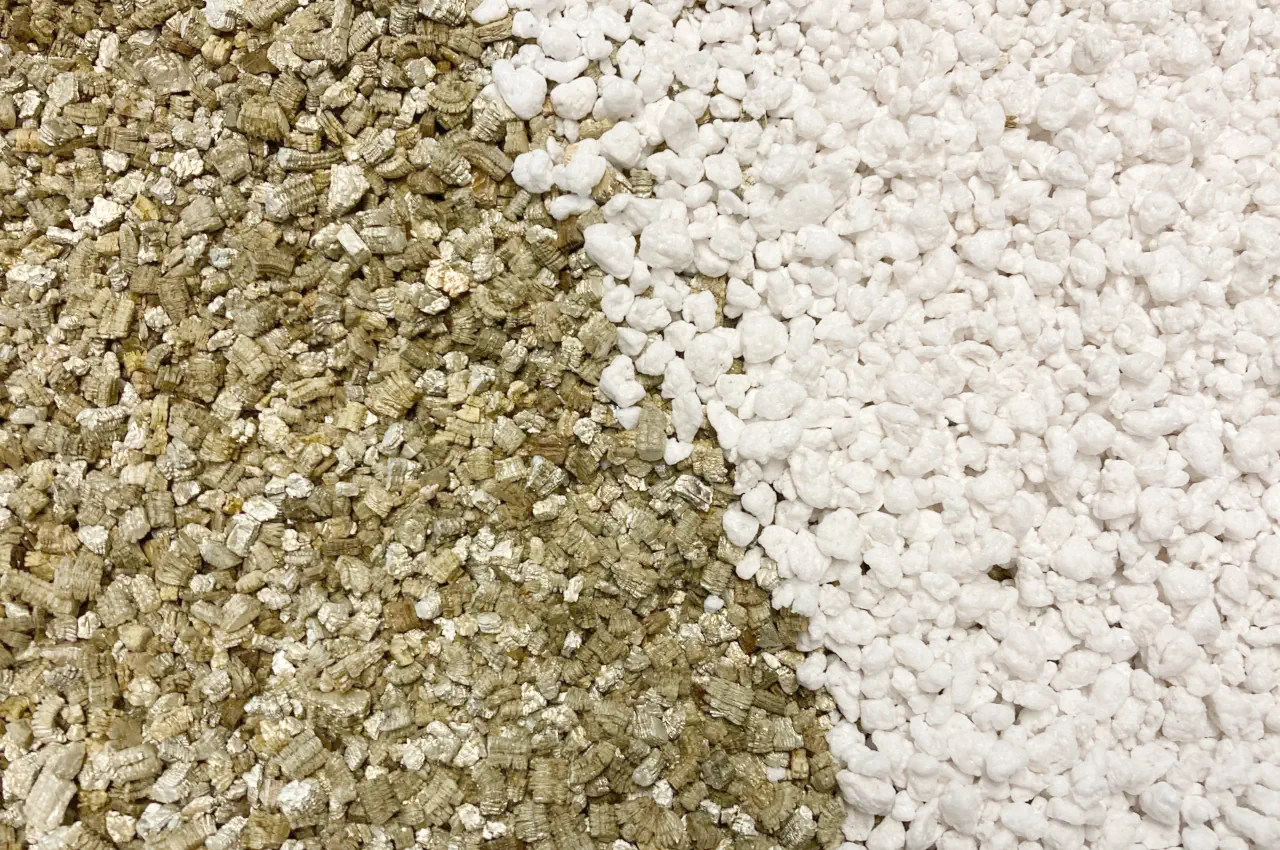
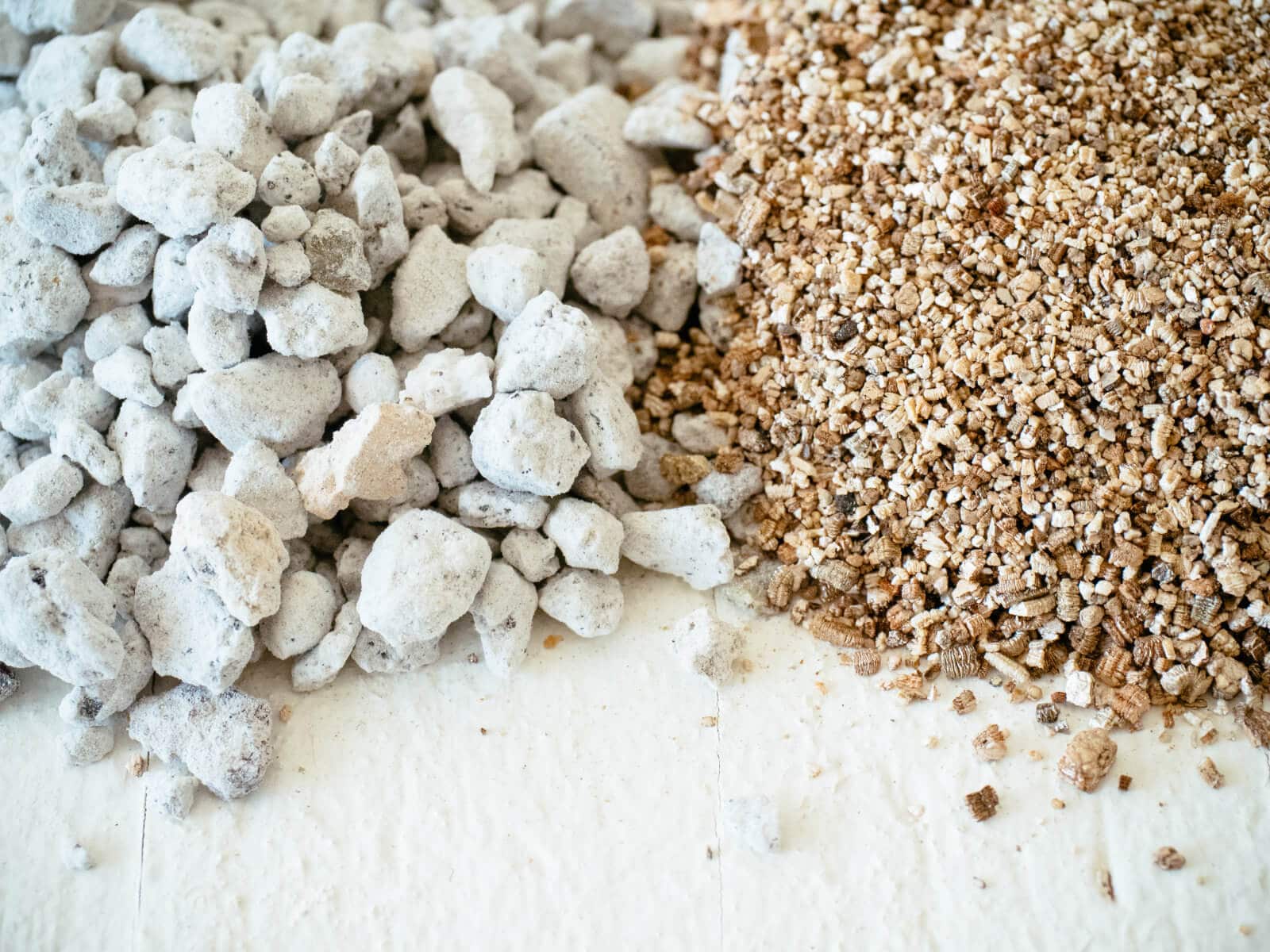
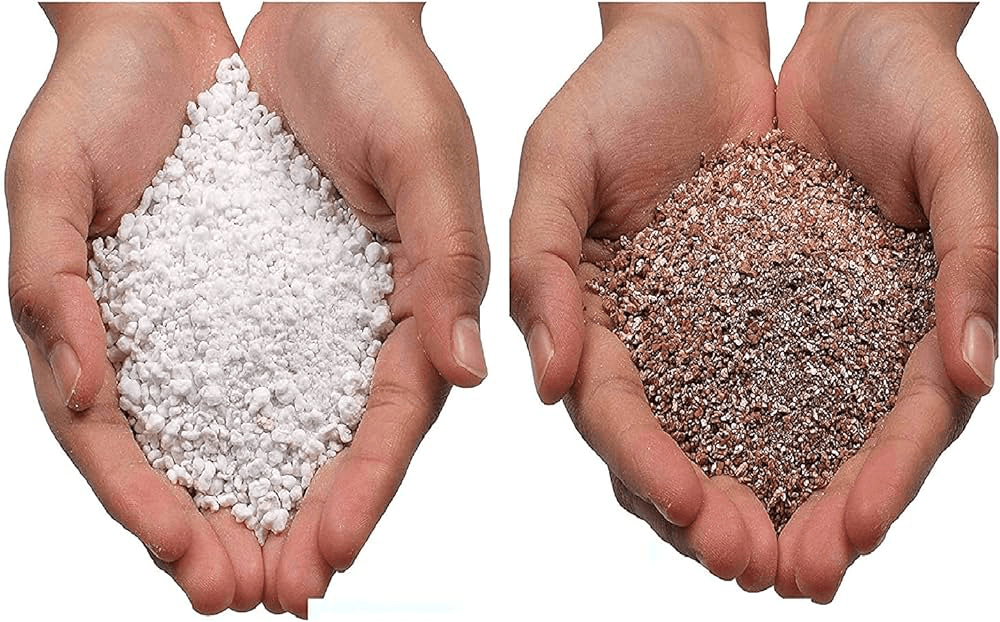
- Perlite is crunchy, white, and lightweight.
- Vermiculite is soft, sponge-like, and darker.
- Perlite adds air pockets. Vermiculite holds water.
Water and drainage
- Perlite drains fast and reduces compaction.
- Vermiculite retains moisture and releases it slowly.
- For thirsty plants use vermiculite; for drought-prone roots use perlite.
Nutrient behavior
- Perlite is chemically inert and stores little nutrient.
- Vermiculite has some cation exchange capacity and can hold nutrients.
- Vermiculite can help weak seedlings access stored fertilizer.
pH and stability
- Both are near neutral in pH and stable long-term.
- Perlite floats to the top if overwatered in pots.
- Vermiculite may break down slightly over many years.
Practical takeaway: perlite vs vermiculite comes down to air vs moisture. Choose perlite when drainage and aeration matter. Choose vermiculite when you need steady moisture and mild nutrient holding.
How to choose: when to use perlite or vermiculite
Here are common scenarios and which amendment fits best.
Seed starting
- Use vermiculite or a mix with vermiculite for even moisture and gentle hydration.
- Vermiculite helps tiny seeds stay moist without rotting.
Cuttings and propagation
- Use perlite or a perlite mix for cuttings that need oxygen at the base.
- Perlite helps roots form without waterlogging.
Container gardening
- Use perlite in mixes for succulents, cacti, and plants that need fast draining soil.
- Use vermiculite for tropical houseplants that like steady humidity.
Raised beds and soil amendment
- Use perlite to lighten heavy clay and improve drainage.
- Use vermiculite where water retention is low, such as sandy soils.
My practice: for most mixed pots I use a ratio of two parts potting soil, one part perlite, and one part vermiculite. That gives both air and moisture balance. Try small tests before changing a whole bed.
Mixing and usage tips
Simple recipes and handling tips from hands-on experience.
Basic mixes
- Seed mix: 1 part peat or coir, 1 part vermiculite.
- Cactus mix: 2 parts potting soil, 1 part perlite.
- All-purpose potting mix: 2 parts potting soil, 1 part perlite, 1 part vermiculite.
Application tips
- Wear a mask when handling perlite dust to avoid breathing fine particles.
- Moisten vermiculite before use to reduce dust and help even mixing.
- Don’t overuse perlite; too much can dry roots quickly.
Mixing mistakes to avoid
- Using only perlite for seedlings leads to rapid drying and poor germination.
- Using only vermiculite for succulents causes root rot.
- Adding garden soil directly to pots without amendment leads to compaction.
Personal lesson: I once used pure perlite for seed trays. Most seeds struggled because the mix dried too fast. After switching to a vermiculite blend, germination improved dramatically.
Environmental and safety considerations
Both perlite and vermiculite are mined minerals with environmental impacts. Make choices that balance performance and sustainability.
Sourcing and footprint
- Both require mining and processing.
- Buy from suppliers who use responsible mining and reclamation practices when possible.
- Consider local availability to reduce shipping impact.
Health and safety
- Perlite dust can irritate lungs. Use a dust mask when mixing.
- Vermiculite may contain trace asbestos if sourced from certain old mines; buy tested, asbestos-free product.
- Store both dry and sealed to avoid contamination.
Disposal and reuse
- Both can be reused in pots if rinsed and sterilized between uses.
- Composting small amounts is fine; larger quantities should be disposed of per local guidelines.
I audit labels and ask suppliers about testing. That helped me avoid older vermiculite sources with risk. Safety first.
Perlite vs vermiculite: pros and cons comparison
Quick view to help you decide fast.
Perlite pros
- Great drainage and aeration.
- Lightweight and long-lasting.
- Inert and stable.
Perlite cons
- Holds little water or nutrients.
- Can float in overwatered pots.
- Dusty when dry.
Vermiculite pros
- Holds moisture and nutrients well.
- Gentle on seeds and seedlings.
- Helps nutrient exchange.
Vermiculite cons
- Can compact more than perlite over time.
- Not ideal for plants that require very fast drainage.
- Source verification needed to avoid asbestos risk.

Real-life examples and case studies
I’ll share two short, practical examples I’ve used.
Example 1: Seed tray success
- Problem: slow, spotty germination.
- Solution: replace pots with a mix of coir and vermiculite.
- Result: faster, more uniform sprouting and easier transplanting.
Example 2: Container drainage fix
- Problem: potted philodendron stayed too wet.
- Solution: mixed the potting soil with 25% perlite.
- Result: roots stopped rotting and the plant recovered.
These simple swaps reflect the real difference between perlite vs vermiculite in action.
:max_bytes(150000):strip_icc()/SPR-vermiculite-vs-perlite-6455754-hero-1a2d3e14e0584fbaa4a990ebef1d494b.jpg)
Frequently Asked Questions of perlite vs vermiculite
What is the main difference between perlite and vermiculite?
Perlite provides air and drainage while vermiculite holds water and some nutrients. Use perlite for aeration and vermiculite for moisture retention.
Can I mix perlite and vermiculite together?
Yes. Mixing both balances drainage and water retention and suits many container plants. A common mix is two parts potting soil, one part perlite, one part vermiculite.
Is vermiculite better for seeds than perlite?
Vermiculite is often better for seeds because it keeps moisture evenly available. Perlite alone can dry out tiny seeds too quickly.
Does perlite improve soil drainage in garden beds?
Perlite can help loosen heavy soils but large-scale use can be costly; organic matter is often a better first step. Use perlite for potting mixes and targeted amendments.
Are there health risks using perlite or vermiculite?
Perlite dust can irritate the lungs if inhaled, so wear a mask when mixing. Vermiculite should be tested or sourced from tested suppliers to avoid asbestos concerns.
How much perlite or vermiculite should I add to potting soil?
Start with 10–30% by volume depending on the plant. Succulents need more perlite; seedlings need more vermiculite.
Conclusion
Perlite vs vermiculite is not a competition. They are complementary tools. Use perlite to boost aeration and drainage. Use vermiculite to hold moisture and help seedlings. Test mixes in small batches and adjust by plant needs. Try my simple all-purpose mix: two parts potting soil, one part perlite, one part vermiculite to get balanced results.
Take action: experiment with small pots this season. Note the results and tweak ratios for each plant. If this guide helped you, subscribe, comment with your mix ratios, or try one of the recipes shared here.