Terracotta Pots Vs Plastic Pots: Best Choice For Plants
Terracotta wicks moisture and breathes; plastic holds water, is light, and lasts longer.
I’ve spent years testing pots in sun, shade, and small balconies. I know how terracotta pots vs plastic pots perform in real life. This guide breaks down the science, pros and cons, plant matches, care tips, and environmental costs. Read on to pick the best pot for your plants and your space.
How terracotta pots vs plastic pots differ
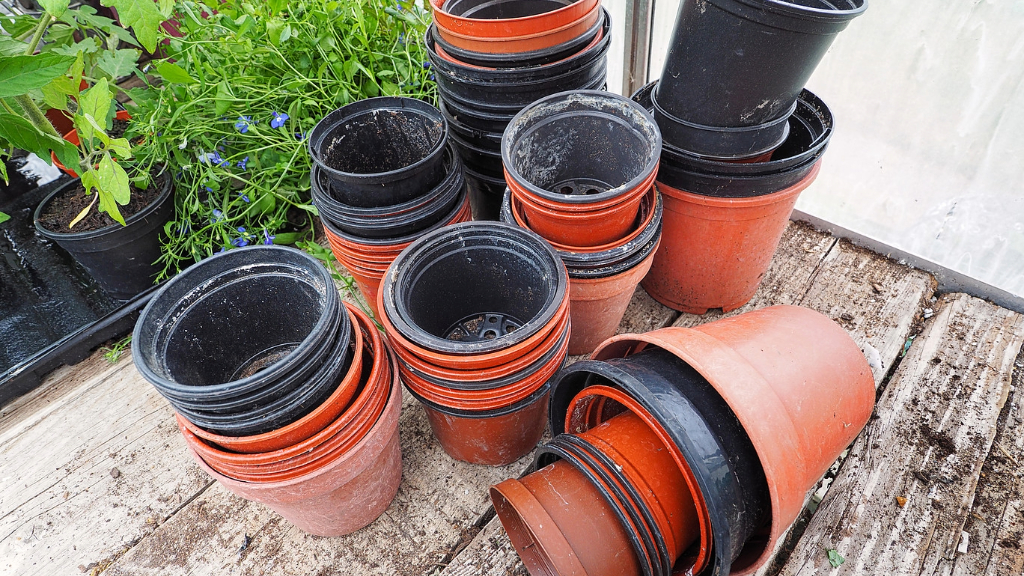
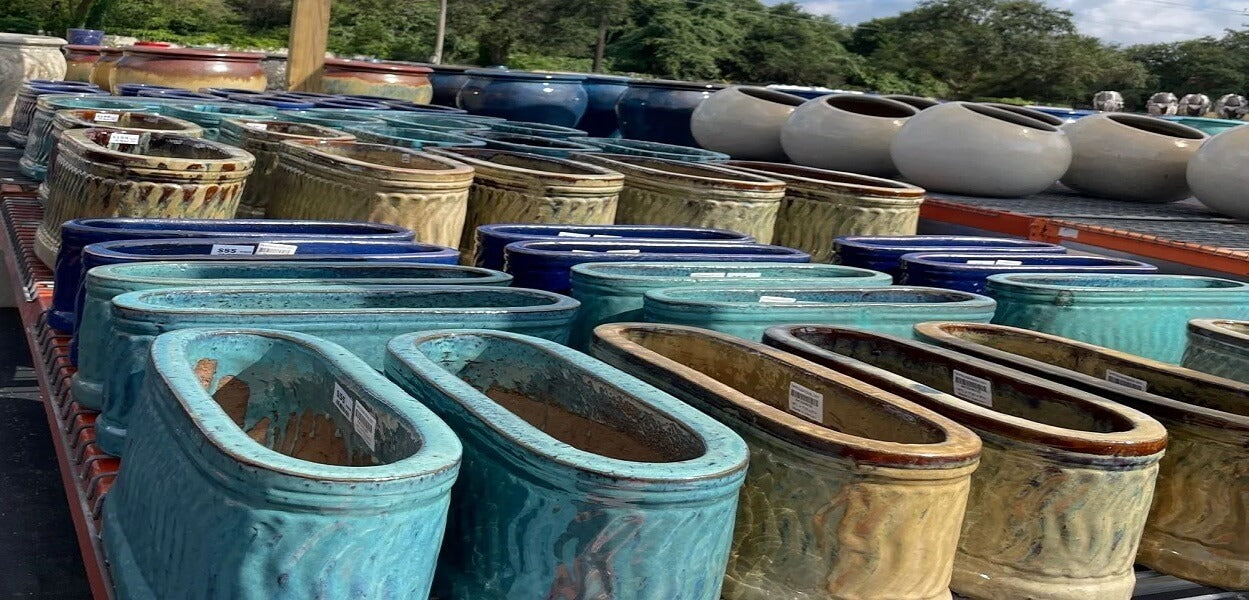
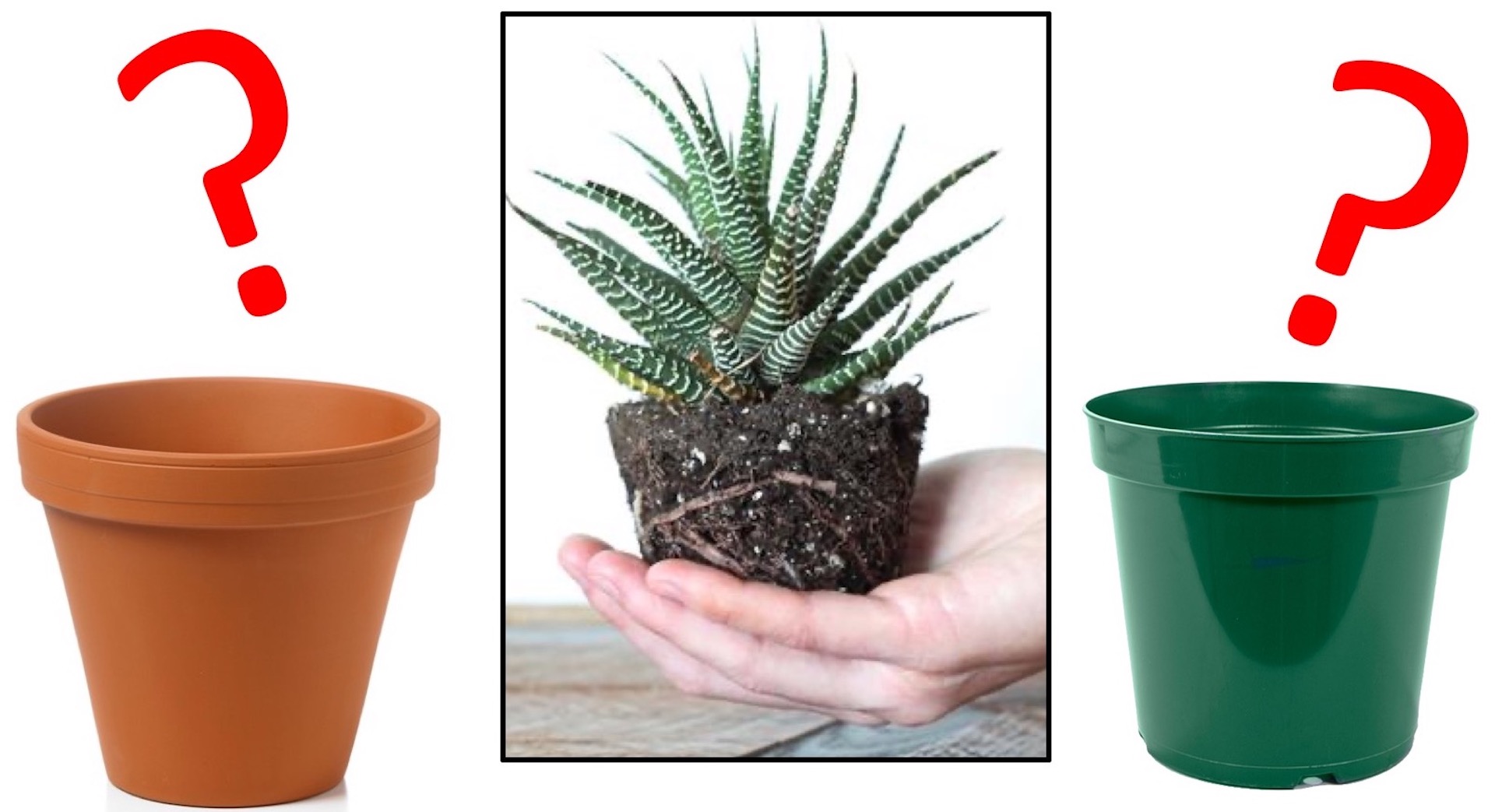
Terracotta pots are made from fired clay. They are porous and let air and moisture pass through the sides. Plastic pots are made from various polymers. They are nonporous and hold moisture longer.
Key practical differences:
- Porosity and breathability affect root oxygen and water loss.
- Weight changes handling and stability in wind.
- Thermal behavior affects root temperature in sun and cold.
- Durability and lifespan vary by material and exposure.
Understanding these basics makes the terracotta pots vs plastic pots choice simple. I’ll show you where each option shines and where it struggles.

Advantages of terracotta pots
Terracotta pots offer several benefits for many plants.
- Natural breathability improves root oxygen and reduces root rot.
- Moisture wicking prevents overwatering for succulents and herbs.
- Classic look fits indoor decor and rustic gardens.
- Heavy weight gives stability to top-heavy plants in wind.
Practical notes from my experience:
- I used terracotta for rosemary and aloe. They thrived because the soil dried evenly.
- In hot, dry climates terracotta can help roots cool during the day.
- Expect chips or cracks if dropped or left in freezing weather.
Terracotta wins if you want good airflow, rustic style, and natural moisture control.

Advantages of plastic pots
Plastic pots also bring many strong points.
- Lightweight makes moving and repotting easy.
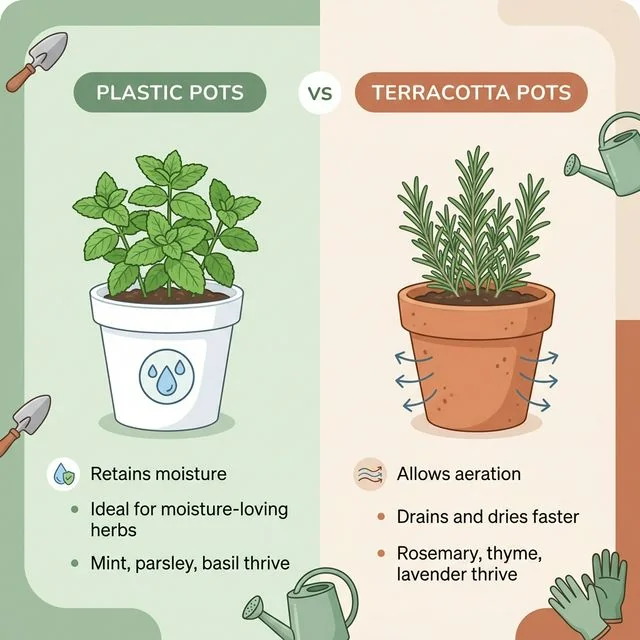
- Retains moisture longer, which helps thirsty plants.
- Often cheaper and available in many colors and shapes.
- Unbreakable in normal use and resistant to frost.
Hands-on insights:
- I used plastic for shade-loving ferns and peace lilies that need steady moisture.
- Plastic pots can save water in dry seasons or for forgetful plant keepers.
- They are great for seedlings and temporary potting because they are cheap and light.
Plastic wins for mobility, moisture retention, and budget-friendly options.
Drawbacks and limitations
No pot is perfect. Both types have clear trade-offs.
- Terracotta can dry out too fast in heat or for thirsty plants.
- Terracotta is heavier and can crack in frost or if dropped.
- Plastic can over-retain water and cause root rot in poor-draining soils.
- Plastic may degrade under UV light over years and can look cheap.
Environmental and aesthetic trade-offs matter too. Use terracotta for style and breathability. Use plastic for cost and water conservation.

Which plants prefer terracotta pots vs plastic pots
Match pot type to plant needs.
- Terracotta is best for succulents, cacti, Mediterranean herbs, and drought-tolerant plants.
- Plastic suits tropical plants, ferns, begonias, and vegetables that need steady moisture.
- For seedlings, use plastic trays or small pots for moisture control and cost savings.
- For large, heavy shrubs, terracotta amps stability; for movable balcony planters, plastic is easier.
Personal tip: I moved succulents into terracotta and saw fewer mushy stems. I switched ferns to plastic and they stayed greener longer.
Watering, soil, and drainage tips
How you water matters more than the pot alone.
- Use well-draining soil for terracotta to avoid excessive leaching.
- Add a layer of coarse grit or pot shards to help drainage if needed.
- For plastic, monitor soil moisture with a finger or meter to avoid overwatering.
- Ensure every pot has drainage holes to prevent standing water.
Simple rule: match watering frequency to pot type. Terracotta needs more frequent checks. Plastic needs more caution against overwatering.

Climate, seasons, and temperature effects
Climate changes the equation for terracotta pots vs plastic pots.
- In hot sun, terracotta can cool roots by evaporative cooling. But it dries fast.
- In cold climates, terracotta can crack if waterlogged and frozen.
- Plastic retains heat under sun and may overheat roots in small containers.
- Indoors, both work well; watch for dry indoor heat with terracotta.
If you live where temperatures fall below freezing, consider insulating terracotta or using frost-resistant varieties. If you live in a dry desert, plastic may help preserve moisture for sensitive plants.
Environmental impact and sustainability
Think beyond cost and aesthetics.
- Terracotta is made from natural clay and is inert. It is biodegradable but mining clay has an environmental cost.
- Plastic pots are made from fossil fuels and can leach additives. They may be recyclable in some systems.
- Reusing and repurposing both types lowers impact. Long-lived plastic can be better than single-use terracotta.
- Consider secondhand pots, pot-sharing, or durable recycled plastics.
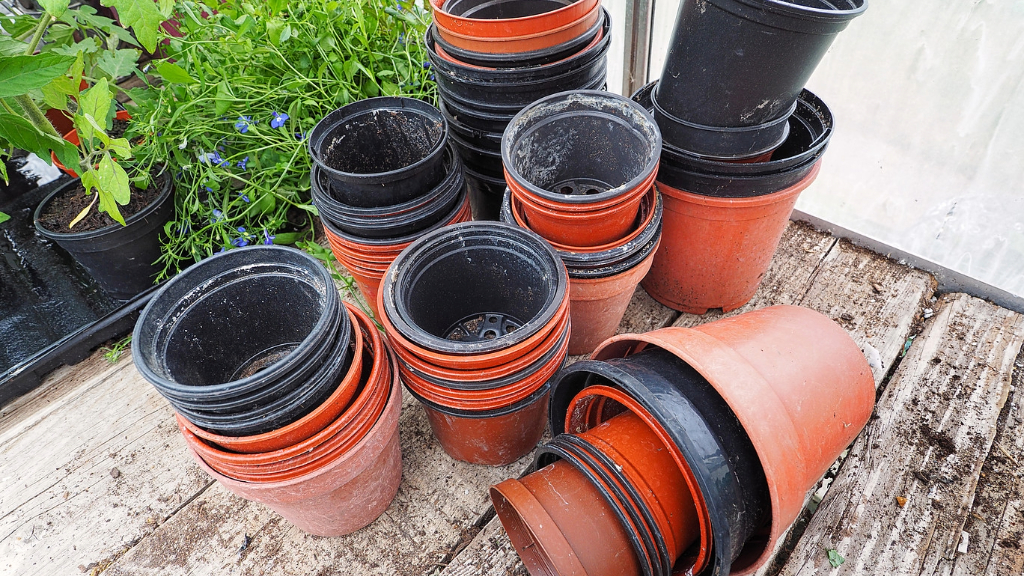
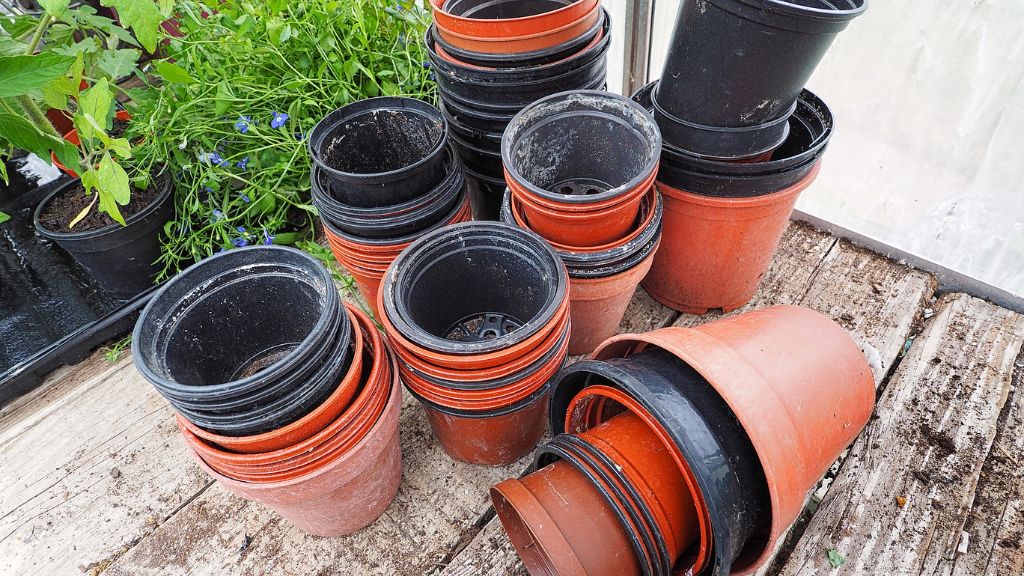
From my garden work, I now keep a mix. I reuse old plastic pots for nursery work and keep terracotta for display plants.
Buying guide and what to look for
Simple checklist when shopping:
- Check drainage holes and size for the plant’s root mass.
- Look for frost-resistant terracotta if you plan outdoor winter use.
- Choose thicker-walled plastic for outdoor UV resistance and durability.
- Inspect glaze or coating: unglazed terracotta breathes; glazed does not.
- Consider pot feet or saucers to prevent sitting in water.
Budget tip: buy plastic for propagation and terracotta for mature, display plants.
Practical maintenance tips and mistakes to avoid
Keep plants healthy with these easy habits.
- Mistake: overwatering in plastic pots because they retain water. Fix: check soil before watering.
- Mistake: leaving terracotta in standing water in winter. Fix: bring indoors or insulate.
- Clean pots before repotting to avoid disease transfer.
- Use potting mix suited to the plant and pot type.
- Mark pots with plant names and last watering to track needs.
From my failures: I once lost basil in a terracotta pot because I forgot to water daily in heat. Now I set reminders.
Cost comparison and long-term value
Short-term and long-term costs differ.
- Terracotta is often pricier per piece and may break, raising replacement cost.
- Plastic is cheap up front and lasts if UV-treated, so cost per year can be low.
- Factor in water use: plastic can save water bills in drought-prone areas.
- Factor in aesthetics and resale: terracotta can add perceived value to plants.
My rule: weigh upfront price against expected lifespan and the plant’s water needs.
Quick decision matrix: when to choose which
Use this quick guide:
- Choose terracotta if you want airflow, classic look, and are growing drought-tolerant plants.
- Choose plastic if you need light weight, moisture retention, or low cost.
- Mix both types in the same space to gain the best of both worlds.
I mix pots in my balcony garden. The mix keeps watering flexible and plants happy.
Frequently Asked Questions of terracotta pots vs plastic pots
Are terracotta pots better for succulents than plastic pots?
Yes. Terracotta wicks moisture and dries the soil faster, which suits succulents. Plastic can hold too much moisture and increase rot risk.
Can plastic pots cause root overheating in summer?
They can if exposed to full sun and if the pot is dark. Use light-colored plastic or shade the pot to reduce heat.
Do terracotta pots break easily in winter?
Terracotta can crack if waterlogged and frozen. To avoid this, empty excess water and bring pots indoors or use frost-resistant terracotta.
Is one option more eco-friendly for long-term use?
It depends. Terracotta is natural but energy-intensive to produce; durable plastic reused many times can lower overall impact. Reuse and recycling matter most.
How often should I repot when using terracotta pots vs plastic pots?
Repotting depends on plant growth, not just pot material. Check roots every 1–2 years for fast growers and 2–3 years for slow growers.
Will glazed terracotta act like plastic?
Yes. Glazed terracotta is less porous and behaves more like plastic in terms of moisture retention.
Can I paint plastic pots safely for indoor use?
Yes, with non-toxic paint rated for plastics. Clean and prime the surface for best adhesion.
Conclusion
Choosing between terracotta pots vs plastic pots comes down to plant needs, climate, style, and care habits. Terracotta breathes and suits drought-tolerant plants. Plastic saves water, is light, and is budget-friendly. Try both in your space to learn what works best.
Takeaway: match the pot to the plant and your routine. Start small, observe how soil and roots behave, and adjust your choice next season. Share your pot wins or questions below, subscribe for more plant tips, or try a new pot type on your next repot.