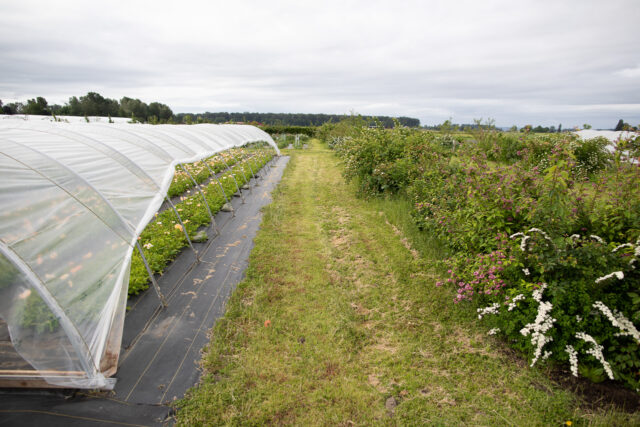
Mixed Hedgerow Vs Single Species Hedge: Best Choice Guide
Mixed hedgerows beat single species hedges for biodiversity, resilience, and seasonal interest.
I have planted, pruned, and managed both mixed hedgerows and single species hedges for years on small farms and gardens. This guide on mixed hedgerow vs single species hedge draws on hands-on experience and practical research. Read on for clear comparisons, planting steps, maintenance tips, and a simple decision guide to pick the right hedge for your land.
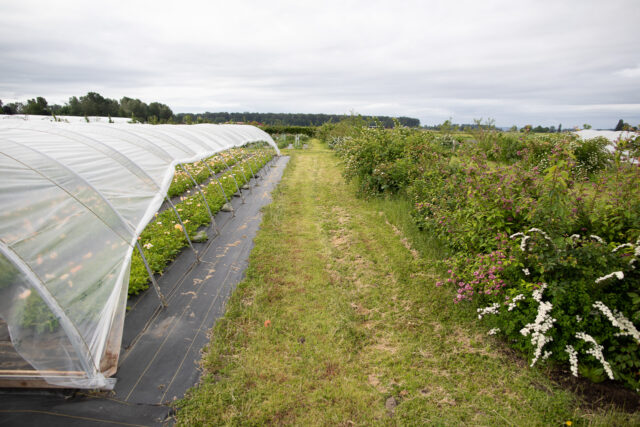
Why choose mixed hedgerow vs single species hedge?
A mixed hedgerow is a line of several shrub or tree species planted together. A single species hedge is built from one plant type repeated along a line. The phrase mixed hedgerow vs single species hedge sums up the key choice: diversity versus uniformity.
Mixed hedgerow vs single species hedge matters for wildlife, soil health, and long-term care. Mixed hedgerows supply berries, nectar, and shelter across seasons. Single species hedges give a neat look and simple maintenance. Which is best depends on your goals, space, and local pests.
-
Benefits of mixed hedgerow vs single species hedge
-
Mixed hedgerow offers greater biodiversity and food for wildlife.
-
Mixed hedgerow tends to resist pests and disease better.
-
Mixed hedgerow gives year-round interest and structure.
-
Benefits of single species hedge
-
Single species hedge is quick to establish a uniform screen.
-
Single species hedge simplifies pruning and training.
-
Single species hedge can be cheaper upfront if bought in bulk.
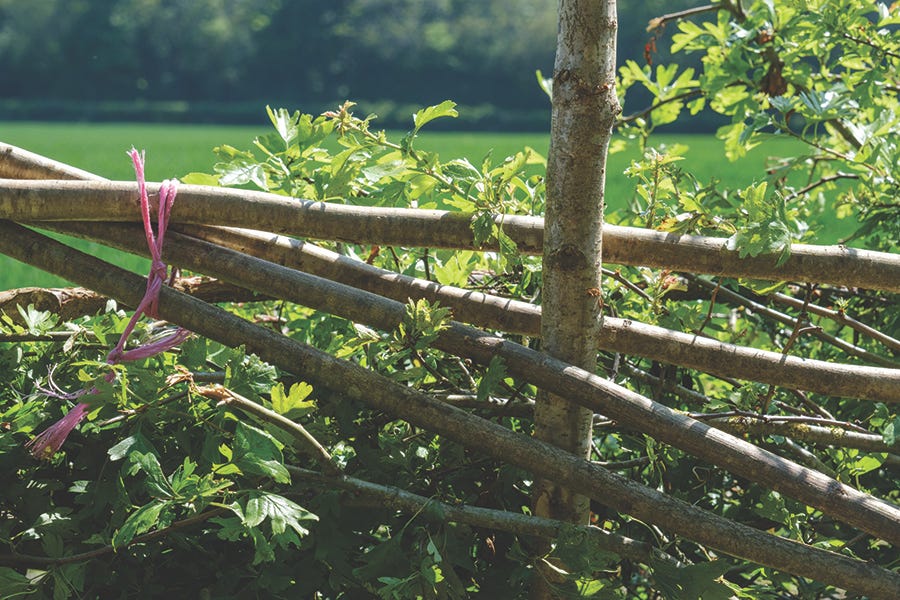
Biodiversity, wildlife, and ecosystem services
Mixed hedgerow vs single species hedge shows clear wins for nature. Mixed hedgerows feed more types of birds, bees, and insects. Different species flower and fruit at different times. That spreads food through spring, summer, and autumn.
Mixed hedgerow roots bind soil and improve water infiltration. A mix of deep and shallow roots builds better soil structure. Single species hedge can be useful where you need a tidy barrier, but it gives less habitat variety. From my experience, birds start using mixed lines in the second year and insect numbers rise fast.
- Wildlife value of mixed hedgerow vs single species hedge
- More nesting sites from layered plants.
- More nectar and pollen through long seasons.
- Better corridors for small mammals and pollinators.
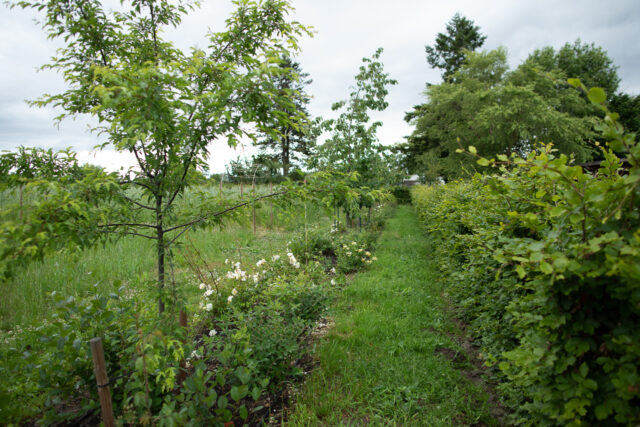
Practical considerations: planting, maintenance, and cost
Planting a mixed hedgerow vs single species hedge takes different plans. Plan species, spacing, and soil needs first. For mixed hedgerows, use about five to seven common species for each 100 feet to ensure variety.
Maintenance for mixed hedgerow vs single species hedge differs. Mixed hedgerows need diverse pruning timings. Some shrubs can be coppiced, others trimmed lightly each year. Single species hedge often follows one pruning rhythm. That can save time but raises the risk if disease hits that one plant type.
Cost and time for mixed hedgerow vs single species hedge
- Initial cost: mixed hedgerow may cost more if you buy many species.
- Long term: mixed hedgerow often reduces replacement costs.
- Labor: single species hedge can require less varied knowledge.
From my projects, planting a mixed hedgerow took more planning. It repaid effort with lower losses to pests. I once lost a whole single species hedge to a local blight. That taught me the value of variety.
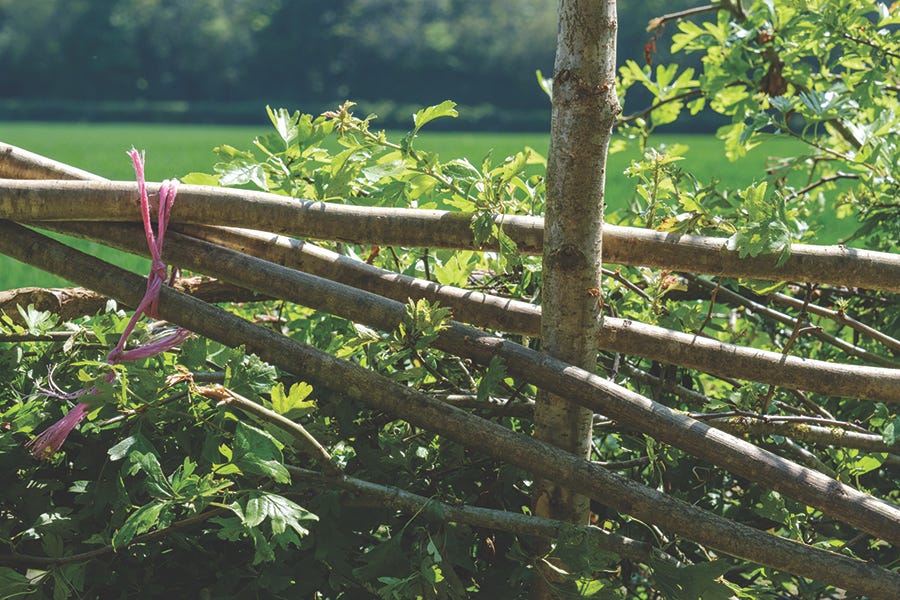
Design and aesthetics
Mixed hedgerow vs single species hedge offers different looks. A mixed hedgerow can feel wild and layered. It shows color shifts across the year. A single species hedge looks formal and consistent. It suits small yards and formal boundaries.
Design tips for mixed hedgerow vs single species hedge
- Use tall trees at intervals to add height.
- Layer shrubs in front and small trees behind for depth.
- Choose species with different leaf shapes and colors for interest.
If you want a tidy screen, a single species hedge such as beech or box can work well. If you want a living fence full of life, choose a mixed hedgerow. I find mixed hedgerows feel more alive and forgiving.
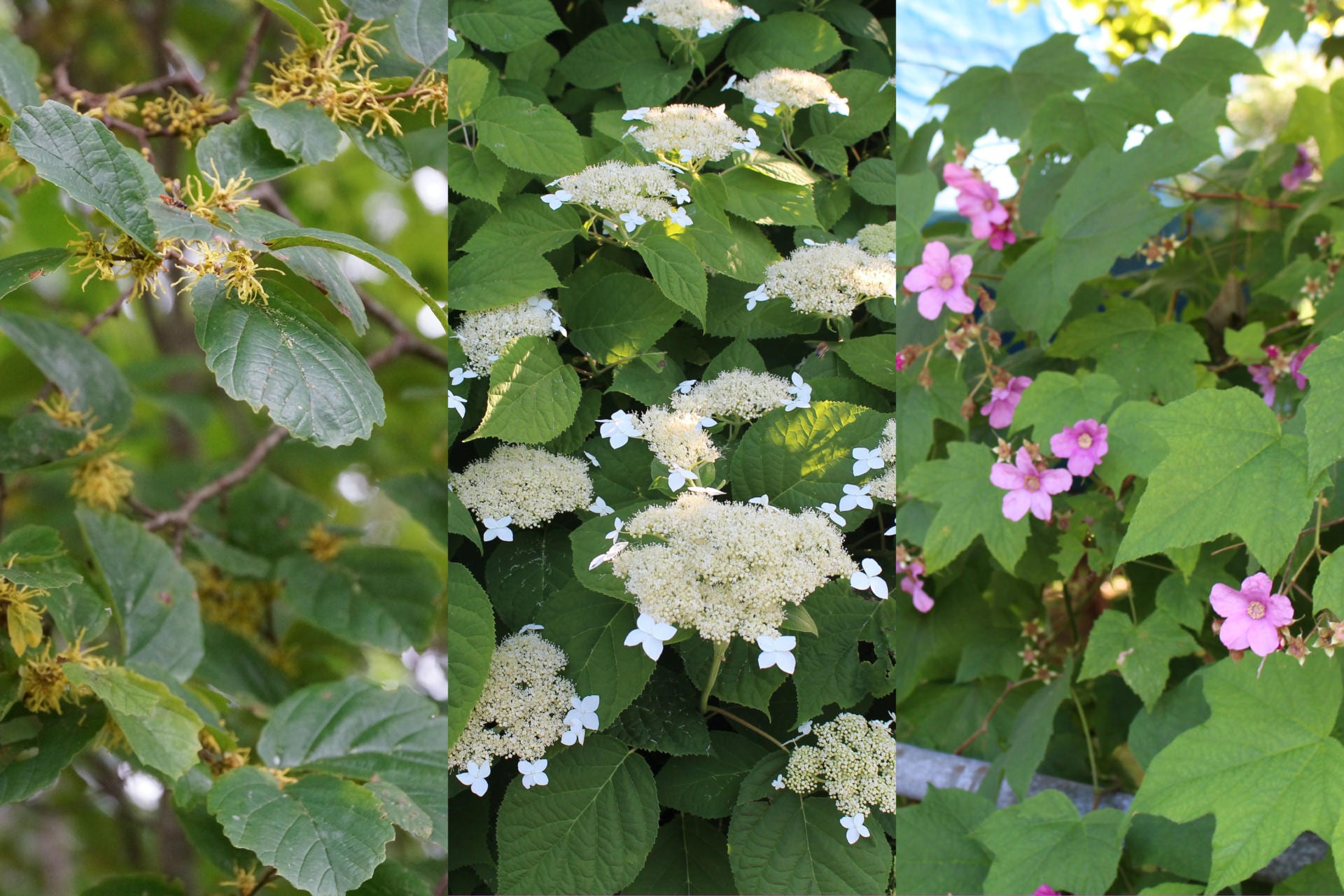
Risks, diseases, and long-term resilience
When comparing mixed hedgerow vs single species hedge, resilience matters most. Mixed hedgerows spread risk. If one species fails, others fill the gap. Single species hedge risks total loss to a species-specific disease or pest.
Common risks and how to reduce them
- Choose local, disease-resistant varieties.
- Avoid planting only one variety over a long run.
- Observe hedges yearly for signs of stress or pests.
From experience, rotating pruning methods and keeping soil healthy cut disease risk. Mixed hedgerows allowed me to manage outbreaks without wholesale replacement. That is a strong point for mixed hedgerow vs single species hedge.
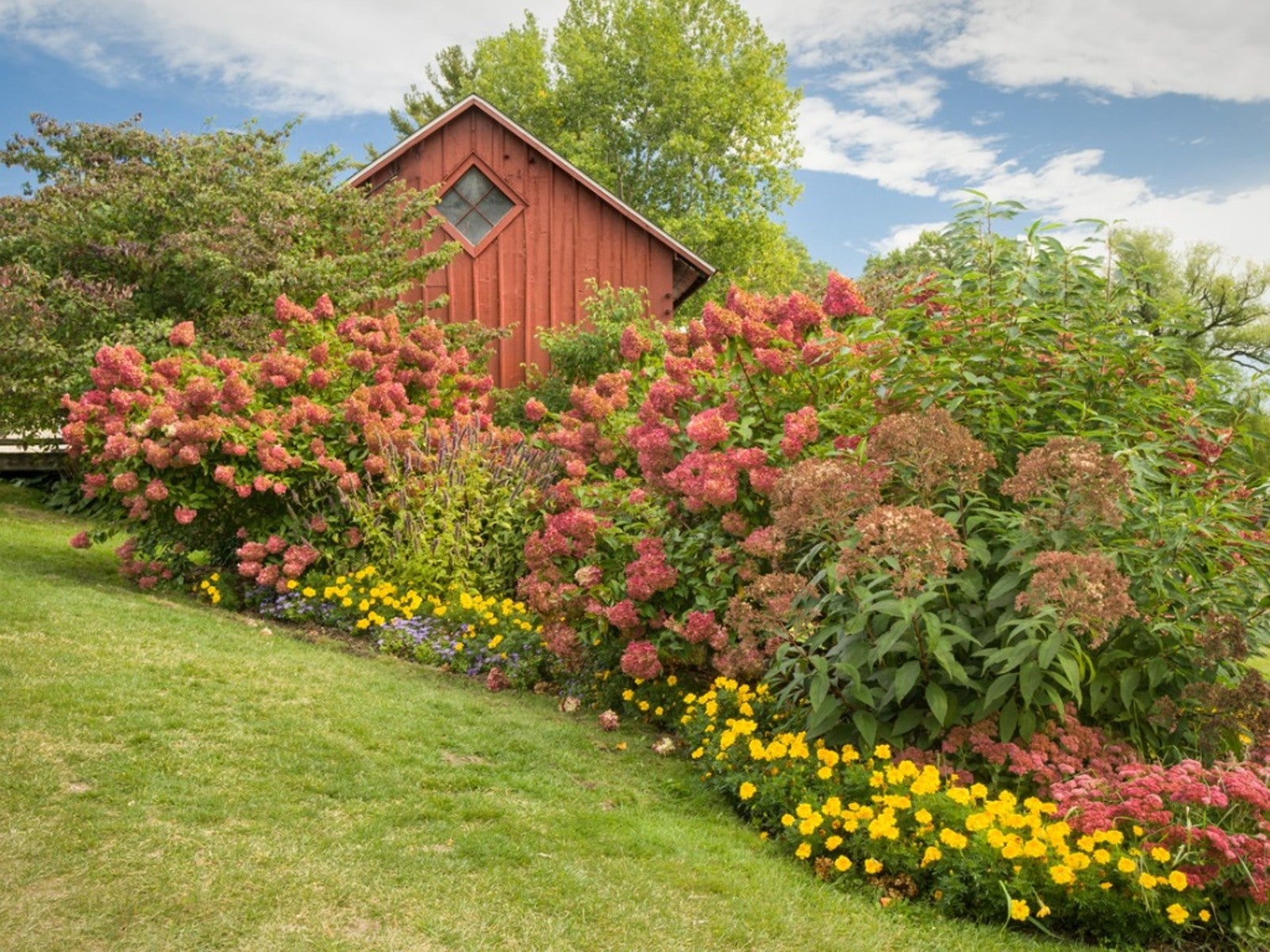
How to choose based on goals and site conditions
As you weigh mixed hedgerow vs single species hedge, ask simple questions about your goals. Do you want wildlife habitat or a formal screen? How much time can you spend on care? What is your local climate and soil?
Decision checklist for mixed hedgerow vs single species hedge
- Goal: wildlife, privacy, or windbreak.
- Time: low maintenance or attentive care.
- Space: narrow strip or wide margin.
- Budget: lower upfront cost or long-term resilience.
- Local pests and diseases: choose species that do well locally.
If you want nature and resilience, pick a mixed hedgerow. If you want a neat hedge with little fuss, pick a single species hedge. I often recommend a middle ground: a mostly single species line with a few native shrubs added for diversity.

Common practical questions
How many species should I plant in a mixed hedgerow?
Plant five to seven species per 100 feet as a simple target. That gives variety without chaos.
How close should plants be in a single species hedge?
Spacing depends on species. Typical spacing is 1 to 3 feet for small shrubs and 3 to 6 feet for trees.
Will mixed hedgerows need more water than a single species hedge?
Mixed hedgerows can be more drought-resilient because species use water differently. Young plants need regular water until established.
Can I trim a mixed hedgerow like a formal hedge?
You can trim parts, but some species dislike heavy clipping. Plan pruning by species to keep structure and health.
How long until a hedge provides good cover?
A well-planted hedge starts to give good cover in 2 to 4 years and matures in 5 to 10 years depending on species.
Frequently Asked Questions of mixed hedgerow vs single species hedge
What is a mixed hedgerow?
A mixed hedgerow is a planted line with several species. It aims to boost biodiversity and resilience.
What is a single species hedge?
A single species hedge uses one plant type repeated along the line. It creates a uniform look and consistent growth.
Which is better for wildlife?
Mixed hedgerows are better for wildlife. They provide flowers, fruits, and shelter across seasons.
Which is easier to maintain?
Single species hedges are easier to maintain if you want one pruning style. Mixed hedgerows need varied care.
Are mixed hedgerows more expensive?
Mixed hedgerows may cost more at planting time. They can save money later through fewer losses and less pest damage.
Can I convert a single species hedge to a mixed hedgerow?
Yes. You can add native shrubs and trees in gaps over a few years. Stagger planting to reduce shock.
Do mixed hedgerows take more space?
They can need more width for layering. But a careful mix works in narrow strips too by choosing compact species.
Conclusion
Mixed hedgerow vs single species hedge is a choice about goals. Mixed hedgerows win for wildlife, resilience, and long-term health. Single species hedges win for neatness and simple care. Pick the option that fits your site, your time, and your priorities.
Try a small trial length first. Plant a mixed hedgerow corner to learn species habits. Share your results, subscribe for more tips, or leave a comment about your hedge plans.