Laurel Vs Cherry Laurel Hedge: Best Choice For Your Garden
Laurel offers culinary charm; cherry laurel gives denser, faster-growing privacy hedges.
I have worked with hedging plants for years and have trained in plant care and landscape design. This guide compares laurel vs cherry laurel hedge in plain terms. Read on for clear differences, planting tips, pest notes, and real-life advice you can use today.
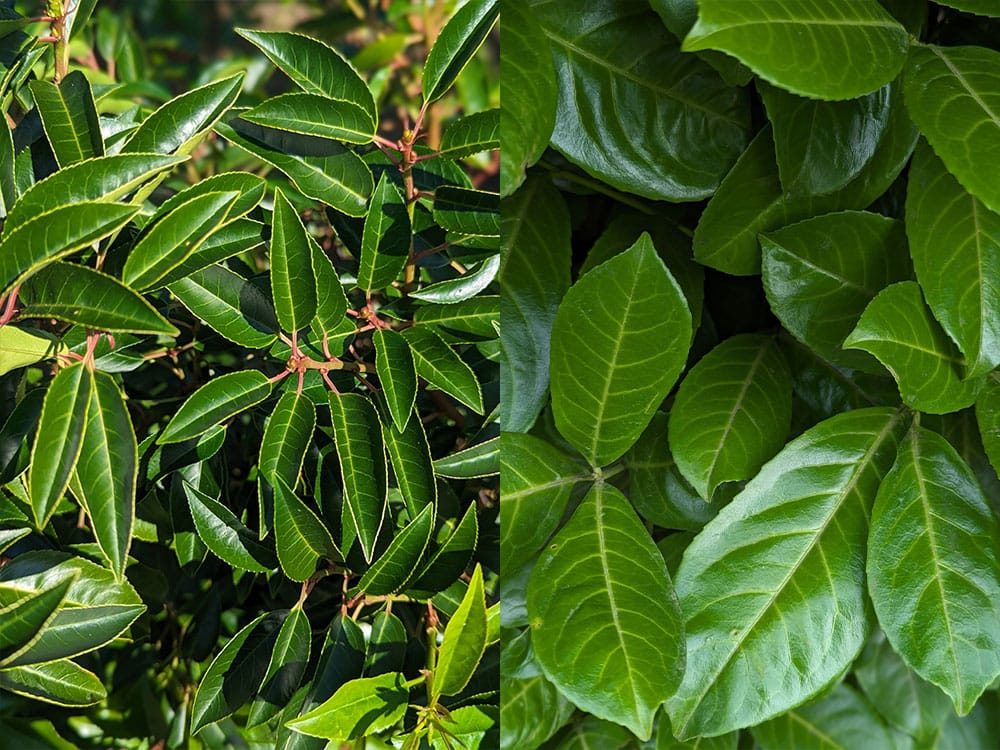
Overview: laurel vs cherry laurel hedge
Laurel and cherry laurel are often confused by gardeners. Both make evergreen hedges but come from different plant groups. Laurel usually means bay laurel (Laurus nobilis). Cherry laurel usually means Prunus laurocerasus. Knowing the difference helps you pick the right hedge for privacy, edible leaves, or low maintenance.
Key traits at a glance:
- Laurel (bay laurel) is aromatic, used in cooking, and grows slower.
- Cherry laurel is fast, dense, and often used for tall privacy screens.
- Both are evergreen and can be pruned into formal shapes.
Why this matters: laurel vs cherry laurel hedge decisions affect safety, growth rate, look, and care. I will explain each aspect so you can choose with confidence.

Key differences in appearance and growth
Leaves and scent are easy to spot. Bay laurel leaves are narrower, leathery, and smell strongly when crushed. Cherry laurel leaves are broader, glossy, and have a mild smell.
Growth and size:
- Laurel grows slowly. It reaches modest heights and keeps a compact form.
- Cherry laurel grows fast. It can reach 10 to 20 feet or more if left unpruned.
- Laurel vs cherry laurel hedge choice often comes down to how fast you want a screen.
Flowering and fruit:
- Laurel has small, pale flowers and black berries that are not commonly eaten.
- Cherry laurel has white racemes of flowers and small cherry-like fruits that birds eat.

Source: hedgesonline.com
Soil, light, and climate preferences
Both plants are hardy in many gardens, but they have different strengths.
Soil:
- Laurel likes well-drained, fertile soil and tolerates dryness once established.
- Cherry laurel tolerates heavier soils and clay, and can handle wetter spots.
Light and climate:
- Laurel prefers sun to light shade and favors milder winters.
- Cherry laurel tolerates deeper shade and colder spots better than bay laurel in many areas.
If you live in a windy or coastal zone, cherry laurel often fares better. For a sunny, sheltered spot with edible leaves, pick bay laurel.
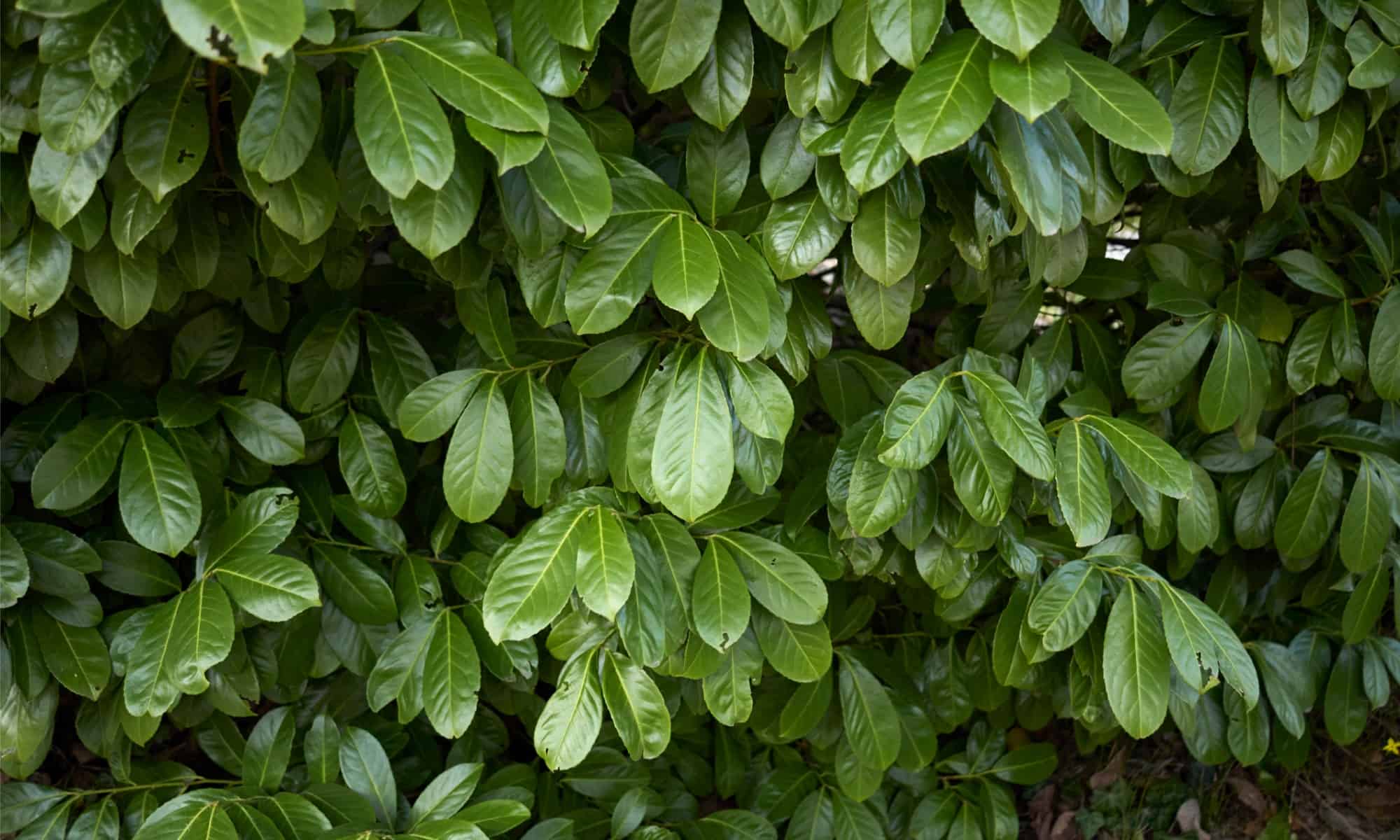
Planting, pruning, and ongoing care
Planting tips are similar for both but timing and pruning differ.
Planting:
- Plant in spring or fall for best root establishment.
- Space laurel wider for slower growth. Space cherry laurel closer if you want a fast screen.
Pruning and shaping:
- Laurel is easy to keep compact with light pruning once a year.
- Cherry laurel tolerates heavy pruning and can be cut back hard if needed. It responds quickly and fills in new growth.
Water and feeding:
- Both need regular water the first year. After that, cherry laurel tolerates less frequent watering.
- Apply a slow-release fertilizer in spring for best vigor.
Practical rule: prune cherry laurel more often to avoid a wild look. Prune bay laurel gently to keep usable leaves.
 toxicity concerns”
style=”max-width: 100%; height: auto; border: 2px solid black; border-radius: 10px; display: block; margin: 0 auto;”
loading=”lazy”
/>
Pests, diseases, and toxicity concerns
Safety and plant health matter when choosing between laurel vs cherry laurel hedge.
Common problems:
- Laurel can suffer from scale insects and occasional leaf spot.
- Cherry laurel can get shot hole disease, leaf spot, and root rot in poorly drained soils.
Toxicity:
- Bay laurel leaves are used in cooking in small amounts and are generally safe when dried.
- Cherry laurel contains cyanogenic compounds. Leaves and fruit are toxic to humans and pets in quantity. Keep this in mind with children and animals.
Integrated care:
- Use good airflow, proper spacing, and clean pruning tools to reduce disease.
- Monitor regularly and treat pests early with cultural controls first.
I always advise caution: if you have pets, lean toward non-toxic hedge options or keep cherry laurel well out of reach.

Design uses and landscape roles
How you want your space to feel will guide the laurel vs cherry laurel hedge choice.
Formal hedges and topiary:
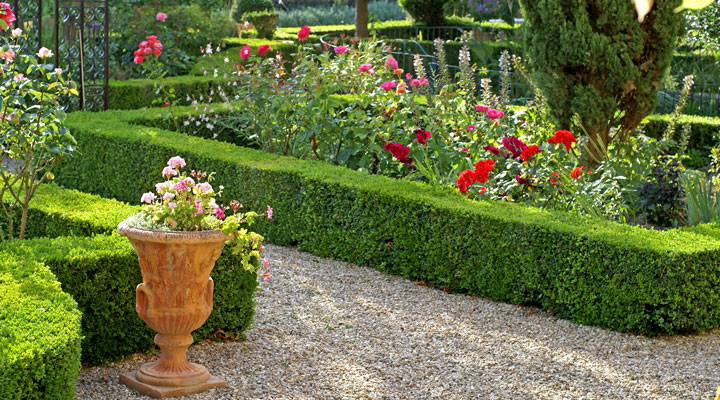
- Laurel is ideal for formal borders and kitchen garden hedges where leaf aroma matters.
- Cherry laurel is better for tall, informal privacy screens and windbreaks.
Wildlife and biodiversity:
- Cherry laurel produces fruit that feeds birds, so it attracts wildlife.
- Laurel attracts fewer birds but is useful for herb gardens.
Styling tips:
- Use bay laurel as a sculpted hedge near a patio or herb bed.
- Use cherry laurel as a backdrop hedge or noise screen along a property line.

Source: harrodsoutdoor.com
How to choose between laurel and cherry laurel hedge
Make a choice based on these factors.
Choose bay laurel if:
- You want edible leaves for cooking.
- You prefer a slow-growing, sculpted hedge.
- Your space is small or formal.
Choose cherry laurel if:
- You need fast privacy or a tall screen.
- You want a low-maintenance, dense hedge.
- You have wildlife that will eat berries or you do not have pets/children at risk.
Budget and time:
- Cherry laurel gives quick coverage and saves time.
- Laurel may cost more per foot of coverage and needs patience.
I recommend testing one or two plants first. See how they grow in your soil and microclimate before committing to a long hedge.

Personal experience and practical tips
I planted both hedges at different jobs over the years. Here is what I learned.
Real-world lessons:
- A row of cherry laurel gave instant privacy for a rental garden. It needed regular pruning but looked good fast.
- Bay laurel in my home garden stayed small and provided fresh bay leaves. I pruned lightly and harvested leaves often.
Mistakes to avoid:
- Do not plant cherry laurel too close to play areas. I once had birds scatter berries on a lawn, and that proved messy.
- Do not overfertilize bay laurel. It caused soft growth that browned in winter.
Practical tips:
- Mulch well to keep roots cool and moist.
- Water new hedges weekly during dry spells for the first year.
- Use clean shears and make angled cuts to help heal wounds.
My best tip: match the plant to the purpose. For fast screening choose cherry laurel. For herbs and neat hedges choose bay laurel.
Frequently Asked Questions of laurel vs cherry laurel hedge
What is the main difference between laurel and cherry laurel hedge?
The main difference is species and use. Bay laurel is aromatic and used for cooking, while cherry laurel is a fast, dense evergreen used for screens.
Is cherry laurel toxic to pets and children?
Yes, cherry laurel contains cyanogenic compounds and can be toxic if eaten in quantity. Keep pets and small children away from leaves and berries.
How fast does each hedge grow?
Cherry laurel grows much faster and can add several feet per year. Bay laurel grows slowly and is better for controlled, formal hedges.
Which hedge needs more pruning?
Cherry laurel needs more frequent pruning to maintain shape and size. Bay laurel needs lighter, less frequent pruning.
Can both plants be grown in shade?
Cherry laurel tolerates deeper shade well. Bay laurel prefers sun to light shade for best leaf quality.
Conclusion
Choosing between laurel vs cherry laurel hedge comes down to need and site. Pick bay laurel for edible leaves and tidy formal hedges. Pick cherry laurel for fast privacy, dense growth, and tolerance of varied soils. Test a few plants first, plan spacing, and prune to fit your landscape. Try one small planting this season and learn how it behaves in your garden; then expand with confidence. Share your results, ask questions, or subscribe for more gardening guides.