Flowering Hedge Vs Evergreen Hedge: Which Suits Your Garden
Flowering hedges dazzle with seasonal blooms; evergreen hedges deliver steady year-round privacy and structure.
I’ve planted, pruned, and lived with both types across yards and projects for over a decade. This guide compares flowering hedge vs evergreen hedge with clear facts, real-life tips, and design ideas so you can choose the right hedge for your space and goals. I’ll cover definitions, benefits, limitations, planting and care, cost and longevity, and design uses. You’ll finish ready to plan a hedge that fits your climate, style, and maintenance comfort.
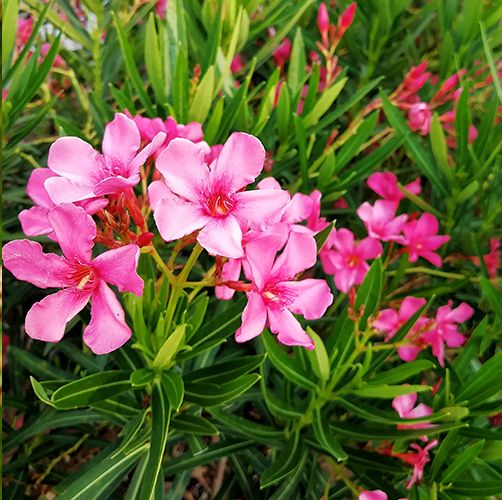
Definitions: flowering hedge vs evergreen hedge
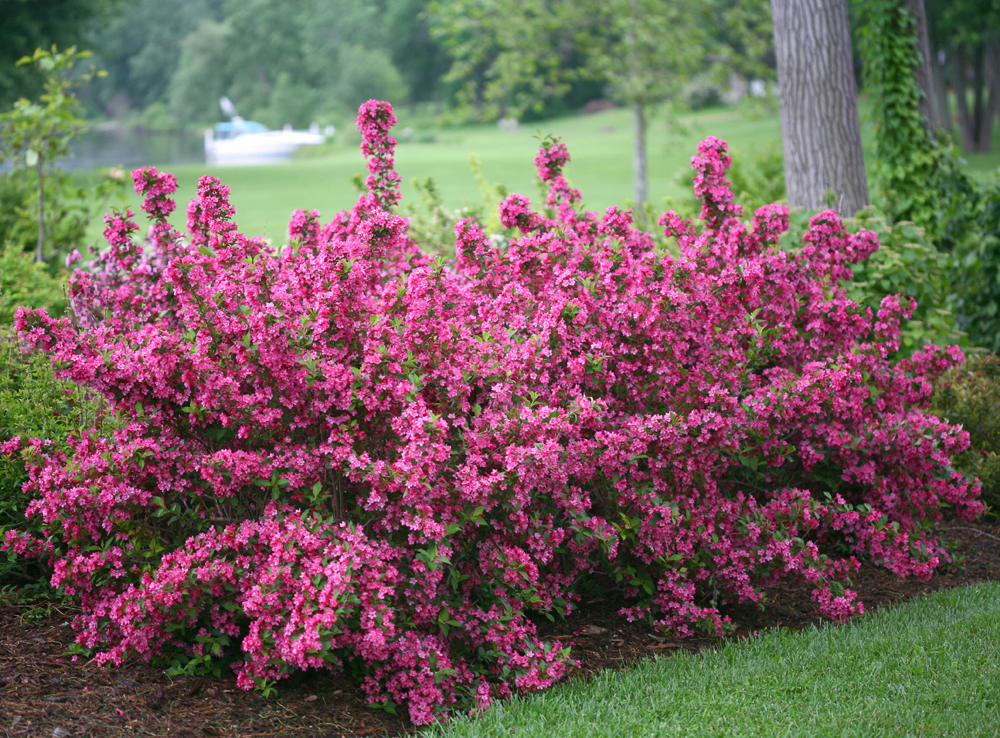
A flowering hedge is any line of shrubs or small trees grown together that produces seasonal blooms. Examples include lilac, forsythia, rose, and flowering cherry. These hedges give color, scent, and habitat for pollinators during their bloom windows.
An evergreen hedge is a continuous row of plants that keeps most of its foliage year-round. Examples include boxwood, yew, holly, and laurel. Evergreen hedges provide consistent green structure, privacy, and wind protection throughout all seasons.
Why this matters: choosing between flowering hedge vs evergreen hedge affects privacy, visual interest, wildlife value, and maintenance level. Match plant choice to climate, soil, and the purpose you need the hedge to serve.
:strip_icc()/snowball-viburnum-285cb38c-9557f44a829740ceaebdd41f86211786.jpg)
Key differences at a glance
- Seasonal interest versus year-round cover
- Flowering hedge: peaks in bloom seasons. Offers strong seasonal color and scent.
- Evergreen hedge: steady foliage year-round. Best for consistent screening and structure.
- Wildlife and pollinators
- Flowering hedge: attracts bees, butterflies, and birds when in bloom.
- Evergreen hedge: offers shelter and winter refuge but fewer nectar resources.
- Maintenance and pruning
- Flowering hedge: often needs timed pruning to protect bloom buds.
- Evergreen hedge: may need regular shaping to keep dense form.
- Growth rate and lifespan
- Flowering hedge: many species grow fast but may be shorter-lived.
- Evergreen hedge: many are long-lived and slow to medium growing.
Choosing between flowering hedge vs evergreen hedge starts with your priority: color and wildlife or steady privacy and form.

Benefits of a flowering hedge
- Visual drama and seasonal color
- Blooms create focal points and curb appeal in spring and summer.
- Wildlife value
- Flowers feed pollinators and produce fruits that feed birds later in the season.
- Variety of forms
- Options range from informal mixed hedgerows to clipped flowering shrubs.
- Lower initial cost for some species
- Fast-growing flowering shrubs can create a screen quickly.
Limitations to note:
- Bloom is brief and seasonal.
- Some species drop leaves or fruit, which means seasonal cleanup.
- Pruning must respect bloom timing to avoid cutting off next year’s flowers.
:max_bytes(150000):strip_icc()/thespruce.com-best-shrubs-for-hedges-4151139-1-1a4352e0ea274ccd8bc39402e2bace06.jpg)
Benefits of an evergreen hedge
- Year-round privacy and windbreak
- Evergreen hedges maintain a solid visual barrier in all seasons.
- Low seasonal cleanup
- Less leaf drop compared with deciduous flowering shrubs.
- Formal and informal design use
- Works for formal clipped borders, privacy walls, and native screens.
- Reliable structure for long-term landscaping
- Good for defining property lines and outdoor rooms.
Limitations to note:
- Less seasonal color and floral interest.
- Some evergreens grow slowly and require patience.
- Can create shade under the canopy if planted densely.
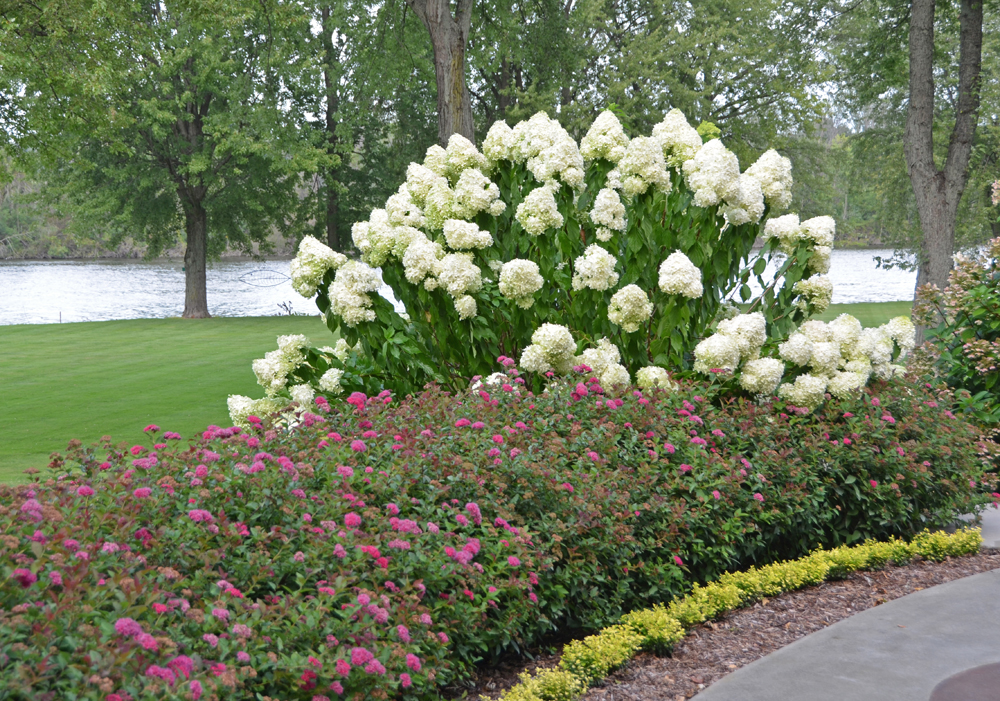
Practical planting and care tips
- Site and soil
- Test soil pH and drainage before planting.
- Plant flowering hedge vs evergreen hedge where the chosen species will thrive.
- Spacing
- Follow spacing guidelines on plant tags to reach the target density.
- Too tight increases disease risk; too wide delays screening.
- Water and mulch
- Mulch to retain moisture and reduce weeds.
- Water regularly during establishment year.
- Pruning and timing
- For flowering hedge vs evergreen hedge, prune flowering shrubs after they bloom.
- Shape evergreens in late spring or early summer to avoid winter damage.
- Fertilizing
- Use balanced, slow-release fertilizer in early spring.
- Avoid heavy late-season feeding that encourages tender growth before frost.
My tip from experience: plant a mix of flowering and evergreen species in a single hedge if you want year-round structure with seasonal bloom. This hybrid approach balances privacy with color.
:max_bytes(150000):strip_icc()/rhododendron-growing-guide-7109537_04_Catawbarhododendron-84a72684d5e140bf80fc560294483649.jpg)
Design ideas and functional uses
- Pure flowering hedge
- Best as a seasonal focal border, cottage garden backdrop, or pollinator corridor.
- Pure evergreen hedge
- Ideal for privacy screens, property borders, and formal parterres.
- Mixed hedge (my favorite)
- Alternating evergreen and flowering shrubs gives structure plus bloom.
- Example layout: evergreen at core for year-round cover, flowering shrubs at intervals for color.
- Layered hedge
- Use taller evergreens behind lower flowering shrubs to create depth and habitat.
Practical layout tip: stagger plants in a double row for faster fill and better density.
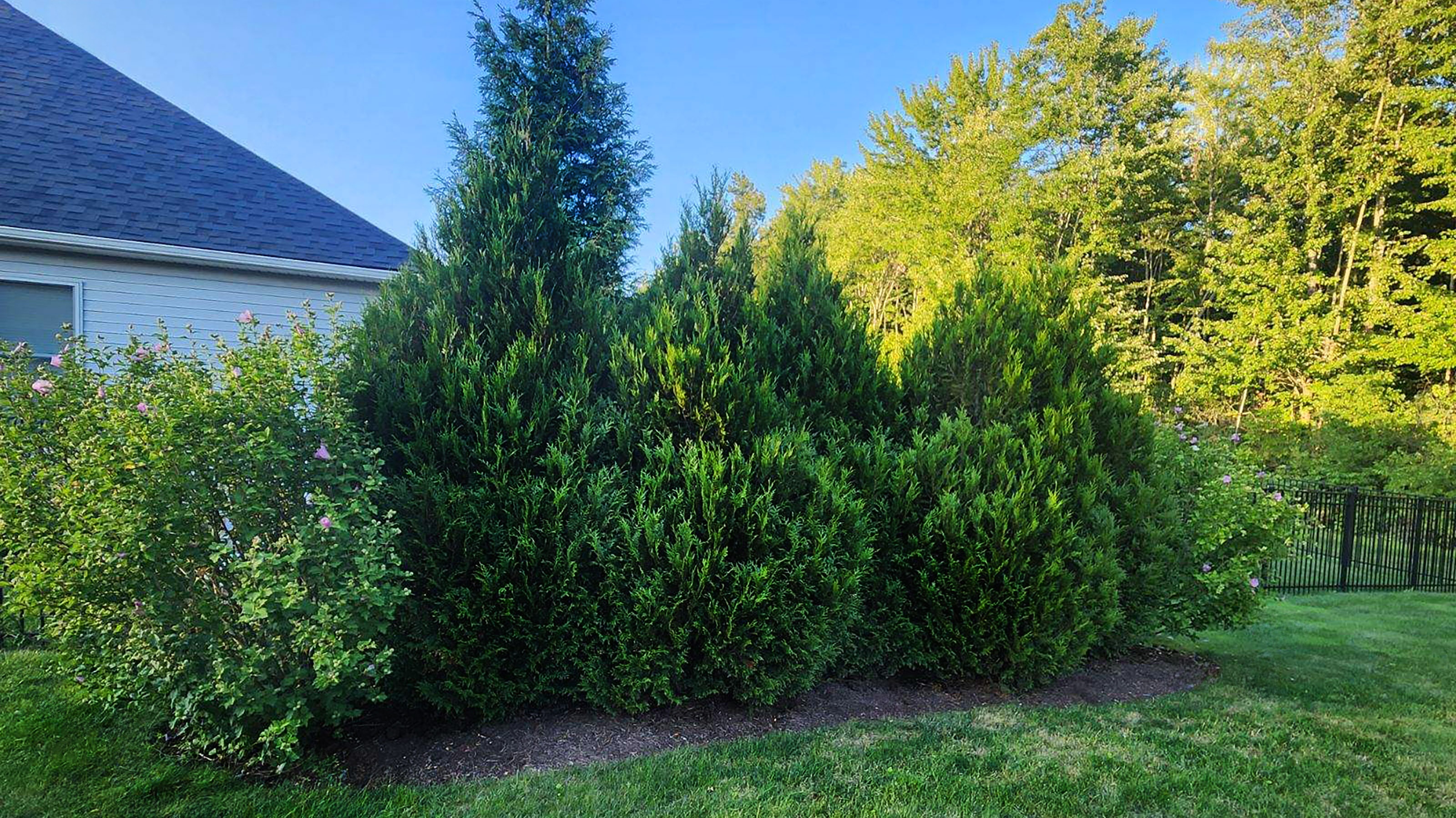
Cost, lifespan, and maintenance comparison
- Cost
- Flowering hedge vs evergreen hedge: initial costs vary by species and size.
- Fast-growing flowering shrubs can be cheaper per linear foot at first.
- Mature evergreen specimens cost more but may require less frequent replacement.
- Lifespan
- Flowering shrubs: variable; some live 10–30 years depending on species and care.
- Evergreens: many live 30+ years with good maintenance.
- Maintenance time
- Flowering hedge: seasonal pruning and cleanup.
- Evergreen hedge: routine shaping and occasional renewal pruning.
Budget tip: choose younger plants and allow time for growth if budget is limited. For instant privacy, invest in larger evergreens but expect higher upfront cost.
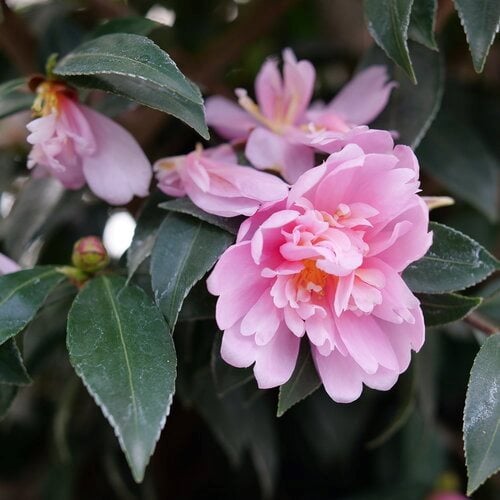
How to choose: decision checklist
- Purpose
- Do you need privacy year-round or seasonal color?
- Location and light
- Shade favors some evergreens; full sun suits many flowering shrubs.
- Maintenance appetite
- Low maintenance leans toward slow-growing evergreens.
- Wildlife goals
- Want pollinators? Favor flowering hedge species.
- Aesthetic style
- Formal gardens often use clipped evergreen hedges; cottage styles favor flowering hedges.
- Climate suitability
- Pick species rated for your hardiness zone.
Use this quick process: list priorities, match species traits, then test with a small trial planting before committing to a long run.
Personal experience and lessons learned
I once planted a full row of flowering hedge shrubs for quick color. They filled fast but left gaps in winter and required careful pruning at the wrong time, which cost me a season of blooms. After that, I switched to a mixed planting approach. Now I combine evergreen anchors with seasonal bloomers. The result is steady privacy and regular color. My key lesson: plan for all seasons, not just the bloom month.
Common mistakes to avoid
- Planting too close to property lines or structures.
- Pruning at the wrong time and losing next year’s flowers.
- Choosing species without checking mature size.
- Ignoring soil drainage, which causes root stress.
- Relying on a single species for the whole hedge, increasing disease risk.
Practical fix: read plant tags, mark pruning dates on your calendar, and mix species for resilience.
Frequently Asked Questions of flowering hedge vs evergreen hedge
What is the main advantage of a flowering hedge over an evergreen hedge?
A flowering hedge offers seasonal color and strong pollinator value during bloom periods. It also produces fruits that feed birds later in the season.
Will a flowering hedge provide enough privacy?
Some flowering hedges can provide good privacy if you choose tall, dense species and plant them close enough. For year-round privacy, combine them with evergreen anchors.
How often do evergreen hedges need pruning?
Evergreen hedges typically need light shaping once or twice a year, with more intensive pruning every few years. Timing depends on species and the desired formal look.
Can I mix flowering hedge and evergreen hedge plants in one row?
Yes. Mixing flowering hedge and evergreen hedge plants gives year-round structure and seasonal blooms. Stagger plants for faster fill and better density.
Which hedge type is better for attracting wildlife?
Flowering hedges are better for attracting pollinators and fruit-eating birds during and after bloom. Evergreen hedges offer shelter and nesting sites but less nectar.
How long does it take for a hedge to form a continuous screen?
Fast-growing flowering shrubs can form a screen in 2–5 years, while many evergreens take 5–10 years to reach full density. Proper spacing and care speed up results.
Are evergreen hedges harder to replace if diseased?
Replacing a long-established evergreen hedge can be labor-intensive and costly, especially if roots and soil need remediation. Diversifying species reduces disease risk.
Conclusion
Choosing between a flowering hedge vs evergreen hedge comes down to priorities: want seasonal color and wildlife? Pick flowering species. Need steady privacy and low seasonal variation? Choose evergreens. Or combine both for a hedge that delivers year-round structure and seasonal delight. Takeaway: match plant traits to your site and goals, stagger plantings, and plan pruning dates in advance. Try a small test run if you are unsure, then expand. Share your hedge plans or questions below, subscribe for more planting guides, or leave a comment about your favorite hedge species.