Hand Pruners Vs Loppers: Which Tool Is Right For You
Hand pruners for precise small cuts; loppers for thicker branches and longer reach.
I’ve spent years pruning gardens, trimming shrubs, and teaching neighbors the right tool for the job. This article compares hand pruners vs loppers with clear, practical advice you can use today. You’ll learn how each tool works, when to choose one over the other, safety tips, maintenance steps, and real-world examples from my experience. Read on to make smarter, faster cuts and protect your plants.
Understanding hand pruners vs loppers
Hand pruners and loppers both trim wood. The key difference is size and reach. Hand pruners are small, held in one hand, and best for stems and thin branches. Loppers have long handles and cut thicker branches from a standing position.
Hand pruners are ideal for deadheading, shaping shrubs, and cutting stems up to about 3/4 inch. Loppers handle larger work, often 1 to 2 inches or more depending on the model. Knowing this makes yard work safer and quicker.
:max_bytes(150000):strip_icc()/SPR-garden-pruner-preference-1403219-hero-e364c36e3a88465bbd4eced329e6aa8e.jpg)
Types and mechanics
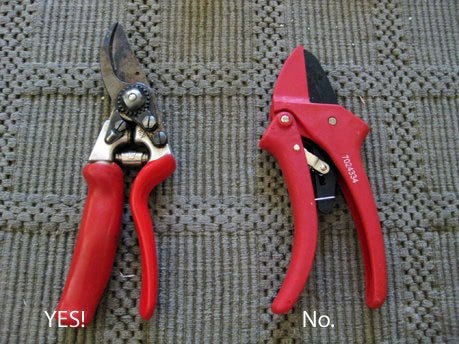
Hand pruners come in two main styles. One style is bypass pruners that work like scissors and give clean cuts. The other is anvil pruners that press the blade onto a flat surface, good for tough, dry wood.
Loppers also follow those two basic blade types. Bypass loppers give cleaner cuts on live wood. Anvil loppers are better for dead wood and rough branches. Some loppers use a compound-action mechanism to increase cutting power with less force.
How a blade cuts affects plant health. Clean, sharp bypass cuts heal faster and lower disease risk. Anvil cuts can crush soft tissue if used on live branches.
:strip_icc()/GettyImages-1321495778-aead93dca47c41f2a13c38cea79cdf63.jpg)
Cutting capacity and blade types
Know cutting limits before you start. Most hand pruners cut 1/4 to 3/4 inch. Standard loppers cut 1 to 2 inches. Heavy-duty loppers or ratcheting models can take 2 to 3 inches or more.
Blade shape matters too. Sharper, curved blades keep the branch in place while cutting. Straight blades suit specific tasks like dead wood removal. Ratchet loppers let you make multi-stage cuts without excessive strength.
Match the tool to branch size to avoid damage. Forcing a small pruner into thick wood can ruin the tool and risk injury. Using a lopper on tiny stems is slow and awkward.
:max_bytes(150000):strip_icc()/SPR-garden-pruner-preference-1403219-hero-e364c36e3a88465bbd4eced329e6aa8e.jpg)
Ergonomics, safety, and maintenance
Comfort matters. Hand pruners with cushioned grips reduce hand fatigue. Longer lopper handles give leverage and protect your back. Choose a tool that fits your hand and height.
Safety basics:
- Wear gloves and eye protection to stop cuts and flying debris.
- Cut at a safe angle and work from stable ground.
- Don’t try to cut branches beyond the tool’s capacity.
Maintenance keeps tools reliable. Clean sap off blades after use. Sharpen blades regularly and oil pivot points. Replace worn parts like springs or bumper pads to keep a smooth action.

Choosing the right tool: practical scenarios
Here are common tasks and my pick for each:
- Pruning roses and small stems — use hand pruners for control and precision.
- Trimming young shrubs and saplings — hand pruners for shaping; loppers for thicker shoots.
- Removing suckers and small volunteers — hand pruners for quick cuts near the base.
- Cutting 1 to 2 inch branches — use loppers to avoid strain and crushing.
- Clearing fallen limbs or storm damage — use loppers for medium branches; chainsaw for large trunks.
Always size the tool to the job. Using the right tool saves time and keeps plants healthy.

My experience and tips
I learned early that blunt blades make work harder and harm plants. One summer I tried to force a cheap pruner on a 1.5 inch branch. The blade bent and the cut crushed the wood. Since then I match the tool to branch size and maintain blades.
Practical tips I use:
- Keep one set of hand pruners in the garden shed and a pair of ratchet loppers in the car.
- Clean blades with rubbing alcohol after cutting diseased wood.
- Use the bypass pruners for live pruning and anvil types for dead wood only.
- Test a new tool on scrap wood before using it on prized plants.
These small habits save time and keep plants healthier.
:max_bytes(150000):strip_icc()/SPR-garden-pruner-preference-1403219-01-8d7a86937f3a453680b0252b886c33e4.jpg)
PAA-style quick questions
What is the main difference between hand pruners vs loppers?
Hand pruners are for close, precise cuts on small stems. Loppers add reach and leverage for thicker branches.
Can loppers replace hand pruners?
Loppers can cut some small stems but lack the control and precision of hand pruners for fine work.
How often should I sharpen pruner blades?
Sharpen when cuts become ragged or when you feel extra resistance. For frequent users, monthly checks are common.
Is a ratchet lopper worth it for seniors or low hand strength?
Yes, ratchet loppers reduce force needed and are easier for people with limited grip strength.
How do I prevent sap build-up on blades?
Wipe blades after use with a cloth and mild cleaning solution, then oil to prevent rust and sap sticking.
Frequently Asked Questions of hand pruners vs loppers
What are the ideal cutting diameters for hand pruners vs loppers?
Hand pruners usually handle up to 3/4 inch while loppers commonly cut 1 to 2 inches. Heavy-duty loppers can exceed that range.
Should I choose bypass or anvil for loppers and pruners?
Choose bypass for live, green wood and cleaner healing. Use anvil for dry, dead wood where crushing is less critical.
How do I sharpen hand pruners and loppers safely?
Use a small sharpening file or stone and follow the blade bevel. Keep the angle steady and remove small amounts until sharp.
Can I maintain the same tool for years?
Yes, with cleaning, sharpening, and part replacement you can keep tools for many seasons. Quality tools last longer and need fewer repairs.
Are there common mistakes when deciding between hand pruners vs loppers?
Common mistakes include using pruners on too-large branches and picking oversized loppers for tiny detailed work. Both cause wasted time and damage.
Conclusion
Choosing between hand pruners vs loppers comes down to size, reach, and the plant’s needs. Use hand pruners for precise work and loppers when you need extra reach and power. Keep blades sharp, match the tool to the task, and practice safe techniques to save time and keep plants healthy. Try one or both tools on small projects this weekend and notice how much easier yard work can feel. Leave a comment with your toughest pruning task or subscribe for more hands-on gardening tips.