Hard Pruning Vs Light Pruning: When, Why, And How
Hard pruning resets structure fast; light pruning refines growth with minimal stress.
If you want healthy plants and neat shapes, you need to know the difference. I have spent years helping home gardeners and orchard clients choose between hard pruning vs light pruning. This guide breaks the topic down in plain words. You will learn what to cut, when to cut, why it works, and what results to expect. Stay with me, and hard pruning vs light pruning will feel simple and safe to use in your yard.

What Is Hard Pruning vs Light Pruning?
Hard pruning vs light pruning describes how much plant material you remove and how deep you cut into old wood. Hard pruning is a strong reset. You remove large branches or a big share of the canopy to push new shoots from lower buds. Light pruning is a touch-up. You remove small tips, thin a few twigs, and guide shape without shocking the plant.
As a rule of thumb:
- Hard pruning removes about one third to two thirds of top growth at one time.
- Light pruning removes less than one third and focuses on tips, suckers, and crossing twigs.
- Hard pruning often reaches older wood near the base. Light pruning stays on young wood and current season growth.
Think of a haircut. Hard pruning is a big chop to the shoulders. Light pruning is a trim and tidy-up. Both have a place. The trick is to match the cut to your plant and your goal. This is the heart of hard pruning vs light pruning.
Plant Physiology 101: How Cuts Change Growth
Cuts change hormones and energy paths inside the plant. The top buds make auxin, which slows side buds below. When you remove a strong top, auxin drops. Side buds wake up and push new shoots. That is why hard pruning often triggers lots of watersprouts.
Light pruning mainly shifts where energy goes. You keep most leaves, so the plant keeps making sugars. You refine shape and airflow while holding vigor steady. This is why light pruning is great for steady fruiting and bloom control.
Dormant season cuts heal slower but save energy for spring. Summer cuts heal fast but reduce stored carbs. Studies from university extension trials show that very hard cuts use more reserves for wound repair and sprout growth. That means aftercare matters more after hard pruning vs light pruning.

Pros and Cons Side by Side
Hard pruning benefits:
- Resets overgrown shrubs and trees fast.
- Removes dead, diseased, or storm-damaged wood in one pass.
- Sparks strong new shoots from low buds.
Hard pruning drawbacks:
- Can stress plants if timed wrong or done on weak plants.
- Often triggers many upright watersprouts you must thin later.
- Delays flowers and fruit for a season or more on some species.
Light pruning benefits:
- Keeps form and airflow with little stress.
- Maintains steady bloom and fruit set.
- Easy to do often with simple tools.
Light pruning drawbacks:
- Slow to fix severe size issues.
- Can lead to dense canopies if you only head and never thin.
- Needs regular attention to stay effective.
Use these trade-offs to guide hard pruning vs light pruning in your yard plan.

When to Choose Hard Pruning vs Light Pruning
Match your method to a clear goal.
Choose hard pruning when:
- A shrub or tree is overgrown and blocks windows, paths, or wires.
- Flowering and fruiting wood is old and unproductive.
- You must remove storm breaks, cankers, or borers in old wood.
- You want to reset roses, cane shrubs, or multi-stem plants.
Choose light pruning when:
- You have the right size and want to maintain it.
- You need to thin for airflow to reduce disease.
- You shape hedges, espaliers, or topiary during the season.
- You are training young trees and do not want to slow root growth.
Decision steps I use on site:
- Check vigor. If a plant is weak, start with light pruning and nursing.
- Check bloom time. Spring bloomers set buds on old wood. Delay hard cuts until after bloom.
- Check safety. If there is a hazard, hard prune now and handle recovery later.
This simple path makes hard pruning vs light pruning a confident choice, not a guess.

Best Timing by Season and Plant Type
Season matters a lot for hard pruning vs light pruning.
By season:
- Late winter to early spring, before bud break: Best time for most hard pruning on deciduous trees and shrubs. Energy is stored in roots. Wounds are fresh for spring growth.
- Late spring to mid-summer: Good for light pruning, thinning, and size control. Summer cuts slow vigor.
- Late summer to fall: Avoid hard pruning. New growth may not harden before frost.
By plant type:
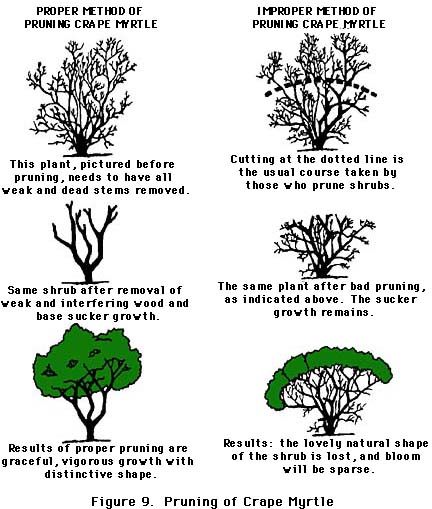
- Spring-blooming shrubs like lilac, forsythia, and mock orange: Light prune right after bloom. If needed, do renewal hard pruning by removing a few oldest canes at the base each year.
- Summer-blooming shrubs like butterfly bush and panicle hydrangea (H. paniculata): Hard prune in late winter for strong summer flowers on new wood.
- Bigleaf hydrangea (H. macrophylla): Use light pruning only on dead tips after winter. They bloom on old wood.
- Roses: Hybrid teas handle hard pruning in late winter. Shrub roses often do best with light renewal.
- Fruit trees like apple and pear: Do most structure cuts in late winter. Use summer light pruning to reduce watersprouts and improve light in the canopy.
- Evergreens: Most do not like hard pruning into old brown wood. Use light pruning after spring flush. Yew and holly are more forgiving than spruce or pine.
These timing rules come from nursery practice and university extension guides. They help you avoid the classic mistake of cutting flower buds or shocking tender growth.
Step-by-Step: How to Do Hard Pruning Safely
Plan first. Cut second. Here is my field-tested process for hard pruning vs light pruning when you must go hard.
- Identify the framework. Find the best 3 to 5 main stems or scaffold branches.
- Remove dead, diseased, and damaged wood first. Disinfect tools between suspect cuts.
- Reduce by thirds. Rarely take more than one third of live canopy at once.
- Use proper cuts. Make clean cuts just outside the branch collar. Avoid flush cuts and stubs.
- Stage big jobs. For very overgrown plants, spread hard pruning over two to three years.
- Balance the crown. Keep light reaching all sides to reduce weak shaded wood.
Pro tip: On multi-stem shrubs, remove the oldest canes to the base. This renewal method gives a fresh look without a harsh stump cut.

Step-by-Step: How to Do Light Pruning Well
Light pruning is like daily flossing. Small, steady care keeps big problems away.
- Walk around the plant. Spot crossing twigs and water sprouts.
- Thin first, then head. Remove whole twigs back to a branch. After that, tip back if needed.
- Keep spacing. Aim for a hand’s width between shoots on shrubs and fruiting spurs on trees.
- Mind the buds. On roses and fruit trees, cut to an outward-facing bud to open the canopy.
- Stop on time. Step back often. You can always take more, not less.
The result is a cleaner plant with better light and airflow. That is the quiet power of light pruning.

Common Mistakes and How to Avoid Them
- Topping trees: Flat cuts across main stems lead to decay and weak shoots. Use reduction cuts to side branches instead.
- Cutting at the wrong time: Do not hard prune spring bloomers before they flower. Wait until after bloom.
- Leaving stubs: Stubs die back and invite pests. Cut to the branch collar.
- Ignoring sanitation: Dirty tools spread disease. Wipe blades with 70% alcohol between plants.
- Removing too much at once: The plant may starve and sunburn. Stick to the one-third rule.
These are the pitfalls I see most when people weigh hard pruning vs light pruning and rush in.
Aftercare and Recovery
Aftercare makes or breaks results, especially after hard pruning vs light pruning.
- Water deeply but not often. Keep soil moist during the first growing season.
- Mulch 2 to 3 inches deep. Keep mulch off trunks and stems.
- Hold fertilizer at first. Let the plant rebuild roots and balance. Overfeeding can cause weak, lanky shoots.
- Manage sprouts. Thin watersprouts early in summer with your fingers or snips.
- Do not paint wounds. Research shows wound dressings rarely help and may trap moisture.
Watch for sunscald on newly exposed bark, especially on thin-barked trees. Use shade cloth or white tree wrap on the south and west sides if needed for the first season.
Tools, Hygiene, and Safety
Right tools make clean cuts and quick work.
- Hand pruners for twigs up to finger size. Bypass styles give cleaner cuts.
- Loppers for branches up to wrist size.
- Pruning saw for larger limbs. Use a three-cut method to avoid bark tearing.
- Disinfect with alcohol wipes or a bleach solution between plants.
- Sharpen often. Dull blades crush tissue and slow healing.
- Wear gloves, eye protection, and long sleeves. For ladder work, hire a pro if unsure.
Clean cuts heal faster. This reduces pest entry after both hard pruning vs light pruning.
Real-World Examples from My Work
- Overgrown lilac hedge: The client wanted flowers back. We did renewal hard pruning over three winters by removing one third of the oldest canes each year. By year three, blooms were back at eye level with lush, healthy growth.
- Apple tree with dense shade: Light pruning in late winter opened the canopy. We made a few reduction cuts and thinned watersprouts in summer. Fruit size and color improved the same season.
- Hybrid tea roses: A hard prune to 8 to 10 inches in late winter removed weak canes. Spring growth was strong, and bloom quality rose. We kept summer touch-ups light to hold shape.
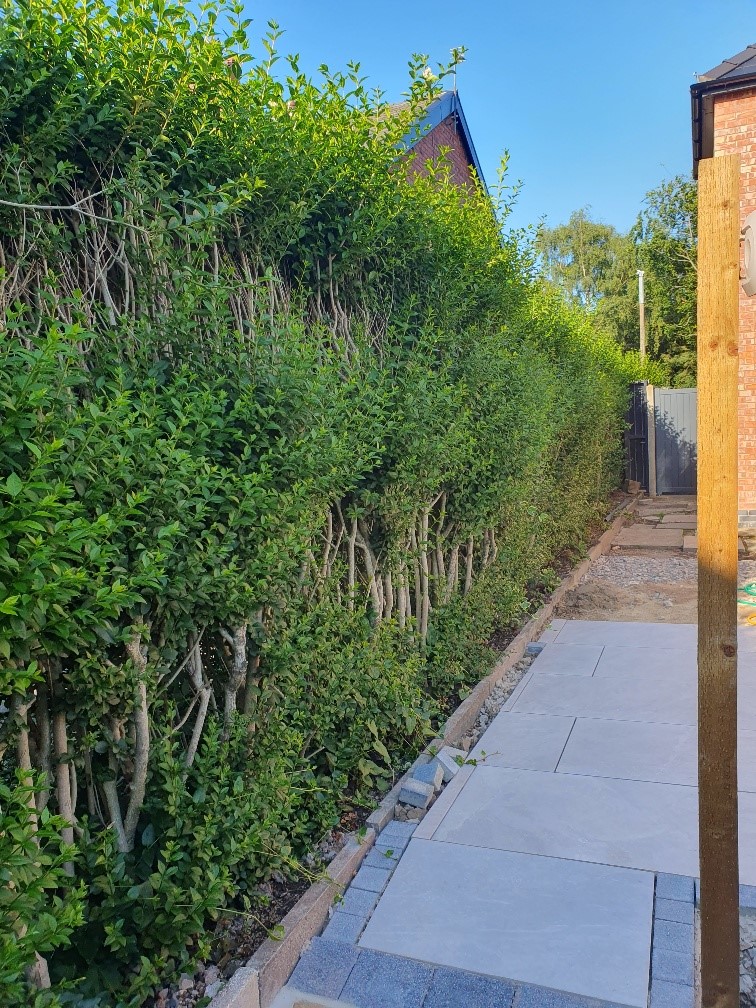
- Boxwood hedge: Only light pruning, two to three times in the growing season. Small nips kept the skin tight without exposing brown interior wood. No shock, no scorch.
- Wisteria that would not bloom: We split the plan. Hard pruning in late winter to define the frame. Light pruning in summer to cut back whips to 6 inches. The next year, blooms finally showed up along the trained cordons.
These cases show how I choose hard pruning vs light pruning to match goals, species, and timing. The secret is patience and a clear plan.
Frequently Asked Questions of hard pruning vs light pruning
Does hard pruning kill a plant?
Most healthy plants survive hard pruning when timed well. Problems arise if the plant is weak, diseased, or pruned hard in late summer or fall.
How much can I remove at once?
Keep live wood removal to about one third of the canopy. For severe cases, stage the work over two to three years.
Can I hard prune in summer?
You can, but it is risky. Summer hard cuts drain energy and can trigger sunscald, so prefer late winter.
Which plants respond best to hard pruning?
Cane shrubs like elderberry, spirea, and some hydrangeas bounce back fast. Many evergreens do not, so use light pruning for them.
Do I need to seal pruning cuts?
No. Research shows most sealants do not prevent decay. Make clean cuts and let the plant seal itself.
How long until I see results after hard pruning?
You will see shoots in spring. Full shape and flowering may take one to three years, depending on the species.
Is light pruning enough for fruit trees?
Often yes, if you also thin for light. Add a few reduction cuts in winter and you will maintain spur quality and reduce disease.
Conclusion
Hard pruning vs light pruning is not a battle. It is a toolkit. Use hard pruning to reset and renew. Use light pruning to guide and maintain. Start with a clear goal, choose the right season, make clean cuts, and follow with simple aftercare. Your plants will repay you with better health, safer structure, and stronger blooms or fruit.
Ready to try it? Pick one plant this week and apply a small, smart cut. If you want more tips, subscribe for seasonal pruning checklists, or drop a question in the comments so I can help you plan your next steps.