Container Gardening Vs Raised Beds: Which Is Best?
Choose containers for mobility and small spaces; pick raised beds for higher yields.
If you are weighing container gardening vs raised beds, you want clear, practical advice that works in real life. I have managed balcony pots in a tiny city studio and built 4×8 cedar beds in a small yard. In this guide, I break down how container gardening vs raised beds compare on cost, setup, soil, water, pests, and crops. You will see what fits your space, time, and budget, and how to get fast wins your first season.
What Is Container Gardening?
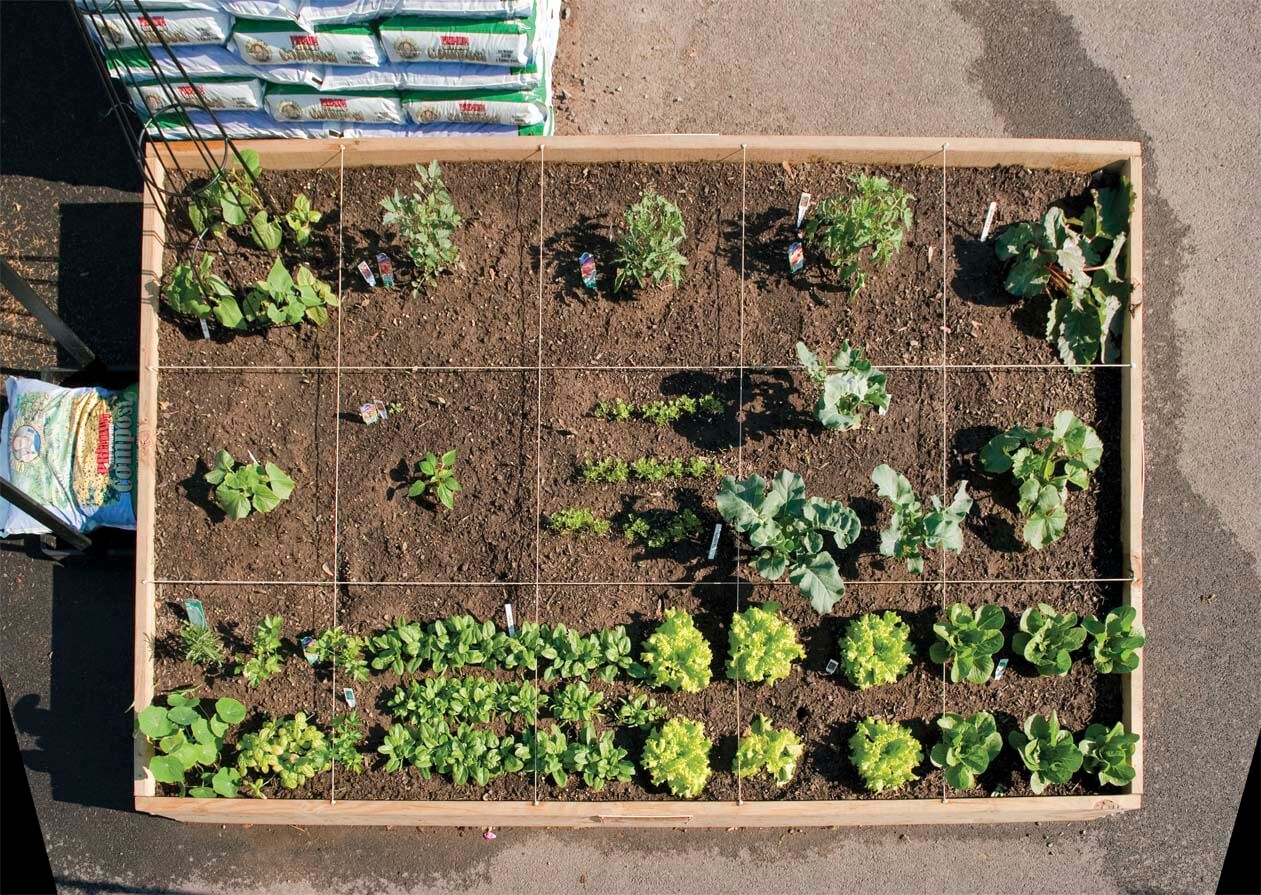
Container gardening is the practice of growing plants in pots, tubs, grow bags, or troughs instead of the ground. It shines in tight spaces like balconies, patios, and rentals. You control soil, move plants as light shifts, and grow even where the ground is poor or paved. In the debate of container gardening vs raised beds, containers are the most flexible and portable choice.
Key traits of container gardening:
- Works anywhere you can place a pot with sun and water access
- Fast to start with low upfront cost per container
- Ideal for herbs, salad greens, dwarf tomatoes, peppers, and flowers
- Easy to isolate sick plants or adjust care per pot
Personal note: My first summer on a fifth-floor walk-up, I grew basil, mint, and two cherry tomato plants in 10-gallon fabric grow bags. I could pull them inside during storms and slide them toward the sun as days changed. That mobility saved the crop.

What Are Raised Beds?
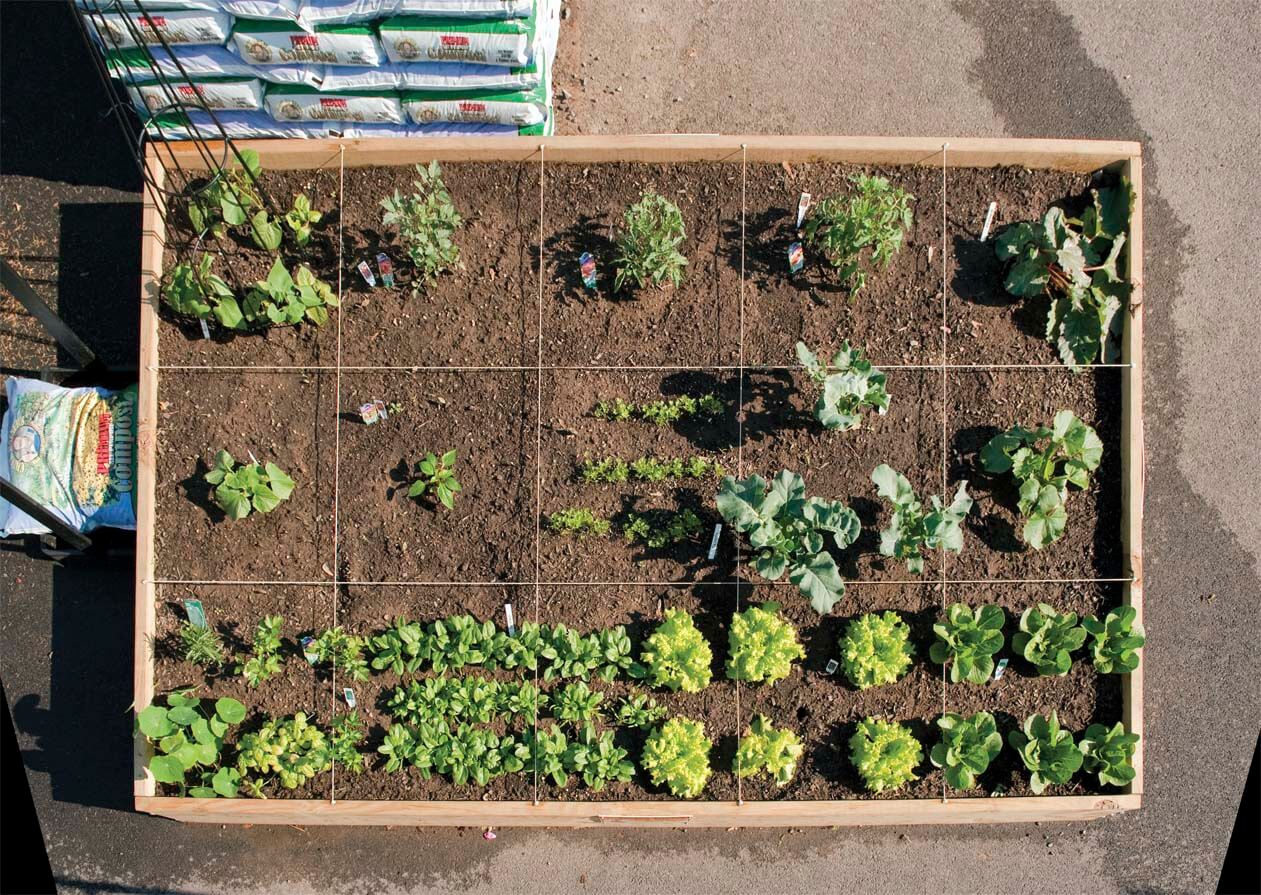
Raised beds are framed boxes, usually 6 to 12 inches tall or more, filled with a custom soil mix, placed on top of native soil or a barrier. They warm up faster in spring, drain better, and make soil care simple year after year. When I moved to a small yard, two 4×8 cedar beds gave me a steady harvest of greens, beets, and bush beans. In the picture of container gardening vs raised beds, raised beds win for volume and long-term soil health.
Key traits of raised beds:
- Higher yields per square foot than most containers
- Great drainage and warmer soil in spring
- Easier to add trellises, row covers, or hoops
- More upfront setup but lower cost per square foot over time

Container Gardening vs Raised Beds: Key Differences
This is the heart of container gardening vs raised beds. The choice comes down to space, scale, and control.
At a glance:
- Footprint and scale. Containers scale in small steps. Raised beds scale in bigger blocks and suit larger plans.
- Soil volume. Containers have limited soil and dry out fast. Beds hold more soil, buffer heat and drought, and support deep roots.
- Mobility. Containers move with you. Beds stay put for years.
- Cost curve. Containers cost less to start but more per plant over time. Beds cost more upfront but shine in long-term value.
- Yield and health. Beds tend to out-yield containers due to root room and stable moisture.
If your goal is a steady, family-sized harvest, raised beds are hard to beat. If you rent, travel, or have a balcony, containers win. That is the core of container gardening vs raised beds.

Cost, Setup, and Maintenance
Let’s talk money and muscle. The cost story of container gardening vs raised beds depends on how big you go.
Startup
- Containers. One 10–20 gallon fabric bag, quality mix, and one plant can be under a modest budget. Add slow-release fertilizer and a saucer.
- Raised beds. A 4×8 cedar or metal bed, hardware, soil mix, and compost can cost more at first. You also need wheelbarrow time.
Ongoing
- Containers. More frequent potting mix refresh and fertilizer. Water costs can rise without mulch or drip.
- Raised beds. Compost top-ups each season. Drip lines or soaker hoses reduce water use over time.
Time and labor
- Containers. Quick setup, light work. Good for a busy schedule.
- Raised beds. A few hours of setup and soil hauling. Maintenance is light after that.
Personal tip: My containers felt cheap at first. But I kept buying more mix and more pots as plants grew. The two raised beds cost more day one, but cost less per pound of produce by year two.
Soil, Water, and Fertility Management
Soil is the engine. Water is the fuel. This part of container gardening vs raised beds decides your daily routine.
Soil mix
- Containers. Use a peat-free, well-aerated potting mix with compost and bark fines. Avoid topsoil. Aim for light, fluffy structure.
- Raised beds. Use a blend of topsoil, compost, and coarse materials for drainage. Worms and microbes build life over time.
Watering
- Containers. Water often, sometimes daily in heat, due to limited volume and wind exposure.
- Raised beds. Water less often thanks to deeper soil. Drip irrigation and mulch even out moisture.
Fertility
- Containers. Use slow-release organic fertilizer or regular liquid feeds. Nutrients leach faster.
- Raised beds. Add compost each season. Soil life recycles nutrients and improves structure.
Evidence note: Studies show larger soil volumes stay cooler and hold moisture longer, which supports steadier growth. That is one reason raised beds often outpace containers across a hot summer.

Pests, Diseases, and Microclimate Control
You can tilt the odds in your favor. Here is how it plays out in container gardening vs raised beds.
Pests
- Containers. Easy to move away from outbreaks. Isolate issues fast. Slugs can be kept at bay with copper tape on pots.
- Raised beds. Install mesh, hoops, and netting more easily. Good for deer or rabbit pressure.
Diseases
- Containers. Swap out mix if soil-borne disease strikes. Sanitize pots between seasons.
- Raised beds. Rotate crops yearly. Add compost to foster a resilient soil food web.
Microclimate
- Containers. Shift plants to chase sun or shade, or protect from wind.
- Raised beds. Use row covers and cold frames. Soil warmth helps early crops.
Space, Aesthetics, and Mobility
Design matters, and so does your lease. In container gardening vs raised beds, your lease, HOA rules, and pathways can decide the winner.
Space use
- Containers. Tuck pots along railings, steps, and sunny walls. Go vertical with trellises or shelves.
- Raised beds. Claim a set area and plan paths. Great for wheelchair-friendly designs with taller sides.
Looks and feel
- Containers. Mix colors, textures, and heights. Match your patio style.
- Raised beds. Clean lines. Easy to organize by crop or season.
Mobility
- Containers. Move for parties, storms, or renovations. End of story.
- Raised beds. Semi-permanent. Think long-term plan and placement.

What to Grow: Best Crops for Each Method
Some crops love depth. Others love speed. Use this crop guide to settle container gardening vs raised beds for your list.
Best for containers
- Herbs like basil, mint, parsley, and chives
- Salad greens, arugula, baby kale, and spinach
- Cherry tomatoes, dwarf peppers, bush cucumbers
- Strawberries and compact flowers for pollinators
Best for raised beds
- Larger tomatoes, peppers, and eggplant with deep roots
- Carrots, beets, radishes, and parsnips for straight roots
- Pole beans, peas, and winter squash with trellis support
- Brassicas like broccoli, cauliflower, and cabbage
My results: Cherry tomatoes in 10–15 gallon grow bags were great, but full-size tomatoes stayed happier in raised beds. Carrots in containers often forked; in beds, they were long and sweet.

Real-World Scenarios: Which Should You Choose?
When you line up day-to-day needs, container gardening vs raised beds becomes clear.
If this sounds like you, choose containers
- You rent or plan to move soon
- You have a balcony, rooftop, or paved patio
- You want to start with two or three plants
- You like to re-arrange for light, wind, or parties
If this sounds like you, choose raised beds
- You own or can commit to a yard space
- You want a steady supply for the kitchen
- You like set-it-and-forget-it irrigation and mulch
- You plan for rotations and soil-building over years
Hybrid approach: I run a hybrid now. Beds handle staples like greens and roots. A few big containers host heat lovers like peppers by the warm garage wall. In the discussion of container gardening vs raised beds, a mix can be the sweet spot.
Step-by-Step: Getting Started with Each Method
Start strong, avoid common mistakes, and you will enjoy the season. This applies to both sides of container gardening vs raised beds.
Containers: 6 quick steps
- Pick 10–20 gallon pots or fabric bags with good drainage
- Use high-quality, peat-free potting mix with compost
- Add slow-release fertilizer at planting
- Place where you get 6–8 hours of sun
- Water to keep soil moist but not soggy; mulch the top
- Stake or cage as needed; feed every 2–3 weeks in season
Raised beds: 6 quick steps
- Choose a sunny, level area with hose access
- Build a 4×8 bed from cedar or metal; aim for 10–12 inches deep
- Fill with a blend of topsoil, compost, and coarse material
- Install drip lines and a simple timer if you can
- Mulch with shredded leaves or straw to save water
- Plan rotations and add 1–2 inches of compost each year
Common mistakes to avoid
- Using garden soil in containers (too dense, poor drainage)
- Skipping mulch (both systems dry out faster without it)
- Overcrowding plants (yields drop; disease risk rises)
- Planting without a sun check (track sun for a full day)
Frequently Asked Questions of container gardening vs raised beds
Which method gives higher yields?
Raised beds often give higher yields thanks to deeper soil and steady moisture. Containers can still be very productive with the right size and care.
Is container gardening cheaper than building raised beds?
It is cheaper to start small with containers. Over several seasons, raised beds can cost less per square foot of production.
How deep should soil be for each method?
For containers, aim for 10–20 gallons and 12 inches deep for most veggies. For raised beds, 10–12 inches is fine for many crops; root crops like carrots love 12 inches or more.
Can I use garden soil in containers?
Avoid it. Garden soil compacts and drains poorly in pots, which hurts roots and invites disease.
What materials are best for raised beds and containers?
Cedar or galvanized steel works well for raised beds. For containers, use food-safe plastic, fabric grow bags, or glazed pots with drainage holes.
Do containers or raised beds need fertilizer?
Both need nutrients. Containers lose nutrients faster with watering, so use slow-release or regular liquid feeds; raised beds thrive with yearly compost.
Which is better for renters?
Containers are best for renters because you can move them and take them when you leave. They also suit balconies and paved spots.
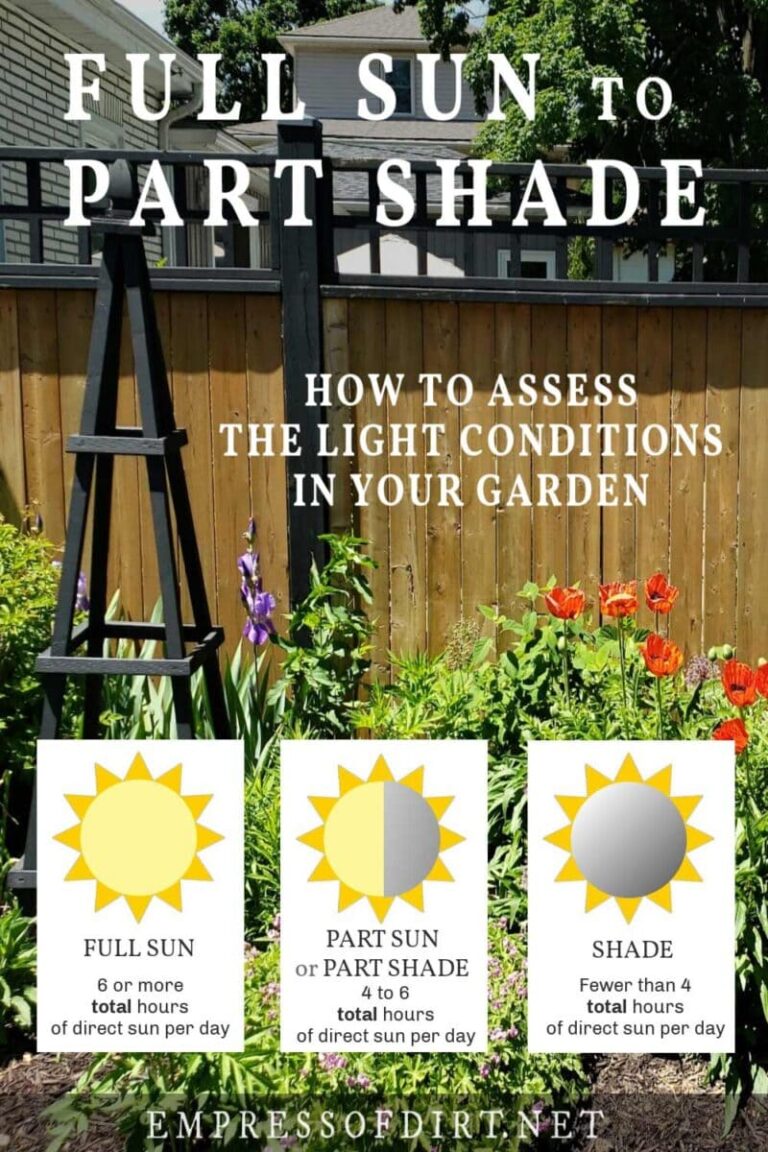
How much sun do I need?
Most fruiting crops need 6–8 hours of sun. Leafy greens can do well with 4–6 hours, especially in summer.
Conclusion
Both systems grow great food. Choose containers if you need speed, flexibility, and small-scale fun. Choose raised beds if you want bigger harvests, easier watering, and long-term soil health. You can also combine both for the best of each world.
Pick one small project today. Set up two containers or plan a single 4×8 bed. Plant what you love to eat, track what works, and build from there. Ready for more tips? Subscribe for weekly how-tos, or drop a question in the comments so I can help you plan your next step.