Vegetable Garden Vs Flower Garden: Which Is Best In 2026
Vegetable gardens feed you; flower gardens feed pollinators, beauty, and your soul.
If you are weighing a vegetable garden vs flower garden, you are already on a smart path. I have grown both in backyards, balconies, and a small community plot. I know what pays back fast, what takes work, and where new growers trip up. This guide breaks down vegetable garden vs flower garden planning, care, design, and cost, so you can choose with confidence and even blend both for the best results.

Vegetable garden vs flower garden: clear differences that matter
Both gardens need sun, soil, and care. Yet they serve different goals. Food vs flair. Harvest vs habitat. Short season vs year-round structure.
Key contrasts you will feel in real life:
- Output: Vegetables give food you can eat. Flowers give color, scent, and often cut stems.
- Pace: Veg beds change fast. Flowers can be steady, and perennials return each year.
- Timing: Vegetables peak in warm months. Flowers can span spring to frost with smart picks.
- Risk: Vegetables react to heat, pests, and water swings. Flowers are more forgiving, with many hardy choices.
- Wildlife: Both help bees. Flowers draw more nectar feeders. Vegetables shine when mixed with blooms.
When friends ask me vegetable garden vs flower garden, I ask about their time, sun, and goals. If you want tomatoes for sauce, go veg. If you want curb appeal and more butterflies, grow flowers. Many folks do both and win twice.

Goals, benefits, and limits
Think about what you want before you dig. This saves money and stress.
Vegetable garden goals
- Fresh food, flavor, and control over what you eat.
- A chance to teach kids where food comes from.
- Peak savings on herbs, salad greens, and cherry tomatoes.
Flower garden goals
- Beauty that lifts your mood each day.
- More pollinators, from bees to hummingbirds.
- Stems to cut for the house or gifts.
Benefits you will notice
- Health: Time in the garden cuts stress. It counts as light exercise.
- Soil life: Compost and mulch make soil richer each season.
- Community: Sharing extra cucumbers or zinnias builds ties.
Limits to plan for
- Time: Vegetables need steady care and fast harvests. Skip two hot weeks and you may lose a crop. Flowers are less strict.
- Pests: Aphids, slugs, deer, and more will visit both. Plan a defense.
- Cost: Tools, soil, and seeds add up. Start small and scale.
I learned this the hard way. One summer I planted eight tomato plants in a tiny space. The vines shaded the peppers. Disease hit. A balanced bed with fewer tomatoes plus marigolds and basil did far better.

Site selection and planning basics
This step makes or breaks both a vegetable garden vs flower garden.
Sun
- Most vegetables need 6 to 8 hours of full sun.
- Many flowers love full sun too, but shade lovers exist. Hostas and impatiens do fine with less.
- Watch the sun across a full day before you plant.
Soil
- Vegetables thrive in loose, rich soil with lots of compost.
- Flowers vary. Many perennials prefer well-drained soil and do not like wet feet.
- Aim for a soil pH near neutral for most crops. Herbs like it leaner and drier.
Water
- Even, deep water beats frequent sips. Drip lines save time and water.
- Mulch helps hold moisture and keeps weeds down.
Space
- Give each plant room. Crowding grows disease.
- Raised beds warm fast and drain well. Containers work on balconies.
Plan on paper first. Map sun paths, spigots, and foot traffic. In every vegetable garden vs flower garden plan, I block the tallest plants to the north. That way they do not cast shade on low growers.
Design ideas and layouts that work
Simple layouts help you move and harvest with ease.
Vegetable bed layouts
- Classic rows: Easy to weed and water. Great for big plots.
- Raised beds: Neat, high yield, and tidy edges. Good for small yards.
- Square-foot: Divide a bed into grid squares. Plant by density for less waste.
Flower bed layouts
- Drift planting: Repeat groups of the same plant for calm flow.
- Layered border: Tall in back, medium in middle, low in front.
- Color themes: Cool blues for calm, hot reds and yellows for pop.
Mixing both
- Edge beds with edible herbs like thyme and chives.
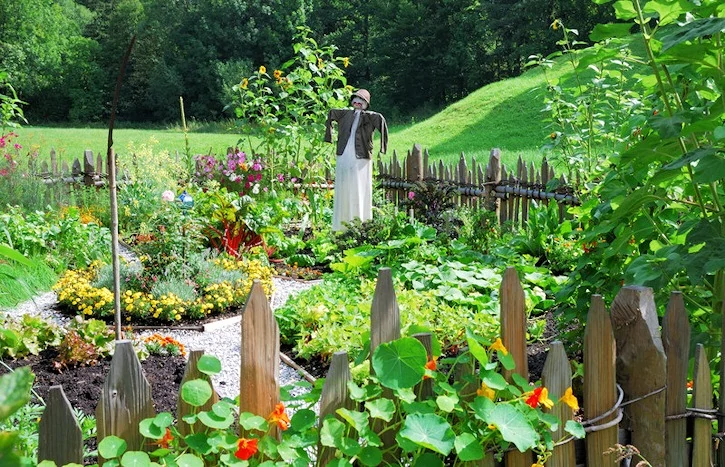
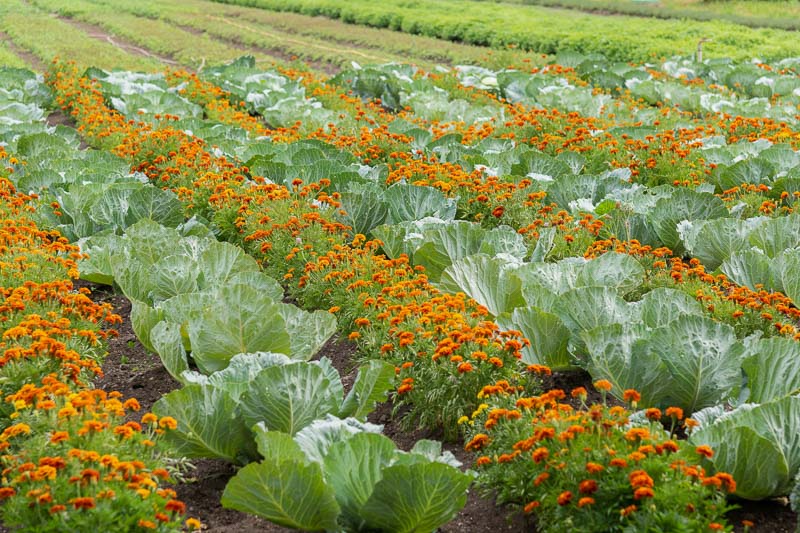
- Tuck marigolds, zinnias, and cosmos in veg beds for color and pollinators.
- Add trellises for beans or sweet peas to lift the eye.
When I blended my beds, I used a potager style. Tomatoes climbed a trellis, with calendula and basil at their feet. The bed looked full and fed my kitchen and the bees. It made the vegetable garden vs flower garden choice feel easy. I chose both.

Seasonal care: what to do and when
Gardens have rhythms. Set a loose calendar so you stay ahead.
Spring
- Prep beds. Add compost. Check irrigation.
- Direct sow cool crops like peas and lettuce.
- Plant hardy perennials and spring bulbs.
Summer
- Stake, prune, and mulch.
- Water deep in the early morning.
- Harvest often. Deadhead spent flower blooms.
Fall
- Sow fall greens after heat breaks.
- Plant bulbs and divide perennials.
- Clear disease debris. Top beds with leaves or compost.
Winter
- Clean tools. Sharpen pruners.
- Plan next year. Order seeds.
- Protect soil with mulch or cover crops where you can.
A few PAA-style checks within the flow:
- Wondering how often to water? Aim for about one inch per week, more in heat.
- Curious if you can plant flowers in a veg bed? Yes. Flowers help draw pollinators and can confuse pests.
Pests, diseases, and natural solutions
Good habits beat panic sprays. Use a simple plan.
Prevention
- Start with healthy soil and the right plant in the right place.
- Space plants for airflow. Wet leaves breed disease.
- Rotate crops each year in veg beds to cut soil-borne issues.
Monitoring
- Check leaves, stems, and undersides twice a week.
- Look for holes, sticky residue, and spots.
Natural controls
- Hand-pick pests early. A bucket of soapy water helps.
- Use row covers on brassicas and young squash.
- Invite allies: lady beetles, lacewings, and birds love pests.
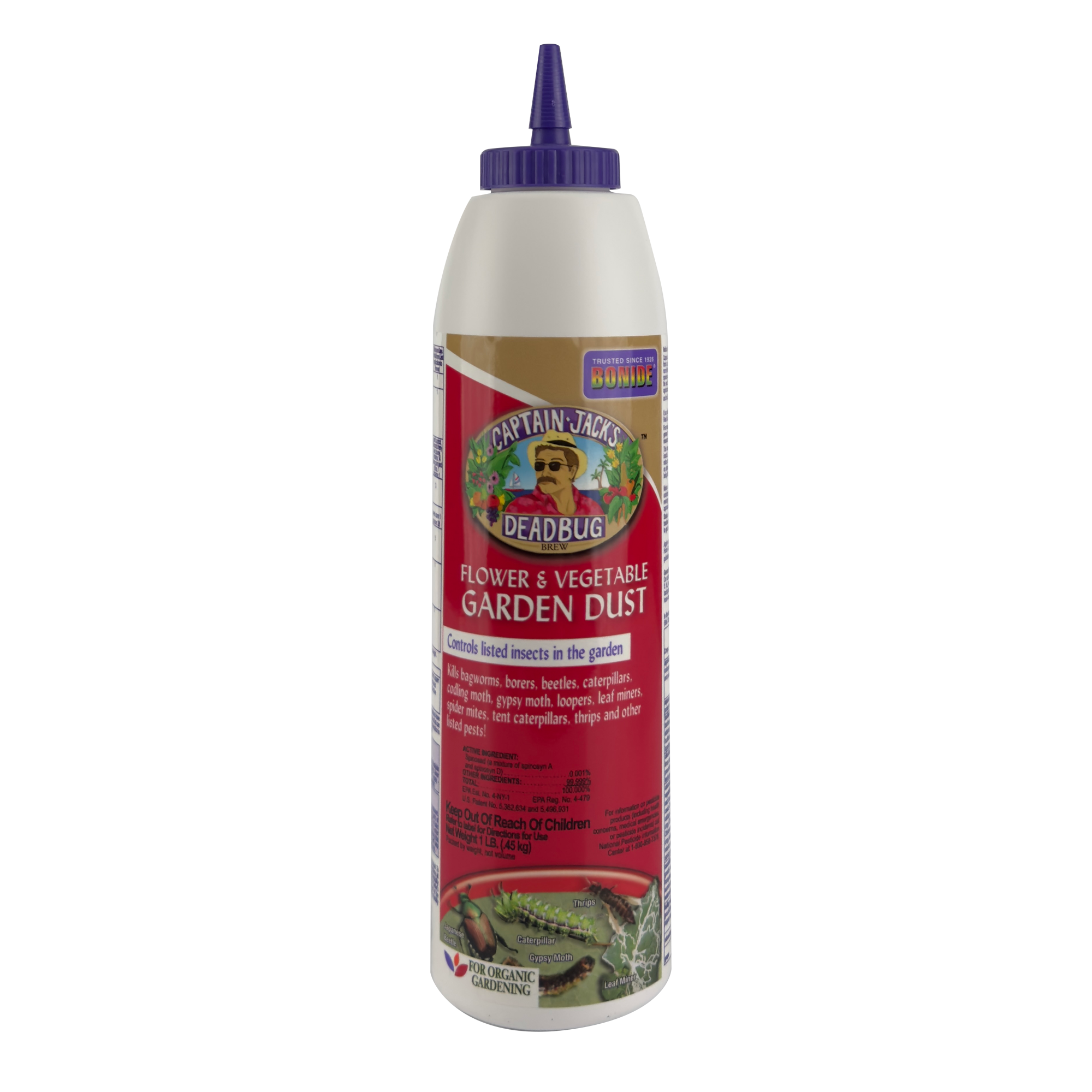
- Spray only if needed. Use targeted products and follow labels.
Common foes
- Vegetables: Aphids, hornworms, powdery mildew, and blight.
- Flowers: Japanese beetles, black spot on roses, and mildew on zinnias.
Polyculture helps. In my yard, a mix of dill, alyssum, and cosmos brought tiny wasps that kept aphids in check. The vegetable garden vs flower garden debate fades when you see how well they support each other.

Budget and time: real-world math
Let’s keep it honest. Both gardens ask for time and cash.
Startup costs
- Tools: Hand trowel, pruners, gloves, and a hose or watering can.
- Soil and compost: Biggest cost for raised beds and containers.
- Seeds and starts: Seeds are cheap; starts save time.
Ongoing costs
- Mulch, twine, and stakes.
- Occasional pest controls or plant supports.
Time per week
- Vegetables: 2 to 5 hours in peak season for a small plot.
- Flowers: 1 to 3 hours for deadheading and water.
Returns
- Vegetables: Fast return on herbs, greens, and cherry tomatoes.
- Flowers: Long bloom windows and free bouquets.
One season, I tracked my costs and harvests. My herb-heavy bed paid back fast. My dahlias cost more up front, but I got months of blooms and tons of joy. In a vegetable garden vs flower garden budget, plan for both quick wins and slow burn value.
Sustainable practices and biodiversity
A resilient garden costs less and works with nature.
Soil health
- Add compost each season. It boosts structure and life.
- Mulch with leaves, straw, or wood chips.
Water wise
- Install drip lines. Water early and deep.
- Group plants by water needs.
Habitat
- Grow native flowers for local bees and butterflies.
- Leave some seed heads for birds in fall.
Smart crop plans
- Rotate veg families to reduce disease.
- Succession plant to keep beds full and productive.
Seed choice
- Pick disease-resistant varieties when possible.
- Choose open-pollinated or heirlooms if you like to save seed.
Ask yourself: Do you need a lush lawn, or can that space host blooms and beans? In a vegetable garden vs flower garden frame, think of your yard as a small ecosystem. Every plant is a lever.

Blended gardens: the best of both worlds
You do not have to choose. Blend beauty and bounty.
Simple ways to combine
- Edge veg beds with nasturtiums. The flowers are edible and draw aphids away.
- Plant sunflowers as living stakes for pole beans.
- Mix herbs with annuals. Basil with zinnias, dill with cosmos.
Potager blueprint in five steps
- Map four small beds with a center path and focal point.
- Assign one bed to roots, one to fruits, one to leaves, one to flowers.
- Add a trellis for height and a bench to enjoy the view.
- Tuck in pollinator plants at corners.
- Rotate each bed a quarter turn next year.
Edible ornamentals to try
- Rainbow chard, purple basil, red okra, and kale with frilly leaves.
- Blueberry shrubs with fiery fall color.
When neighbors stop by, they often ask if mine is a vegetable garden vs flower garden. I smile and say, it is both. My bouquets smell like basil. My salads sparkle with petals.
Mistakes to avoid and pro tips
Skip the common traps. Steal these lessons from years in the dirt.
Mistakes to avoid
- Planting in too much shade. Most crops need full sun to thrive.
- Overwatering containers. Roots drown and rot.
- Crowding plants. Airflow is key.
- Ignoring soil. Skipping compost leads to weak growth.
- Planting everything at once. Stagger to match your schedule.
Pro tips
- Start small. Win early, then expand.
- Use a garden journal. Note sun, pests, and what did well.
- Harvest early and often. This boosts yield and bloom.
- Deadhead flowers to extend the show.
- Set timers for watering. Consistent care beats weekend rushes.
A quick gut-check question I use: Will this choice make care easier in July heat? If yes, do it. If not, tweak the plan. That one habit improves any vegetable garden vs flower garden setup.
Frequently Asked Questions of vegetable garden vs flower garden
Which is easier for beginners: a vegetable garden or a flower garden?
Flowers are often easier because they are more forgiving on timing and care. Start with hardy annuals and a few perennials, then add simple vegetables like lettuce and bush beans.
Can I grow vegetables and flowers in the same bed?
Yes. Mix them to attract pollinators and confuse pests. Keep taller plants to the north and group by water needs.
How much sun do I need for each type of garden?
Most vegetables need 6 to 8 hours of full sun. Many flowers prefer full sun too, but some perennials and shade annuals can do well with less.
Will a flower garden help my vegetable yields?
Yes. More flowers often mean more bees and better pollination. This can boost fruit set on crops like squash, cucumbers, and tomatoes.
What if I only have a balcony or small patio?
Use containers and choose compact varieties. Pair herbs, dwarf tomatoes, and trailing flowers like nasturtiums for a high-impact mini garden.
Do raised beds work better than in-ground beds?
Raised beds warm faster, drain well, and are easy to manage. In-ground beds work fine if your soil drains well and you add compost.
How do I keep pests under control without harsh chemicals?
Scout often, remove pests by hand, and use row covers. Add flowers like dill and alyssum to bring in natural predators.
Conclusion
You do not have to pick sides in the vegetable garden vs flower garden debate. Choose based on your goals, sun, and time, then blend for balance. Grow herbs and greens for fast wins, and plant bold blooms for color and pollinators.
Start small this weekend. Prep one bed, add compost, choose three easy plants, and set a simple watering plan. Share your first harvest or bouquet, then come back to refine. If this guide helped, subscribe for more tips, or drop a comment with your garden goals.