Organic Fertilizer Vs Synthetic Fertilizer: Which Wins
Organic fertilizer builds soil life slowly; synthetic fertilizer gives fast nutrients but can harm soil.
As a horticulturist with more than ten years working in gardens and small farms, I’ll walk you through organic fertilizer vs synthetic fertilizer with clear, practical advice. This guide breaks down how each type works, their effects on soil and plants, real-world trade-offs, and how to choose and apply them for the best results.
What are organic and synthetic fertilizers?
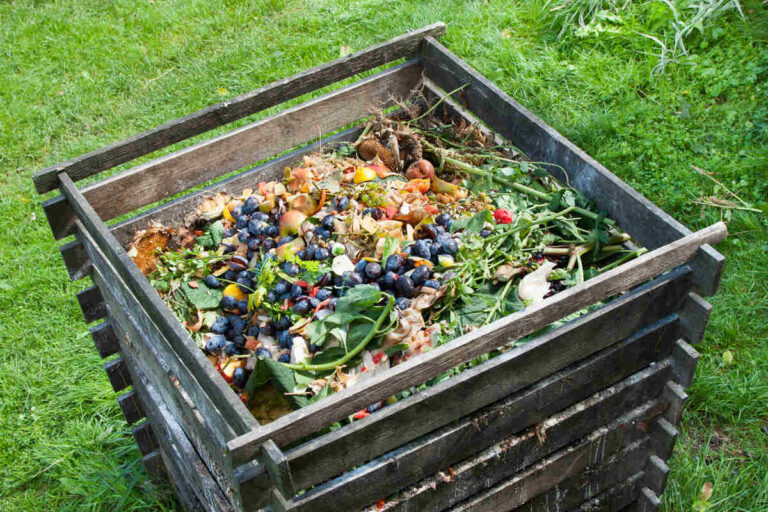
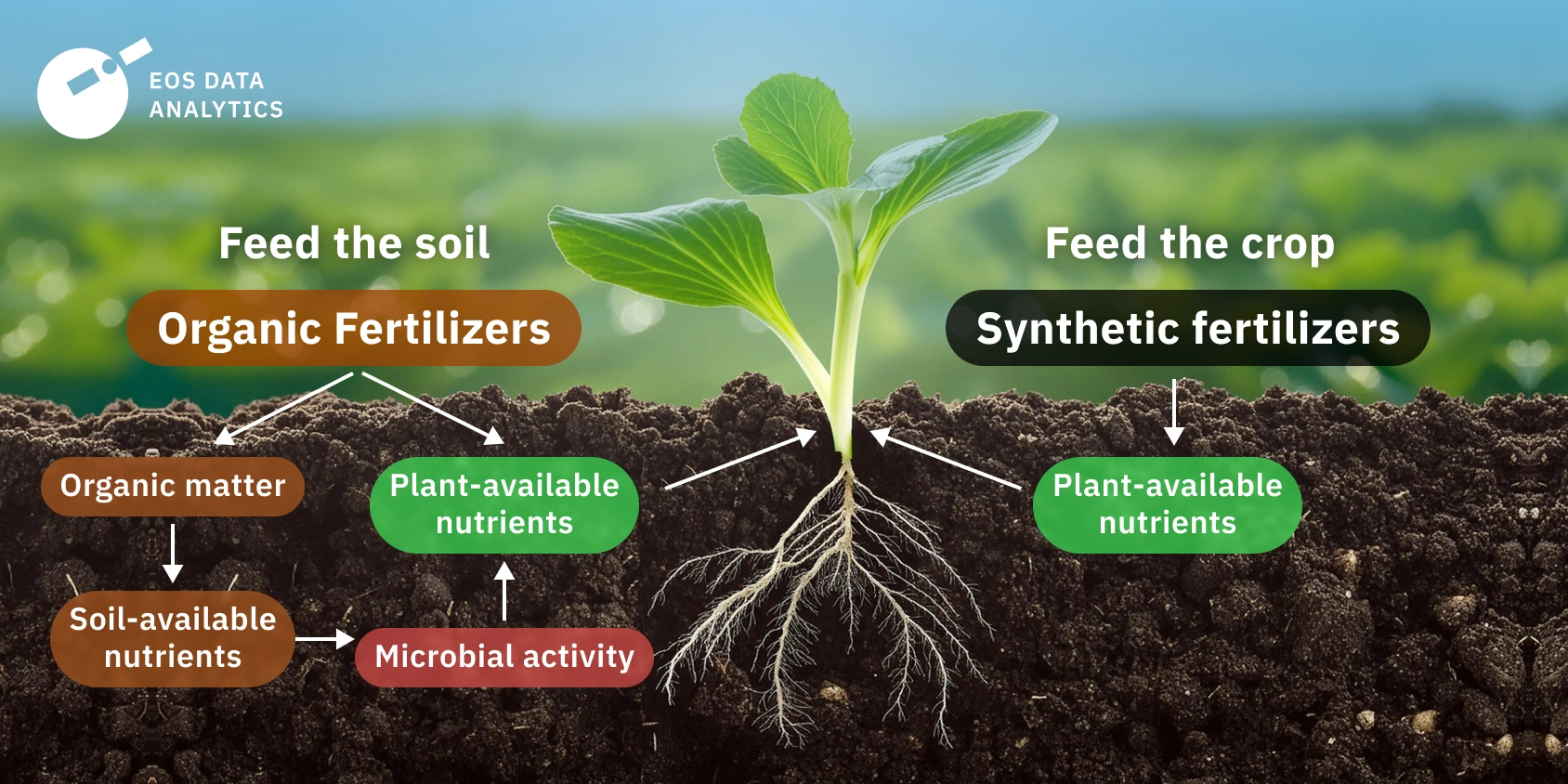
When comparing organic fertilizer vs synthetic fertilizer, the main difference is origin and processing. Organic fertilizers come from natural sources like compost, manure, bone meal, and plant residues. Synthetic fertilizers are manufactured chemicals such as ammonium nitrate, urea, and formulated N-P-K blends.
Organic materials release nutrients as microbes break them down. Synthetic products provide nutrients in water-soluble forms that plants can take up quickly. Each approach fits different goals, budgets, and timeframes.

Key differences: organic fertilizer vs synthetic fertilizer
Key differences between organic fertilizer vs synthetic fertilizer include nutrient release rate, impact on soil life, and longevity.
- Nutrient release rate: Organic fertilizer releases nutrients slowly as microbes decompose matter. Synthetic fertilizer releases nutrients fast and predictably.
- Soil life: Organic fertilizer feeds microbes and builds structure. Synthetic fertilizer often does not feed microbes and can reduce microbial diversity if overused.
- Nutrient profile: Organic sources are usually lower in concentrated N-P-K but contain micronutrients. Synthetic fertilizers offer precise N-P-K ratios and high nutrient density.
- Longevity: Organic inputs improve soil over months to years. Synthetic inputs deliver short-term feed with little lasting organic matter.
- Environmental risk: Organic fertilizer tends to hold nutrients in soil longer. Synthetic fertilizer has higher leaching and runoff risk when misapplied.
- Cost and labor: Organic fertilizer may require more volume and work. Synthetic fertilizer is compact and convenient.
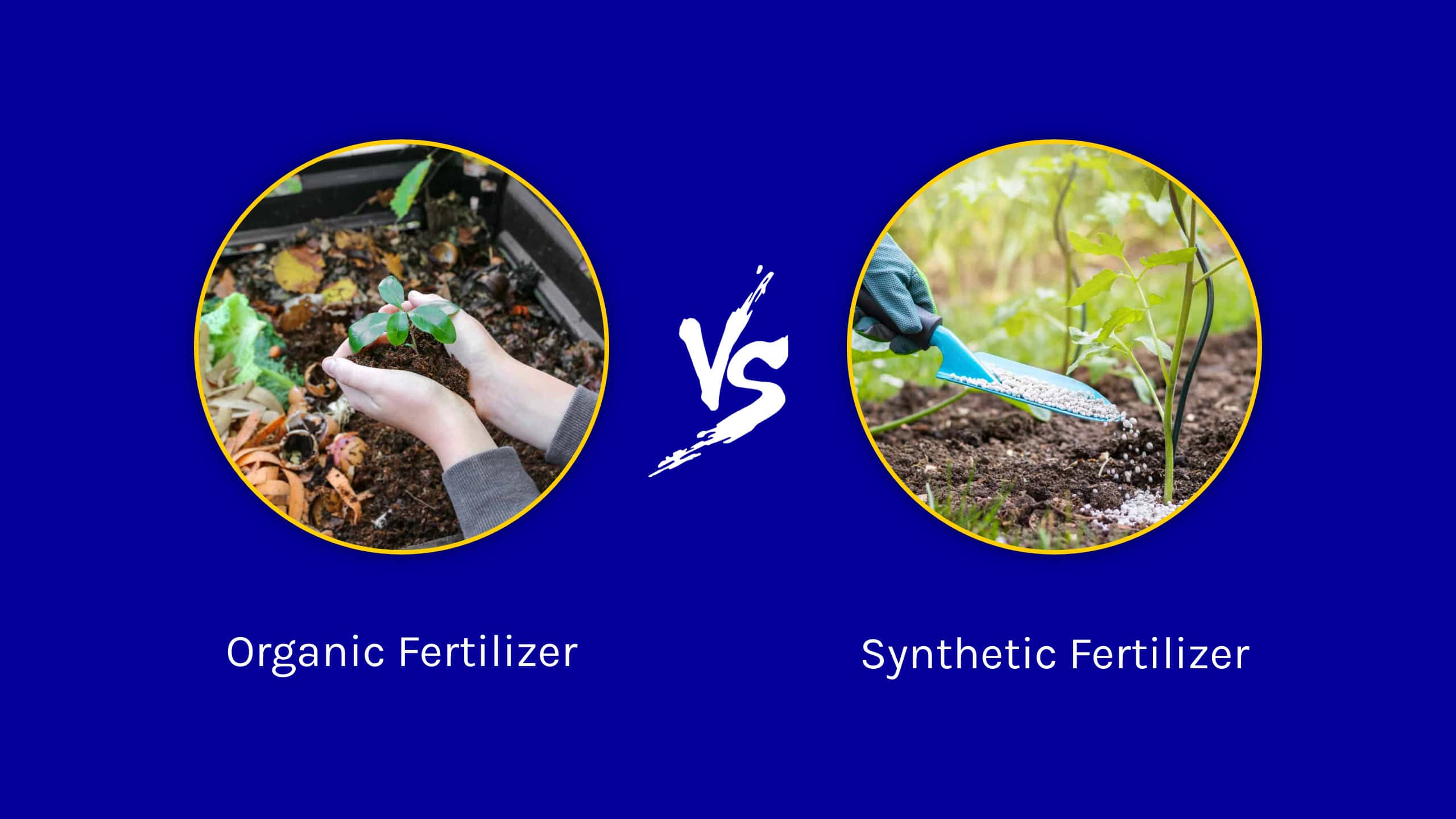
Pros and cons of organic fertilizer vs synthetic fertilizer
Understanding pros and cons helps match choice to goals.
Pros of organic fertilizer:
- Builds soil structure and water retention over time.
- Supports beneficial microbes and root health.
- Supplies micronutrients and modest slow-release nutrition.
Cons of organic fertilizer:
- Nutrient levels are less concentrated and variable.
- Slower to correct deficiencies.
- Can be bulky, messy, and sometimes costly at scale.
Pros of synthetic fertilizer:
- Fast correction of nutrient deficiencies.
- Easy to apply and measure precisely.
- Often lower immediate cost per nutrient unit.
Cons of synthetic fertilizer:
- Can damage soil life with heavy use.
- Higher risk of leaching and water pollution.
- Repeated use won’t build soil organic matter.
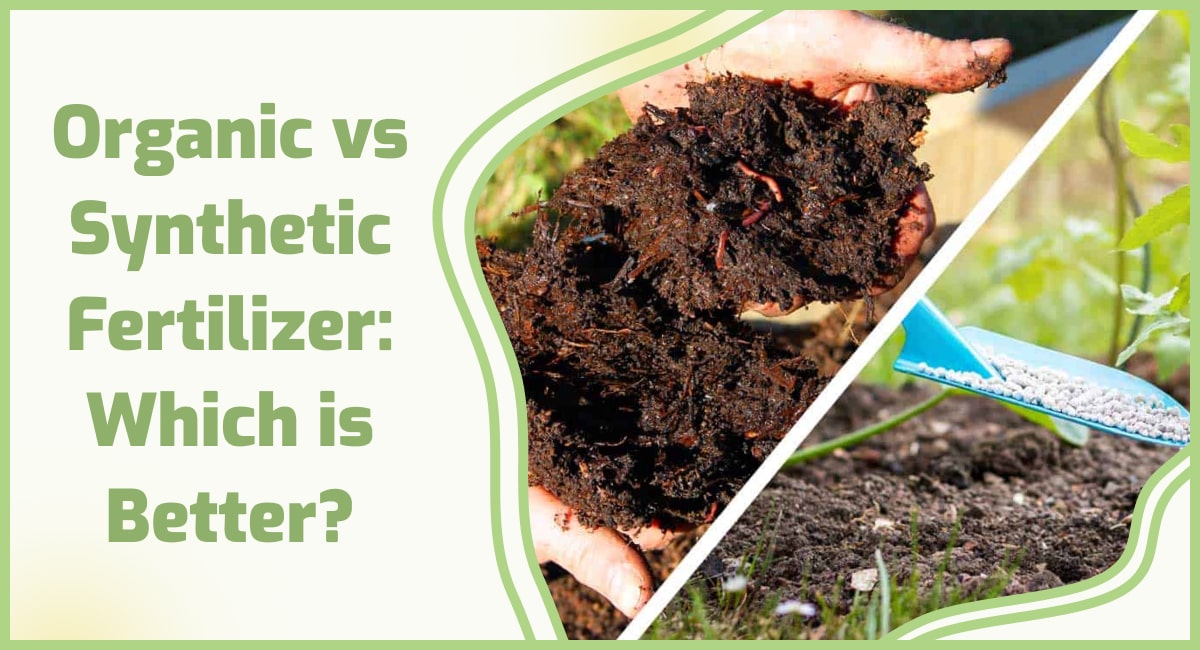
Environmental and long-term soil health impacts
When you weigh organic fertilizer vs synthetic fertilizer, consider long-term soil health and environment.
Organic fertilizer sequesters carbon and increases organic matter. This improves water holding capacity and drought resilience. Over time, soils become more fertile and less prone to erosion.
Synthetic fertilizer can boost yields quickly. But repeated heavy use can lead to nutrient runoff, groundwater nitrate contamination, and weaker soil structure. Smart use and buffer practices reduce these risks.
Nutrient availability, timing, and plant response
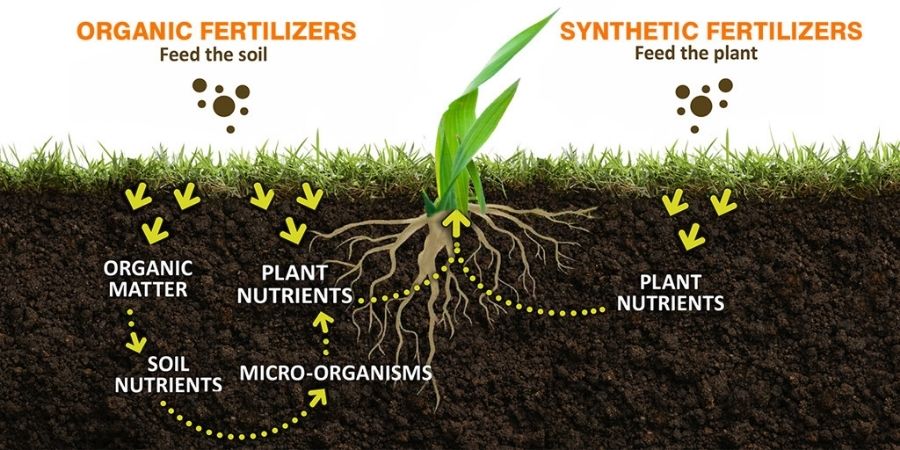
Organic fertilizer vs synthetic fertilizer behave differently in the root zone.
Organic nutrients release slowly. They feed plants over weeks to months as microbes digest matter. This steady feed is ideal for sustained growth and long-term soil fertility.
Synthetic nutrients are immediately available. They power rapid leaf or fruit growth soon after application. For fast fixes—like correcting nitrogen deficiency—synthetic fertilizer is often the faster option.

Cost, convenience, and scalability
Cost and scale shape many fertilizer decisions in organic fertilizer vs synthetic fertilizer debates.
Small gardeners often prefer organic fertilizer for soil health and household recycling of waste. It can be cheaper if you compost. Commercial growers may favor synthetic fertilizer for predictable feeds and lower labor costs per acre.
Consider hidden costs. Synthetic fertilizer may save time now but cost more through soil degradation or environmental fines later. Organic fertilizer may require more hauling and application but build lasting value.
%20(1).webp?width=770&height=387&name=Resize_download%20(37)%20(1).webp)
How to choose: Practical guide for gardeners and farmers
Choosing between organic fertilizer vs synthetic fertilizer depends on goals and constraints. Ask these questions:
- Do you want fast results or long-term soil improvement?
- Are you managing a home garden, urban plot, or large farm?
- Do local regulations or markets favor organic production?
Simple recommendations:
- For long-term soil health, favor organic fertilizer with regular compost and cover crops.
- For short-term fixes or precise nutrient management, use synthetic fertilizer sparingly and targeted.
- For mixed goals, combine both: use organic inputs to build soil, and spot-apply synthetic nutrients when plants need a quick boost.
Personal note: I switched a community garden from straight synthetic fertilizer to a blended approach. Yields stayed strong while soil structure and water retention improved within two seasons.
Application tips and mistakes to avoid
Practical tips when working with organic fertilizer vs synthetic fertilizer:
- Test your soil before adding fertilizer. Know pH and nutrient levels first.
- Match timing to plant needs. Apply slow-release organic fertilizers in spring or fall. Apply synthetic fertilizers during active growth or per crop recommendations.
- Measure carefully. Over-application of either type wastes money and can harm plants or water.
- Combine approaches wisely. Topdress with compost and use small synthetic side-dresses for short-term needs.
- Avoid applying synthetic fertilizer before heavy rain. This reduces runoff risk.
- Store fertilizers safely. Keep organics dry and synthetics sealed to avoid degradation.
Common mistakes to avoid:
- Relying only on quick fixes without building soil.
- Assuming organic always means no risk—manure, for example, can burn plants if fresh.
- Ignoring rates and timing for synthetic products.
Personal experience: lessons from the field
Over a decade of trials, I learned a few hard truths about organic fertilizer vs synthetic fertilizer.
Lesson 1: Soil tests beat gut feelings. I once applied large nitrogen doses based on visual cues. A test showed the soil was already high in nitrate and pH issues were the real problem.
Lesson 2: Blends work. In a tomato trial, compost plus small synthetic side-dresses produced large, steady yields with healthier soil than synthetic alone.
Lesson 3: Patience pays. Building organic matter takes time. Early lower yields are often temporary. After two seasons, the soil holds nutrients and moisture much better.
These lessons helped me help gardeners get better harvests while improving soil health.
Common trade-offs and decision checklist
Quick checklist to choose between organic fertilizer vs synthetic fertilizer:
- Want fast growth or quick fix? Choose synthetic for short-term feed.
- Want long-term soil health? Prioritize organic inputs and cover crops.
- Working at scale with tight budgets? Consider precise synthetic use plus long-term organic strategies.
- Growing for organic markets? Follow certified organic rules and use approved organic fertilizers.
Frequently Asked Questions of organic fertilizer vs synthetic fertilizer
What is the main difference between organic fertilizer vs synthetic fertilizer?
The main difference is origin: organic fertilizer comes from natural plant or animal sources, while synthetic fertilizer is industrially produced chemicals. This affects nutrient release, soil biology, and long-term soil health.
Can I mix organic fertilizer and synthetic fertilizer in the same garden?
Yes. Many gardeners use compost for soil building and small synthetic side-dresses for fast correction. Combining both can balance soil health and immediate plant needs when done carefully.
Which type is better for vegetable gardens?
For most home vegetable gardens, a strong organic base plus targeted synthetic supplements works well. Organic practices build soil and flavor, while modest synthetic use can prevent short-term deficiencies.
Do synthetic fertilizers harm beneficial soil organisms?
Overuse of synthetic fertilizer can reduce microbial diversity and beneficial fungi over time. Responsible application and organic matter inputs help maintain healthy soil life.
How fast do organic fertilizers work compared to synthetic fertilizers?
Organic fertilizers act slowly over weeks to months as microbes break them down, while synthetic fertilizers provide nutrients within days. Choose based on whether you need immediate correction or steady nutrition.
Are organic fertilizers safer for the environment?
Organic fertilizers generally reduce runoff risk when applied correctly and improve soil carbon. However, they can still cause pollution if over-applied, so all fertilizers require careful management.
Conclusion
Organic fertilizer vs synthetic fertilizer is not an either-or choice for most gardeners and farmers. Use organic inputs to build soil and resilience. Use synthetic fertilizer when you need precise, fast nutrition. Test soil, match timing to plant needs, and combine methods thoughtfully to get strong yields without sacrificing long-term soil health.
Take action today: test a patch of soil, try a blended approach, and track results over a season. Share your results or questions below to keep learning together.