How To Mulch Garden Beds: Easy Pro Tips
Mulch garden beds by clearing weeds, adding 2 to 4 inches of the right material, and keeping it off plant stems.
If you want healthier plants, fewer weeds, and soil that holds moisture longer, learning how to mulch garden beds is one of the smartest moves you can make. I’ve used mulch in everything from small home borders to larger landscape beds, and the same rule keeps proving true: good mulch work looks simple, but the details make all the difference.
What Mulching Garden Beds Actually Does
Mulch is a protective layer spread over soil. It can be organic, like shredded bark or compost, or inorganic, like gravel or landscape fabric in some settings. When done well, mulch helps your garden work less and your plants do better.
Here is what mulch does for a garden bed:
- It reduces weeds by blocking light from reaching weed seeds.
- It helps the soil stay moist longer.
- It keeps soil temperatures more stable in heat and cold.
- It adds organic matter over time if the mulch breaks down.
- It helps keep soil from splashing onto leaves during rain.
That last point matters more than many people think. Soil splash can spread fungal problems and make beds look messy fast. I learned that the hard way after one rainy week left my lettuce beds coated in mud because I skipped mulching one season.
Choose the Right Mulch for the Job
The best way to mulch garden beds starts with choosing the right material. Not every mulch fits every bed, and the wrong choice can cause more trouble than it solves.
Common mulch options include:
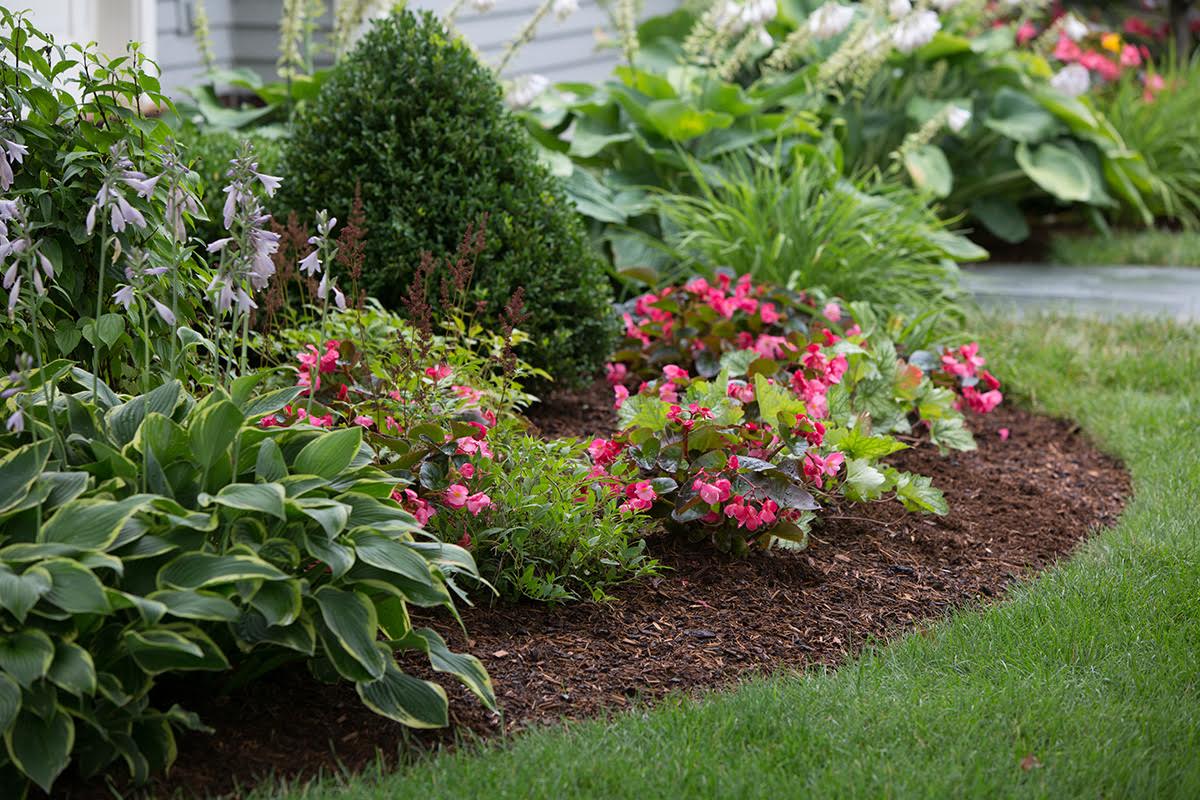
- Shredded bark: Great for shrubs, trees, and general landscape beds.
- Wood chips: Long lasting and good for paths and large beds.
- Pine straw: Light, easy to spread, and useful in many ornamental beds.
- Compost: Excellent for vegetable gardens because it feeds the soil.
- Straw: Good for seasonal vegetable beds, especially around tomatoes and strawberries.
- Leaf mulch: Cheap, natural, and great when shredded well.
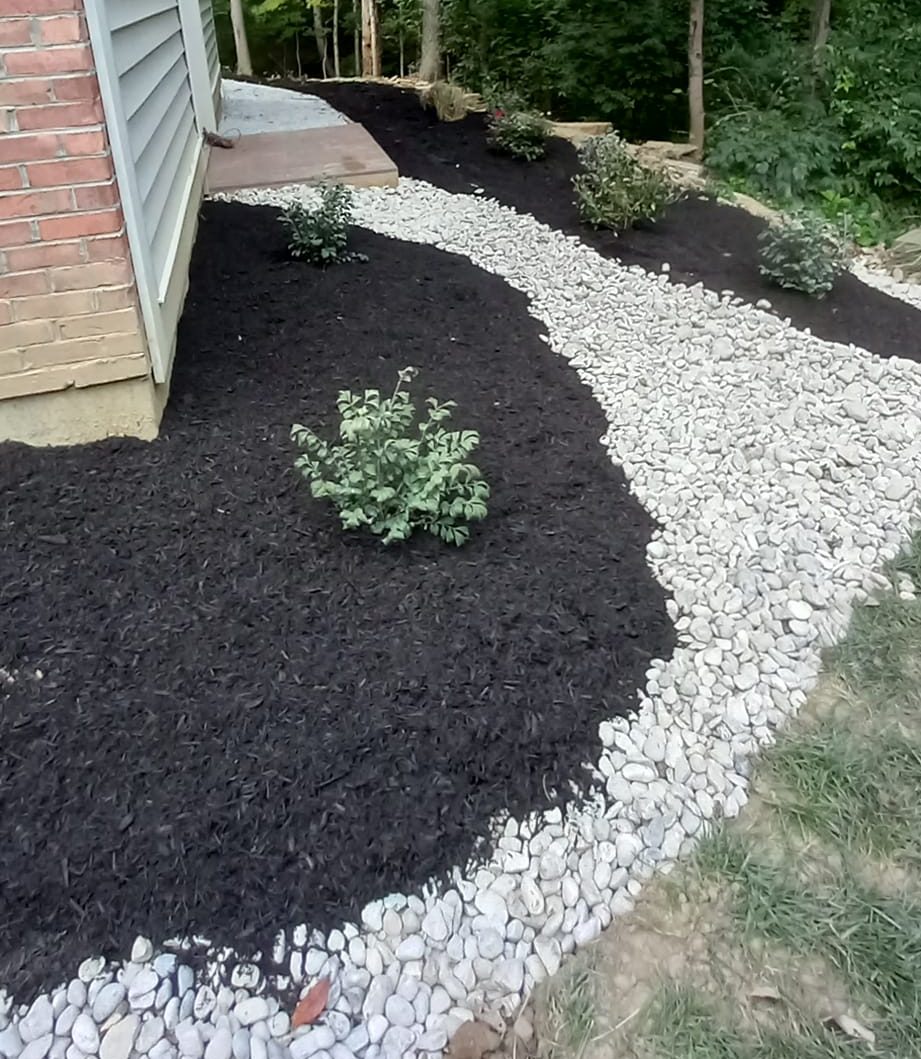
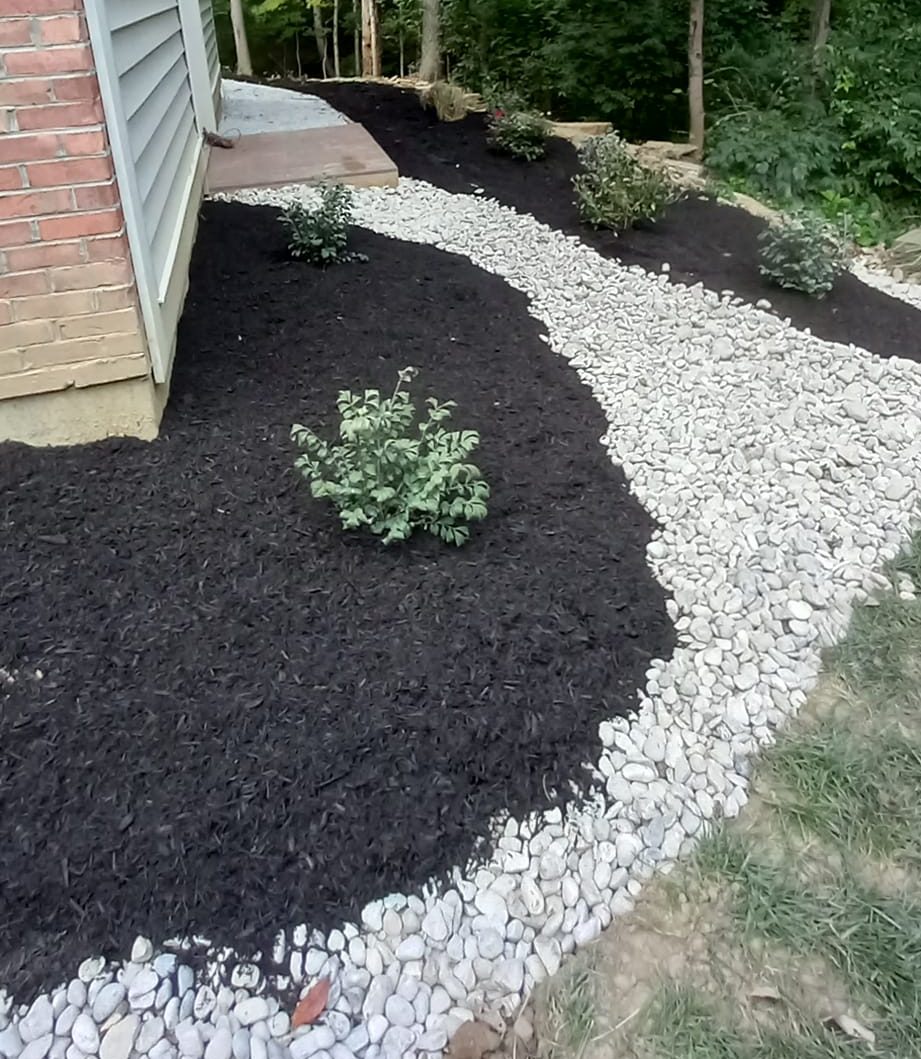
- Gravel or stone: Best for dry landscapes and decorative beds, not for improving soil.
For vegetable gardens, compost, straw, and shredded leaves are usually the most practical. For ornamental beds, bark mulch and wood chips often look cleaner and last longer. If you are trying to build healthy soil, organic mulch is usually the better choice because it breaks down and improves soil structure.
A quick rule from experience: use finer mulch in small beds and coarser mulch in larger beds. Fine mulch looks neat but can break down faster. Coarse mulch lasts longer and holds up better through rain and wind.
Prepare the Bed Before You Mulch
A lot of people rush this part, but prep is what makes mulching garden beds truly effective. If you skip it, weeds can grow right through the mulch, and moisture can still escape from compacted soil.
Before spreading mulch, do this:
- Remove weeds by hand or with a hoe.
- Water the soil if it is very dry.
- Pull mulch away from plant crowns and stems.
- Rake the soil surface smooth if needed.
- Add compost or fertilizer first if your plants need feeding.
If you mulch over weeds, you are basically feeding them a blanket. Some tough weeds will still push through thin mulch layers. I have seen creeping grass punch through bark mulch in less than a month when the bed was not cleaned first.
Also, do not lay mulch over dry, cracked soil and expect it to solve everything. Mulch helps hold moisture in, but it cannot magically fix neglected soil. Think of it like putting a lid on a pot: the pot still needs water inside first.
How to Mulch Garden Beds Step by Step
Once the bed is ready, the actual mulching part is easy. The key is to spread it evenly and at the right depth.
Follow these steps:
- Pick your mulch and measure enough for the area.
- Spread it by hand or with a shovel.
- Keep the layer even across the bed.
- Aim for 2 to 4 inches of mulch for most beds.
- Leave a small gap around plant stems and tree trunks.
- Water lightly after spreading if the mulch is dusty or very dry.
Depth matters more than people think. Too little mulch will not suppress weeds well. Too much mulch can trap too much moisture, which may lead to root rot, pests, or stem problems.
Here is a simple guide:
- 1 to 2 inches: Light coverage, often too thin for weed control.
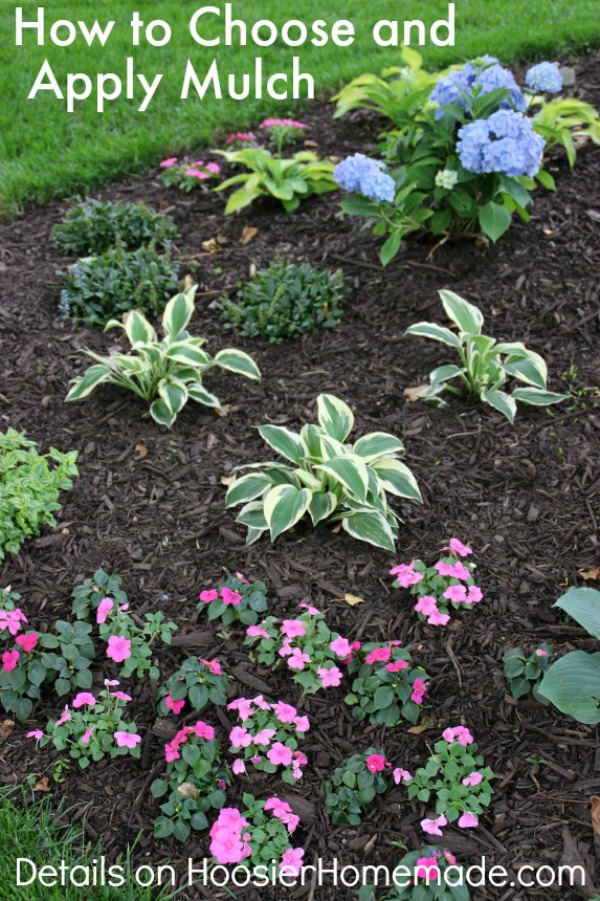
- 2 to 3 inches: Good for most flower beds and shrubs.
- 3 to 4 inches: Useful in weed-prone areas or coarse mulches.
- More than 4 inches: Usually too much unless you are correcting a special problem.
I usually spread mulch a little thinner near delicate plants and a little thicker in open spots where weeds love to move in. That balance helps the bed look neat without smothering the plants.
Mulching Around Different Types of Plants
The way you mulch garden beds should change depending on what is growing there. A bed of roses does not need the same treatment as a bed of tomatoes or hostas.
Flower beds
Flower beds usually do best with bark mulch, shredded hardwood, or pine straw. These materials look natural and help keep moisture stable around roots.
Keep mulch away from direct contact with stems. Many flowering plants do not like wet mulch touching their crown because it can invite rot.
Vegetable beds
Vegetable beds often benefit from compost, straw, or shredded leaves. These options help feed the soil while also reducing weeds.
For crops like tomatoes, peppers, and cucumbers, mulch is especially useful because it helps keep fruits cleaner and reduces soil splash. Straw is a favorite in many gardens for this reason.
Shrubs and trees
Around shrubs and trees, use a wider mulch ring and keep the mulch shallow near the trunk. A mulch volcano around a tree is a common mistake and one I always warn people about.
Instead, make a flat, donut-shaped ring. The mulch should not touch the bark. Tree bark needs to breathe, and piled mulch can hold moisture against it for too long.
Perennials
Perennials often benefit from a moderate layer of organic mulch. It protects roots through temperature swings and helps keep the bed tidy.
Just remember that some perennials prefer drier crowns. If a plant is prone to rot, keep mulch farther back from the base.
Common Mistakes to Avoid
Even simple garden tasks can go wrong if you rush. Mulching garden beds is no exception. These are the mistakes I see most often:
- Applying mulch too thickly
- Piling mulch against stems or trunks
- Mulching over weeds instead of removing them first
- Using fresh wood chips too close to annual vegetables without soil support
- Letting mulch mat down into a water-repelling layer
- Using the wrong mulch for the climate or plant type
One mistake I made early on was using a very fine mulch in a windy spot. It looked great for a week, then scattered all over the sidewalk after one storm. Since then, I pay attention to texture, slope, and weather before I spread anything.
Mulch also needs occasional refreshment. If it breaks down into a soggy crust or disappears almost completely, it is time to replenish. A faded bed does not always need a full new layer, just a smart top-up.
When to Mulch Garden Beds
Timing matters more than many gardeners realize. The best time to mulch garden beds depends on your climate and your plants.
In spring, mulch helps warm the soil slowly while holding moisture as temperatures rise. In summer, it helps reduce water loss and protects roots from heat stress. In fall, mulch can help insulate the soil as temperatures drop.
Here are some timing tips:
- Spring mulch works well after the soil begins warming.
- Summer mulch helps conserve water during heat.
- Fall mulch can protect roots before winter.
- Do not mulch frozen soil unless you are protecting dormant beds for winter.
If you mulch too early in spring, you may slow soil warming. That can delay growth in cool-season gardens. On the other hand, waiting too long in summer can leave soil exposed during the hottest stretch of the year.
How Much Mulch You Need
A common question is how much mulch to buy. The answer depends on the bed size and the depth you want.
For most garden beds, 2 to 4 inches is enough. A cubic yard of mulch covers about 100 square feet at 3 inches deep, though exact coverage changes with the material.
A simple estimate:
- 100 square feet at 2 inches deep needs about 0.6 cubic yards
- 100 square feet at 3 inches deep needs about 0.9 cubic yards
- 100 square feet at 4 inches deep needs about 1.2 cubic yards
When in doubt, buy a little extra. Running out halfway through the job is frustrating, and mixing different batches later can create uneven color and texture.
Benefits of Mulching Garden Beds
When people ask how to mulch garden beds, they are often really asking whether the effort is worth it. In almost every case, the answer is yes.
The main benefits include:
- Less time spent weeding
- Better moisture retention
- Healthier root systems
- Lower soil temperature swings
- Cleaner-looking beds
- Reduced erosion from rain and wind
- Improved soil quality over time with organic mulch
In my own gardens, mulch has saved more time than almost any other maintenance habit. A well-mulched bed needs fewer waterings and far less cleanup after a storm. It is like giving your garden a steady, quiet helper.
Research from university extension programs has long supported the value of mulch for weed suppression, moisture retention, and soil health. That matches what many gardeners see in practice year after year. The science and the lived experience point in the same direction.
How to Maintain Mulched Beds
Mulch is not a one-and-done task. It needs light maintenance to stay effective.
Check your beds every few weeks and look for these signs:
- Mulch has thinned out and soil is showing through
- Weeds are breaking through the surface
- Mulch is matted or crusted
- Water runs off instead of soaking in
- Mulch is touching stems or trunks
If the mulch looks flat and tired, fluff it gently with a rake. If it has decomposed too much, add a fresh layer on top. You usually do not need to remove all the old mulch unless it has become sour, compacted, or infested with pests.
Fresh mulch should not smell rotten. If it does, something is wrong. In that case, remove the bad material, let the soil breathe, and replace it with cleaner mulch.
Best Practices for Organic Mulch
Organic mulch is often the best choice for home gardens because it supports the soil as it breaks down. Still, you want to use it wisely.
Good habits include:
- Choose mulch that matches the plant type
- Add compost under vegetable mulch when needed
- Refresh mulch as it decomposes
- Keep mulch loose enough for air and water to move through
- Avoid burying the base of plants
Shredded leaves, compost, bark, and straw all behave a little differently. Some feed the soil quickly, while others last longer and look better for a longer stretch. If you are trying to grow food, the soil-building benefit matters a lot.
Best Practices for Inorganic Mulch
Inorganic mulch can work well in certain spaces, but it has limits. It does not improve soil the way organic mulch does, and it can heat up more in strong sun.
Common inorganic choices include:
- Gravel
- River rock
- Decorative stone
- Rubber mulch in some play or landscape areas
These materials are often used in dry gardens, paths, and decorative beds. They can be useful where you want long-term weed control and very low maintenance.
Still, they are not the best fit for most vegetable beds. They can make future soil improvement harder, and they usually do not support soil life the way organic mulch does.
Frequently Asked Questions of how to mulch garden beds
How deep should mulch be in garden beds?
Most garden beds do best with 2 to 4 inches of mulch. Thin layers do not block weeds well, while overly thick layers can trap too much moisture and stress plant roots.
Should I remove old mulch before adding new mulch?
Usually, no. If the old mulch is healthy and not compacted, you can spread a fresh layer on top. Remove it only if it has become sour, moldy, pest-filled, or matted into a crust.
Can I use grass clippings as mulch?
Yes, but only in thin layers and preferably after they dry a bit. Thick wet clumps can turn slimy and block air movement, which is bad for most beds.
Is mulch good for vegetable gardens?
Yes, mulch is very helpful in vegetable gardens. Compost, straw, and shredded leaves can reduce weeds, hold moisture, and keep soil from splashing onto leaves and fruits.
How often should I replace mulch?
Most organic mulch needs topping up once a year or every couple of years, depending on the material. Wood chips and bark last longer, while straw and leaves break down faster.
Conclusion
Learning how to mulch garden beds is one of those garden skills that pays off fast. It helps control weeds, save water, protect roots, and make your beds look cared for with less effort. If you choose the right mulch, spread it at the right depth, and avoid the common mistakes, your garden will thank you season after season.
Start with one bed, watch how it changes, and adjust as you go. That hands-on approach is usually the best teacher in gardening. If this guide helped you, try it in your own yard, share your results, and keep learning from each season.