Garden Rake Vs Leaf Rake: Which Tool Is Best For Your Yard
Garden rake best for soil work; leaf rake best for leaves, lawn cleanup, and light debris.
I have spent years tending yards and advising homeowners on tools. This guide on garden rake vs leaf rake explains differences, uses, and buying tips so you pick the right tool with confidence. Read on for clear comparisons, hands-on tips, and simple steps to make raking easier and faster.

What is a Garden Rake?
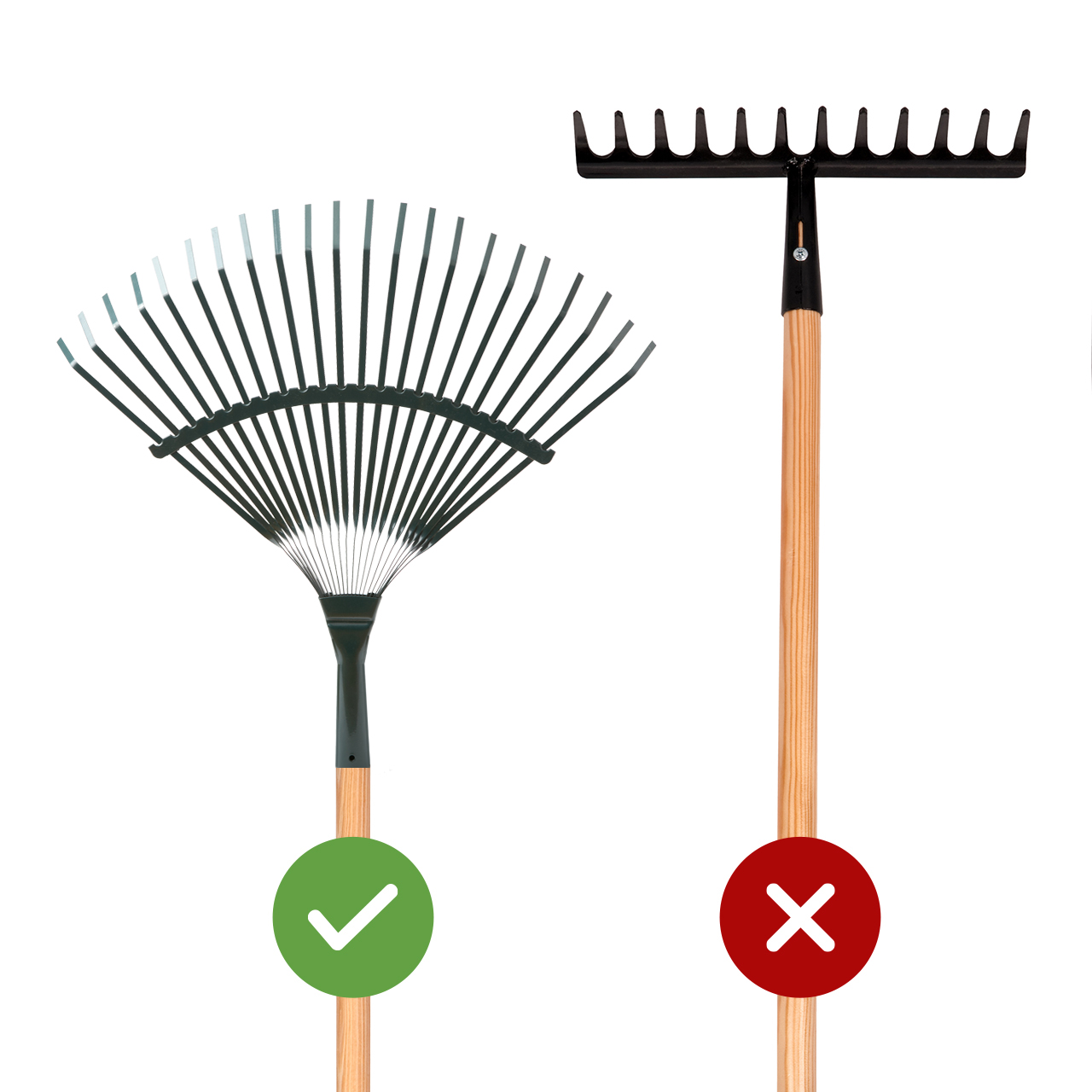
A garden rake is a sturdy tool with short, rigid tines set close together. It is built to break soil, spread compost, clear rocks, and level beds. Garden rakes often have a heavy metal head and a shorter handle for leverage and force.
What is a Leaf Rake?
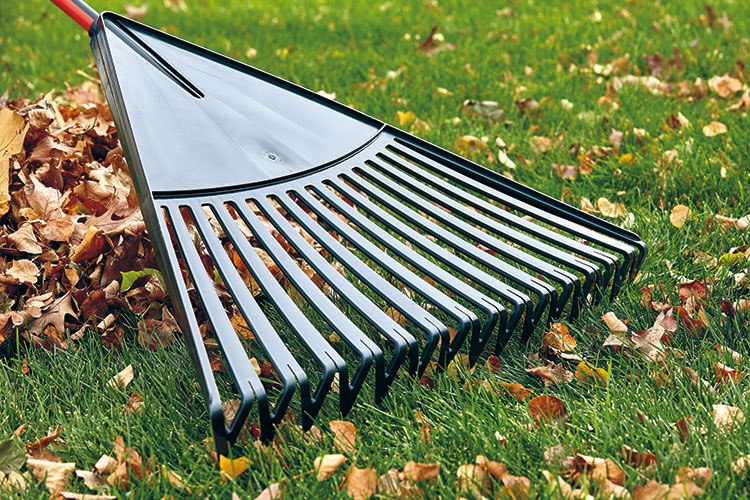
A leaf rake has thin, flexible tines that fan out wide across the lawn. It is made to gather leaves, grass clippings, and light yard debris without damaging turf. The head is usually lighter and wider than a garden rake, and the handle is longer for standing work.

Key Differences: garden rake vs leaf rake
Understanding the main differences helps you choose the right tool for the job.
- Tine design and material
- garden rake: short, rigid metal tines for moving soil and debris.
- leaf rake: long, flexible tines made from plastic, metal, or bamboo to gather leaves gently.
- Head width and shape
- garden rake: narrow and rectangular to concentrate force.
- leaf rake: wide and fan-shaped to cover large areas quickly.
- Typical uses
- garden rake: soil leveling, breaking clumps, spreading mulch, rock removal.
- leaf rake: leaf collection, light thatch removal, cleanup on lawns and flower beds.
- Handle length and leverage
- garden rake: shorter handle for better force and control.
- leaf rake: longer handle for standing and wider reach.
- Weight and durability
- garden rake: heavier and built to last under stress.
- leaf rake: lighter; some plastic heads can wear out faster.
- Effect on plants
- garden rake: can disturb roots and soften soil.
- leaf rake: gentle on grass and shallow roots.
When comparing garden rake vs leaf rake, remember they are designed for different tasks. Use the right one to protect plants and reduce work time.

When to Use Each Rake
Choose by task, surface, and season.
- Use a garden rake when:
- You prepare beds for planting.
- You need to break clods or level soil.
- You remove gravel or heavy debris.
- Use a leaf rake when:
- You collect fallen leaves and pine needles.
- You clear grass clippings after mowing.
- You lightly clean around shrubs and hard-to-reach areas.
Common quick questions people ask about garden rake vs leaf rake:
- What if I only buy one rake — which should it be?
- If forced to choose, pick the rake that matches your typical needs: soil work get a garden rake; leafy lawns get a leaf rake.
- Can I use a leaf rake on soil?
- You can, but it won’t move heavy soil or rocks. It may bend or break if used for tough jobs.
- Will a garden rake damage my lawn?
- A garden rake can damage turf if used carelessly. Use it only for soil work, not regular leaf clearing.
How to Choose the Right Rake
Follow simple steps to pick a rake that fits your yard and body.
- Assess your yard
- If you have garden beds and soil work, favor a garden rake.
- If you have lots of trees and lawn leaf cleanup, favor a leaf rake.
- Check handle length
- Choose a handle that lets you stand straight and reach comfortably.
- Look at head material
- Metal heads last longer for heavy work.
- Plastic or bamboo heads are lighter and gentle on grass.
- Consider adjustable or telescoping handles
- These add versatility for different jobs and users.
- Think about storage and budget
- A good mid-range rake will last years if you care for it.
When weighing garden rake vs leaf rake, think about frequency of use and the main tasks you need to accomplish. A small investment in the right rake saves time and strain.

Maintenance and Care
Simple care keeps a rake effective and safe.
- Clean after use
- Remove dirt and debris from tines.
- Rinse and dry metal parts to prevent rust.
- Store properly
- Hang rakes to avoid bending tines.
- Keep plastic heads out of direct sun to avoid warping.
- Repair or replace
- Tighten loose heads and replace broken tines.
- Swap a worn plastic leaf rake head for a metal one if needed.
- Seasonal tips
- Oil wooden handles once a year.
- Inspect before spring work for damage.
Good upkeep makes any rake safer and more effective.

Personal Experience and Practical Tips
I have raked both small yards and large properties for years. Here are lessons I learned the hard way.
- Mistakes to avoid
- Using a garden rake for leaves bent the tines and made my lawn patchy.
- Using a flimsy plastic leaf rake on wet leaves broke the head mid-job.
- Time-saving tips
- Use a wide leaf rake for open lawns and switch to a garden rake near beds.
- Rake leaves when dry for easier collection and less weight.
- Ergonomic tips
- Bend at the knees, not the back, when raking piles.
- Choose a handle length that matches your height to prevent strain.
- Cost vs value
- Spending a little more on a quality garden rake saved me time and replacements.
- A flexible, wide leaf rake paid off for autumn cleanup.
I prefer owning both a garden rake and a leaf rake. That combo made seasonal work faster and kept plants healthy. When debating garden rake vs leaf rake, consider how often you’ll use each tool and for what tasks.

Frequently Asked Questions of garden rake vs leaf rake
Which rake is better for preparing a vegetable bed?
A garden rake is better because it breaks clumps and levels soil. The rigid tines help create an even seedbed.
Can a leaf rake remove thatch from a lawn?
A leaf rake can remove light thatch, but it won’t replace a dethatching rake for dense, compacted thatch. Use it for light maintenance.
Is a metal leaf rake worth the extra cost?
Yes, metal heads last longer and handle damp leaves better than cheap plastic models. They are heavier but more durable.
How long should a rake handle be for an average adult?
A handle between 48 and 60 inches suits most adults and reduces back strain. Taller users may prefer longer handles.
Can I use one rake for both soil and leaves in a small yard?
You can, but it means trade-offs: a sturdy garden rake can harm grass, and a leaf rake won’t move heavy soil. If space allows, keep both types.
How often should I replace a leaf rake?
Replace when tines break or the head becomes warped and ineffective. With regular care, a quality leaf rake can last several seasons.
Conclusion
Knowing the difference between garden rake vs leaf rake helps you work smarter, not harder. Choose a garden rake for soil and heavy tasks, and a leaf rake for gentle cleanup and leaves. Take care of your tools, pick the right size, and use proper technique to save time and protect your yard. Try using both tools this season and notice how much easier chores become. Share your experience, subscribe for more tips, or leave a comment about which rake worked best for you.