Spring Bulbs Vs Summer Bulbs: Which To Plant When
Spring bulbs bloom early for cool-season color; summer bulbs flower later and prefer warm weather.
I’ve spent a decade designing seasonal gardens and testing bulbs in both city beds and country plots, so I know how dramatic the difference can be between spring bulbs vs summer bulbs. This guide breaks down how these two groups behave, when to plant them, what soils and climates they prefer, and how to use them together to create long-lasting color. Read on for clear, practical advice, real-world tips, and easy planting plans you can use this season.

Understanding spring bulbs vs summer bulbs
Spring bulbs and summer bulbs are grouped by their bloom season and growth cycle. Spring bulbs form flowers in cool weather, often emerging as soon as soil warms in late winter or early spring. Summer bulbs wait for warmth and send up blooms from late spring through summer.
Spring bulbs often go dormant after flowering and store energy in a bulb or tunic. Summer bulbs may be true bulbs, corms, tubers, or rhizomes and need active care through the warm months. Knowing the difference between spring bulbs vs summer bulbs helps you plan staggered color and avoid overcrowding.
Common traits compared:
- Bloom timing: spring bulbs first, summer bulbs later.
- Storage form: many spring bulbs are tunicate bulbs; summer types include tubers and corms.
- Cold need: spring bulbs often need chilling; many summer bulbs do not.

Types and popular varieties
Spring bulbs
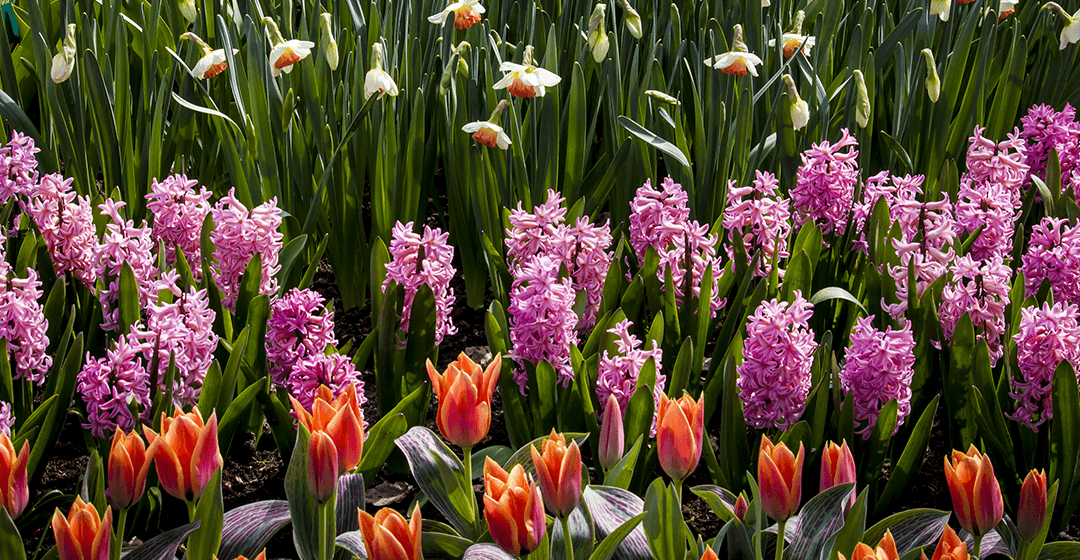
- Tulips: classic, wide color range and formal shapes.
- Daffodils: reliable, deer-resistant bulbs that naturalize well.
- Crocus and snowdrops: early bloomers that push through late snow.
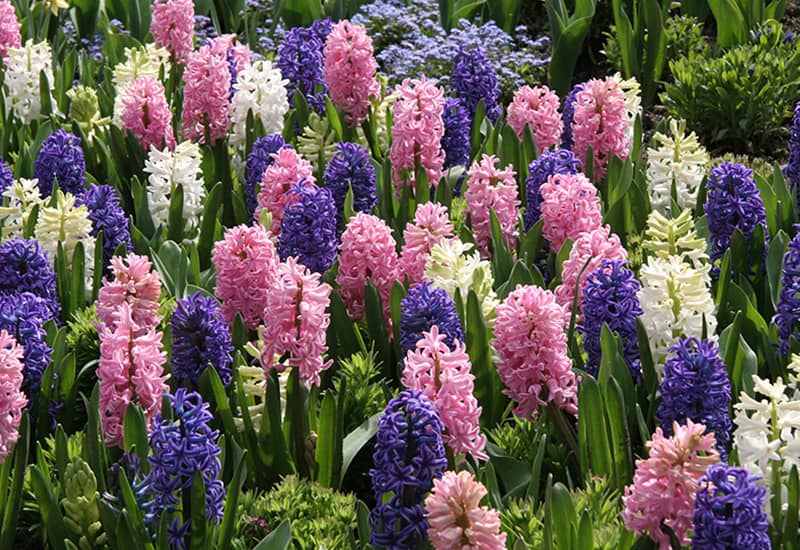
- Hyacinths: fragrant spikes best in cool beds or containers.
Summer bulbs
- Dahlias: rich colors and diverse forms, tuberous roots.
- Gladiolus: tall spikes ideal for cut flowers, from corms.
- Lilies: true bulbs with strong stems and large flowers.
- Begonias and caladiums: tuberous bulbs for shade and containers.
Each group includes species and cultivars that suit different garden roles. When thinking about spring bulbs vs summer bulbs, consider both aesthetic role and technical needs.
Planting time, climate, and soil needs
Timing and chill requirements determine success. Plant spring bulbs in fall, before hard frost sets in. They need a cold period to trigger blooms. Plant summer bulbs in spring after the last frost, when soil warms.
Soil and site basics:
- Drainage: both groups need well-drained soil; soggy ground rots bulbs.
- Soil mix: add compost or gritty material to heavy clay.
- Sun exposure: spring bulbs tolerate part shade; many summer bulbs prefer full sun.
PAA-style questions
When should you plant spring bulbs?
Plant spring bulbs in fall, about 6–8 weeks before the ground freezes, so roots can form before winter.
Can you plant summer bulbs in fall?
Most summer bulbs should be planted in spring; in cold zones some tubers are lifted and stored over winter instead.
Do spring bulbs need special soil?
Spring bulbs prefer loose, well-drained soil with moderate fertility and a neutral to slightly acidic pH.

Care, maintenance, and common problems
Basic care differs by season. For spring bulbs, water at planting and again in early spring. Allow foliage to yellow naturally after flowering to feed the bulb for next year. For summer bulbs, keep soil evenly moist during growth and deadhead spent blooms to encourage more flowers.
Common issues and fixes:
- Rot and soggy beds: raise planting beds or add grit.
- Rodents digging bulbs: plant deeper or use wire cages.
- Poor bloom: ensure bulbs get adequate chill and avoid overcrowding.
Fertilizing tips:
- Apply a balanced bulb fertilizer at planting and after bloom for spring bulbs.
- For summer bulbs, feed during active growth with a low-nitrogen, high-phosphorus formula.
Design uses and landscape planning
Using spring bulbs vs summer bulbs together gives longer color. Plan succession beds that start with crocus and snowdrops, move into tulips and daffodils, and then hand off to dahlias and lilies. Layer bulbs by height and bloom time for continuous interest.
Planting ideas:
- Under trees: spring bulbs thrive under deciduous trees before shade fills in.
- Mixed borders: use spring bulbs for early structure and summer bulbs for height and drama.
- Containers: force spring bulbs in pots and add summer tubers later for season-long containers.
Personal approach: I plant in drifts for a natural look and group summer bulbs near late-summer perennials for strong visual ties.

Benefits and limitations
Benefits of spring bulbs
- Early season color and pollinator food.
- Many naturalize and return year after year.
- Low maintenance once planted.
Limitations of spring bulbs
- Short bloom window for some species.
- Some require lift-and-store in hot climates.
Benefits of summer bulbs
- Long and prolific bloom periods.
- Bold shapes and colors that fill gaps after spring fades.
- Many offer excellent cut flowers.
Limitations of summer bulbs
- More active care in warm months.
- Some require frost protection or lifting in cold climates.
When deciding between spring bulbs vs summer bulbs, weigh weekly maintenance, climate realities, and design goals.

Personal experience and practical tips
From years of trial beds, I learned small practices make big differences. I once planted tulips in shallow clay and lost half to rot; raising the bed solved it. Another season I mixed dahlias with late-blooming salvias and had continuous color until frost.
Practical tips I use and recommend:
- Stagger planting depth slightly deeper for wet sites.
- Label bulbs at planting to avoid accidental removal.
- Lift tender tubers in cold zones and store in slightly damp peat to prevent shriveling.
- Keep a quick diary: note planting dates, varieties, and bloom times to refine next season.
These hands-on habits save time and improve results for both spring bulbs vs summer bulbs.

Frequently Asked Questions of spring bulbs vs summer bulbs
What is the main difference between spring bulbs and summer bulbs?
Spring bulbs bloom in cool weather and are usually planted in fall; summer bulbs bloom in warm weather and are planted in spring. The groups also differ in storage form and care needs.
Can spring bulbs and summer bulbs be planted together?
Yes. Stagger planting so spring bulbs do most of their growth before summer bulbs need full access to space and light. Use layering and drifts for smooth transitions.
Do spring bulbs need to be lifted every year?
Not always. Many spring bulbs like daffodils naturalize and can stay in place, while tulips may perform better if lifted in warm climates or after a few seasons.
How deep should bulbs be planted?
A good rule is three times the bulb’s height for depth. Plant smaller bulbs shallower and larger bulbs deeper to protect from frost and pests.
How do I prevent pests from eating bulbs?
Plant bulbs deeper, use wire cages, and choose pest-resistant species. In high-rodent areas, plant tougher bulbs like daffodils or use repellent measures.
Are any bulbs toxic to pets?
Yes; some bulbs like daffodils and tulips contain compounds that can be toxic to pets. Keep curious pets away and consult a vet if ingestion is suspected.
Can bulbs be forced indoors?
Many spring bulbs can be chilled and forced to bloom indoors for winter or early spring displays. Follow chill periods and gradual warming for best results.
Conclusion
Choosing between spring bulbs vs summer bulbs is not an either-or decision. Use spring bulbs for early impact and summer bulbs to carry color through heat. Start by matching bulbs to your climate, soil, and design goals, then layer planting for continuous bloom.
Takeaway: plan for succession, protect bulbs from excess moisture, and keep notes to improve each year. Try one new variety this season and watch how timing and color transform your garden. Leave a comment with your favorite bulbs or subscribe to get seasonal planting reminders.