Garden Fork Vs Spade: Which Tool Is Best For You
Choose a garden fork for loosening soil, a spade for cutting turf and edging.
I’ve spent years digging beds, dividing perennials, and turning compost, so I know the real strengths and limits of each tool. This guide compares garden fork vs spade with clear, practical advice so you can pick the right tool, avoid common mistakes, and get better results fast. Read on for hands-on tips, buying advice, and simple maintenance steps that save time and effort.

Understanding the garden fork and the spade
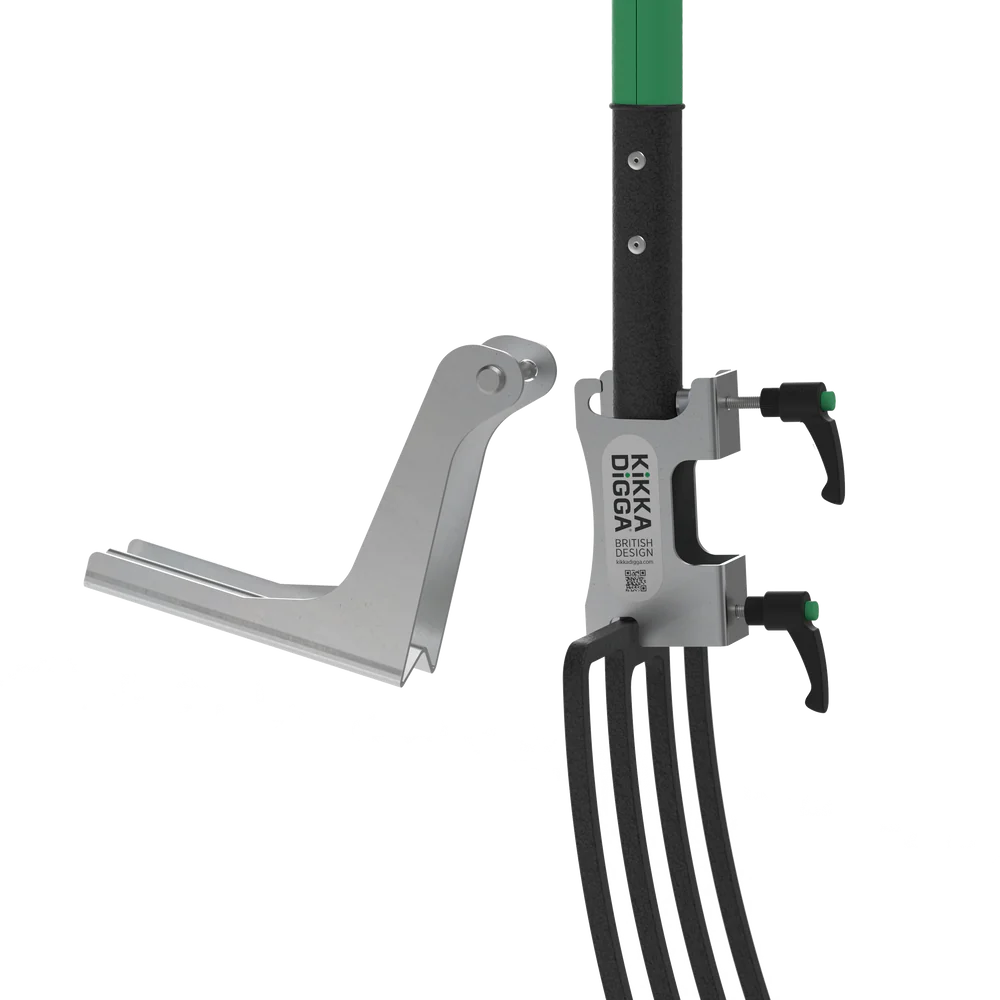
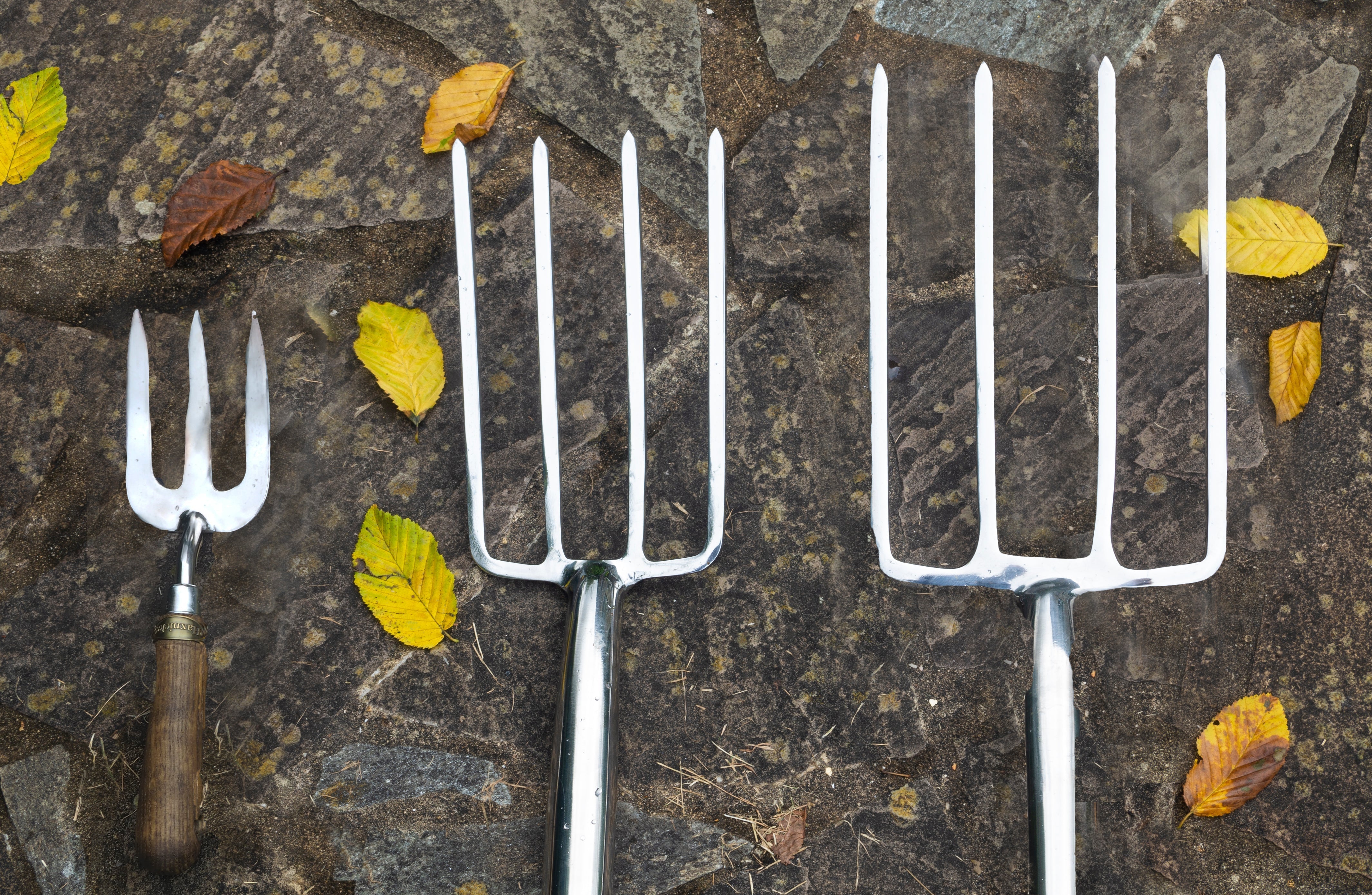
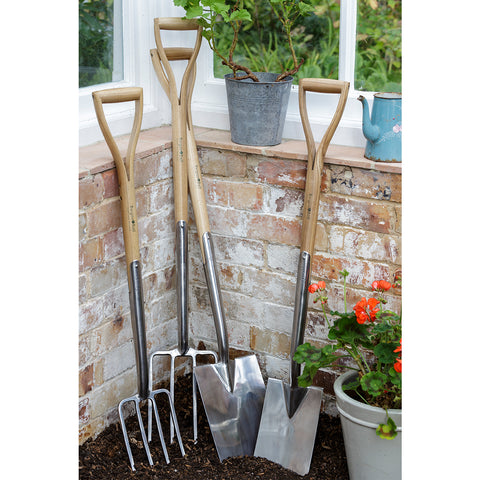
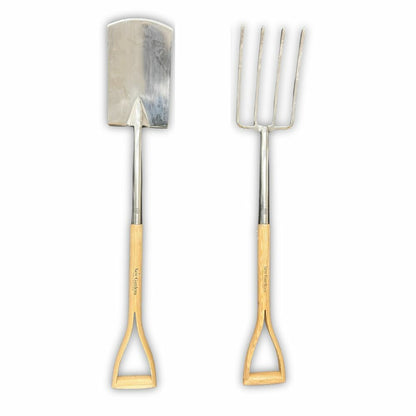
A garden fork has several long, stout tines set into a head. It looks like a pitchfork but with thicker tines and a shorter handle. A spade has a flat, often square blade with a straight edge made for cutting into soil and turf. Both tools share some tasks, but each excels at different jobs.
I use a garden fork when I want to loosen compacted soil without slicing roots. I reach for a spade when I need clean cuts, neat edges, or to lift sod. This hands-on view will show when to choose one over the other and why the garden fork vs spade choice matters for soil health and garden ease.
Key differences: garden fork vs spade
- Purpose and action
- Garden fork: lifts and loosens soil by prying and aerating. It moves soil gently and keeps root clumps more intact.
- Spade: slices, digs, and edges. It cuts through sod, roots, and dense soil cleanly.
- Head design
- Garden fork: 3 to 5 tines, spaced to let soil fall through.
- Spade: flat blade with a sharp or rounded edge for cutting.
- Soil interaction
- Garden fork: best for breaking up heavy, compacted soil and improving drainage.
- Spade: best for slicing turf, dividing plants, and creating straight edges.
- Root and plant impact
- Garden fork: gentler on roots; ideal for harvesting root crops and dividing clumps.
- Spade: can sever roots cleanly, useful when removing plants or cutting through roots.
- Ergonomics and effort
- Garden fork: usually requires stepping on the head and levering back; less heavy cutting force.
- Spade: needs driving force to cut; often more tiring on turf work but faster for clean cuts.

When to use a garden fork vs spade
- Use a garden fork when you need to:
- Aerate compact soil without turning it over entirely.
- Harvest potatoes and root vegetables.
- Break up clods after frost or heavy rain.
- Mix compost into beds without chopping up the soil structure.
- Use a spade when you need to:
- Cut turf and lift sod.
- Create straight edges and clean beds.
- Dig planting holes for shrubs and trees.
- Cut through tough roots or heavy clay that needs slicing.
Can a garden fork replace a spade?
A garden fork cannot fully replace a spade. The fork is gentler and better for aeration and lifting roots, while the spade gives clean cuts and precise edges.
Which tool is better for clay soil?
A garden fork often beats a spade in heavy clay because it loosens soil without compacting it further. Use a spade for initial cutting to open a patch, then fork to break clods and improve drainage.
Choosing the right tool: size, handle, and materials
- Head material
- Steel heads last longer. Look for forged or heat-treated steel for toughness.
- Handle type
- Ash or hickory wood offers good shock absorption. Fiberglass handles are lighter and resist weather.
- Handle length
- Short handles give control for digging and precision. Long handles add leverage for heavy digging or deep beds.
- Weight and balance
- Heavier heads drive through soil easier but tire you faster. Find a balance that matches your strength.
- Grip and D-handle
- D-handles work well with spades for pushing and pulling. T-bar or straight handles work well with forks for leverage.
Personal tip: I once bought a very light fork to save effort and found the head bent after a season of rocky soil. Invest in a well-made head first, and pair it with a comfortable handle to avoid repeats of that mistake.
Care, maintenance, and safety
- Cleaning
- Remove soil after each use. A quick scrub prevents rust and crop disease transfer.
- Sharpening and straightening
- Sharpen spade edges lightly with a file for cleaner cuts. Straighten bent fork tines with a hammer and anvil or stable surface.
- Rust prevention
- Wipe tool heads with oil after cleaning to slow rust. Store indoors or under cover.
- Storage
- Hang tools off the floor to keep handles dry and heads safe.
- Safety tips
- Wear gloves and sturdy shoes. Keep bystanders clear when levering or digging. Lift with your legs, not your back.
Common mistakes and pro tips
- Mistake: Using a spade to fork soil
- Why it hurts: You can over-compact soil or damage structure. Use the fork to lift and aerate.
- Mistake: Using a fork to cut turf
- Why it hurts: The tines do not give a clean cut and can leave ragged edges. Use a spade for turf.
- Tip: Combine both tools
- Use a spade to cut an edge and a fork to finish loosening. This method saves time and protects roots.
- Tip: Match tool to task, not to habit
- Think about the job first. The right tool can halve the work.
- Tip: Test your soil
- In heavy clay, loosen with a fork then incorporate organic matter. In loose sandy soil, a spade works well for neat beds.
Frequently Asked Questions of garden fork vs spade
What is the main difference between a garden fork and a spade?
The main difference is in the head: a fork has tines for lifting and loosening, while a spade has a flat blade for cutting and edging. Each tool suits specific tasks and soil types.
Can I use a garden fork to dig planting holes?
Yes, you can dig small planting holes with a garden fork, especially in looser soil. For deep or precise holes, a spade often makes cleaner cuts.
How do I sharpen a spade safely?
Use a mill file along the beveled edge, keeping the angle consistent and removing small amounts at a time. Wear gloves and secure the spade before sharpening.
Is a garden fork good for harvesting potatoes?
Yes, a garden fork is ideal for lifting potatoes and other root crops because it lifts clumps gently and reduces damage. Work from the edge of the row to minimize cuts.
Which tool is best for dividing perennials?
A garden fork is usually best because it teases roots apart without slicing them. Use a spade only if you need to cut through very dense roots cleanly.
Conclusion
Choosing between a garden fork vs spade comes down to the job and soil. Use a fork to loosen and lift, and a spade to cut and edge. Try both on small tasks to learn their feel and strengths. Act now: inspect your shed, pick the right tool for the season, and test the method on a small bed to see immediate gains. Share your experience or ask a question below to keep the conversation going.