Determinate Vs Indeterminate Tomatoes: Which Should You Grow
Determinate tomatoes stop at a set height and fruit all at once; indeterminate keep growing and fruit over time.
I’ve grown tomatoes for years and helped gardeners choose what fits their space and goals. This guide clearly explains determinate vs indeterminate tomatoes, how they grow, when to pick them, and which types work best for containers, small gardens, or canning. Read on for practical tips, mistakes to avoid, and easy steps you can use in your next planting season.

What are determinate vs indeterminate tomatoes?
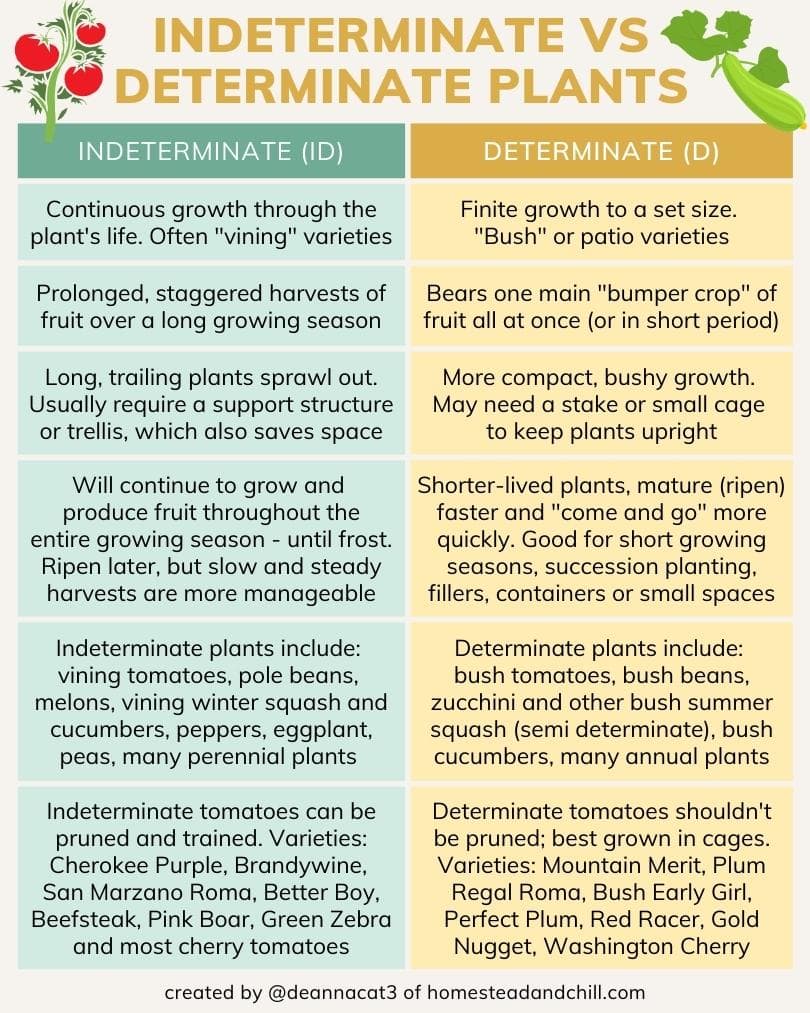
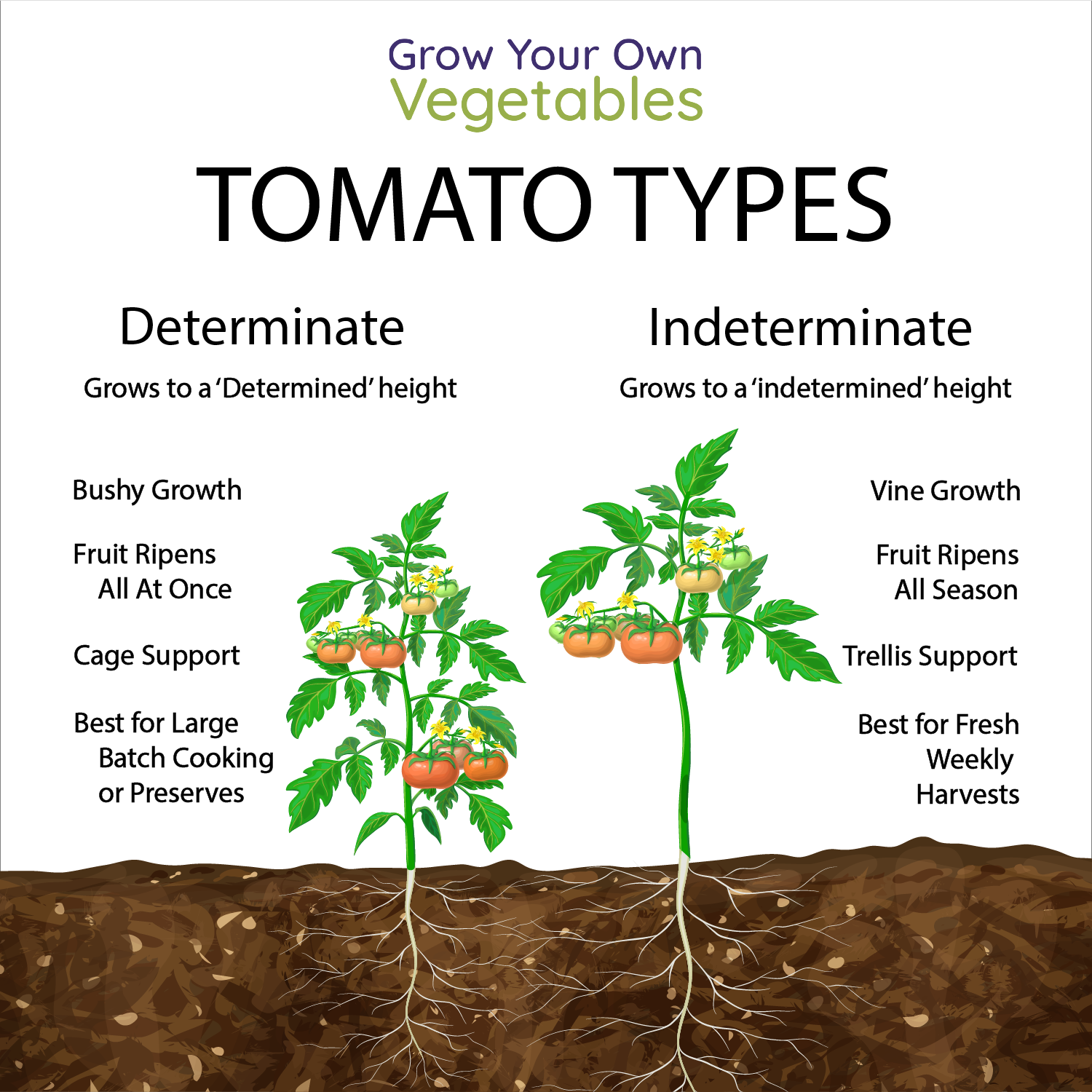
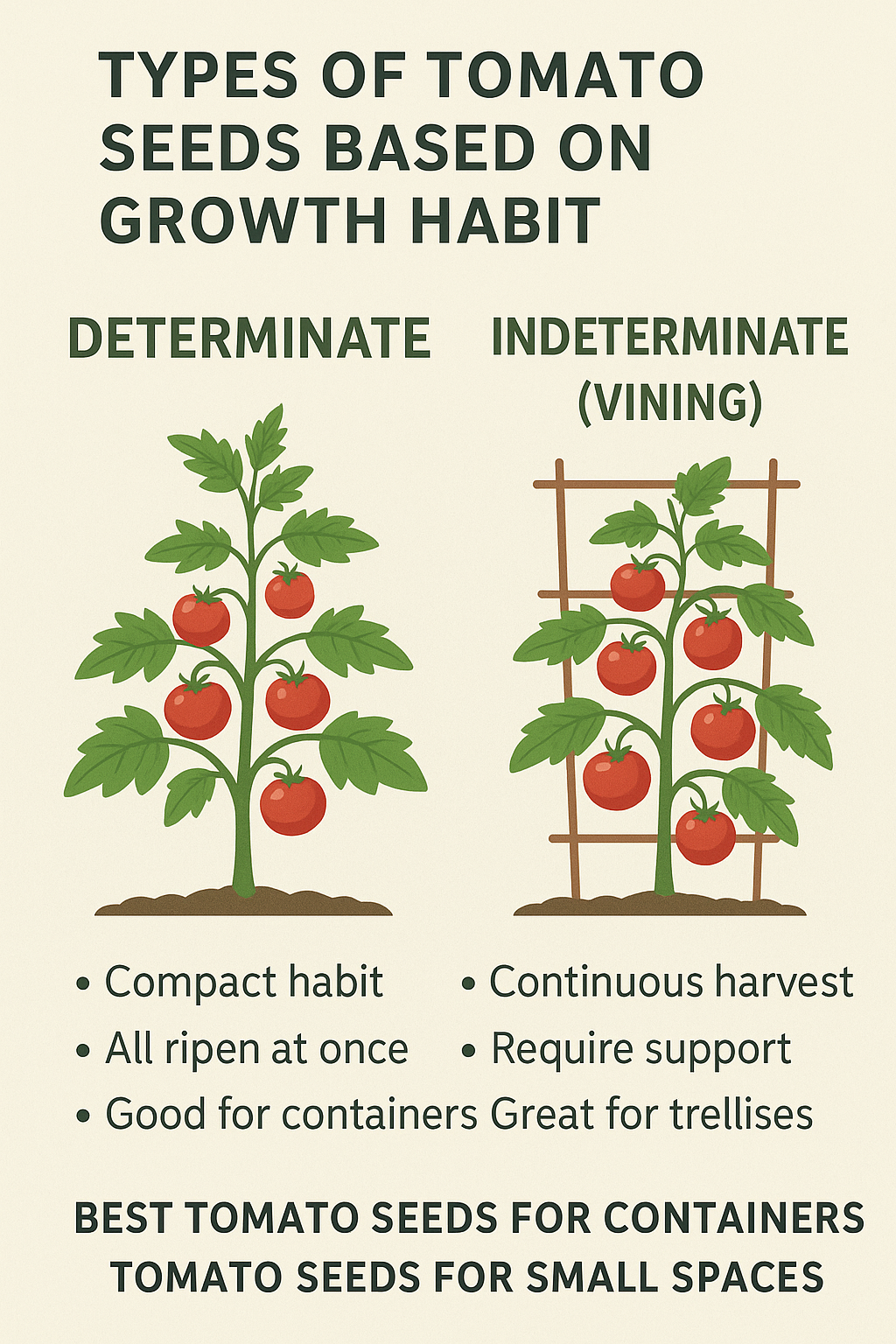
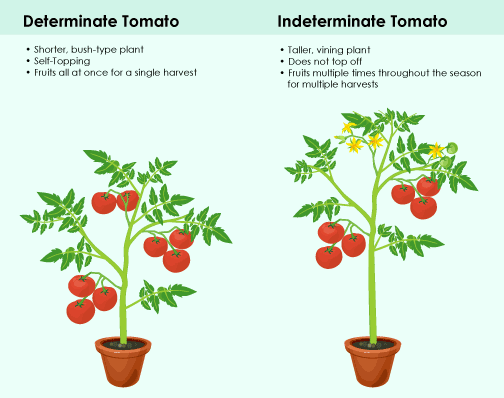
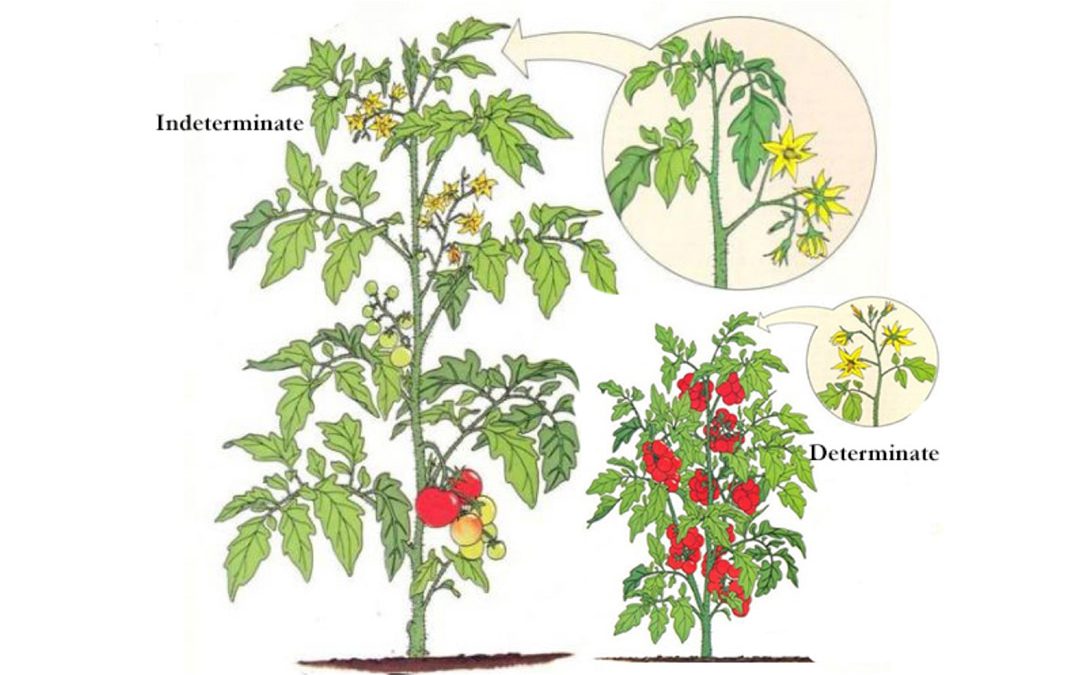
Determinate vs indeterminate tomatoes describe two growth habits. Determinate plants grow to a set height. They form flower clusters and then stop growing. This leads to a concentrated harvest over a few weeks. Indeterminate plants grow and produce fruit all season until frost. They keep sending out new shoots, leaves, and flowers. This means a steady harvest over many weeks. The difference matters for space, staking, pruning, and harvest planning.

Key differences: garden planning and timing
Here are the main contrasts between determinate vs indeterminate tomatoes in clear points.
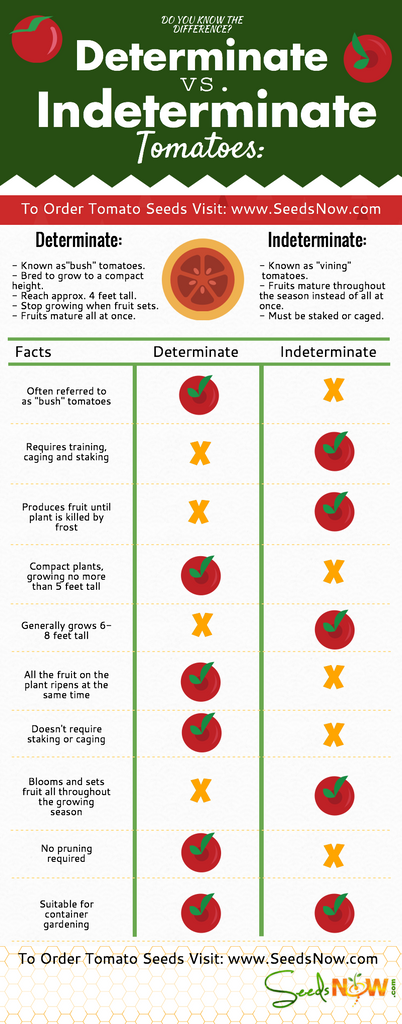
- Growth habit. Determinate stop at a fixed size. Indeterminate keep growing and vining.
- Fruiting pattern. Determinate give a big, concentrated crop. Indeterminate give a steady stream.
- Support needs. Determinate need minimal staking. Indeterminate need strong stakes or cages.
- Pruning. Determinate usually need little pruning. Indeterminate benefit from regular pruning.
- Best uses. Determinate suit canning and mechanical harvest. Indeterminate suit fresh eating over the season.
If you want a big batch for sauce, determinate often wins. If you want fresh tomatoes in salads for months, indeterminate is better. These points help pick seeds and plan garden space.
How to grow each type: practical tips
Growing tips separated by type make things simple. I keep instructions short and actionable.
Determinate tomatoes
- Plant deeply and give steady water.
- Use short cages or small stakes.
- Harvest often during peak ripening weeks.
- Avoid heavy pruning; flowers form on ends of branches.
Indeterminate tomatoes
- Install tall stakes or strong cages early.
- Prune suckers lightly to direct energy to fruit.
- Provide consistent feed and water for continued production.
- Remove lower leaves to reduce disease risk and improve airflow.
I once planted determinate and indeterminate side by side. The determinate filled my kitchen with ripe fruit in July. The indeterminate kept my salads fresh into September. That contrast helped me plan seed orders every spring.
Soil, feeding, and watering strategies
Healthy soil and watering make both types thrive. Use these easy rules.
- Soil mix. Aim for loose, well-draining soil with compost.
- pH. Keep soil pH near 6.5 for best nutrient uptake.
- Fertilizer. Start with balanced fertilizer at planting. Switch to lower nitrogen, higher phosphorus and potassium when flowers set.
- Water. Water deeply and regularly. Mulch to keep moisture even and reduce weeds.
Determinate vs indeterminate tomatoes both respond to good soil. Indeterminate plants need more feeding over time because they produce longer. Track growth and adjust feed every few weeks.
Choosing varieties and examples
Pick varieties based on use and space. Examples help you choose quickly.
Determinate variety examples
- Roma types for sauces and canning.
- Patio and dwarf varieties for containers.
- Varieties labeled "determinate" on packets.
Indeterminate variety examples
- Beefsteak and heirloom slicers for fresh eating.
- Cherry and grape types that keep producing.
- Varieties labeled "indeterminate" or "vining."
When shopping, read seed descriptions. If the packet says determinate or indeterminate, it helps avoid surprises. I once planted a mislabeled pack and learned to verify with the supplier before buying in bulk.
Space-saving and container growing
Deciding between determinate vs indeterminate tomatoes matters for small spaces.
- Containers. Determinate and dwarf varieties work best in pots.
- Balcony and patio. Choose determinate or patio types to avoid large vines.
- Small yards. Use indeterminate only if you can provide vertical support and prune regularly.
For balcony gardens, I use determinate plants in 5-gallon pots and trellis small indeterminate cherries alongside. That mix gives a big first harvest and steady snacking fruit later.
Common problems and solutions
Address pests, diseases, and common mistakes with easy fixes.
- Blossom end rot. Caused by uneven calcium uptake; keep soil moisture consistent.
- Late blight and leaf spots. Improve airflow, prune lower leaves, and remove infected plants.
- Pests like hornworms. Pick them off by hand or use approved controls.
- Overcrowding. Space plants properly to reduce disease; thin if needed.
Both determinate and indeterminate tomatoes face the same pests and diseases. The best defense is healthy soil, correct spacing, and timely pruning for indeterminate vines.

Personal experience: lessons learned and tips
I’ve grown both types for years. Here are honest tips from the garden.
- Set expectations. If you want one big batch for canning, pick determinate. If you want long-term table tomatoes, pick indeterminate.
- Support matters. Build strong supports before plants get tall. I regretted waiting and lost several stems to wind.
- Stagger plantings. For a mix of concentrated harvests and steady supply, plant determinate and indeterminate at different times.
- Save seeds carefully. Some heirlooms are indeterminate and keep family traits well; save seeds from healthy, disease-free plants.
One season I planted only indeterminate varieties and forgot to stake early. I lost yield to broken vines. Now I always stake at planting. This mistake taught me to plan supports before planting day.
Related concepts and quick clarifications
Short answers to common small questions that come up.
- Are dwarf varieties determinate? Not always. Dwarf can be determinate or indeterminate depending on breeding.
- Do determinate plants ever produce after the main crop? They may produce some later fruit, but far less than indeterminate plants.
- Can you prune determinate tomatoes? Yes, but heavy pruning reduces yield. Light cleanup is best.
These quick notes help avoid confusion when you read seed catalogs or talk to neighbors.
Frequently Asked Questions of determinate vs indeterminate tomatoes
What is the easiest type to grow for beginners?
Determinate tomatoes are often easier for beginners because they need less pruning and less support. They give a predictable harvest window that is easy to manage.
Which type is best for canning and processing?
Determinate varieties are typically best for canning and processing due to their concentrated, large harvests. Their size and fruit density suit sauce and paste production.
Can I grow indeterminate tomatoes in containers?
Yes, you can grow indeterminate tomatoes in large containers with strong supports and regular pruning. Choose compact indeterminate varieties and provide steady feeding.
How should I prune indeterminate tomatoes?
Prune indeterminate tomatoes by removing some suckers and lower leaves to focus energy on main stems and fruit. Do this regularly but avoid stripping too many leaves.
Do determinate tomatoes need staking?
Determinate tomatoes usually need minimal staking or low cages, especially bush or patio types. Taller determinate types may still benefit from light support to keep fruit off the ground.
Conclusion
Understanding determinate vs indeterminate tomatoes makes choosing seeds and planning a garden simple. Pick determinate for a big, predictable harvest and indeterminate for ongoing fresh fruit all season. Use proper support, soil, and watering to match the plant habit you choose. Try planting both types in small tests to see what fits your routine and space best. Share what you grow, ask questions, or subscribe for more garden tips—then get out and plant with confidence.